Effective Home Remedies for Dog Vomiting: When to Worry and What to Do
Hearing that all-too-familiar retching sound from your dog is a heart-sinking moment for any pet owner. One minute they're fine, the next they're leaving an unpleasant surprise on the rug. Your immediate search for a "remedy dog throwing up" is completely understandable. Before you reach for any human medication or random internet advice, let's talk about what actually works, what's safe, and most importantly, when you need to drop everything and call the vet. Having dealt with more than my fair share of canine tummy troubles over the years, I've learned that the most common advice often misses crucial details. Panic doesn't help. Action does. Here's exactly what to do in the first 30 minutes after your dog throws up. Most single episodes of vomiting are not emergencies if the dog is otherwise bright-eyed and bushy-tailed. The problem starts when we, as worried owners, intervene too quickly with the wrong things. Not all vomiting is created equal. Understanding the "why" is half the battle in choosing the right remedy. Let's break down the usual suspects. That yellow bile vomit at 5 AM? It's often just because your dog's stomach is too empty for too long. A simple routine tweak can fix it. The repeated vomiting of what looks like coffee grounds? That's digested blood, and it's a major red flag. Context is everything. Okay, you've assessed the situation. It seems like a simple upset stomach. Your dog vomited once, seems okay, and you've withheld food and water for a couple of hours. Now what? Here are the safe, gradual steps to reintroduce nourishment and soothe the gut. After the initial 2-hour water fast, don't just put the bowl down. Start with ice cubes. Let your dog lick a few. Wait 20 minutes. If no vomiting, offer a small amount (like a quarter cup for a medium dog) of room-temperature water. Wait another 20-30 minutes. If that stays down, you can allow free access to water again. This slow approach prevents overwhelming the stomach. Everyone says "boiled chicken and rice." It's not wrong, but it's incomplete. Here's the precise method I've used for years that works better than the standard advice. Some natural aids can help, but timing is key. Pumpkin: As mentioned, a teaspoon to a tablespoon of plain canned pumpkin (check the label—only ingredient should be pumpkin) with a meal can add soothing fiber. Probiotics: These are for after the vomiting has fully stopped for 24 hours. Giving probiotics during active vomiting is pointless—they'll just come right back up. A quality canine probiotic can help repopulate the good gut bacteria. Look for ones with multiple strains, like FortiFlora (often recommended by vets) or other reputable brands. Bone Broth (Homemade/Safe): A warm, low-sodium bone broth (onion/garlic-free) can be a great way to get fluids and electrolytes in during the recovery phase. It's more enticing than plain water. This is the non-negotiable part. Home remedies have their place, but you must recognize when they are not enough. If you see any of the following, stop searching for remedies and seek veterinary care immediately. The American Veterinary Medical Association (AVMA) and the American Society for the Prevention of Cruelty to Animals (ASPCA) stress the urgency of these signs. When in doubt, call your vet or an emergency animal hospital. It's always better to be told it's minor than to wait too long on something major. Once you've navigated the crisis, let's talk about keeping it from happening again. Prevention is the best remedy of all. Manage the Scavenger: If your dog is a garbage hound, management is key. Use a basket muzzle on walks if they eat everything off the ground. Keep trash cans secured with locking lids or inside a cabinet. Solve the Empty Stomach Problem: For dogs with bilious vomiting syndrome (the morning yellow bile), try giving a small, bland snack right before bedtime. A few pieces of kibble or a spoonful of the bland diet can keep stomach acid from building up overnight. Implement a Slow Feeder: Dogs that wolf down their food are more prone to vomiting it right back up. A slow feeder bowl, a snuffle mat, or a food puzzle forces them to eat slower, improving digestion. Be Strategic with Treats: Avoid high-fat people food (bacon, sausage drippings, fried foods) which are a prime cause of pancreatitis—a painful and dangerous condition that starts with vomiting. Stick to dog-safe treats and introduce any new food very gradually. Seeing your dog sick is stressful. The goal of any home remedy for dog vomiting is to provide supportive care for minor, transient issues while giving you the clear knowledge to recognize when professional help is non-negotiable. Trust your gut—if something feels seriously off, it probably is. Start with the basics: withhold, assess, rehydrate slowly, and feed bland. Keep those emergency numbers handy. With this approach, you'll be prepared to handle the messy moments and keep your furry friend on the path to feeling better.What You'll Find in This Guide
Your First 3 Steps When Your Dog Vomits

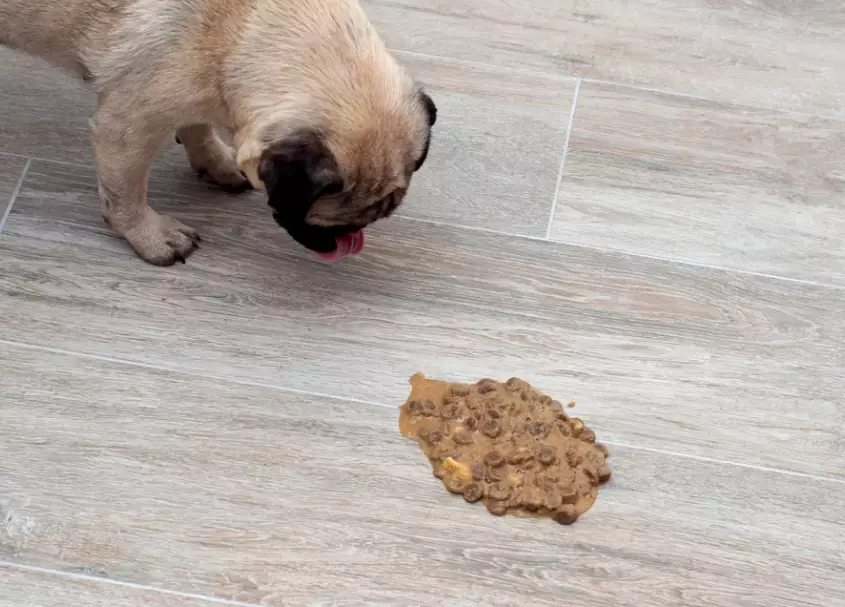
Why Is My Dog Throwing Up? Common Causes Decoded
Cause
Typical Signs
Is It Usually an Emergency?
Dietary Indiscretion (Scavenging, sudden food change, rich treats)
Vomits once or twice, may contain grass/trash, dog often acts fine afterwards.
No, unless foreign object is suspected.
Bilious Vomiting Syndrome (Empty stomach)
Yellow, foamy bile vomit, usually in the early morning or late at night.
No, but chronic.
Gastroenteritis (Stomach/intestinal inflammation)
Multiple episodes, may include diarrhea, lethargy, possible fever.
Maybe, if severe/dehydrated.
Intestinal Blockage (Swallowed object)
Repeated unproductive vomiting, abdominal pain, no bowel movements, lethargy.
YES. Immediate vet.
Systemic Illness (Kidney, liver, pancreatitis)
Chronic vomiting, weight loss, changes in thirst/urination, severe lethargy.
Yes, requires diagnosis.
Motion Sickness or Anxiety
Vomiting associated with car rides, stressful events, usually before/during event.
No, but discuss with vet.
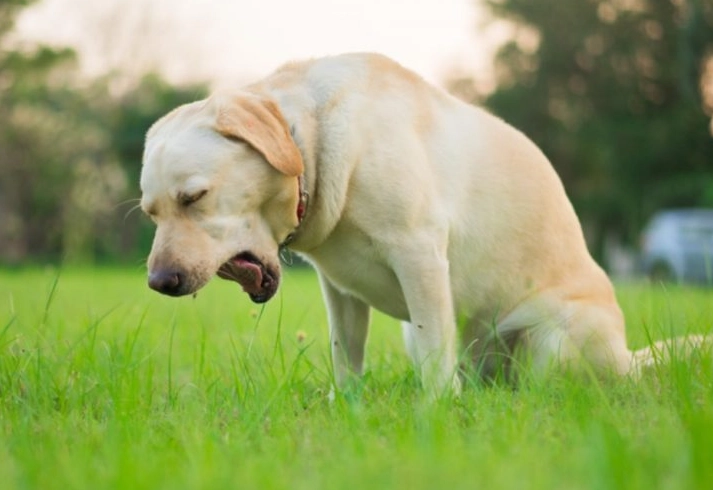
Vet-Approved Home Remedies for Dog Vomiting
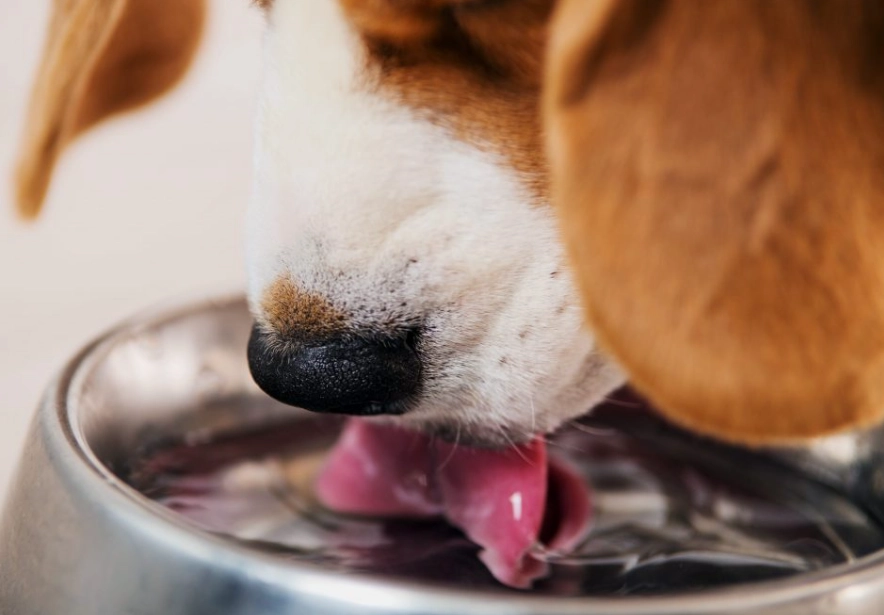
The Gradual Rehydration Protocol
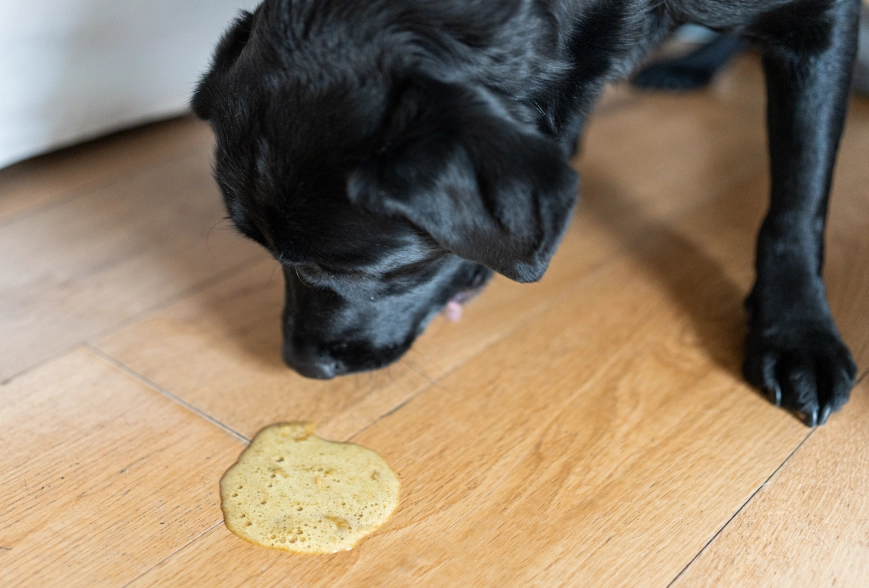
The Bland Diet: Getting It Right
Soothing Supplements and When to Use Them

Red Flags: When Vomiting Becomes an Emergency

How to Prevent Future Episodes
Your Top Questions Answered