Do Female Cats Spray? Yes, and Here's Why & How to Stop It
Let's cut right to the chase. You found a small puddle of urine on your wall, curtain, or the side of your sofa. It's not in the litter box. Your first thought might be a litter box issue, but the location is weird—vertical. Then the dreaded question hits: Is my cat spraying? And if you have a female cat, the next thought is usually, "But wait, I thought only male cats did that." That's the myth we're busting wide open today. Yes, female cats absolutely can and do spray urine. It's less frequent than in intact males, but when it happens, it's a loud, smelly signal that something is off in your cat's world. I've seen it countless times in my years working with cat behavior. The panic in an owner's voice when they describe their "sweet girl" suddenly marking the front door is real, and the confusion is even greater because everyone told them this was a "boy cat" problem.
What You'll Find in This Guide
Spraying vs. Litter Box Problems: Spot the Difference
This is the most critical first step. Treating a medical litter box issue as a behavioral spray will get you nowhere, and vice-versa. The tactics are different.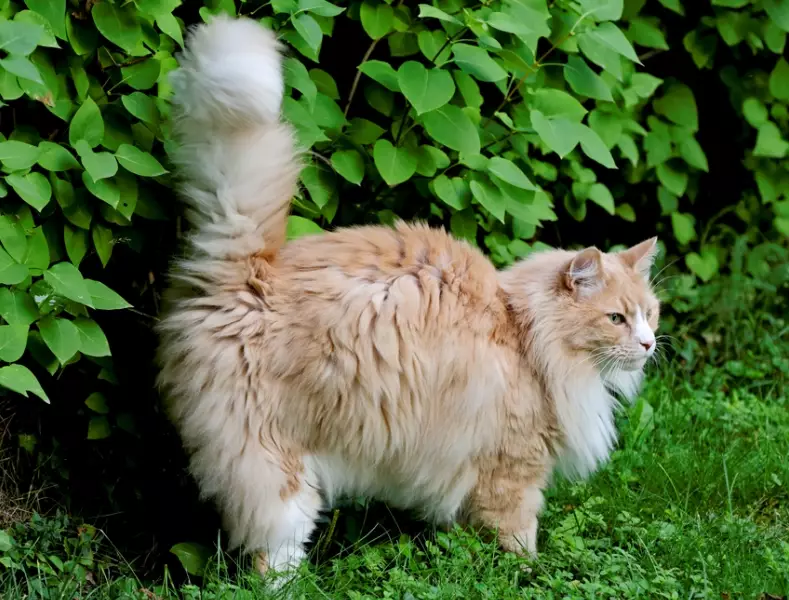
Spraying (Urine Marking): This is communication. The cat backs up to a vertical surface (wall, door, furniture leg), tail quivers, and she releases a small amount of urine backwards. It's usually a targeted stream. The posture is distinct—they often look alert, not crouched. The locations are "significant": near windows/doors (communicating with outdoor cats), on new objects, or in conflict zones in a multi-cat home.
Litter Box Avoidance (Inappropriate Elimination): This is a toilet problem. The cat squats and voids a full bladder or bowel volume on a horizontal surface—the floor, a rug, a bed, a pile of clothes. The posture is a low squat. This is often linked to medical issues (UTI, bladder stones, arthritis), a dirty litter box, a disliked litter type, or a box that's in a scary location.
Why Do Female Cats Spray? The 5 Main Culprits
Once medical causes are ruled out, we look at the "why." Female cats spray for specific, logical (to them) reasons. It's never out of spite. Here’s what's likely going on in her head.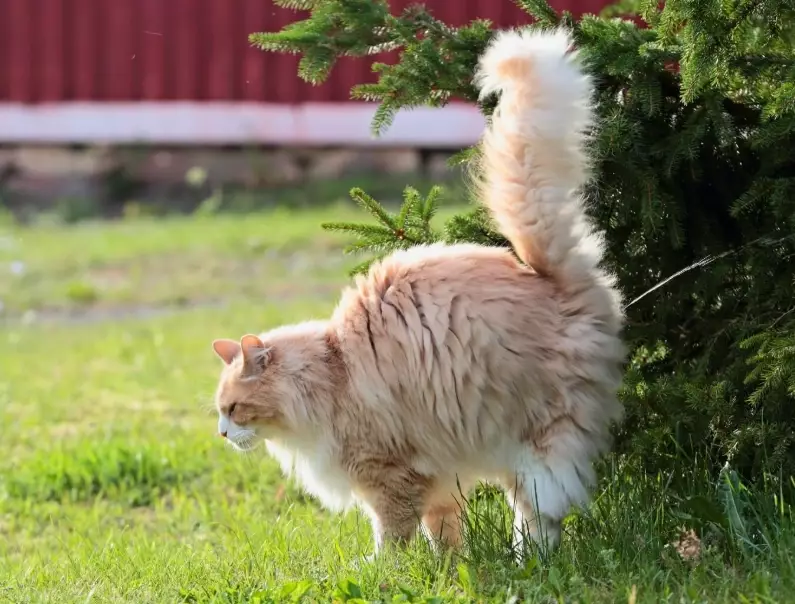
1. Stress and Anxiety (The Big One)
This is the leading cause I see in spayed female cats. Cats are creatures of habit and control. When their environment feels unpredictable or threatening, marking with their scent (which contains pheromones) is a way to self-soothe and claim ownership. Think of it as leaving sticky notes that say "I was here, this is mine, I feel safer now." Common stressors include:
- New pets or people in the house: A new baby, a roommate's dog, even a visiting relative.
- Construction noise or changes: Renovations, loud neighbors, moving furniture.
- Conflict with another household cat: This is huge and often subtle. They may not be fighting, but one cat may be blocking access to resources (food, water, the best window perch), creating low-grade, constant stress. The less confident cat may spray in shared areas.
- Outdoor cat intrusion: A stray or neighbor cat coming to your window or door is a major territorial trigger. Your cat sees an intruder and sprays the inside of that window to say, "Back off, this is my turf."
2. Territorial Behavior
Linked to stress, but worth its own mention. Even spayed females have territory. Introducing a new cat is the classic trigger, but it can also be sparked by bringing in used furniture or a luggage bag that smells of other animals. An unspayed female (queen) will spray to advertise her reproductive status to males, but this is less common in pet homes since most are spayed.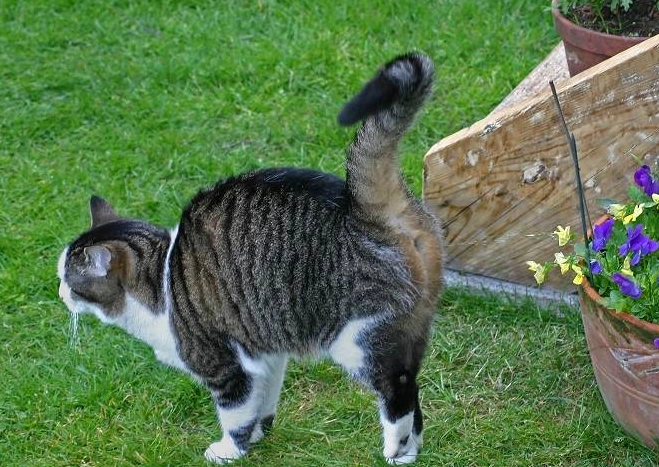
3. Medical Issues We Already Ruled Out (But Can Mimic Spraying)
Again, this is why the vet is non-negotiable. Conditions like Feline Idiopathic Cystitis (FIC)—a painful bladder condition heavily linked to stress—can cause a cat to urgently pee small amounts in odd places, which an owner might misinterpret as spraying. Arthritis can make it hard to get into a high-sided box, leading to accidents near the box that look deliberate.
4. Mating Behavior (If Unspayed)
An intact female (queen) in heat will yowl, roll, and be excessively affectionate. She may also spray urine to spread her scent and attract tomcats. This urine is particularly pungent. Spaying eliminates this cause entirely.
5. Resource Insecurity
This is a subtle one many miss. If your cat doesn't feel she has safe, consistent access to critical resources, she may spray. It's not just about food bowls. It's about litter boxes, water stations, sleeping spots, and escape routes. In a multi-cat home, one cat can silently dominate these without overt fighting.
How to Stop a Female Cat from Spraying: A Step-by-Step Guide
Okay, the vet gave her a clean bill of health. Now what? Throwing her outside or yelling won't work—it increases stress. You need a calm, systematic plan. This isn't a quick fix; it's detective work and environmental redesign.
Step 1: The Deep Clean (The Right Way)
You must completely remove the scent mark. If she can smell her old spray, it's a reminder to refresh it. Standard cleaners (bleach, ammonia-based) don't break down the urine proteins and can even attract cats back because they smell like similar chemicals to them. You need an enzymatic cleaner. I've had the best results with brands specifically labeled for pet urine enzymes. Soak the area thoroughly, let it dry completely. For porous surfaces like drywall or wood, you might need multiple applications.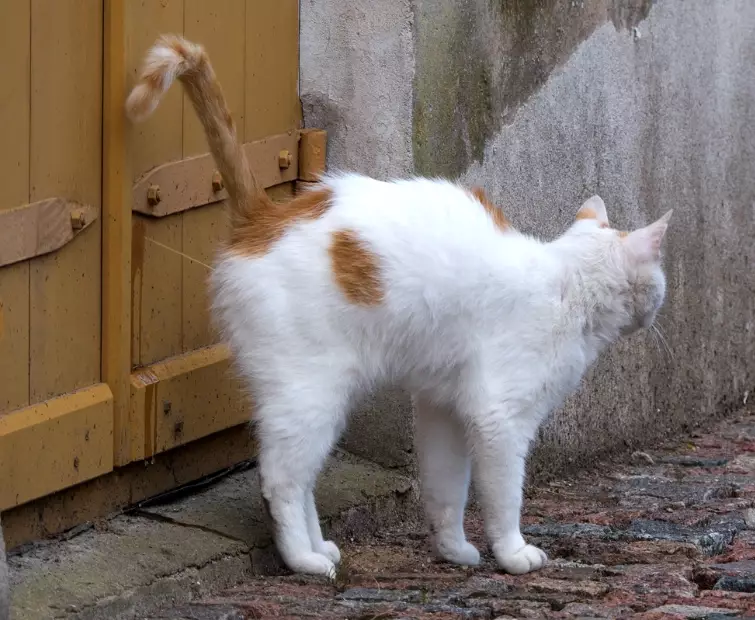
Step 2: Make the Marked Spot "Useless" or Unappealing
After cleaning, change the function of that spot.
- Place a tall, double-sided tape on the wall (cats hate sticky paws).
- Put a vinyl carpet runner spike-side up in front of it.
- Place a large piece of furniture in front of it.
- Or, make it a positive resource: put her food bowl or a treat-dispensing toy right there. Cats are very reluctant to soil where they eat.
Step 3: Address the Core Stressor
This is the heart of the solution.
- For outdoor cat triggers: Use opaque window film to block the view. Consider motion-activated sprinklers or ultrasonic repellents outside the door. Keep curtains closed.
- For multi-cat household stress: This is complex. You need to ensure you have N+1 resources (one more litter box than the number of cats, placed in different, quiet locations), multiple food/water stations, and vertical space (cat trees, shelves). Implement scheduled playtime with each cat separately. In severe cases, a gradual reintroduction process, as if they were new cats, might be needed. Resources from experts like the Cornell Feline Health Center can guide this process.
- For general anxiety: Create predictable routines for feeding and play. Provide hiding spots (covered beds, boxes).
Step 4: Use Pheromone Therapy
Synthetic feline facial pheromones (like Feliway Classic) mimic the "friendly" marks cats make when they rub their cheeks on things. They signal "safe and familiar." Plug a diffuser into the room where the spraying occurs, or use a spray on previously marked areas (after cleaning). It's not a magic bullet, but it's a helpful tool to lower the overall anxiety thermostat in the room.
Step 5: Increase Environmental Enrichment
A bored, under-stimulated cat is a stressed cat. Daily interactive play sessions (10-15 minutes, twice a day) with a wand toy to mimic hunting are gold. Food puzzles, window perches with a bird feeder view, and training sessions (yes, you can train a cat) build confidence and burn mental energy.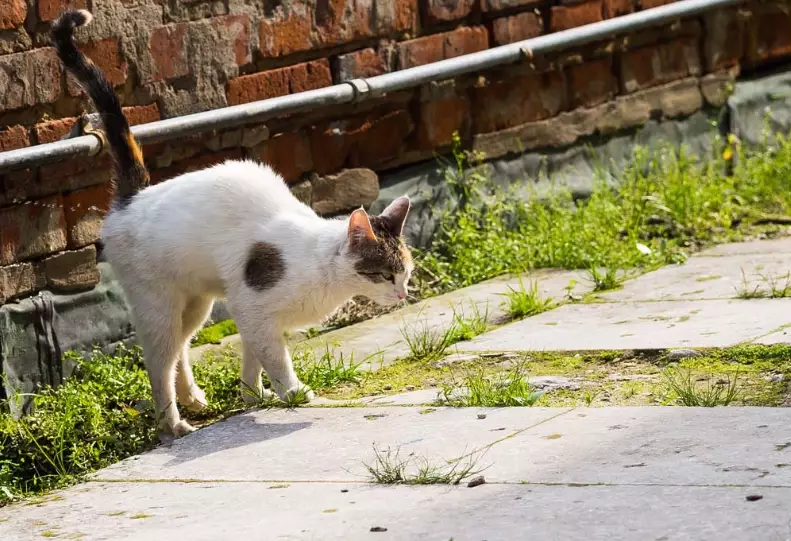
Cleaning Cat Spray: Why Your Cleaner Probably Isn't Working
This deserves its own section because doing it wrong guarantees repeat offenses. Cat urine, especially spray which is often more concentrated, contains uric acid crystals that bond to surfaces. As it dries, these crystals become nearly insoluble in water. Here’s a quick comparison of common approaches:
| Cleaner Type | How It Works | Does It Remove the Smell for Cats? | Verdict |
|---|---|---|---|
| Vinegar & Water | Acidic, can neutralize some ammonia smell. | No. Masks smell for humans, but uric acid crystals remain. | Not sufficient for spraying. |
| Bleach / Ammonia | Disinfects, strong human odor. | No, and can attract. Ammonia smells like urine to cats. Bleach may react with urine to create toxic gas. | Avoid. Potentially dangerous and ineffective. |
| Enzymatic Cleaner (e.g., Nature's Miracle, Rocco & Roxie) | Contains live bacteria/enzymes that literally digest the urine proteins and uric acid crystals. | Yes, if used correctly. Eliminates the source of the odor signal. | The gold standard. Follow label instructions: soak, let air dry. |
| Professional Odor Removal | Ozone machines, deep steam cleaning, or sealing subfloors. | Yes. For severe, long-standing, or deep-set odor. | Last resort for persistent cases, especially on subfloors or in cars. |
My pro tip: Use a black light (UV flashlight) in a dark room to find all the old spray marks you might have missed. They will glow yellowish-green. Mark them with tape and hit them all with the enzymatic cleaner.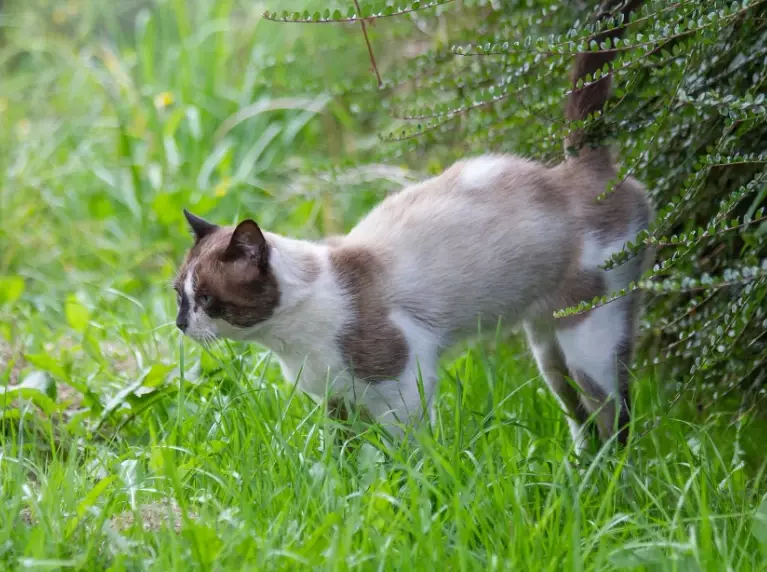
Your Top Spraying Questions, Answered
Dealing with a spraying female cat can feel overwhelming and frankly, pretty disgusting. The smell alone is a major headache. But remember, it's a symptom, not a personality flaw. She's trying to tell you something is wrong in her world. By methodically ruling out medical problems, becoming a stress detective, cleaning strategically, and reshaping her environment, you can silence that smelly message for good. It takes patience, but a peaceful, odor-free home is absolutely achievable.
Related Articles