Dog Ear Mites: Complete Guide to Symptoms, Treatment & Prevention
Jump to What Matters
If your dog is scratching its ears like crazy, it might be ear mites. These tiny parasites are a common nuisance, but the good news is they're treatable and preventable. I've dealt with ear mites in my own dogs over the years, and I've seen how confusing it can be for owners. Let's cut through the noise and get straight to what you need to know.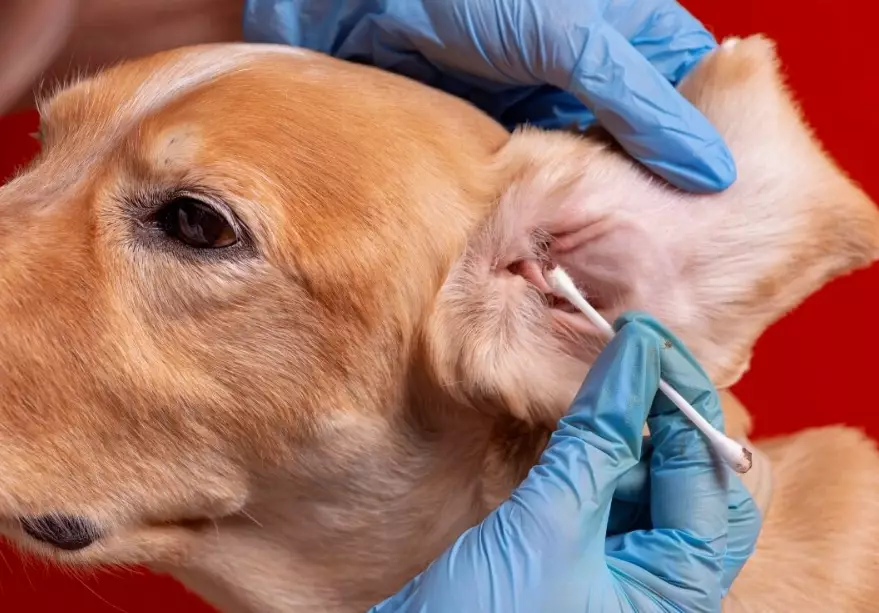
What Are Dog Ear Mites?
Dog ear mites, scientifically known as Otodectes cynotis, are microscopic pests that live in the ear canals. They feed on ear wax and skin oils, causing intense irritation. They're highly contagious among pets—dogs, cats, even ferrets can pass them around. According to the American Veterinary Medical Association, ear mites are one of the most common causes of ear infections in young dogs. But here's a thing many vets don't emphasize enough: ear mites aren't just an ear problem. They can spread to other parts of the body, leading to skin issues if left unchecked.
Symptoms of Ear Mites in Dogs
Spotting ear mites early saves your dog a lot of discomfort. Look for these signs:
Constant scratching at the ears or head. Your dog might rub against furniture or the floor.
Black, crumbly discharge that looks like coffee grounds. This is a mix of mite waste, blood, and ear wax.
Head shaking or tilting. It's their way of trying to dislodge the mites.
Redness and swelling in the ear canal. In severe cases, you might see sores or hair loss around the ears.
Odor from the ears, often described as musty or foul.
I remember my dog Max—he'd shake his head so hard, his ears would flap loudly. At first, I thought it was just dirt, but that black gunk was a dead giveaway.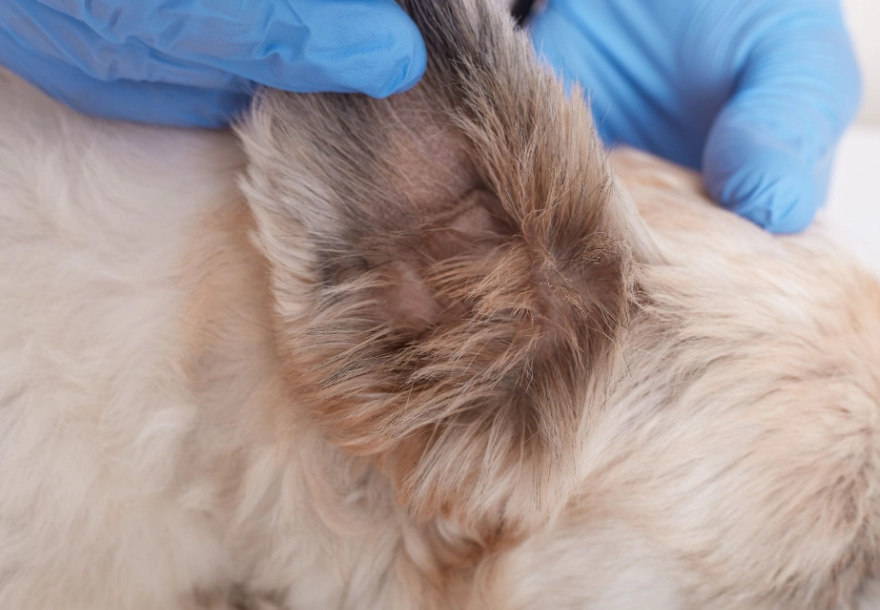
How to Diagnose Ear Mites
Diagnosing ear mites isn't always straightforward. Many owners mistake them for yeast or bacterial infections. A vet can confirm it by using an otoscope to look inside the ear or taking a sample of the discharge to examine under a microscope. Mites are visible as tiny white dots moving around.
One subtle error I've seen: people assume all ear scratching means mites. But allergies or foreign objects can cause similar symptoms. If you treat for mites without a proper diagnosis, you might waste time and money. The Merck Veterinary Manual notes that misdiagnosis can lead to unnecessary antibiotic use, which doesn't work on parasites.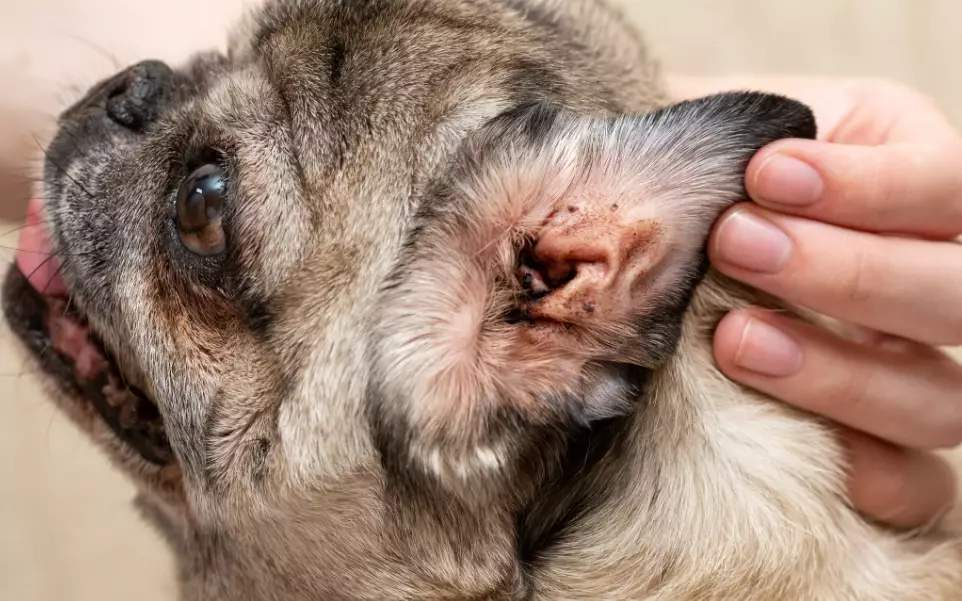
Treatment Options for Dog Ear Mites
Treating ear mites involves killing the mites and cleaning the ears. Here's a breakdown of common options:
| Treatment Type | Examples | How It Works | Pros & Cons |
|---|---|---|---|
| Prescription Medications | Revolution (selamectin), Advantage Multi (moxidectin) | Topical or oral applications that kill mites systemically | Highly effective, but requires vet prescription; can be costly |
| Over-the-Counter Drops | Ear mite solutions with pyrethrin or ivermectin | Applied directly into the ear canal to target mites | Affordable, but may not kill all life stages; risk of irritation |
| Natural Remedies | Mineral oil, coconut oil, apple cider vinegar mixes | Suffocates mites or alters ear pH to deter them | Gentler on sensitive dogs, but slower and less proven |
Step-by-step treatment process:
First, clean the ears. Use a vet-recommended ear cleaner—soak a cotton ball, wipe the outer ear gently, and avoid going too deep. I prefer solutions with drying agents to prevent moisture buildup.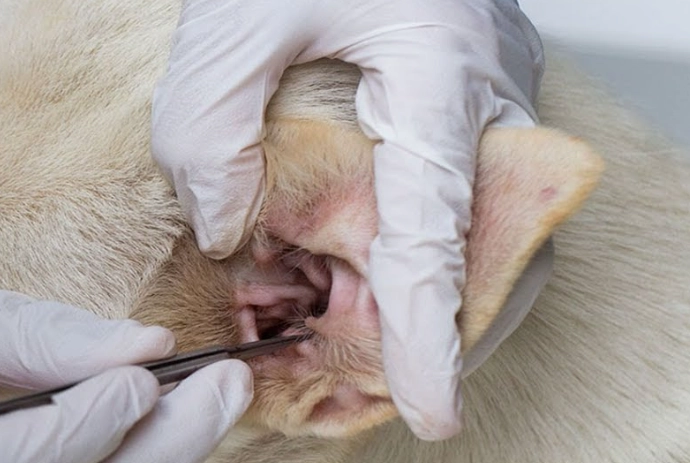
Second, apply the medication as directed. For topical treatments like Revolution, apply between the shoulder blades. For ear drops, massage the base of the ear to spread the solution.
Third, repeat as needed. Mites have a life cycle of about 3 weeks, so treatment often lasts a month to catch all stages. Don't stop early just because scratching decreases.
Fourth, treat all pets in the household. Mites spread easily, so isolate infected dogs and clean bedding with hot water.
A common mistake: using cotton swabs inside the ear. It can push debris deeper and cause injury. Stick to cotton balls or gauze.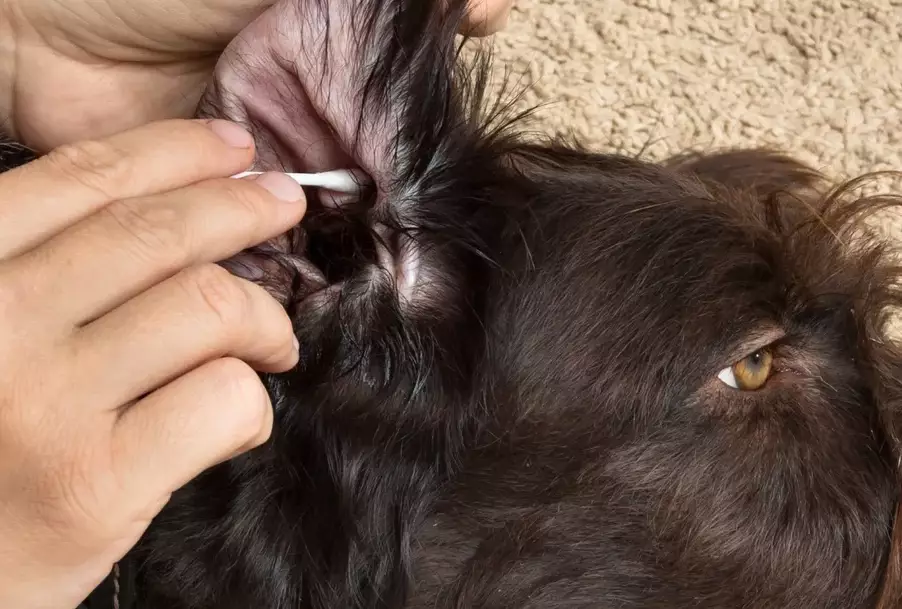
Natural Approaches and Their Limits
Some owners opt for natural methods. Mineral oil can suffocate mites—apply a few drops daily for a week. But it's messy and may not penetrate deep enough. Coconut oil has antimicrobial properties, but it's not a guaranteed cure. I've tried it on mild cases; it helps with inflammation, but for full-blown infestations, meds work better.
Preventing Ear Mites in Dogs
Prevention is cheaper than treatment. Here's how to keep ear mites away:
Regular ear checks: Weekly, peek into your dog's ears. Look for redness or discharge.
Routine cleaning: Clean ears every 2-4 weeks with a gentle cleaner. Avoid over-cleaning, as it can strip natural oils.
Environmental control: Wash bedding monthly in hot water. Vacuum areas where your dog sleeps to remove mites or eggs.
Preventive medications: Products like Revolution or Frontline Plus can protect against mites as part of broader parasite control.
Avoid contact with infected animals: At dog parks or kennels, be cautious if other pets show symptoms.
I make it a habit to check my dogs' ears after baths. It takes two minutes but catches issues early.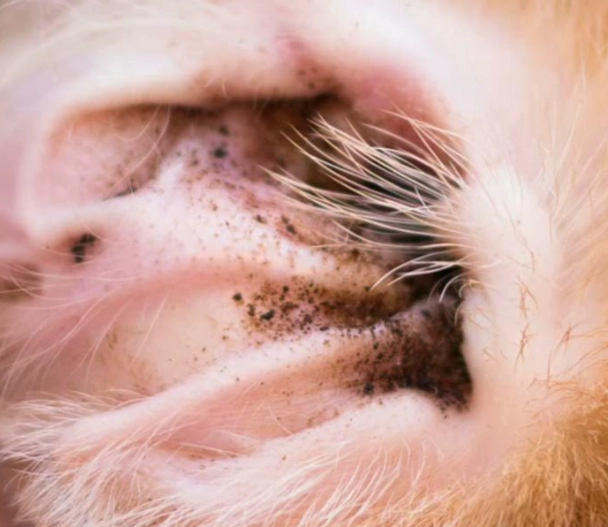
My Personal Experience with Dog Ear Mites
Let me share a story about my dog Luna. She's a rescue with sensitive skin. When she started scratching, I assumed it was allergies and tried antihistamines. No improvement. The vet found ear mites—those tiny white specks under the microscope. We used Revolution, and within days, the scratching stopped. But here's the kicker: we had to treat my cat too, even though he showed no symptoms. Mites are sneaky that way.
From this, I learned that persistence is key. We cleaned the house thoroughly, and I now use a preventive spot-on during high-risk seasons. It's been two years, no recurrence.
Frequently Asked Questions
Ear mites are a hassle, but with the right approach, you can beat them. Stay vigilant, follow treatment plans, and don't hesitate to consult your vet. Your dog's comfort is worth it.
Related Articles