Black Cat Breeds Guide: Personality, Care & Myths Debunked
Let's cut to the chase. Black cats aren't a single breed. That sleek, shadow-like coat can appear in over 20 recognized cat breeds, from the common Domestic Shorthair to the rare, curly-coated Selkirk Rex. If you're drawn to these elegant felines, you're likely looking beyond the color and wondering about their real personality, specific care needs, and maybe you're even tired of the old superstitions. I've lived with cats, including a magnificent black Bombay named Onyx, for over a decade, and I've seen firsthand how generic advice falls short. This guide is for you if you want to know which black cat breed truly matches your lifestyle, how to care for that gorgeous coat, and what nobody tells you about their unique quirks.
What's Inside This Guide?
Not Just a Color: A Look at Popular Black Cat Breeds
Thinking "black cat" is like thinking "brown dog." The breed dictates everything from energy level to how much they'll talk your ear off. Here’s a breakdown of breeds where a solid black coat is not just possible but often stunningly standard.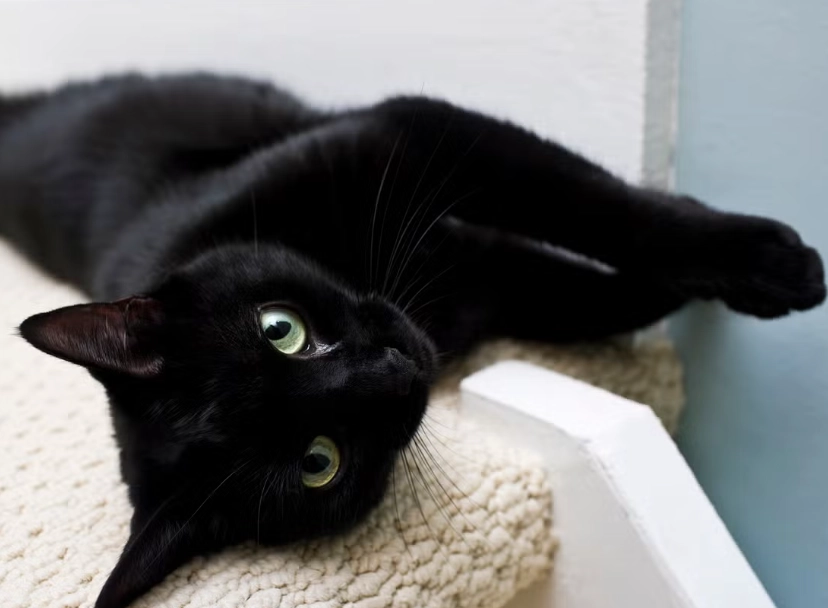
| Breed | Key Physical Trait | Personality Vibe | Grooming & Care Note |
|---|---|---|---|
| Bombay | The "mini-panther." Copper or gold eyes, jet-black from nose to paw pads. | Dog-like, affectionate, loves laps and play. Moderately vocal. | Short, low-shedding coat. Prone to obesity—watch diet. |
| Oriental Shorthair | Large ears, sleek athletic body, almond-shaped eyes (often green). | Extremely social, talkative, intelligent, and can be demanding of attention. | Minimal grooming. Needs mental stimulation; hates being alone. |
| British Shorthair | Stocky, round face and eyes, dense plush coat. | Calm, easygoing, independent but sweet. Not a lap-climber. | Weekly brushing to manage shedding. Can be lazy. |
| American Shorthair | Muscular, medium build, round face. The "classic" cat look. | Adaptable, friendly, good with kids/pets. Playful but not hyper. | Low-maintenance coat. A robust, generally healthy breed. |
| Maine Coon | Large, tufted ears, long fluffy coat, bushy tail. | Gentle giant, playful, family-oriented. Often chirps rather than meows. | Heavy shedding. Requires thorough, frequent brushing. |
| Domestic Shorthair/Longhair | Variable. The mixed-breed cat, no standard look. | Unpredictable but often wonderfully balanced. A personality lottery. | Depends on coat length. Generally healthy and low-fuss. |
See the range? A black Maine Coon is a high-maintenance, fluffy shadow, while a black Oriental is your chatty, sleek shadow. The biggest mistake I see is someone adopting a black kitten assuming it will be "mysterious and aloof" like the stereotype, only to get home with a Bombay that follows them to the bathroom and demands fetch sessions.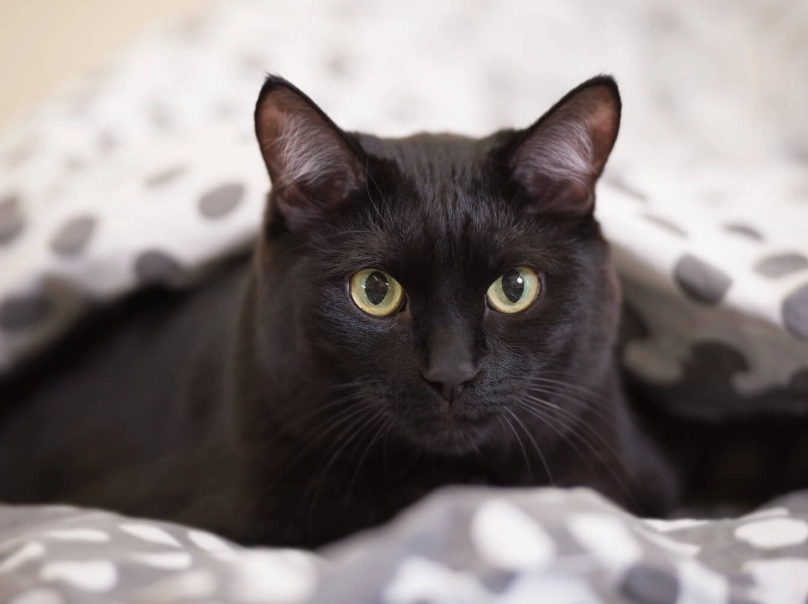
The Coat Color Science: Why Are They Black?
It's not magic, it's genetics. A solid black coat is caused by a high concentration of the pigment melanin, specifically eumelanin. The gene responsible is a dominant one. Sometimes, in bright sunlight, you might see faint ghost tabby stripes on a black cat—this is a residual pattern from their underlying genetics, not a sign they're not "truly" black. It's a cool little secret many pure black cats carry.
Black Cat Personality: Separating Fact from Fiction
Here’s the non-consensus part you won't read on most listicles: There is no scientific evidence linking coat color to personality traits like aggression, aloofness, or luck. Studies, like the one published in the journal Applied Animal Behaviour Science, have looked into owner perceptions and found no consistent behavioral difference based on color alone. Personality is shaped by breed, individual genetics, socialization (those crucial first 2-7 weeks of life), and life experience.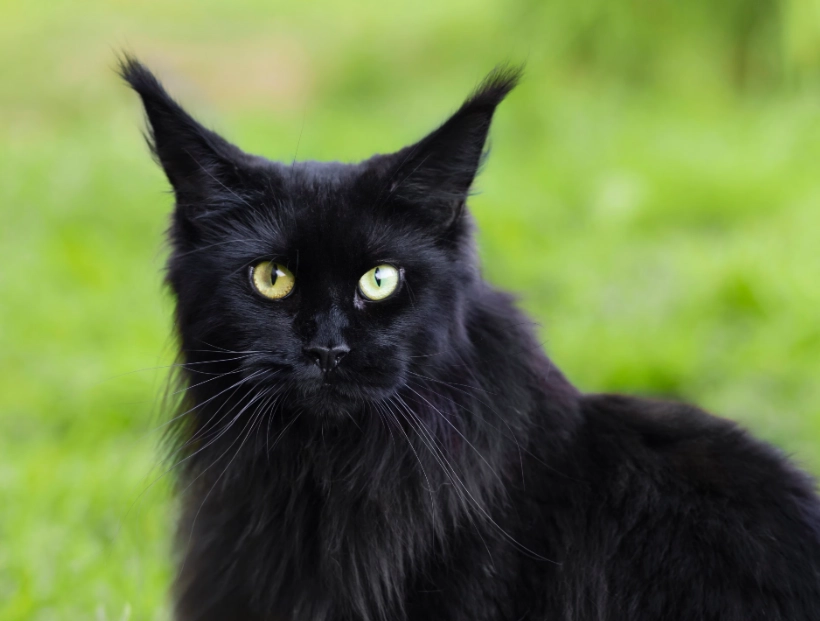
So why the "mysterious" reputation? It's purely cultural and visual. Their expressions can be harder to read because of the lack of facial contrast—it's tougher to see the subtle eye and mouth movements we rely on. This doesn't mean they're unfriendly; it means we have to pay closer attention. My Onyx had the most expressive eyes once you learned to look for the slight changes in the gold.
The real personality comes from the breed blueprint. Want a shadow that talks? Get an Oriental. Want a shadow that acts like a dog? Bombay. Want a shadow that mostly just wants to be in the same room? British Shorthair.
Practical Black Cat Care: Grooming, Health & Home Life
Owning a black cat has some unique practicalities nobody mentions until you're covered in fur or struggling with a photo.
Grooming: It's Not Just About Looks
All cats benefit from brushing, but with black cats, it's a visibility issue. Their fur shows up on everything—light-colored clothes, furniture, beds. Regular brushing (2-3 times a week for shorthairs, daily for longhairs like Maine Coons) is your first line of defense. It controls shedding, prevents hairballs, and is a great bonding activity. A rubber grooming brush or a fine-toothed comb works wonders.
A pro tip: invest in a good lint roller and keep one by the door. You'll use it.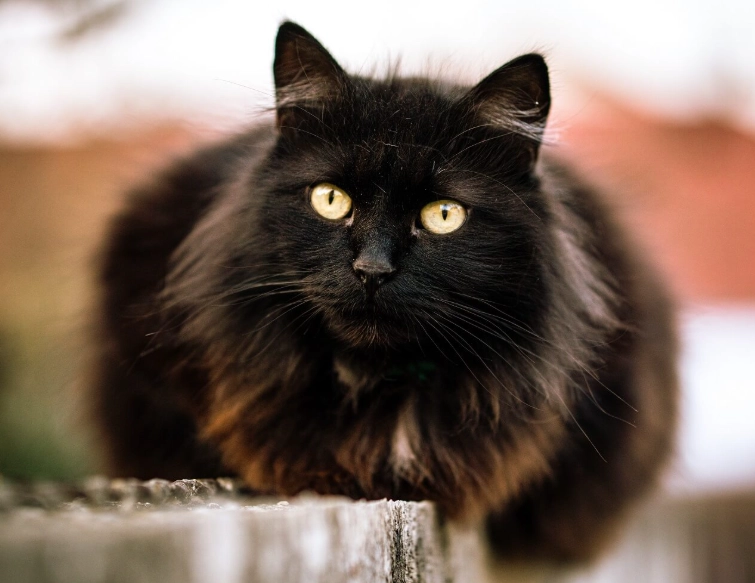
Health Considerations: The Sunburn Surprise
Black cats can get sunburned, especially on lightly haired areas like the ears and nose. Prolonged sun exposure can even increase the risk of squamous cell carcinoma, a type of skin cancer. If your cat loves sunbathing by a window, consider applying a pet-safe sunscreen to their ears and nose, or use a window film that filters UV rays. It's a small step most owners never think about.
Photographing Your Void
It's a common gripe. Your beautiful cat turns into a floating pair of eyes in photos. The trick is lighting. Avoid direct flash—it creates demon eyes. Use natural, indirect light from the side. Place your cat against a contrasting background (a light-colored blanket, a grey sofa). Get down on their level. And embrace the silliness—sometimes the best photo is just two glowing eyes in a fuzzy black blob.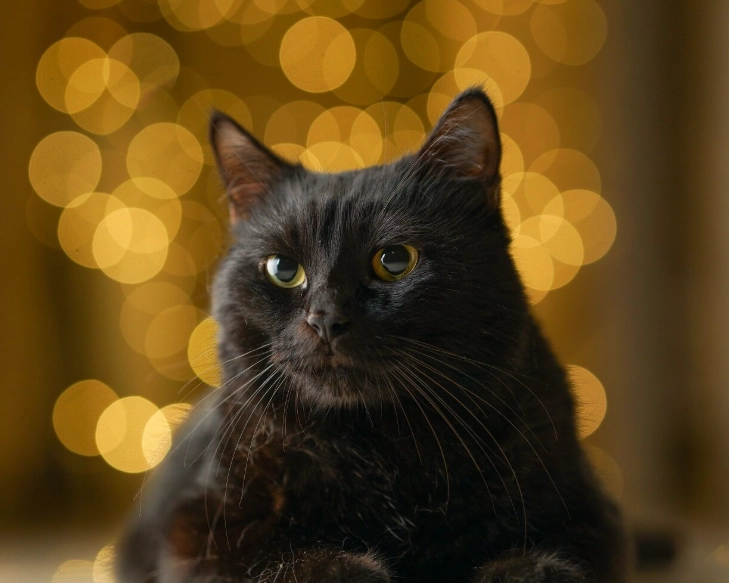
Considering a Black Cat? Key Adoption & Choice Factors
If you're ready to welcome a black cat, here's how to make a great choice.
- Look Beyond the Shelter Kiosk. Black cats, especially black Domestic Shorthairs, are often the last to be adopted due to "Black Cat Syndrome." This means shelters are full of amazing, personality-rich adult black cats who are past the chaotic kitten phase. Consider giving one a home.
- Ask About History, Not Color. When meeting a cat, ask the shelter staff or foster: "What's their daily routine like? Are they playful or calm? How do they handle being picked up?" This tells you more than any assumption based on fur.
- Match Energy Levels. A high-energy Oriental will drive a quiet retiree nuts. A laid-back British Shorthair might seem boring to an active family. Be honest about your lifestyle.
- Prepare Your Home. Besides the usual cat-proofing, think about their visibility. A black cat napping on a dark staircase at night is a tripping hazard. A small nightlight in a hallway can help.
Adopting my black cat was one of the best decisions I ever made, but it was despite the color, not because of it. I chose him for his gentle head-butts and playful chirp.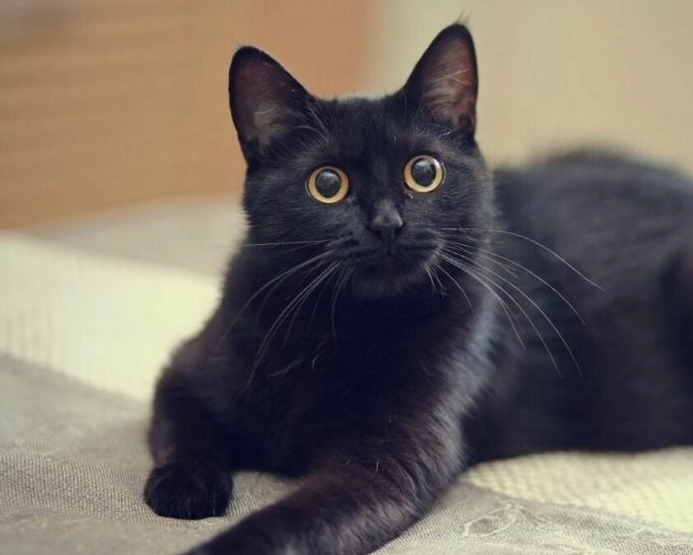
Your Black Cat Questions, Answered
Related Articles