What Do Turtles Eat? A Complete Diet Guide for Pet Turtles
Figuring out what turtles eat isn't as simple as grabbing a bag of generic "turtle food." Get it wrong, and you're looking at a sluggish, unhealthy pet with potential shell deformities. After years of keeping turtles and talking with vets, I've seen the same mistakes over and over. The truth is, a turtle's diet is incredibly varied and depends heavily on one thing: what kind of turtle you have. A one-size-fits-all approach is the fastest way to cause nutritional problems.
This guide cuts through the confusion. We'll move past the basic lists you find everywhere and into the specifics of proportions, preparation, and the subtle signs of a diet that's off-balance.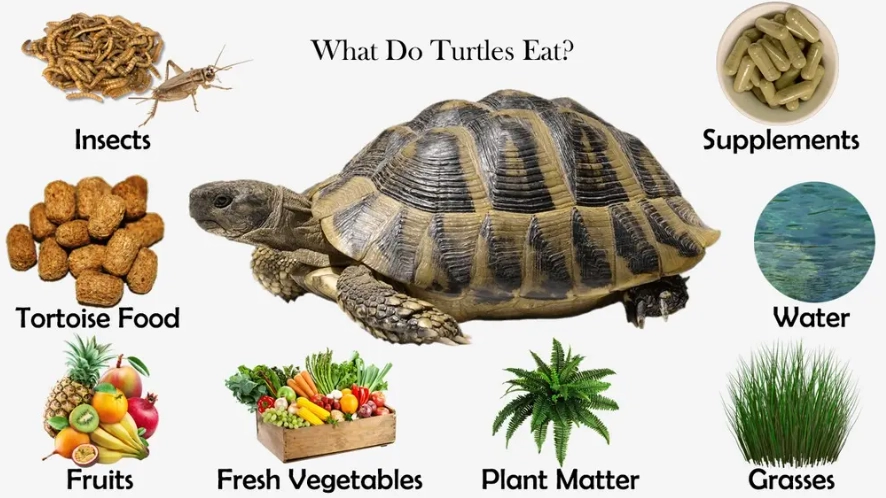
What You'll Find Inside
The First Rule: Is Your Turtle an Omnivore or Herbivore?
Before we talk about specific foods, you need to know your turtle's dietary class. This is the single most important factor.
Omnivorous Turtles (like Red-Eared Sliders, Painted Turtles, many map turtles) eat both plant and animal matter. But here's the crucial detail everyone misses: their needs change dramatically with age. Babies and juveniles are voracious carnivores, needing up to 70% protein for growth. As they mature, they shift towards a heavily plant-based diet. Feeding a 10-year-old slider the same high-protein diet you fed it as a hatchling is a recipe for obesity and kidney strain.
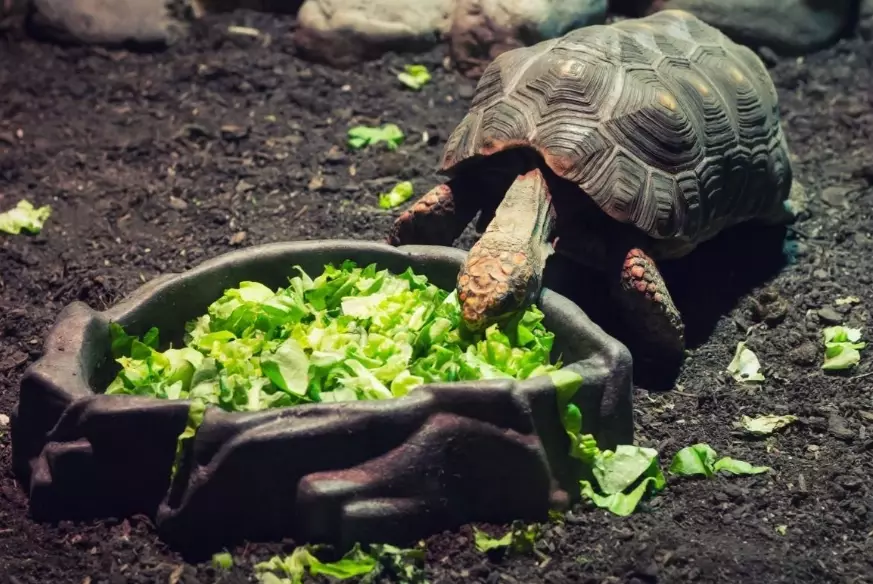
Herbivorous Turtles (like many tortoises, but also some aquatic species like the adult Florida Cooter) primarily eat plants, grasses, and vegetables. They have long, complex digestive tracts for breaking down fiber. Offering them animal protein can cause severe digestive issues and shell pyramiding.
Then there are the mostly carnivorous ones, like Snapping Turtles or Softshells. Their diet is over 90% animal protein throughout their lives.
So, step one: identify your turtle species. A quick search on a reputable site like the Tortoise Trust or consulting an exotic vet will save you years of dietary guesswork.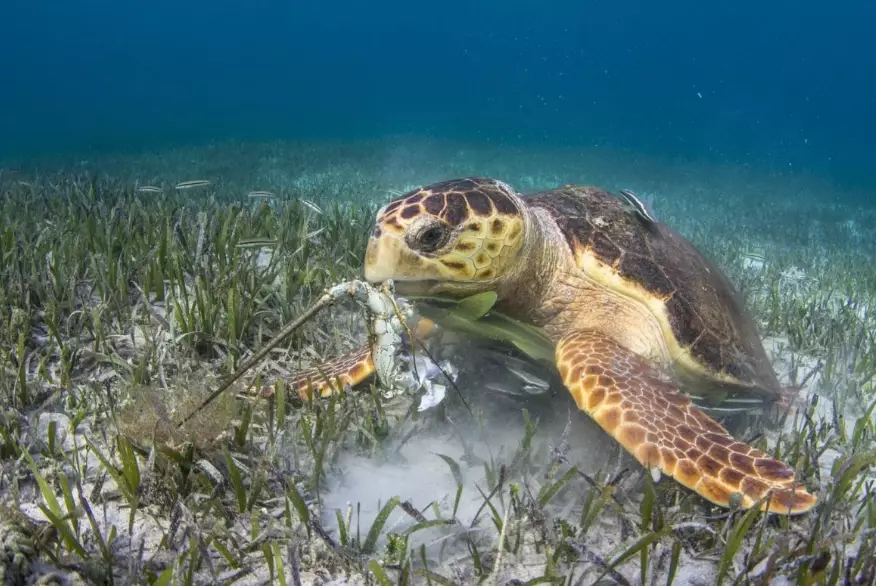
The Ultimate Turtle Food Shopping List
Think of a turtle's diet as a pyramid. The base is staple foods, the middle is regular supplements, and the top is occasional treats. Here’s what should be on your radar.
| Food Category | Examples | Notes & Tips |
|---|---|---|
| High-Quality Commercial Pellets/Sticks | Mazuri, Zoo Med, Repashy brands. Look for formulas specific to your turtle type (aquatic, box turtle, etc.). | These are formulated to be nutritionally complete. They should be a part of the diet, not the whole diet. Soak them in tank water for a minute before feeding to prevent buoyancy issues. |
| Animal Protein (for omnivores/carnivores) | Earthworms, crickets, dubia roaches, mealworms (sparingly), small feeder fish (guppies, not goldfish!), cooked plain chicken or fish (rare treat). | Gut-load insects 24 hours before feeding. Feeder fish from pet stores can carry parasites; breeding your own or using frozen/thawed options is safer. Never feed raw meat from the grocery store. |
| Leafy Greens & Vegetables | Staples: Collard greens, dandelion greens, endive, mustard greens, turnip greens. Occasional: Carrot tops, bell peppers (diced), zucchini. | Wash thoroughly. I chop them into bite-sized pieces, mix them, and keep a container in the fridge. Iceberg lettuce is nutritional junk—avoid it. |
| Aquatic Plants (for aquatics) | Duckweed, water hyacinth, anacharis, frogbit. | These are fantastic for enrichment and mimic natural grazing. You can grow them in a separate tub. Duckweed grows like crazy and turtles love it. |
| Fruits (Treats Only) | Berries, mango, melon (seedless), papaya. Remove any pits or seeds. | High in sugar. Offer no more than once a week, in tiny amounts. Can cause loose stools if overfed. |
| Calcium & Vitamin Supplements | Calcium powder (without phosphorus), cuttlebone. | Lightly dust insects or leafy greens with calcium powder 1-2 times a week for growing juveniles and egg-laying females. A piece of cuttlebone floating in the tank lets turtles self-regulate. |
Pro Tip: Variety is non-negotiable. Rotate through at least 3-4 different leafy greens each week. No creature in the wild eats the same thing every single day. This rotation prevents nutritional gaps and picky eating.
Diet Ratios for Common Pet Turtles
Here’s where we get specific. These are general guidelines. An active, breeding turtle may need slightly more protein, while a more sedentary one needs less.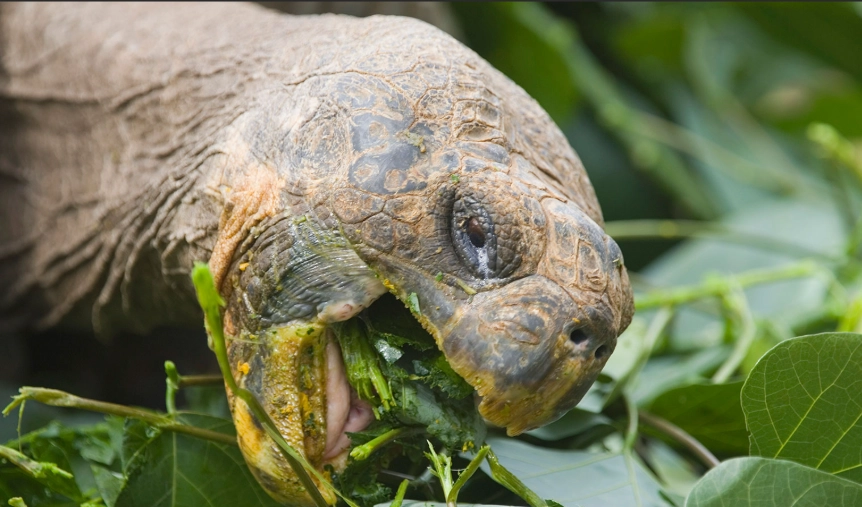
| Turtle Species | Juvenile Diet Ratio | Adult Diet Ratio (1+ years) | Key Foods |
|---|---|---|---|
| Red-Eared Slider | 70% Protein / 30% Plants | 30% Protein / 70% Plants | Pellets, worms, fish, leafy greens, duckweed. |
| Eastern Box Turtle | 50% Protein / 50% Plants/Fruit | 40% Protein / 60% Plants/Fruit | Slugs, earthworms, berries, mushrooms, leafy greens. |
| Painted Turtle | 80% Protein / 20% Plants | 50% Protein / 50% Plants | Insects, small fish, aquatic plants, greens. |
| Russian Tortoise | 100% Herbivore | 100% Herbivore | Weeds (dandelion, clover), leafy greens, hay. No fruit. |
| Musk Turtle | 90% Carnivore | 90% Carnivore | Snails, worms, insects, fish. Very little plant matter. |
See the pattern? Most common pet turtles shift towards more plants as they age. I keep a simple weekly chart on my fridge for my two sliders—it helps me remember what protein source I used last and ensures I'm hitting the veggie quota.
How to Feed Your Turtle: Schedule, Portions & Setup
You've got the food. Now, how do you actually serve it?
Feeding Schedule
- Hatchlings & Juveniles (under 1 year): Once a day, every day. They're growing machines.
- Adults (1-7 years): Every other day. Some large, slow-moving species do well on a 3-times-a-week schedule.
- Senior Turtles (7+ years): 2-3 times a week, monitoring weight closely.
Feed them in the morning or early afternoon. Turtles are ectotherms; they need warmth to digest properly. Feeding too late in the day can lead to food sitting undigested overnight.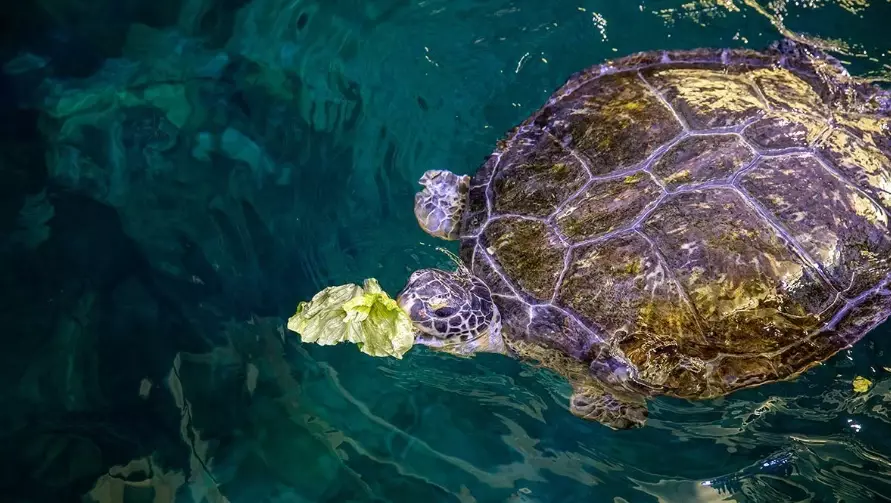
Portion Size: The Head Method
This is the best visual guide. The total volume of food offered at one feeding should be roughly the size of your turtle's head (excluding the neck). For leafy greens, you can offer a pile about the size of the shell. They'll eat what they need.
If all the food is gone in under 5 minutes, you might be underfeeding. If there's consistently a lot left after 15-20 minutes, you're overfeeding. Adjust accordingly.
Feeding Setup: The Separate Container Debate
Many experts recommend feeding turtles in a separate tub of warm water. The logic is solid: it keeps the main tank clean from food debris and waste. I did this for years. But let's be honest—it's a hassle, and it stresses some turtles out.
My current, less-perfect but more sustainable method? I feed my turtles in their main tank but use a large, shallow ceramic dish for pellets and worms. For greens, I clip them to a suction cup veggie clip. This contains most of the mess. I then do a quick vacuum of the substrate right after feeding with a turkey baster. It's a compromise, but it works for my routine and my turtles don't mind.
Warning: Never, ever feed your turtle on loose gravel or small substrate they can swallow. This causes fatal impaction. If you have a gravel bottom, always use a feeding dish or feed in a separate container.
5 Feeding Mistakes That Slowly Harm Your Turtle
- Feeding Only One Type of Food. The "pellets-only" or "lettuce-only" turtle is a malnourished turtle. Pellets are a good base, but they lack the full spectrum of micronutrients and fiber found in whole foods.
- Overfeeding Protein to Adult Omnivores. This is the #1 mistake with sliders and painted turtles. Excess protein puts immense strain on the kidneys and leads to rapid, unhealthy growth and pyramiding of the shell. That lumpy, bumpy shell you sometimes see? Often a diet too high in protein and low in calcium.
- Using Feeder Goldfish as a Staple. Goldfish and minnows contain an enzyme called thiaminase that breaks down vitamin B1 (thiamine). Feeding them regularly can cause a thiamine deficiency. They're also fatty. Stick to guppies, mollies, or earthworms.
- Ignoring Calcium-to-Phosphorus Ratio. Turtles need more calcium than phosphorus. Foods like spinach and beet greens are high in oxalates that bind calcium. Meat is high in phosphorus. This is why calcium supplementation and a varied diet are critical. A pure meat diet leads to metabolic bone disease (soft shell).
- Assuming They'll "Eat When Hungry." Turtles are opportunistic feeders. In captivity, many will eat everything offered, leading to obesity. You are the portion controller. A fat turtle is not a healthy turtle; it's a turtle at risk for fatty liver disease.
Your Turtle Diet Questions, Answered
 How do I know if I'm feeding my turtle enough calcium?
Related Articles