Benadryl for Dogs: Safe Dosage Chart & Vet Advice
If you're here, you're probably staring at your itchy, restless dog and a bottle of Benadryl, wondering if it's okay to give them some. It's a super common question. As a dog owner myself, I've been in that spot—my Labrador, Max, used to get seasonal allergies that made him chew his paws raw. The short, and most important, answer is this: Yes, Benadryl (diphenhydramine) can be safe for dogs, but only if you use the correct dosage and only for certain conditions, and you absolutely must consult your veterinarian first. Getting the dose wrong isn't just ineffective; it can be dangerous. This guide will walk you through everything, from calculating the exact milligram amount for your dog's weight to the hidden risks nobody talks about.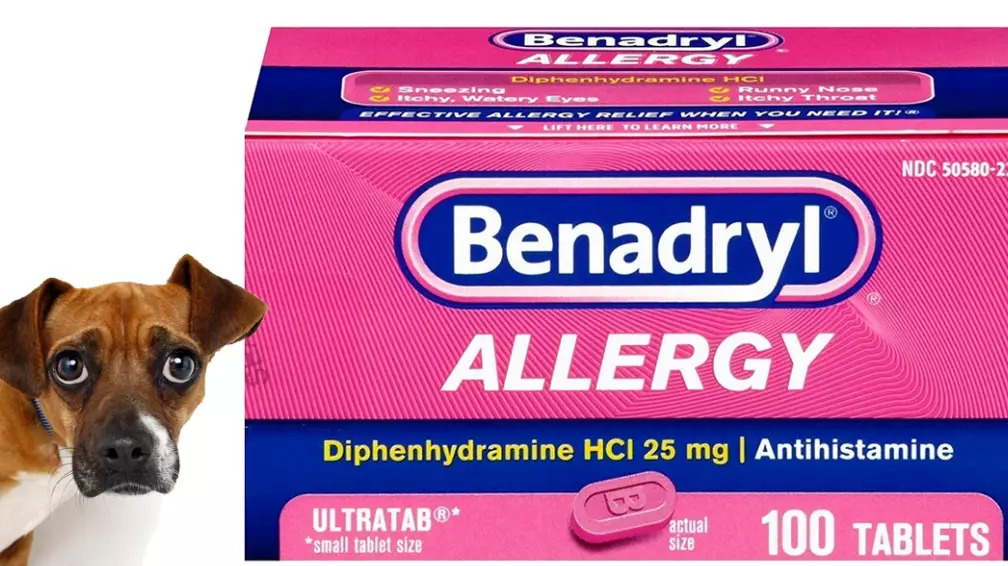
What You'll Learn in This Guide
Benadryl Dosage for Dogs: The Milligram per Pound Rule
The universally accepted guideline from veterinary resources like the Merck Veterinary Manual is 1 milligram (mg) of Benadryl per pound of your dog's body weight, given 2-3 times a day (usually every 8-12 hours).
Let's make that concrete. This means a 25-pound dog would get 25 mg per dose. A 50-pound dog gets 50 mg. It sounds simple, but here's where most owners hit their first snag: pill sizes. You can't just cut pills infinitely. Most over-the-counter Benadryl tablets come in 25 mg strengths. So for that 25-pound dog, one 25 mg tablet is perfect. For a 30-pound dog, you'd need to give one 25 mg tablet (slightly under-dosing) or try to accurately split a tablet to get 30 mg.
How to Calculate Your Dog's Dose: A Real-World Example
Let's walk through calculating a dose for a hypothetical dog named "Charlie," a Beagle who weighs 22 pounds.
- Weigh Your Dog Accurately: Use a pet or bathroom scale. Don't guess. Charlie is 22 lbs.
- Apply the Formula: 22 lbs x 1 mg = 22 mg per dose.
- Match to Available Pills: You have 25 mg tablets. 22 mg is closest to one 25 mg tablet. While it's a tiny bit over the calculated dose (by 3 mg), it's within a safe margin for a dog of Charlie's size, as it's still well below the 2 mg/lb max. For a more precise dose, you could ask your vet about using a children's liquid formulation (12.5 mg/5 ml) and measuring carefully with an oral syringe, but you must check that it contains ONLY diphenhydramine and NO other active ingredients like decongestants (e.g., phenylephrine) or alcohol, which can be toxic.
- Frequency: This 22-25 mg dose can be given every 8-12 hours, but no more than 3 times in 24 hours.
See the problem with guessing now? If you just gave a "whole pill" without calculating, a 10-pound Chihuahua would get a massive overdose, while a 70-pound Golden Retriever would be significantly under-dosed.
When to Use Benadryl for Dogs (And When NOT To)
Benadryl is an antihistamine. It's not a cure-all. Vets most commonly recommend it for: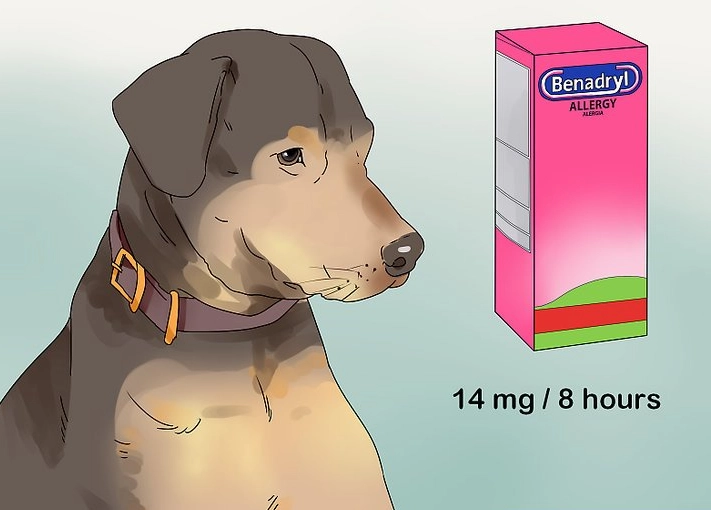
- Mild to Moderate Allergic Reactions: This is the big one. Think seasonal/environmental allergies (atopy) causing itching, hives, or red skin. It can help with mild reactions to insect bites or stings. For a severe reaction (facial swelling, difficulty breathing), this is an emergency—give Benadryl on the way to the vet, but go to the vet immediately.
- Motion Sickness: It has a sedative effect that can help some dogs with car anxiety or nausea. Give it about 30-60 minutes before travel.
- Mild Anxiety or Sedation: Sometimes used for situational anxiety like thunderstorms or fireworks, though there are often better prescription options.
The Ingredient Check: A Non-Consensus Point Everyone Misses
Here's something I learned the hard way that most generic articles don't stress enough: The formulation matters as much as the dose. You must buy plain Benadryl (diphenhydramine HCl).
Walk down the pharmacy aisle. You'll see "Benadryl Allergy Plus Congestion," "Benadryl Severe Allergy with Acetaminophen," etc. These combination products are lethal for dogs. Acetaminophen (Tylenol) causes liver failure. Decongestants like phenylephrine can cause dangerous spikes in heart rate and blood pressure. I've seen panicked owners grab the wrong box. Make it a habit: read the "Active Ingredients" panel every single time. Only diphenhydramine hydrochloride should be listed.
The Pre-Medication Safety Checklist
Before you pop that pill, run through this list. It takes two minutes and could save you a huge headache.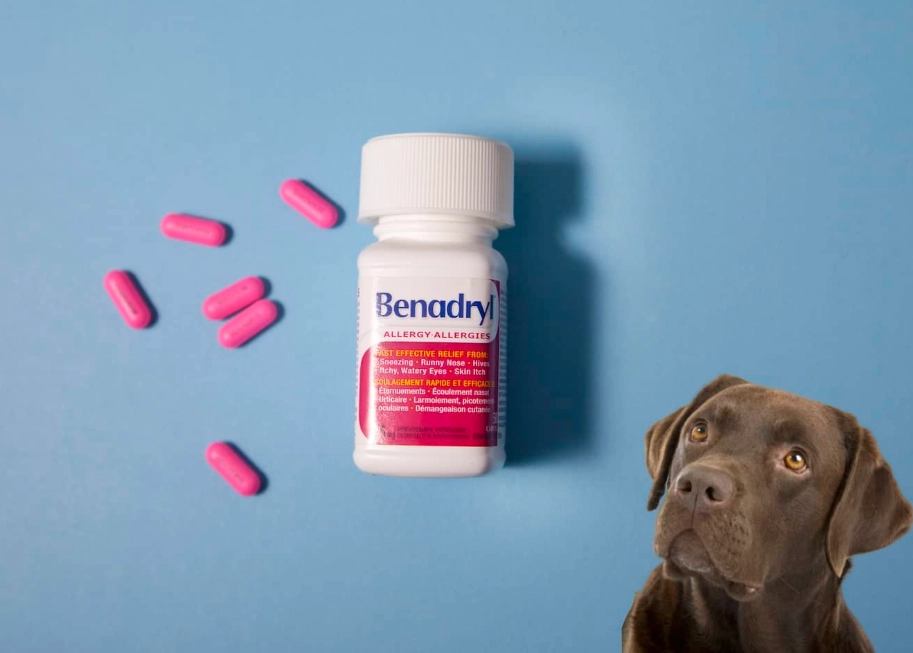
- Vet Call: Have you spoken to your vet about your dog's specific symptoms and gotten the green light for Benadryl? This is non-negotiable, especially for first-time use.
- Weight: Do you know your dog's exact current weight?
- Product: Does the package say "Diphenhydramine HCl" and only that in the active ingredients?
- Dose Calculated: Have you done the math (1 mg/lb) and matched it to your pill or liquid strength?
- Health Conditions: Does your dog have any pre-existing conditions like the ones listed above (glaucoma, etc.)?
- Other Meds: Is your dog on any other medications or supplements?
If you can't check all these boxes, pause and call your vet.
Risks, Side Effects & What to Watch For
Even at the correct dose, Benadryl can cause side effects. The most common is drowsiness—that's expected. Dry mouth and occasional urinary retention are also possible.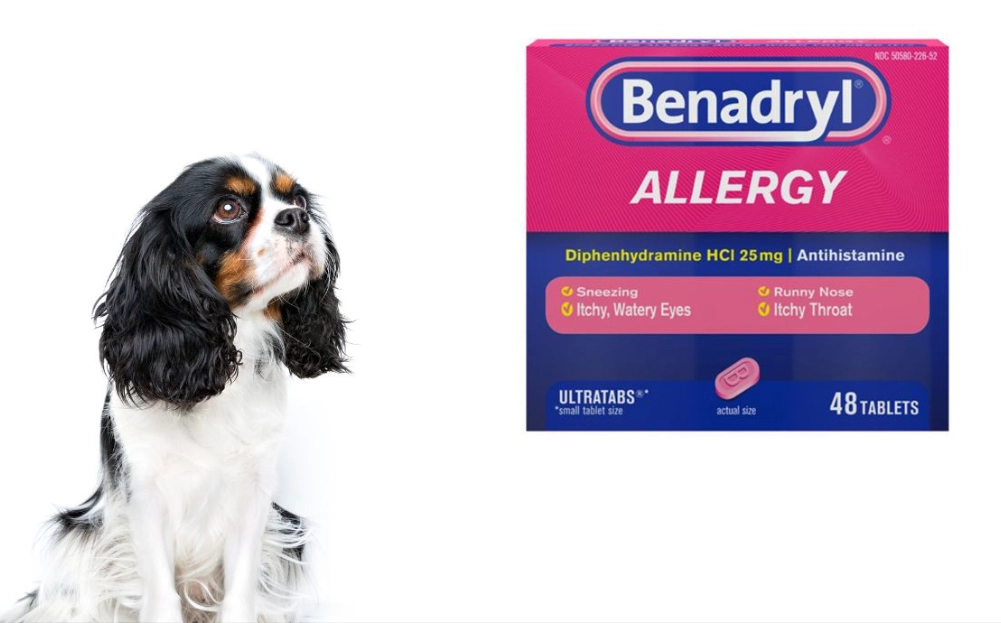
You need to be on the lookout for signs of an adverse reaction or overdose, which include:
- Extreme sedation or agitation/ hyperactivity (paradoxical reaction, more common in some breeds).
- Rapid heartbeat or breathing difficulties.
- Dilated pupils.
- Vomiting or diarrhea.
- Seizures (in severe overdose).
If you see any of these, stop the medication and contact your vet or an animal poison control center immediately. The ASPCA Animal Poison Control Center is a vital resource (888-426-4435), though note there may be a consultation fee.
Your Top Benadryl for Dogs Questions Answered
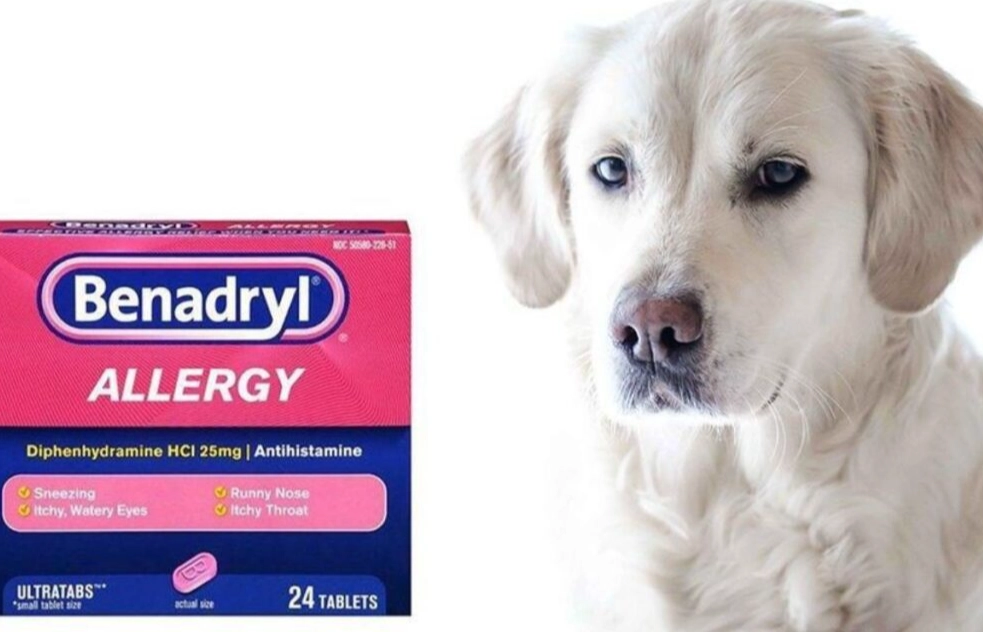 My dog ate a whole 25mg Benadryl pill that I dropped. What should I do right now?
Let's be clear: using Benadryl for your dog can be a safe and helpful part of managing allergies or anxiety when done correctly. The margin for error is small. The 1 mg per pound rule is your starting point, but it's not a substitute for professional veterinary advice. Your vet knows your dog's full health history. They can tell you if Benadryl is the right choice, confirm your calculated dose, and help you monitor for any issues. When in doubt—and there's no shame in doubting—pick up the phone. It's the simplest way to ensure your furry friend gets the relief they need, safely.
Related Articles