Can Dogs Eat Carrots? A Vet's Complete Feeding Guide
You're chopping carrots for a stew, and those puppy eyes are locked on you. That hopeful stare begs the question: can dogs eat carrots? The short answer is yes. But like most things in dog ownership, the devil's in the details. I've been through this with my own lab, Baxter, who thinks any vegetable hitting the floor is his personal treasure. Let's cut through the noise and talk about what really matters when feeding carrots to your dog.
What's Inside This Guide
Why Carrots Are More Than Just a Crunch
Most articles just say "carrots are good for dogs." Okay, but why? It's not just about the fiber. The real value is in the specific nutrients and how they work for your dog.
Beta-Carotene is the star. Your dog's body converts this into Vitamin A, which is crucial for vision, immune function, and skin health. According to the National Institutes of Health Office of Dietary Supplements, Vitamin A is a key player in cellular communication and growth. For dogs, that means a healthier coat and better night vision – though no, it won't give them superhero sight.
Dental benefits are real, but overhyped. The crunchy texture can help scrape plaque off teeth. But let's be honest, it's no substitute for brushing. Think of it as a mild abrasive action, not a deep clean. For a small dog, a baby carrot might help. For my 80-pound lab, it's a one-bite snack with minimal dental impact.
Low-calorie filler. This is the practical benefit I love. If your dog is on a diet (like Baxter was post-vet advice), carrots are a fantastic way to add volume to meals without packing on calories. They make the bowl look fuller, which keeps the dog happier during calorie restriction.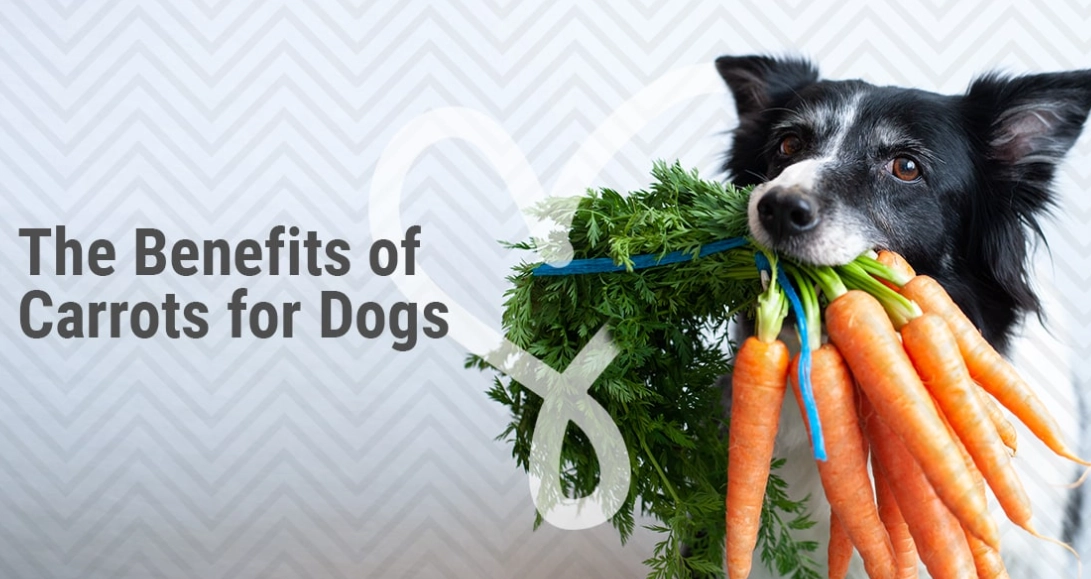
Here’s a quick look at what's in a typical medium carrot (about 61g):
| Nutrient | Approximate Amount | Benefit for Dogs |
|---|---|---|
| Calories | 25 kcal | Low-energy treat |
| Fiber | 1.7 g | Supports digestive health |
| Vitamin A (as Beta-Carotene) | 509 mcg RAE | Vision, immune system, skin/coat |
| Vitamin K1 | 8.1 mcg | Blood clotting, bone health |
| Potassium | 195 mg | Nerve function, muscle health |
How to Prepare Carrots Safely: Raw vs. Cooked
This is where I see owners make subtle mistakes. The preparation method changes everything.
Feeding Raw Carrots
Raw carrots offer the best crunch for dental health. But size matters a lot.
Choking Hazard: Never give a whole carrot to a small dog or a voracious eater. A round, hard carrot slice is the perfect size to get lodged. I once saw a frantic owner at the vet because their terrier tried to swallow a carrot coin whole. It ended okay, but it was scary.
For small dogs: Grate them or cut them into tiny, pea-sized pieces. For medium to large dogs: Cut carrot sticks lengthwise, not into rounds. Long, thin strips are safer and encourage chewing. For power chewers: A whole, large carrot can be a great, long-lasting chew toy. Supervise to ensure they don't break off huge chunks.
Feeding Cooked Carrots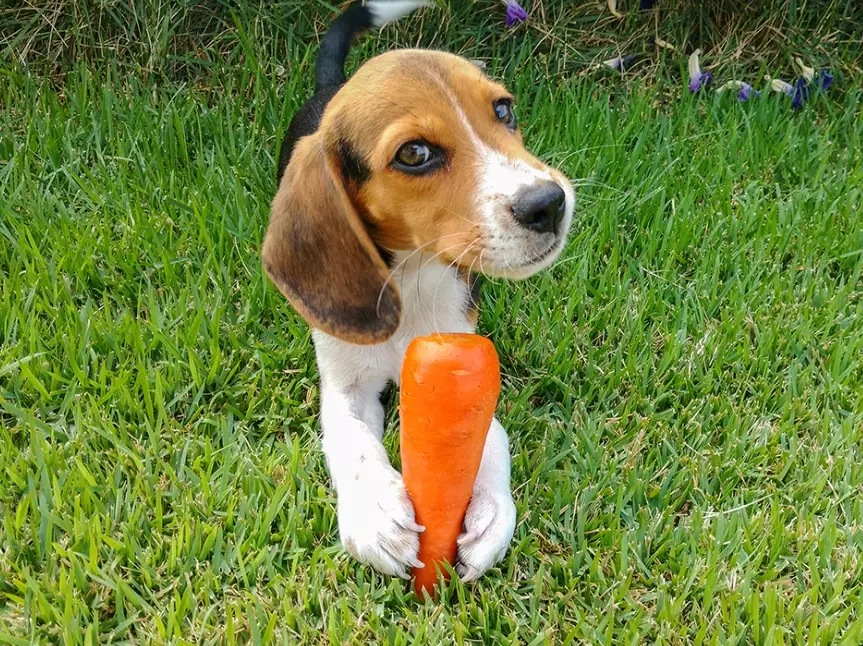
Cooking softens the carrot, making it easier to digest and releasing more beta-carotene. This is the better option for senior dogs or puppies with sensitive teeth.
Steam or boil them plain. No salt, no butter, no oils. Those additions can upset your dog's stomach or add unhealthy fats. Mash them up. Mix a spoonful of plain, mashed carrot into your dog's regular food. It's a great flavor enhancer for picky eaters. Let them cool completely. Don't make the mistake of serving a hot carrot that could burn your dog's mouth.
Pro Tip: If you buy baby carrots, give them a good rinse. They're often washed in a chlorine solution to preserve them. A quick rinse under cool water removes any residual solution. Organic is great, but a thorough wash of conventional ones is perfectly fine.
How Much Carrot Can Your Dog Actually Eat?
Portion control is the most overlooked part. Carrots are healthy, but they're not calorie-free and too much fiber too fast is a recipe for gas or loose stools. Trust me, you'll notice.
The 10% rule is your friend: treats and extras (like carrots) should make up no more than 10% of your dog's daily calories. The other 90% should be their complete and balanced dog food.
Small Dog (under 20 lbs): 1-2 baby carrots or 1-2 tablespoons of chopped carrot per day. Medium Dog (20-50 lbs): 2-3 baby carrots or 1/4 of a medium carrot. Large Dog (50+ lbs): Up to half a medium carrot or 3-4 baby carrots.
Start with a tiny amount. See how your dog's stomach handles it over the next 24 hours before making it a regular snack.
The Risks Nobody Talks About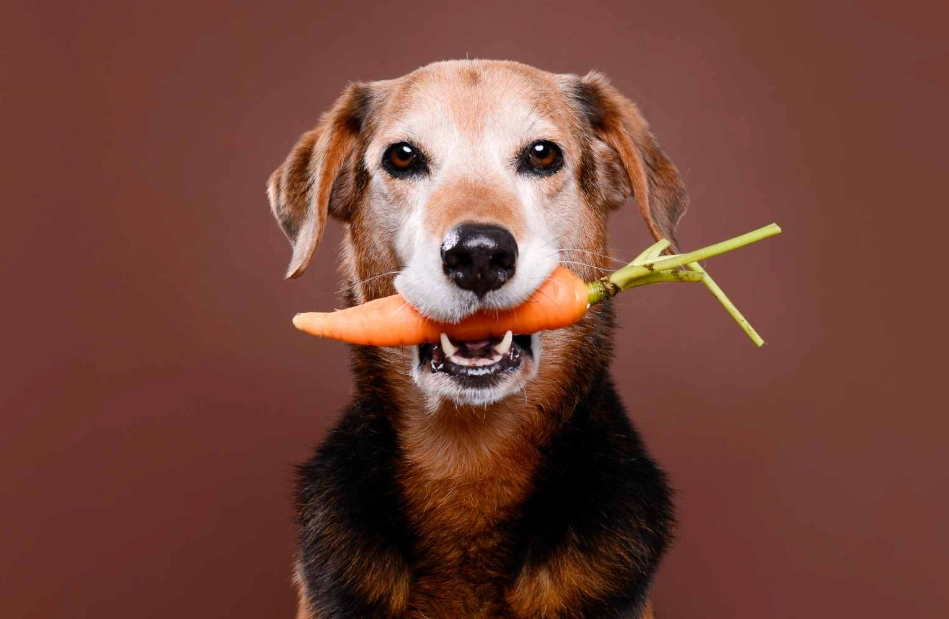
Beyond choking, there are a couple of quiet risks.
Vitamin A Toxicity is possible, but unlikely from carrots alone. You'd have to feed a ridiculous amount daily for months. The real risk comes from combining carrot treats with a diet already super high in Vitamin A (like some premium foods or supplements). It's more of a theoretical concern for most, but something to be aware of if you're a heavy supplement user.
The Sugar Content. Carrots have natural sugars. For a diabetic dog, this needs to be factored into their meal plan. Don't just hand them out freely. Consult your vet.
Digestive Upset. Introducing any new food, especially a fibrous one, can cause gas, bloating, or diarrhea. That's why the "start small" advice isn't just a suggestion—it's a necessity.
The biggest mistake I see? People treat carrots as a "free food" with no limits. They're not. They are a healthy supplement, not a staple.
Your Top Questions Answered
 So, back to the original scene. You can safely drop that carrot piece for your dog. Just make sure it's an appropriate size, it's plain, and it's not half your veggie haul. Used wisely, carrots are a fantastic, low-cost, nutritious addition to your dog's treat rotation. They're a tool in your toolkit, not a magic bullet. Now, if you'll excuse me, Baxter just heard the vegetable drawer open.
Related Articles