Basset Hound Owner's Guide: Care, Health & Temperament Facts
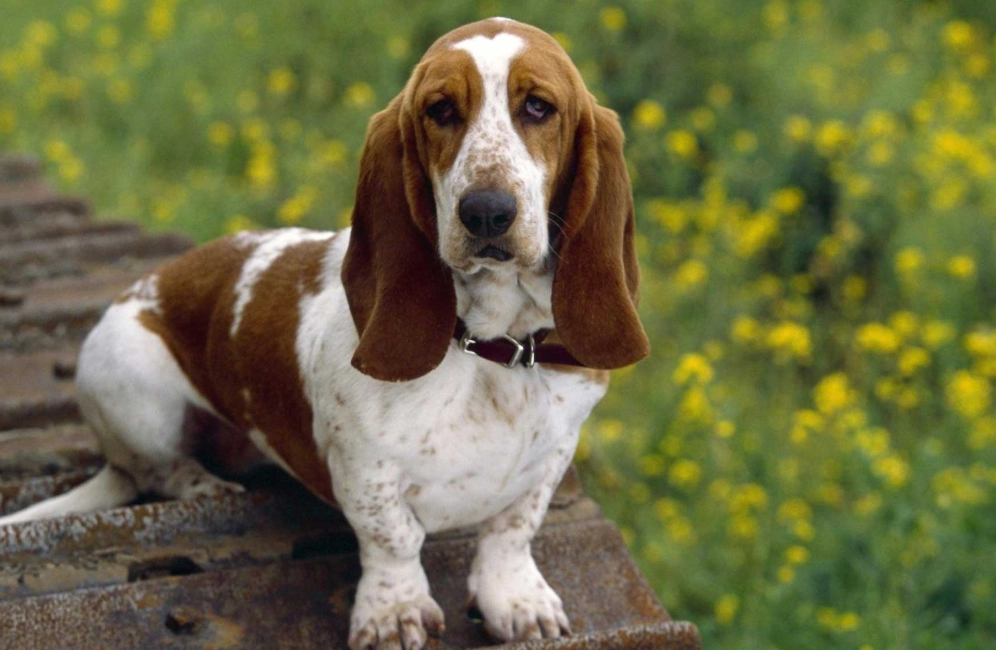
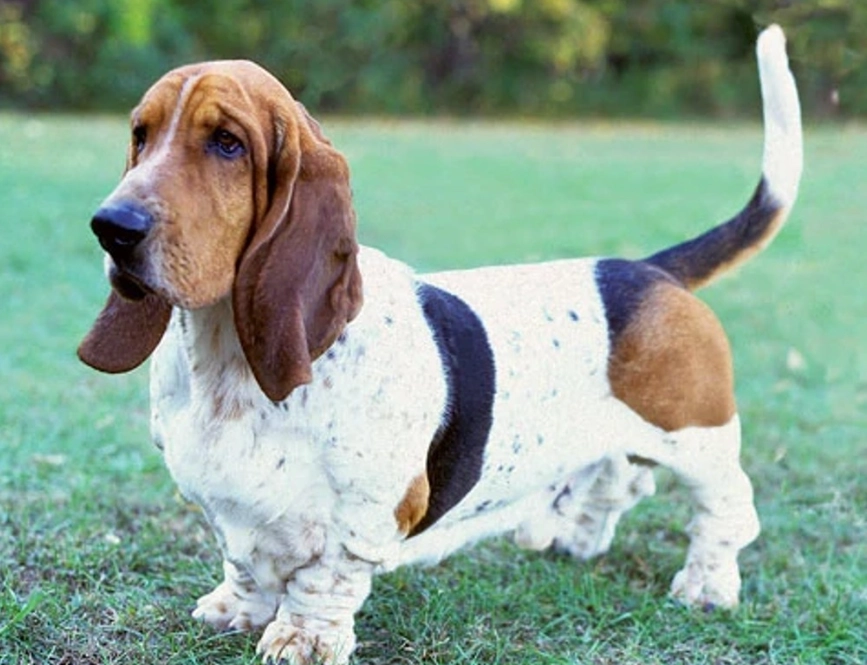
Let's be honest, you're probably here because you saw those soulful eyes, those long, velvety ears, and that comically low-to-the-ground body. The Basset Hound has a face that launches a thousand Instagram posts. I get it. I fell for it too, over a decade ago when I brought my first Basset, Barnaby, home. What I wasn't fully prepared for was the reality behind the adorable facade—the stubborn streak wider than their chest, the symphony of snores, and the specific, sometimes costly, health needs that come with that iconic build. This isn't just another breed overview. This is a guide from someone who's mopped up drool, navigated ear infections, and learned to appreciate the unique, hilarious, and occasionally frustrating world of living with a Basset Hound.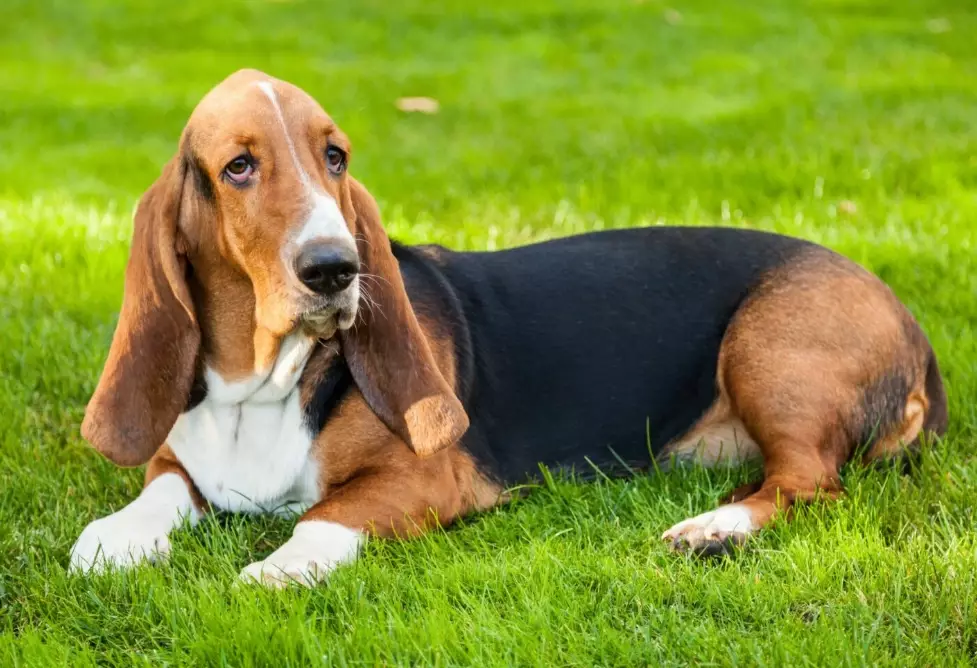
What's Inside This Guide?
The Basset Hound Blueprint: Temperament & Personality
Forget the lazy stereotype. A Basset isn't lazy; they're economical. Bred in France to trail small game like rabbits and hare at a slow, steady pace a hunter could follow on foot, they conserve energy for the job. That translates to a home life of impressive couch potato skills, punctuated by bursts of determined sniffing.
Their temperament is a fascinating mix. They are profoundly affectionate and gentle with families, including children. Barnaby would let toddlers use him as a pillow. But they are also famously stubborn. The American Kennel Club (AKC) breed standard describes them as "mild but not timid; very affectionate with its master and friendly with children." That "mild" part is key—they won't be aggressively disobedient, but they might just choose not to hear you if they're on an interesting scent. Positive reinforcement with high-value treats is your only real leverage.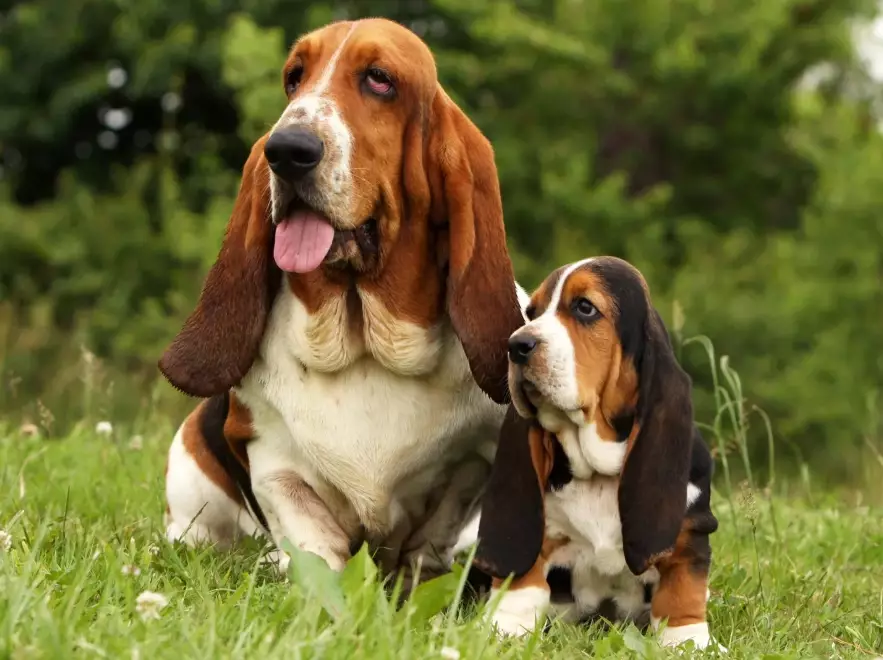
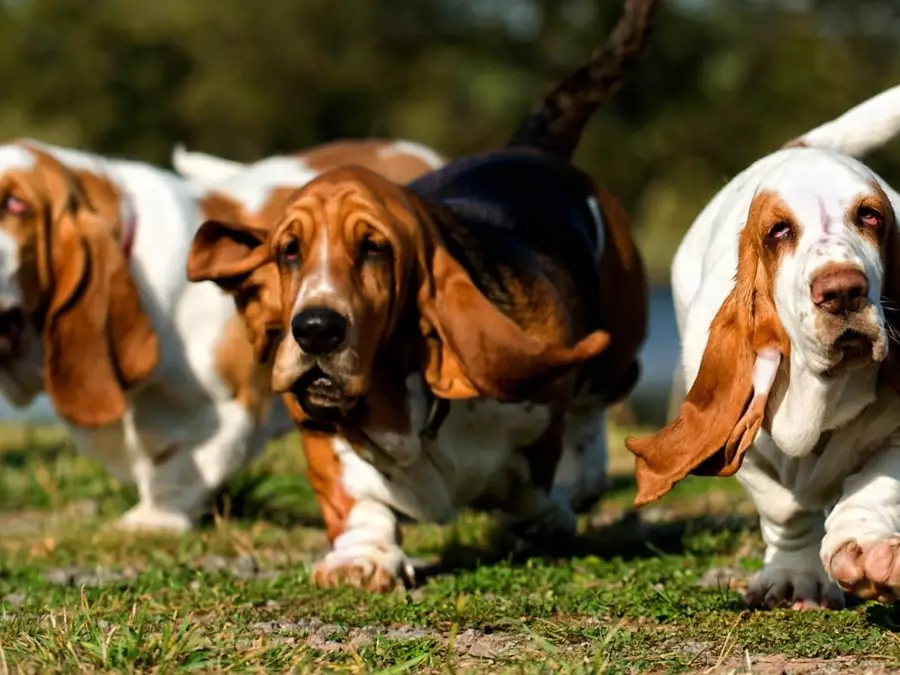
One underrated trait? Their voice. That deep, mournful bay is charming in a field, less so at 3 AM because a leaf blew across the yard. They are pack dogs and can develop separation anxiety if left alone too much, expressing it through howling or destructive chewing.
Caring for Your Basset Hound: A Practical Guide
Caring for a Basset is less about intense activity and more about meticulous maintenance. Here’s where you need to focus your energy.
Grooming: It's More Than Just a Brush
The short coat is deceptively easy, but the wrinkles and ears are high-maintenance zones.
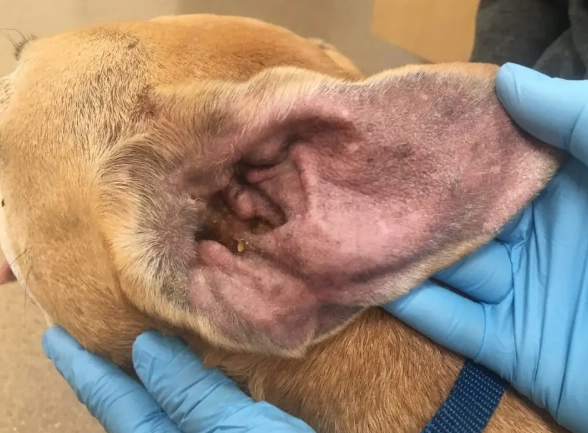
- Ears: Those magnificent ears trap moisture, dirt, and wax, creating a perfect environment for yeast and bacterial infections. You must clean them at least once a week with a vet-approved ear cleaner. Lift the ear, fill the canal, massage the base, and let them shake out the gunk before wiping the outer folds clean. I learned the hard way with Barnaby; skipping a week led to a smelly, itchy infection and a costly vet visit.
- Skin Folds: Wrinkles on the face, especially around the eyes and muzzle, need regular wiping with a damp cloth and thorough drying to prevent fold dermatitis.
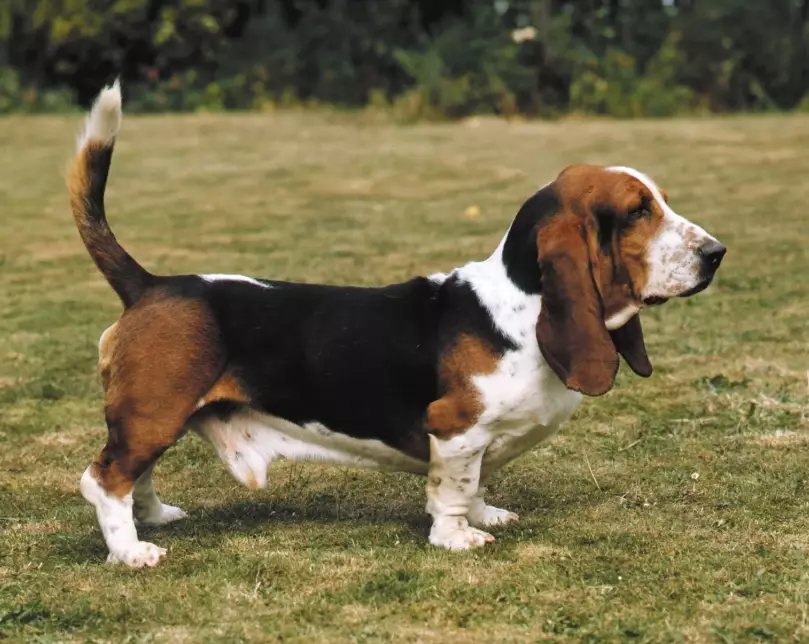
- Nails & Paws: Their low weight distribution means long nails can affect their gait and posture. Trim regularly. Also, check paw pads for cracks.
Exercise & Training: Low Impact, High Consistency
Don't expect a jogging partner. Two 20-30 minute leash walks a day are usually sufficient, but always on a leash or in a secure area. Their nose overrules their brain. If they catch a scent, recall is nearly impossible.
Training requires patience. They respond poorly to harshness. Keep sessions short, fun, and treat-heavy. Socialization from puppyhood is non-negotiable to prevent timidity.
Pro Tip: Invest in a harness, not a collar, for walks. Their powerful neck and tendency to pull (when they actually decide to move) can put dangerous pressure on their trachea with a standard collar. A front-clip harness gives you better control.
Diet & Nutrition: Fighting the Flab
Bassets are gluttons. They will eat anything, anytime, and are masters of the pathetic, hungry look. Obesity is a massive problem that exacerbates every other health issue they're prone to—joint pain, back problems, heart strain.
- Measure their food meticulously. Don't free-feed.
- Account for treats in their daily calorie count.
- Use slow-feed bowls to prevent bloat, another serious risk.
- Consult your vet for the best diet; some do better on joint-support formulas.
Basset Hound Health: What You Must Know
This is the most critical section. Their adorable anatomy comes with inherent risks. Reputable breeders screen for these conditions, and you must ask for proof (OFA, PennHIP certifications).
| Health Condition | What It Is | Prevention & Management |
|---|---|---|
| Intervertebral Disc Disease (IVDD) | Spinal disc herniation causing pain, nerve damage, or paralysis. Their long back and short legs are a risk factor. | Keep them at a lean weight. Prevent jumping on/off furniture (use ramps). Know the signs: crying out, reluctance to move, wobbly gait. |
| Hip & Elbow Dysplasia | Malformation of the joints leading to arthritis and pain. | Buy from breeders with OFA-certified parents. Maintain healthy weight. Provide joint supplements (glucosamine/chondroitin) as advised by your vet. |
| Gastric Dilatation-Volvulus (Bloat) | Life-threatening stomach twisting. Deep-chested breeds are at risk. | Feed 2-3 small meals a day, not one large one. Use a slow-feed bowl. Avoid vigorous exercise right before and after eating. |
| Chronic Ear Infections (Otitis) | Bacterial or yeast infections in the long, floppy ear canal. | Rigorous weekly cleaning. Keep ears dry after baths/swims. See a vet at the first sign of odor, redness, or head shaking. |
| Eyelid Issues (Entropion, Ectropion) | Eyelids rolling inward (entropion) or sagging outward (ectropion), causing irritation. | Regular eye cleaning. Surgical correction is often necessary for entropion to prevent corneal damage. |
Pet insurance is not a luxury for a Basset Hound; it's a financial planning tool. A single back surgery for IVDD can cost $5,000-$10,000. Start a policy when they're a healthy puppy.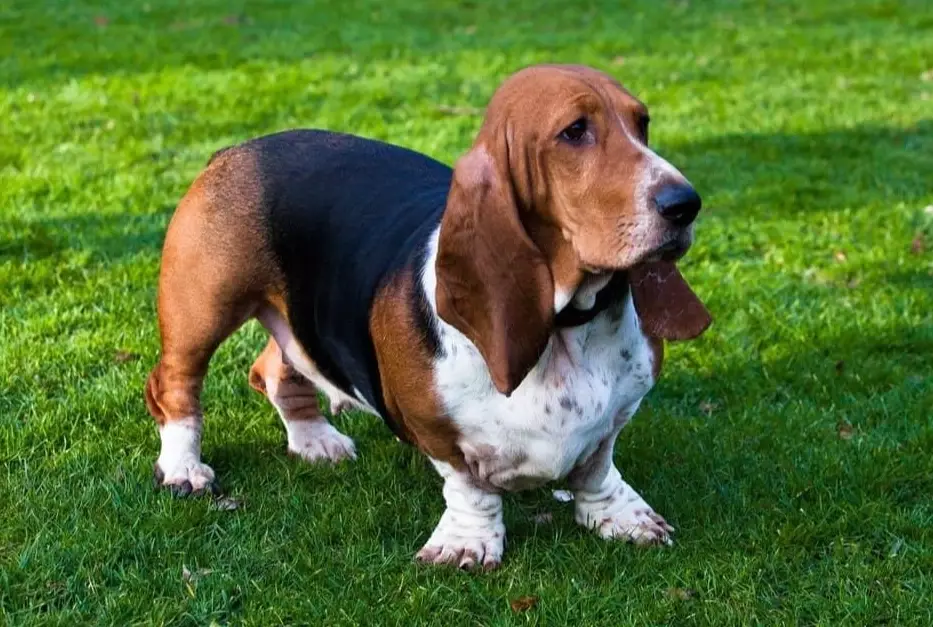
Is a Basset Hound the Right Dog for You?
Let's be blunt. A Basset is NOT for everyone.
Choose a Basset Hound if you: want a laid-back, affectionate family companion; have a sense of humor about stubbornness; are committed to a strict grooming/health maintenance routine; live in a house with easy outdoor access (stairs are hard on them); and have a budget for potential health issues.
Think twice if you: desire an obedient, off-leash hiking buddy; are fastidious about drool and dog hair (they shed!); are away from home for long hours; live in a walk-up apartment with many flights of stairs; or need a low-maintenance dog.
Your Basset Hound Questions Answered
 What's the biggest mistake new Basset Hound owners make?
 Living with a Basset Hound is a unique commitment. It's messy, sometimes expensive, and requires a good deal of patience. But for the right person, the回报 is immense: a loyal, funny, deeply affectionate companion whose mere presence can lower your blood pressure. Just keep the ear cleaner and the vacuum handy.
Related Articles