Black Cats: Myths, Facts, and Why They Make Great Pets
Let's cut right to the chase. Black cats aren't harbingers of bad luck, and they don't deserve the silly stigma that follows them. If you're here, you're probably curious, maybe considering adopting one, or just tired of the old wives' tales. Good. I've lived with black cats for over a decade, volunteered at shelters, and seen firsthand how these sleek, panther-like companions get overlooked. This isn't just a feel-good piece; it's a practical guide that dives into the history, science, personality, and real-world care of black cats. We'll bust myths, talk about their unique challenges (like why they're terrible at taking selfies), and show you exactly why a black cat might be the perfect pet for you.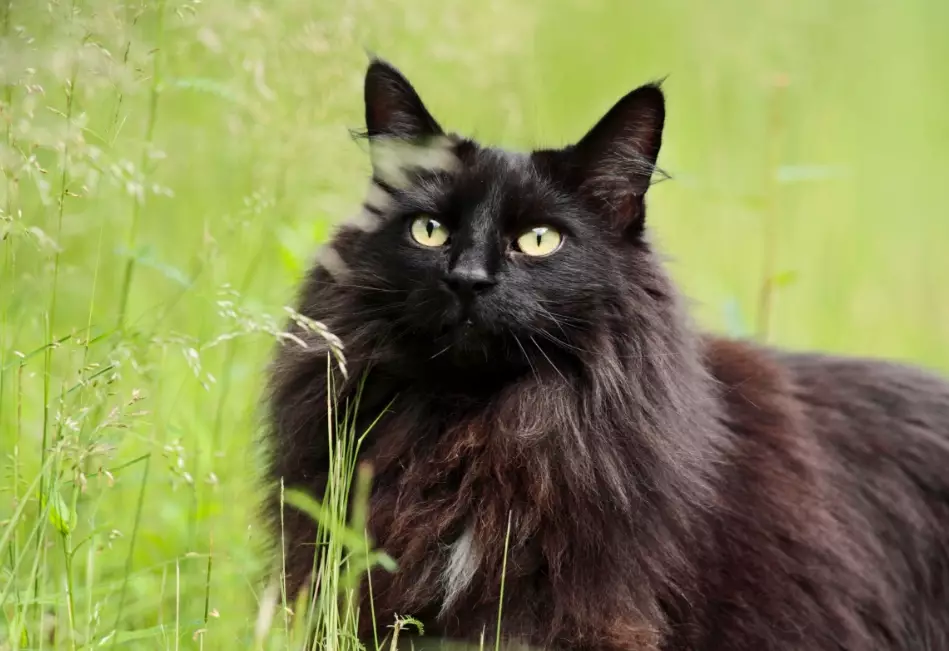
What's Inside This Guide
Where the Black Cat Superstition Really Started
It wasn't always bad luck. In ancient Egypt, all cats were sacred, but black ones were particularly linked to Bastet, the goddess of home, fertility, and protection. Killing one was a capital offense. Fast forward to medieval Europe, and the narrative flipped. The rise of Christianity demonized pagan symbols. Cats, especially nocturnal black ones, became associated with witches and dark magic. A papal decree in the 13th century essentially declared open season on them. This association stuck. The Pilgrims brought these fears to America, cementing the black cat as a Halloween icon and a symbol of misfortune.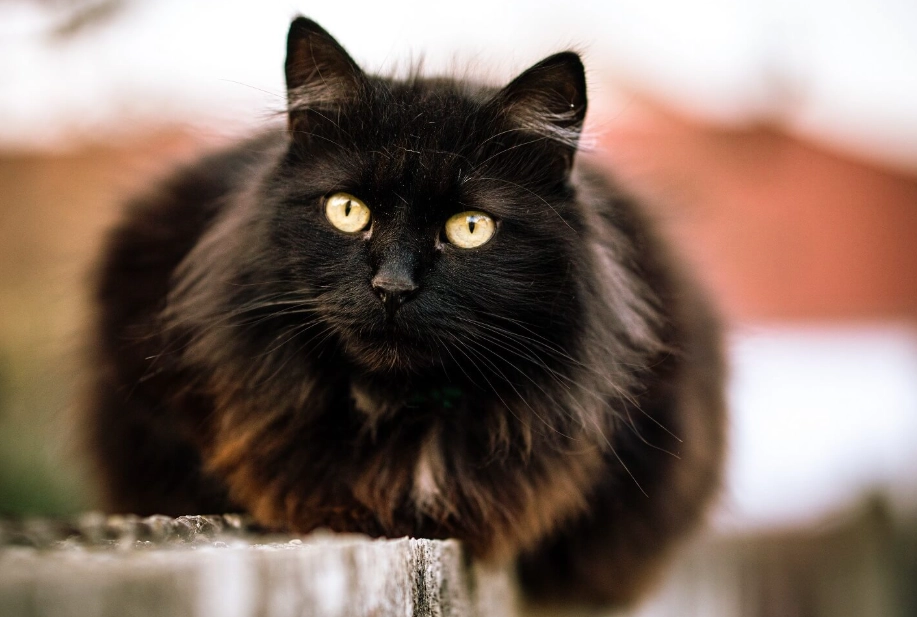
The irony is brutal. By persecuting cats, Europeans likely worsened the spread of the Black Death, which was carried by rats. The real bad luck was their own superstition.
A Modern Twist: In many parts of the world, black cats are considered good luck. In Japan, single women who own black cats are believed to attract more suitors. Scottish folklore says a strange black cat on your porch brings prosperity. In the English Midlands, a black cat is the ideal wedding gift. The "bad luck" narrative is largely a Western, post-medieval invention.
The Real Personality of a Black Cat
Forget the stereotype of the aloof, mysterious shadow. Coat color has zero proven genetic link to personality in cats. A cat's temperament is shaped by breed (if any), early socialization, and individual experience. My first black cat, Binx, was a talkative, dog-like shadow who played fetch. My current one, Luna, is a dignified, independent lady who tolerates affection on her terms.
That said, many shelter workers and owners report common observations about black cats, which likely stem from their life experiences, not their genes:
- Resilient and Adaptable: Having faced more rejection, they often seem more grateful and quick to settle into a loving home.
- Playful and Energetic: Perhaps to get your attention, many are incredibly playful well into adulthood.
- Excellent Communicators: They may use more vocalizations or deliberate physical touch (like head-butting) to connect.
The bottom line? You can find a lazy lap cat, a mischievous climber, or a shy observer in any color. Go meet some and let the individual choose you.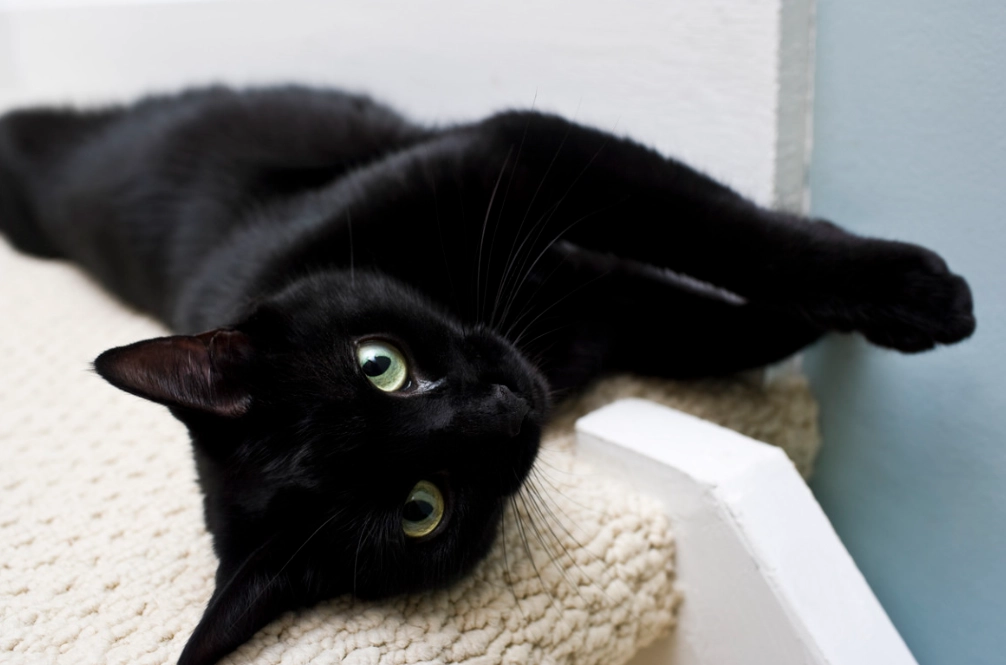
How to Care for a Black Cat: A Practical Guide
Caring for a black cat isn't fundamentally different, but a few areas need special attention. Not because they're fragile, but because their stunning aesthetics come with practical quirks.
Grooming and Shedding: The Invisible Fur Problem
Black fur on a dark sofa is invisible. On your beige work pants, it's a statement. They shed just like any cat, but you only see it on light surfaces. A consistent grooming routine is your best friend.
- Brush Weekly: Use a rubber grooming brush or a fine-toothed comb. This pulls out the undercoat before it ends up on your furniture.
- The Lint Roller Investment: Buy them in bulk. Keep one by the door.
- Bathing? Rarely needed unless they get into something. Their fur often has a beautiful, healthy sheen naturally.
The Photography Challenge (And How to Beat It)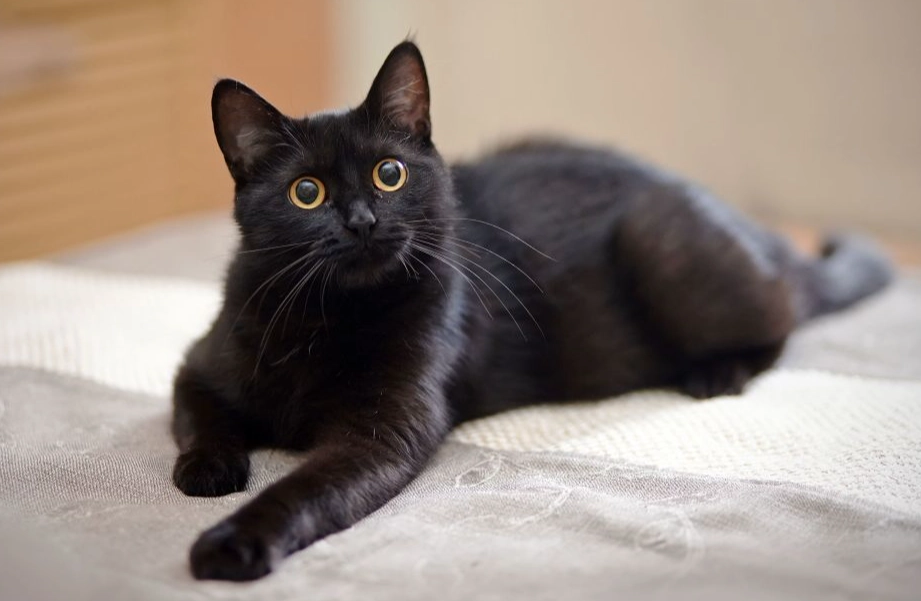
This is the unspoken struggle. Black cats often look like fuzzy black blobs in photos. Their features get lost. After years of failed pictures, here's what actually works:
| Scenario | The Problem | The Solution |
|---|---|---|
| Indoor, Low Light | The camera sensor struggles, creating noise and loss of detail. Eyes may glow eerily. | Use natural side light from a window. Avoid direct flash. Tap to focus on their eyes on your phone. Use "Portrait" mode to create separation from the background. |
| Outdoor, Bright Sun | Harsh shadows, overexposed highlights around them, making the cat look like a dark hole. | Shoot in open shade (under a tree, beside a building). The soft, even light will reveal the rich browns, russets, and textures in their black coat. |
| Capturing Personality | Static poses are boring and don't show their spirit. | Use burst mode during play. The mid-action shots where their eyes are wide and body is stretched show their true character. A toy held just above the camera works wonders. |
Health Considerations: Is There a Link?
You might have heard black cats have better immune systems. Some studies, like one referenced by the Veterinary Partner network, suggest the genetic mutations for black fur (melanism) may be linked to disease resistance. However, this is complex and not a guarantee. The real health issue is visibility-related: a black cat is harder to see at dusk or night, increasing outdoor risks. The best health plan is the standard one: regular vet checkups, a quality diet, and keeping them indoors.
The Hard Truth About Adopting a Black Cat
This is the part that gets me. "Black Cat Syndrome" is real. Studies and shelter data consistently show that black (and black-and-white) cats have lower adoption rates and longer stays. The ASPCA and other organizations have highlighted this challenge. It's not just superstition; it's a perfect storm of: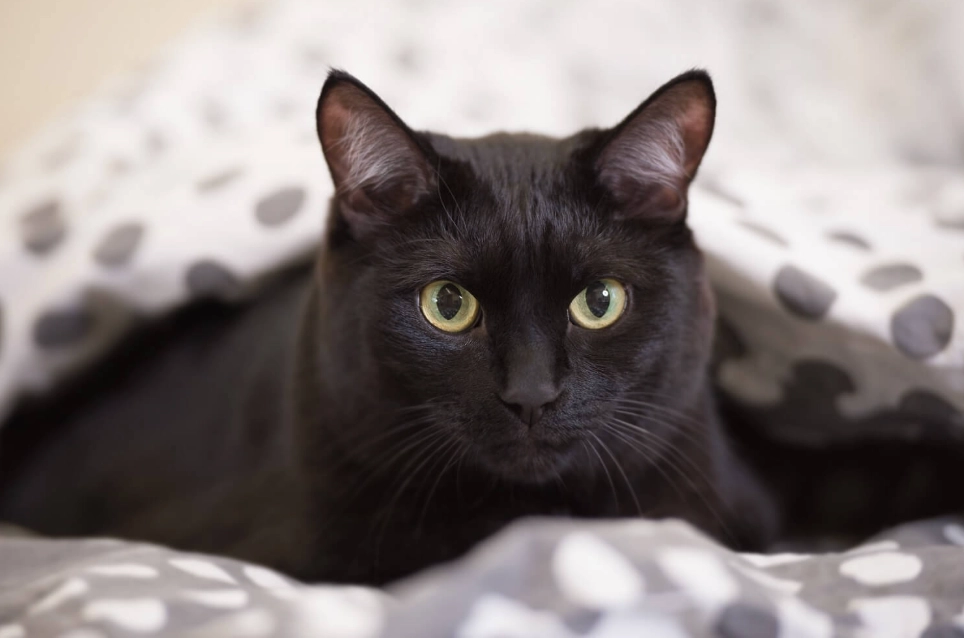
- Poor Shelter Photography: In small, dimly lit kennels, they don't photograph well, so they get passed over online.
- Lack of Distinguishing Features: People are drawn to unique markings. A sleek black coat can be seen as "plain" in a quick glance.
- Subconscious Bias: Lingering cultural stereotypes play a role, even for people who don't consciously believe them.
What this means for you: adopting a black cat is one of the most impactful choices you can make. You're literally saving a life that others ignore. Visit your local shelter in person. Sit in the cat room. The ones who climb into your lap or chirp at you through the bars are often the black ones, begging for a chance.
Your Black Cat Questions, Answered
I want to adopt a black cat, but I'm worried they'll be too hard to see and I might trip over them at night.
That's a valid safety concern for both of you. The fix is simple: establish routines. When you get up at night, shuffle your feet or tap the wall lightly. They'll learn the sound and move. Also, consider a small, soft LED collar for nighttime visibility indoors (ensure it's a breakaway style for safety). Placing night lights in hallways and near their favorite sleeping spots helps immensely.
Are black cats more aggressive or less friendly than other cats?
Absolutely not. This is a persistent myth with no basis in animal behavior science. Aggression is linked to fear, past trauma, or lack of socialization, not coat color. In fact, many shelter workers will tell you black cats are often the most affectionate and attention-seeking, precisely because they've been overlooked and are eager for love. Judge each cat as an individual.
 Is it true that some shelters won't adopt out black cats in October?
Many responsible shelters have policies like this, and it's a good thing. They may suspend or heavily screen black cat adoptions around Halloween. The fear is that they could be used as disposable "props" for parties or, in extreme cases, targeted for cruelty. This isn't paranoia; it's a precaution born from unfortunate historical incidents. It means the shelter is prioritizing the cat's long-term safety over a quick adoption. If you're serious about adopting, plan your visit for another time.
Do black cats really have a harder time getting adopted? What can I do to help if I can't adopt?
Yes, the statistics are clear. If you can't adopt, you can still make a huge difference. Volunteer at a shelter and offer to be a "cat socializer" specifically for the black cats, giving them human interaction. Share well-taken photos and compelling stories of adoptable black cats on your social media. Donate to shelters that run special "black cat" promotion campaigns. Advocacy and changing the narrative one conversation at a time is powerful.
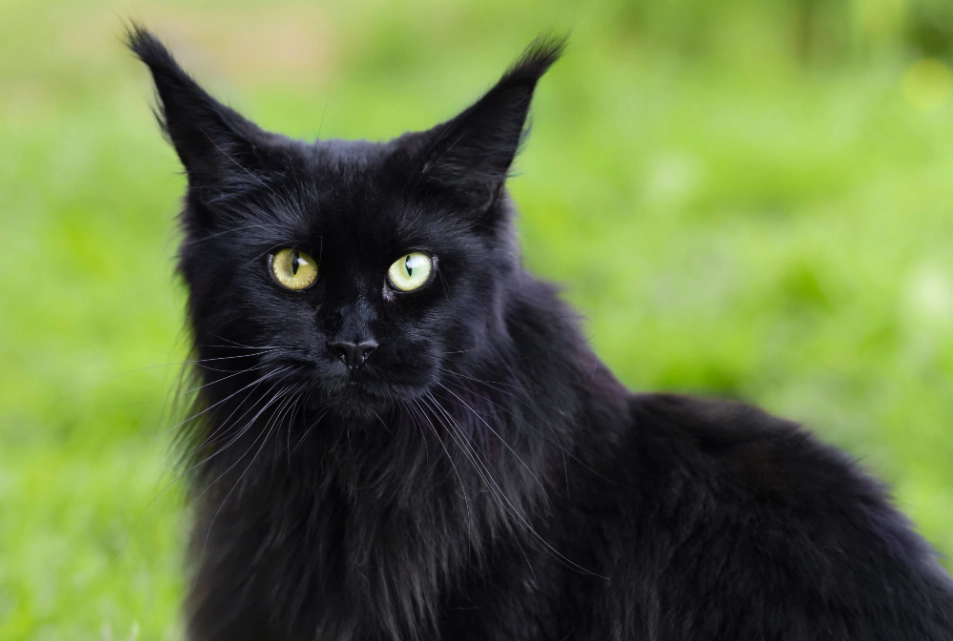
Owning a black cat is a quiet rebellion against nonsense. It's choosing to see beauty in the depths of a sleek, shadowy coat and intelligence in those luminous green or gold eyes. It's about getting a pet whose love isn't contingent on being photogenic or trendy. They're just cats—wonderful, individual, sometimes annoying, often hilarious cats who, by a twist of history, need us to see past a color. And when you do, you'll find a companion like no other.
Related Articles