Lhasa Apso Dog Breed: Ultimate Owner's Guide & Care Tips
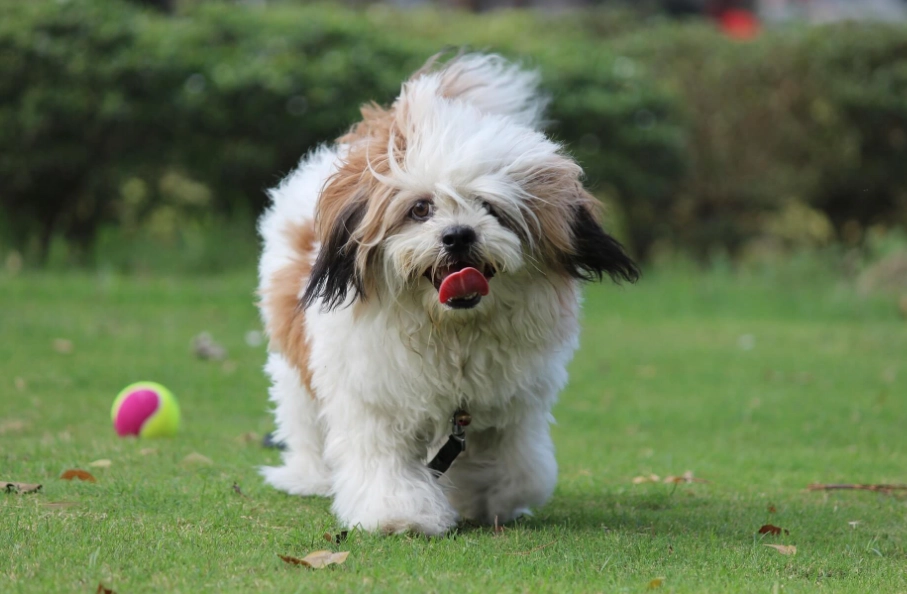
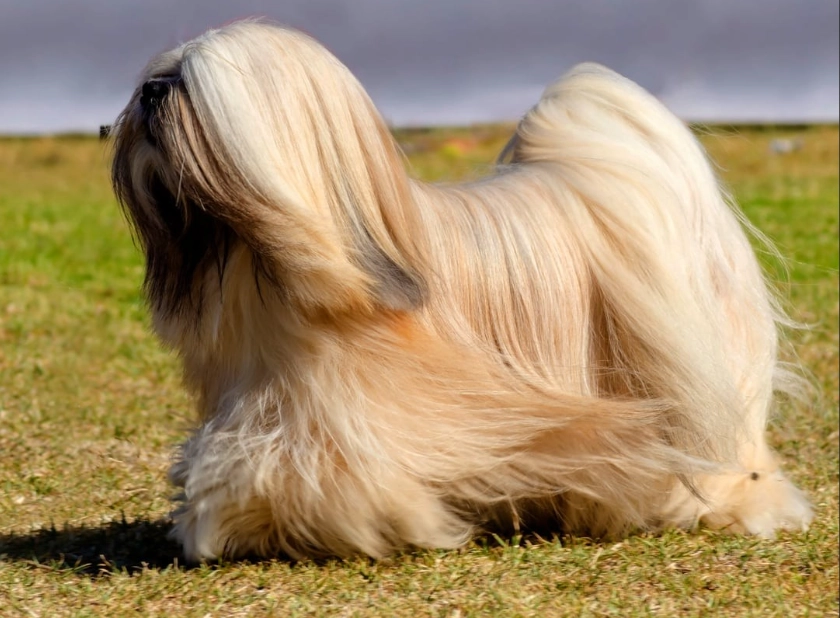
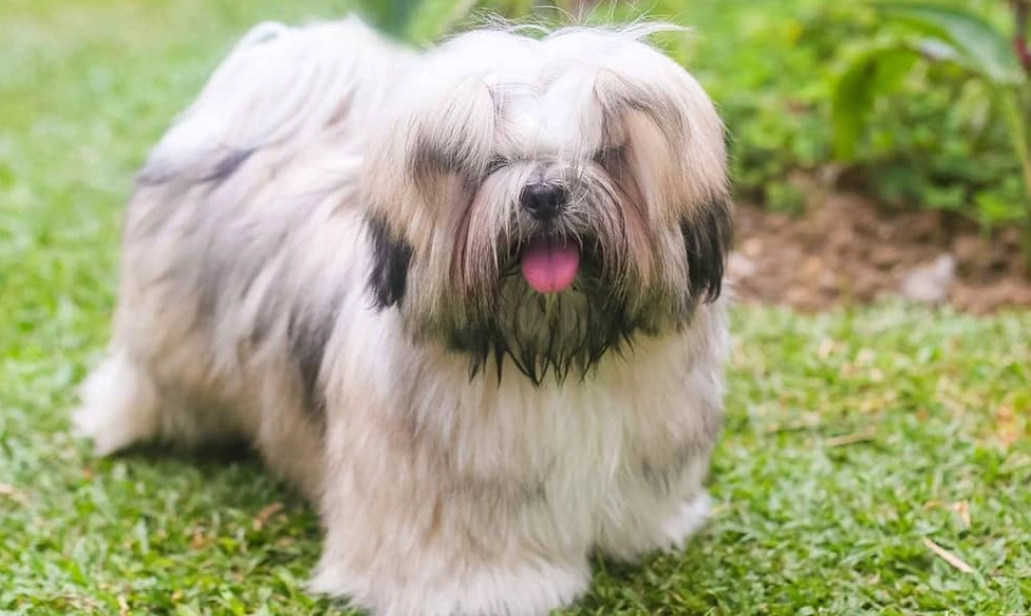
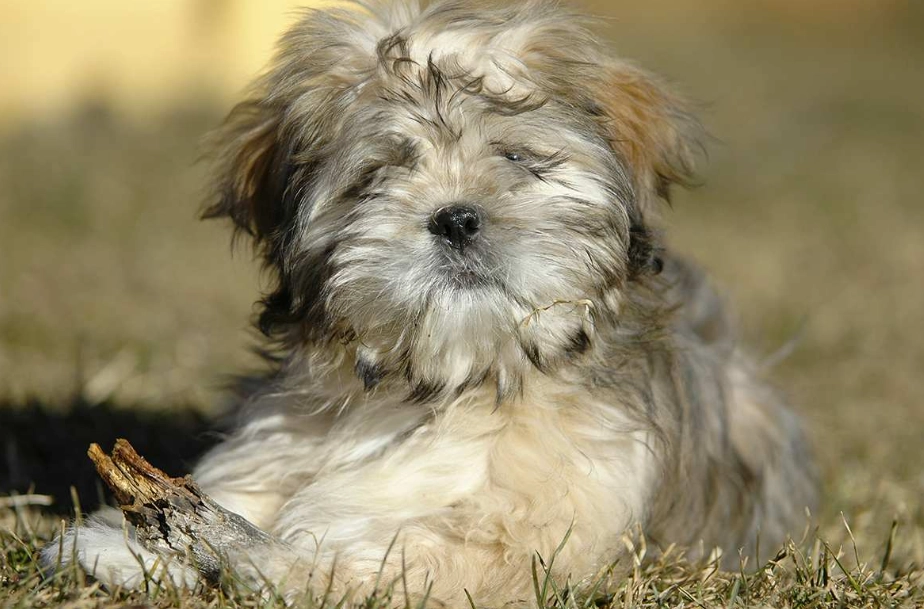
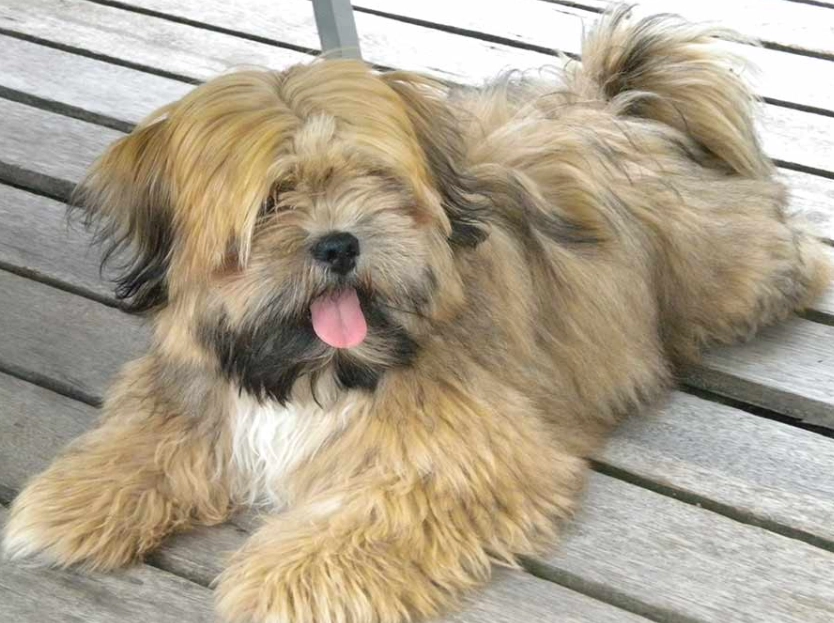
You see a Lhasa Apso, and the first thing that hits you is the hair. A glorious, floor-sweeping coat that makes them look like a living, breathing mop with soulful eyes. But behind that dramatic exterior lies a dog with a history as rich and complex as the Himalayan monasteries they once guarded. I've lived with my Lhasa, Momo, for over a decade, and let me tell you, the internet's basic description of "stubborn and cute" barely scratches the surface. Owning a Lhasa Apso is less about having a pet and more about forging a pact with a tiny, fiercely independent, and surprisingly witty roommate who judges your life choices from a velvet pillow. This isn't a breed created for looks in a modern kennel. The Lhasa Apso is ancient, with DNA studies suggesting origins over a thousand years ago in Tibet. They weren't lapdogs for royalty; they were sentinel dogs in Buddhist monasteries like the Potala Palace. Their job? To listen for intruders and bark a loud alarm. That dense, long coat wasn't for fashion shows—it was insulation against the brutal Himalayan cold. The American Kennel Club (AKC) classifies them in the Non-Sporting group, but that label feels inadequate. They're more like a living artifact. A quick snapshot: Weighing 12-18 pounds, standing about 10-11 inches tall. That "small dog" frame is deceptive. They are solid, sturdy, and built to last. Their most famous feature, the long, straight coat, can be any color—golden, slate, honey, or multi-colored. But many owners opt for a practical "puppy cut" to manage the maintenance, which completely changes their look but not their personality. If you want a dog that's constantly eager to please and lives for your approval, look elsewhere. The Lhasa Apso temperament is a fascinating cocktail of traits that can be deeply rewarding and occasionally frustrating. Loyal, but on their terms. They form a powerful, profound bond with their family. My Lhasa, Momo, follows me from room to room, a silent, fluffy shadow. But he's not clinging out of neediness; he's monitoring. He chooses when to cuddle, usually when he decides it's time. Watchful and Alert. That ancient guard dog instinct is strong. A leaf blows past the window? Bark. The mailman approaches? Bark. A suspicious silence? Probably worth a bark. They are excellent watchdogs, but this can tip into nuisance barking if not channeled correctly. Confident and Independent. This is the big one, and where most generic descriptions fail. They aren't "stubborn" in a dumb, defiant way. They are problem-solvers with their own agenda. You ask them to come, and they'll consider whether your request aligns with their current interests. It's not disobedience; it's deliberation. Playful and surprisingly funny. With their family, they have a great sense of humor. They'll initiate games, play with toys in silly ways, and exhibit a mischievous glint in their eye. They're not typically "dog park" dogs, but they enjoy structured play with those they trust. They can do well with respectful, older children who understand not to pull their coat or treat them like a toy. Toddlers and Lhasas are often a bad mix—the dog may see erratic little humans as annoyances to be avoided or corrected. With other pets, early socialization is critical. They can coexist with cats and other dogs, but they often prefer to be the top dog in the household hierarchy. This is the non-negotiable part of Lhasa Apso ownership. That beautiful coat is a high-maintenance fabric. Think of it like owning a luxury car that needs weekly detailing. The Daily/Every-Other-Day Brush-Out: To prevent mats and tangles, which form painfully close to the skin, you must brush to the skin, not just the top layer. A slicker brush and a metal comb are your best friends. Skipping a few days can mean hours of detangling or needing to shave mats out. Professional Grooming Every 4-6 Weeks: Even if you keep the coat long, the areas around the eyes, paws, and sanitary regions need regular trimming. Most owners opt for a shorter trim (like the puppy cut or teddy bear cut) to reduce daily brushing time to a more manageable 10-15 minutes, 3 times a week. The Bath Routine: Every 2-4 weeks. You need a good canine shampoo and conditioner. The drying process is an event—a high-velocity dryer is almost essential to prevent mildew in the dense undercoat. The cost? Professional grooms can run $60-$120+ per session depending on your location and the coat's condition. It adds up. This is the single biggest practical consideration for potential owners. Forget force-based training. It won't work. You need to be smarter, more patient, and more interesting than they are. Their intelligence is their defining training characteristic. Use What They Love. Find a high-value treat they go crazy for—maybe it's tiny bits of cheese, chicken, or a special commercial treat. This is your currency. Regular kibble won't cut it for important lessons. Keep Sessions Short & Fun. Five minutes of engaged training is better than twenty minutes of frustration. End on a positive note. Socialization is NOT Optional. This is the most critical period (8-16 weeks). Expose them gently to different people, surfaces, sounds, and other vaccinated dogs. A poorly socialized Lhasa can become fearful or overly suspicious, amplifying their guarding instincts into reactivity. The Recall Challenge. This is the hardest command. In a safe, fenced area, practice with a long leash and amazing rewards. Never call them for something they perceive as negative (like a bath or nail trim) if you can avoid it. I have a separate, silly word for "come here for unpleasant things." Address Barking Early. Teach a "quiet" command. Reward moments of silence. Manage their environment—if they bark at the window, use static-cling window film or move their favorite perch. They bark to alert you; once you've acknowledged the alert ("Thank you, I see the squirrel"), ask for quiet. They are generally a hardy breed with a lifespan of 12-15 years, often longer. But they have some breed-specific concerns to watch for. Choosing a Breeder vs. Rescue: If going to a breeder, find one who does full health testing (not just a vet check), raises puppies in the home, and is deeply knowledgeable about the breed's temperament. The American Kennel Club breeder referral is a start, but vet them thoroughly. Rescue is a wonderful option; adult dogs often have known personalities and may already have some training. Breed-specific rescues exist. Ask yourself these questions honestly: If you answered yes, you might be ready for the unique challenge and immense reward of life with a Lhasa Apso.
Your Quick Guide to This Lhasa Apso Deep Dive
What Exactly is a Lhasa Apso?

The Lhasa Apso Temperament: More Than Just a Cute Face
Core Personality Traits
How They Fit With Families & Other Pets
The Grooming Commitment: More Than Just Brushing

Grooming Task
Frequency
Time Commitment
Pro Tip
Full Body Brush-Out
Every 2-3 days (long coat)
2-3 times a week (short cut)20-45 min (long)
10-15 min (short)Use a detangling spray. Work in small sections from the tips to the skin.
Eye Cleaning
Daily
2 minutes
Use a vet-recommended tear stain remover and a soft cloth. Keep hair tied up from eyes.
Ear Checking & Cleaning
Weekly
5 minutes
Flap those hairy ears up! Moisture gets trapped easily. Use a vet-approved ear cleaner.
Nail Trimming
Every 2-3 weeks
10 minutes
Get them used to it as a puppy. Black nails make it tricky—trim small amounts frequently.
Professional Grooming Visit
Every 4-6 weeks
2-3 hours (at salon)
Book your next appointment before you leave. Good groomers for double-coated breeds book up fast.
Training a Lhasa Apso: Mind Games Required
Lhasa Apso Health & Lifelong Care
Is a Lhasa Apso Right for You? The Honest Checklist
Your Lhasa Apso Questions Answered