The Complete Sphynx Cat Care Guide: Facts, Health & Grooming
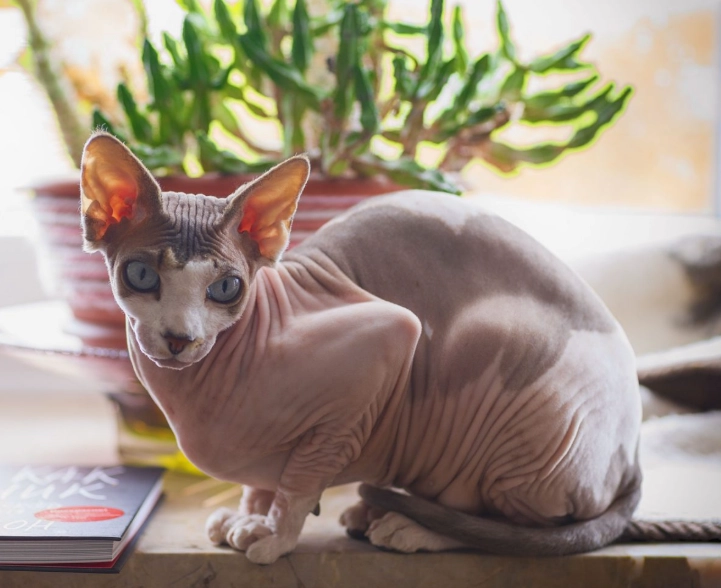
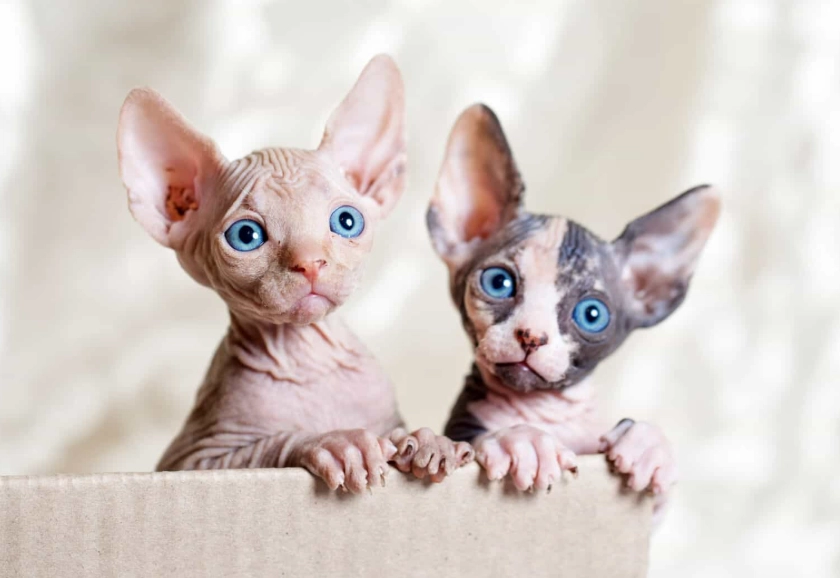
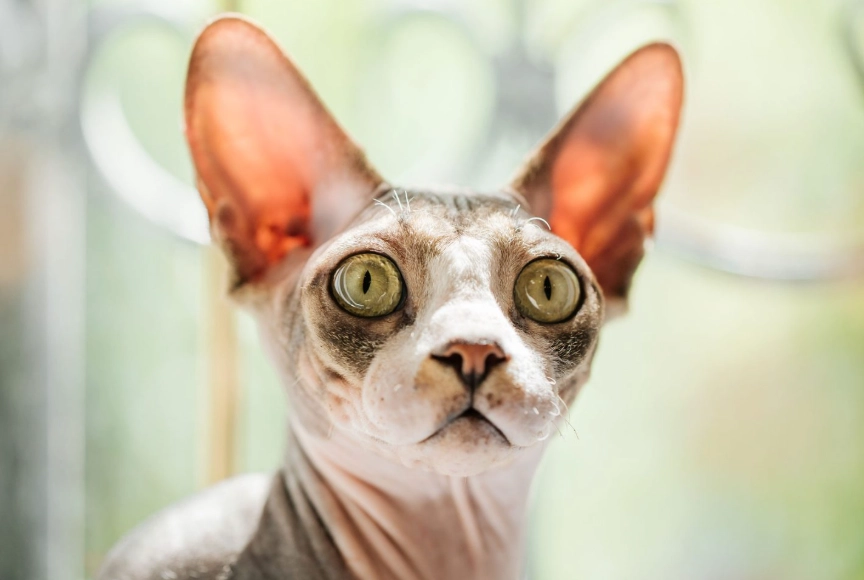
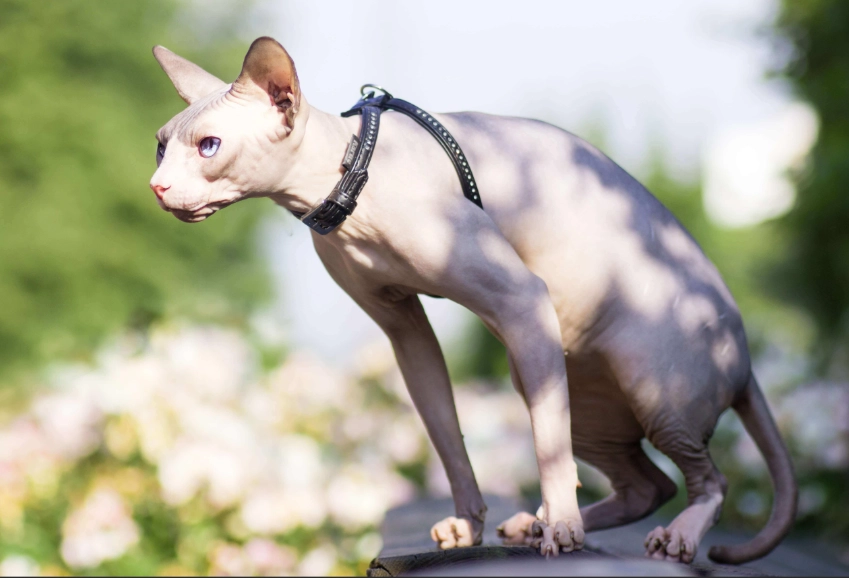
Let's be honest, the first time you see a Sphynx cat, you either fall in love or you're a bit taken aback. There's no middle ground. I was in the first camp, and after over a decade of living with these extraordinary creatures, I can tell you they're nothing like any other cat. They're also nothing like the "low-maintenance" pet some people mistakenly believe them to be. If you're thinking about welcoming a Sphynx into your home, you need to know the real story—the good, the bad, and the surprisingly oily. First, a quick history lesson. Contrary to popular belief, the Sphynx isn't some ancient Egyptian relic. The breed as we know it started in Toronto, Canada, in 1966 with a hairless kitten named Prune. Modern Sphynx cats are the result of careful breeding, often with Devon Rex cats, to create a healthy genetic pool. They're recognized by major associations like The International Cat Association (TICA) and the Cat Fanciers' Association (CFA). Now, the biggest myth: they are not truly "hairless." Run your hand over a Sphynx, and you'll feel a fine peach-fuzz texture, like warm suede. This lack of a full coat is due to a natural genetic mutation. Because of this, their metabolism runs hotter to compensate for the lack of insulation—you'll notice they seek out warm spots and feel feverishly warm to the touch (a normal 101-102°F is fine). Their personality is their real magic. Forget the aloof cat stereotype. A Sphynx is a dog in a cat's... well, skin. They are profoundly social, often greeting you at the door, following you from room to room, and demanding to be under the covers at night. They are clowns, acrobats, and cuddle monsters all rolled into one. A Personal Note: My first Sphynx, Gizmo, would sit on my shoulder like a parrot while I worked. He needed that constant contact. If you want an independent pet that minds its own business, look elsewhere. A Sphynx will be in your business, literally and figuratively. This is where most new owners get blindsided. Caring for a Sphynx is a commitment of time and routine. It's not difficult, but it is mandatory. Grooming is not optional; it's essential for their health. Without fur to absorb it, their skin produces oils (sebum) that build up. Here's the weekly drill: Bathing: Every 1-2 weeks. Use a gentle, hypoallergenic kitten or cat shampoo. The water should be warm, not hot. The trick is to make it quick and positive. Dry them immediately and thoroughly with a warm towel—they get cold fast. A common mistake is not rinsing enough, leaving shampoo residue that irritates their skin. Ears: Clean weekly. Their large ears produce a shocking amount of dark wax. Use a vet-recommended ear cleaner and cotton balls. Never use Q-tips deep in the ear canal. Nails: Trim every 1-2 weeks. Their nails can get gunky from skin oils. Paws & Tail: Pay special attention. The tail often gets a buildup of blackheads (comedones). Gently wipe it during bath time. That high metabolism means they are eating machines. They need high-quality, high-protein food to fuel their internal furnace. Don't be surprised if they eat more than a furry cat of the same size. I recommend a mix of premium wet and dry food. Always provide fresh water. Because they are so food-motivated, obesity can become an issue if you free-feed. They are heat seekers. Invest in heated beds, soft blankets, and keep your home comfortably warm. In winter, a sweater might be necessary for short outings. Also, because their skin is exposed, they are vulnerable to sunburn. Keep them out of direct, strong sunlight. All purebred cats can have genetic predispositions, and the Sphynx is no exception. Responsible breeders screen for these. As an owner, you should be aware. The single most important thing you can do is find a reputable breeder. A good breeder will be transparent about health tests, let you meet the kittens' parents, and have a contract that includes a health guarantee. Avoid anyone selling "rare" colors at a huge premium or who can't provide veterinary records. Let's talk money, because the sticker shock is real. This isn't just the purchase price. I made the mistake of not getting pet insurance for my first Sphynx. When he needed a dental procedure at age 4, the bill was a painful lesson. Now, I wouldn't own one without it. Living with a Sphynx is a unique, rewarding, and high-touch experience. They give an incredible amount of love and demand a significant amount of care in return. If you're ready for the routine, the expense, and the constant companionship, you'll find a friend like no other. Just be sure you're getting into it with your eyes wide open to the reality, not just the adorable, wrinkly image.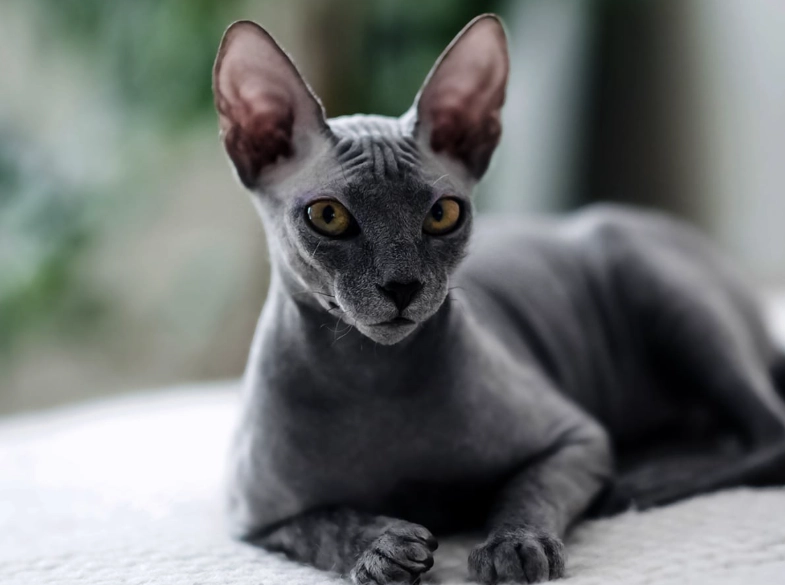
What You'll Learn in This Guide
What is a Sphynx Cat? Busting Myths
Sphynx Cat Care: The Non-Negotiable Basics
How to Groom a Sphynx Cat?
Feeding a Sphynx Cat
Environmental Needs
Sphynx Cat Health: What to Watch For
Health Condition
What It Is
Prevention/Action
Hypertrophic Cardiomyopathy (HCM)
A thickening of the heart muscle, the most common heart disease in cats.
Ask your breeder for proof of annual HCM ultrasound screenings of the parents. Your vet can listen for murmurs during check-ups.
Skin Conditions
Urticaria pigmentosa (skin bumps), yeast infections, sunburn.
Strict grooming routine. Use pet-safe sunscreen. See a vet for persistent rashes or bumps.
Periodontal Disease
Gum and tooth disease. Some lines are prone to poor dental health.
Start teeth brushing early. Provide dental treats. Regular vet dental checks.
Respiratory Issues
Some can have mild upper respiratory sensitivity.
Keep them warm and stress-free. Ensure vaccinations are up to date.
The Real Cost of a Sphynx Cat
Your Sphynx Cat Questions Answered
 How do I keep my Sphynx cat warm in a cold house without running the heat constantly?