White Cat Care Guide: Health, Grooming & Personality Secrets
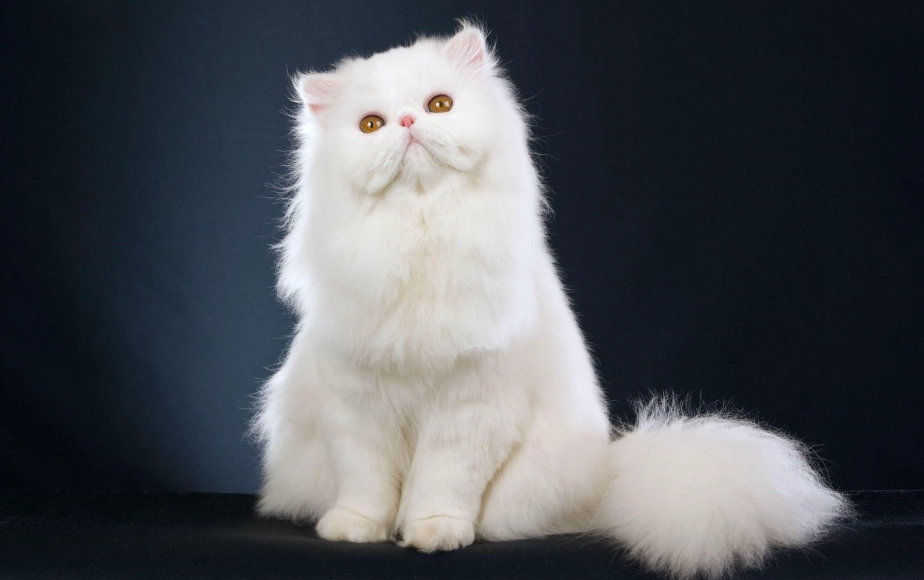
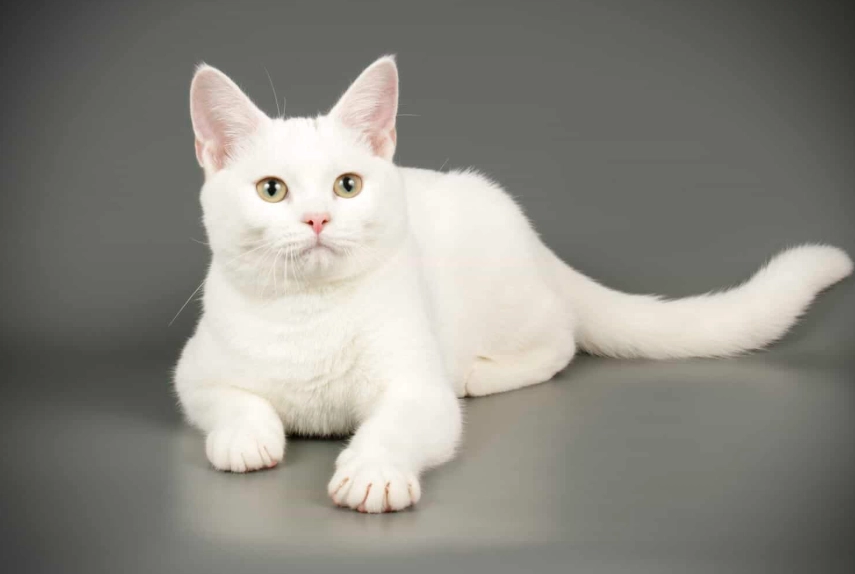
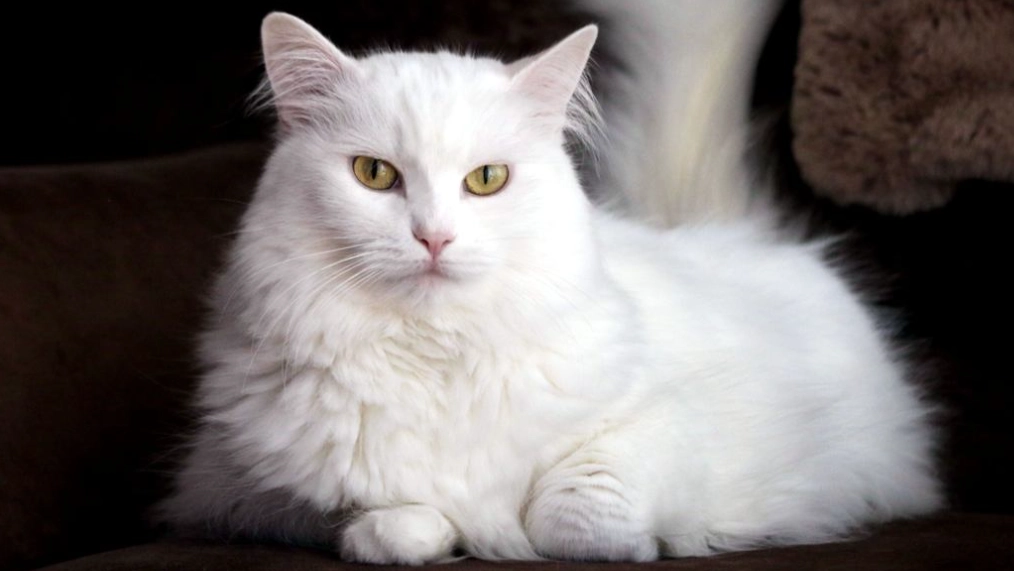
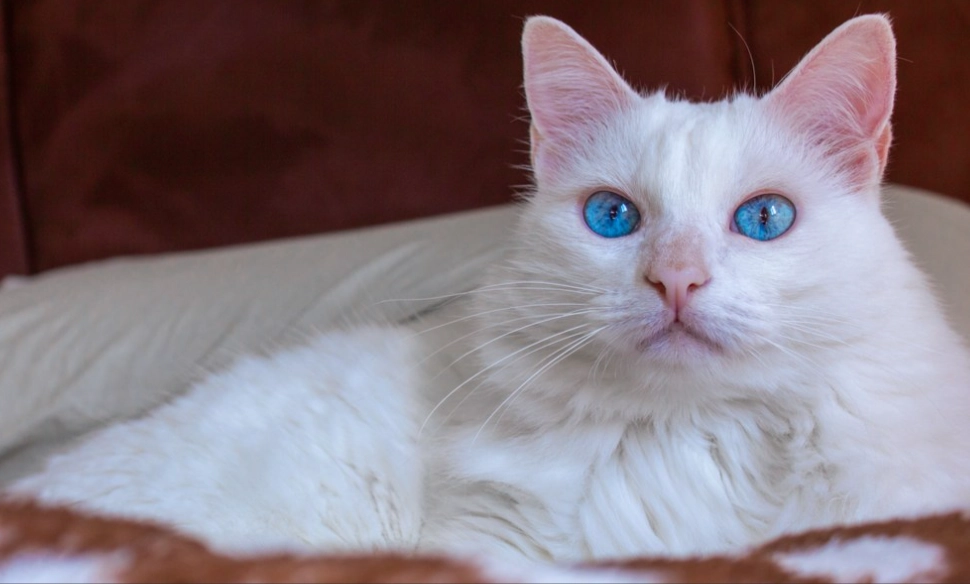
That pristine, snow-white coat is undeniably stunning. It's what draws most people to white cats in the first place. But behind that beautiful exterior lies a set of unique care requirements that many new owners aren't prepared for. I've lived with white cats for over a decade, and I've seen the same mistakes repeated—from sunburned ears to stained fur that could have been prevented. This isn't just about aesthetics; it's about their health and comfort. If you're considering bringing a white cat into your home, or if you're struggling with the upkeep of your current feline ghost, this guide will give you the real, practical advice you need, far beyond the generic tips you'll find elsewhere. First, let's clear up a huge misconception. A white cat isn't an albino by default. In fact, most white cats are not albinos. Their color comes from a dominant masking gene, aptly named the "white masking gene" (W-gene). This gene acts like a coat of paint, covering up whatever the cat's true genetic color (black, orange, tabby) would have been. Here's where it gets fascinating, and where most care guides stop short. The same gene that suppresses coat color can also affect the development of the inner ear. This is the root of the link between white coats, blue eyes, and congenital deafness. But the rule isn't as absolute as people think. I once fostered an odd-eyed white cat named Ghost. Sure enough, he never responded to calls from his left side (the blue-eyed side). This isn't just trivia—it fundamentally changes how you keep them safe. A deaf cat should never be allowed outdoors unsupervised. Everyone thinks the biggest challenge is bathing. It's not. The real challenge is maintenance between baths. That white fur is a magnet for dirt, tear stains, and that lovely reddish-brown gunk around the mouth and chin. Let's talk about the chin. Many white cats get "feline acne"—blackheads on their chin. On a white cat, it looks terrible. People often mistake it for dirt and scrub too hard, irritating the skin. The solution isn't harder scrubbing, but switching to ceramic or stainless steel bowls (plastic harbors bacteria) and gently cleaning the area with a chlorhexidine wipe recommended by your vet. Forget fancy, scented products. Here’s what you actually need: That beautiful white skin and fine hair offer little protection. You have to be their sunscreen and early warning system. 1. Squamous Cell Carcinoma (SCC): This is the big one. It's a aggressive skin cancer caused by sun exposure. The most vulnerable areas are the ears, eyelids, nose, and lips—places with sparse hair. It starts as a small, non-healing sore or a crusty spot that you might dismiss as a scratch. My vet once showed me a case where a white cat's entire ear tip had to be removed because the owner thought the persistent pink sore was just a bug bite. Prevention is straightforward but critical. 2. Deafness-Related Safety: A deaf cat can live a perfectly happy life, but your home needs to be their fortress. Since they can't hear dangers (cars, other animals, your warnings), they must be indoor-only. Use visual and vibrational cues. Stomp your foot on the floor to get their attention, or flick the lights on and off. They become incredibly attuned to these signals. 3. Eye Conditions: Blue-eyed white cats can be prone to more eye issues. Keep an eye out for excessive tearing, cloudiness, or sensitivity to light, which could indicate conditions like uveitis. Regular vet check-ups are key. Is there a "white cat personality"? Not really. Personality is more linked to breed and individual upbringing than coat color. However, the anecdotal idea that they are more anxious or clingy might stem from the higher incidence of deafness. A deaf cat might startle more easily and therefore stick closer to its trusted human for security. If you're set on a purebred white cat, here are a few top contenders, each with different care notes: My personal favorite to live with was a domestic shorthair white cat. She had golden eyes, no deafness, and the personality of a charming, lazy queen. She required less intensive grooming than the longhairs but needed just as much vigilance about sun exposure. Is it true that all white cats with blue eyes are deaf? No, this is a pervasive myth. While the risk is significantly higher, it's not a guarantee. According to studies compiled by resources like the Cornell Feline Health Center, the incidence is between 60-80%. This means a substantial number are deaf, but a notable minority have normal hearing. Always test hearing gently (e.g., making a sound out of sight when they are not looking at you) and let your vet confirm. First, rule out medical causes with a vet. Jaundice can cause yellowing. If it's just stains, it's often saliva, food, or environmental grime. The back can yellow from oils in plastic beds or from lying on certain surfaces. Increase brushing frequency to distribute oils. For saliva stains around the mouth, ensure daily wipe-downs. For persistent stains on the body, a bath with a gentle, whitening cat shampoo can help. Avoid human "blue" shampoos as they can dry out cat skin severely. Can I use human sunscreen on my white cat's ears? Absolutely not. This is a critical mistake. Many human sunscreens contain ingredients like zinc oxide or salicylates, which are toxic to cats if they lick them off. You must use a sunscreen specifically formulated for cats or dogs. If you can't find one, the safest course is to strictly manage their sun exposure through environmental controls (keeping them out of direct sun). Are white cats more prone to being stray or abandoned? There's no statistical evidence for this, but anecdotally, shelter workers sometimes note that pure white cats (and black cats) can be harder to adopt due to superstitious or aesthetic biases. Their high visibility might also make stray white cats more noticeable. The best place to find a white cat is often your local shelter or rescue—you might be saving a life and gaining a wonderful companion. How do I know if my white cat is developing skin cancer? Be a diligent spot-checker. During your daily petting/grooming session, part the fur on their ear tips, nose bridge, and eyelids. Look for any pink, non-healing sores, crusty scabs, or raised lumps that don't go away in a week or two. Any persistent lesion on a white cat should be seen by a vet immediately. Early detection, often followed by surgical removal, is highly effective. Living with a white cat is a commitment to attentive care. It's not just about keeping them looking like a little cloud—it's about proactive health management. The extra few minutes of brushing, the vigilance about sun exposure, the understanding of their potential deafness—all of it translates into a longer, healthier, and happier life for your feline friend. They repay that care with endless companionship, and there's nothing quite like the sight of a happy, healthy white cat glowing in your home.
What's Inside This Guide?
What Makes White Cats Unique? It's All in the Genes
How to Groom a White Cat Properly (Beyond Just Baths)
The Non-Negotiable Grooming Kit
Common Health Issues in White Cats: Proactive Prevention

White Cat Breeds & Understanding Their Personality
Breed
Coat Type
Key Personality Trait
Special White Cat Consideration
Turkish Angora
Long, silky, single-layer
Playful, intelligent, "dog-like"
Prone to deafness (common with blue eyes). Their fine coat mats less than other longhairs but still needs regular combing.
Khao Manee
Short, close-lying
Extremely social, vocal, affectionate
Often odd-eyed. The short coat is easier to keep clean, making tear stains more noticeable.
Foreign White (Siamese variant)
Short, glossy
Talkative, demanding, highly active
All have deep blue eyes and are not linked to the deafness gene in the same way—a fascinating genetic exception. Sun protection is still vital.
American Shorthair (white variant)
Dense, plush short hair
Easygoing, adaptable, gentle
A robust choice. The dense coat can hide skin issues, so regular parting-and-checking during grooming is essential.
Your White Cat Questions, Answered
 My white cat's fur is turning yellowish, especially around the mouth and back. How do I fix this?