Are Carrots Good for Dogs? Benefits, Risks & Feeding Guide
You're chopping carrots for a salad, and those puppy-dog eyes are locked onto the crunchy orange sticks. The question pops into your head: can I share this with my dog? The short, vet-approved answer is yes, carrots are generally excellent for most dogs. But tossing a whole carrot to your Chihuahua or mindlessly adding cups of them to your Labrador's bowl? That's where things get tricky, and where most online advice stops being useful. I've been a dog owner for over a decade, working with vets and nutritionists, and I've seen the good, the bad, and the surprisingly gassy outcomes of feeding veggies. Carrots aren't a magic bullet, but they're a powerful tool in your treat toolkit when used correctly. This guide will move beyond the basic "yes" and give you the actionable details you need to feed carrots safely, effectively, and in a way your dog will love. Think of carrots as a low-calorie, high-fiber supplement, not a main course. Their value comes from what they add without packing on pounds. Beta-Carotene for Vision and Immunity: This is the famous one. A dog's body converts beta-carotene into Vitamin A, which is crucial for eye health, immune function, and skin condition. While dogs don't need beta-carotene from vegetables (they can get pre-formed Vitamin A from meat), it's a safe, additional source. It won't cure an existing eye problem, but it supports overall ocular health. Dietary Fiber for Digestion: This is the unsung hero. The fiber in carrots can help regulate your dog's digestion. For the slightly constipated pup, it adds bulk and can get things moving. For the dog with occasional loose stools, soluble fiber can help firm them up. It's a prebiotic, too, feeding the good bacteria in the gut. Here's the catch many miss: the fiber benefit is heavily dependent on preparation. Puréed cooked carrot acts very differently in the gut than a raw, grated carrot. Dental Health Claims – The Partial Truth: You'll read everywhere that crunchy raw carrots clean teeth. There's some truth here. The abrasive action can help scrub away some plaque. But let's be real—it's nowhere near as effective as daily brushing. It's like using a crunchy biscuit to clean your own teeth instead of a toothbrush. It's a minor, supplemental benefit, not a solution for dental disease. If your dog gulps carrots whole, this benefit is zero. Low-Calorie Treat Advantage: This is the biggest win for weight management. A typical medium baby carrot has about 4 calories. Compare that to a commercial training treat which can have 15-30 calories each. You can give more volume, keeping your dog feeling satisfied during training without blowing the daily calorie budget. The American Veterinary Medical Association (AVMA) emphasizes portion control for pet obesity, and carrots are a perfect tool for that. Ignoring these points is where most owners, even experienced ones, slip up. The #1 Risk: Choking and Intestinal Blockage. This isn't just for small dogs. I once saw a spirited Golden Retriever try to swallow a 3-inch carrot chunk whole in excitement. It got lodged sideways in his throat. He was fine after a scary minute of coughing, but it was a stark lesson. Whole carrots or large, hard pieces are a major hazard. They must be cut into appropriate sizes. Overfeeding and Digestive Upset: Carrots are high in fiber and natural sugars. Introducing too much, too fast is a surefire way to give your dog gas, bloating, or diarrhea. Their digestive systems aren't built for large volumes of vegetables. Start with a teaspoon-sized amount for a medium dog. Vitamin A Toxicity – Rare but Possible: This is often overhyped but worth understanding. Hypervitaminosis A from vegetables alone is extremely unlikely. You'd have to feed a colossal, unrealistic amount of carrots daily for months. The real risk comes from combining carrot-heavy diets with already fortified commercial foods, liver treats, and Vitamin A supplements. The safe approach? Treat carrots as a treat, not a staple. Pesticide Residue and Preparation: Simply rinsing a carrot under water doesn't remove all surface contaminants. If you're not using organic, a quick peel or a soak in a vinegar-water solution (1 part vinegar to 3 parts water) followed by a thorough rinse is a step most guides don't mention but one I always take. This is the actionable core. How you prepare the carrot changes its properties. There's no single "better" option—it depends on your goal. 1. Start Small: Day one, offer one or two small pieces. Watch for any changes in stool or signs of gas over the next 24 hours. 2. Determine the Right Serving Size: A common guideline is that treats (including vegetables) should not exceed 10% of your dog's daily calories. For carrots, a simpler rule of thumb: One or two baby carrot equivalents per day for a medium (30lb) dog is a safe maintenance amount. Adjust proportionally. 3. Integrate into Routines: Use carrot pieces as training rewards. Stuff a Kong with a mix of mashed carrot and their regular kibble, then freeze it. Add a spoonful of puréed carrot to their dinner for a flavor boost. Personal Tip: My own dog, a terrier mix with a sensitive stomach, does best with lightly steamed carrot coins mixed into his dinner twice a week. Raw carrots, even grated, give him noticeable gas. It took some trial and error to find his "sweet spot." Yours will have one too. Carrots aren't the only game in town. If your dog turns up their nose, or if you're looking for variety, consider these: Green Beans (steamed or canned, no salt): Even lower in calories, great for weight loss plans. When to Avoid Carrots Entirely: My dog loves raw carrots, but he swallows them whole without chewing. Is this dangerous? It's one of the most common and dangerous habits. A whole or large chunk of carrot is a prime choking hazard and can cause an intestinal blockage. You must pre-empt this. Stop giving chunks he can swallow. Instead, grate the carrot finely over his food, or mash cooked carrot into a paste. If you want to give the chewing experience, try a large, thick carrot stick that's too big to swallow (for a large breed) or a frozen carrot purée inside a chew toy where he can't get a solid piece. Can carrot tops or greens be fed to dogs? I recommend avoiding them. While not highly toxic like some greens, carrot tops contain alkaloids and nitrates that can cause stomach upset in some dogs. They're also fibrous and can be a choking risk. The nutritional benefit is minimal compared to the root. Stick with the orange part—it's the safest and most valuable. This is a critical distinction. Beta-carotene supports general eye health but will not reverse existing conditions like nuclear sclerosis (the common blue-ish cloudiness in older dogs) or cataracts. It's not a treatment. Feeding carrots won't clear up cloudy eyes. Any vision changes in your senior dog warrant a vet visit to diagnose the actual cause. How do I know if my dog is allergic to carrots? True food allergies often manifest as skin issues, not just stomach upset. Watch for symptoms like itching (especially around the face, ears, and paws), red skin, hives, or chronic ear infections appearing after introducing carrots. Gastrointestinal signs like vomiting or diarrhea can also indicate an intolerance. If you suspect an allergy, eliminate carrots and consult your vet. Diagnosis usually involves an elimination diet trial. Are canned carrots or baby food carrots a good option? You have to read labels meticulously. Most canned carrots contain added salt or sugar, which are harmful. Plain, no-salt-added canned carrots, rinsed well, can be used in a pinch. Plain carrot baby food (check that it's ONLY carrots and water) is actually a convenient, pre-puréed option for mixing into food or for dogs with dental problems. It's a little trick I use when I'm short on time.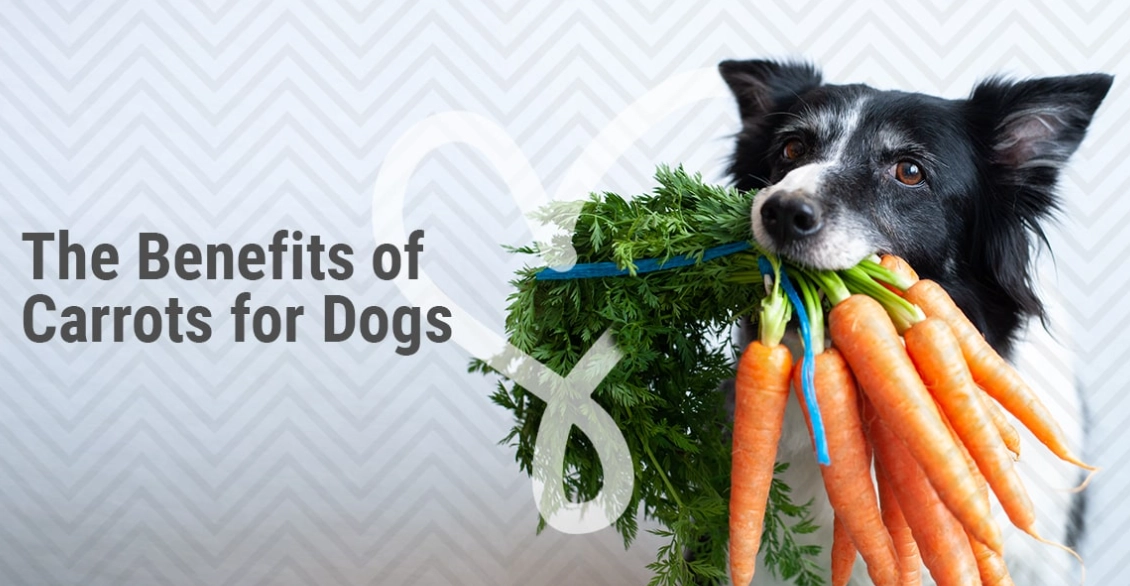
What's Inside This Guide?
Nutritional Benefits of Carrots for Dogs
Potential Risks and Common Mistakes
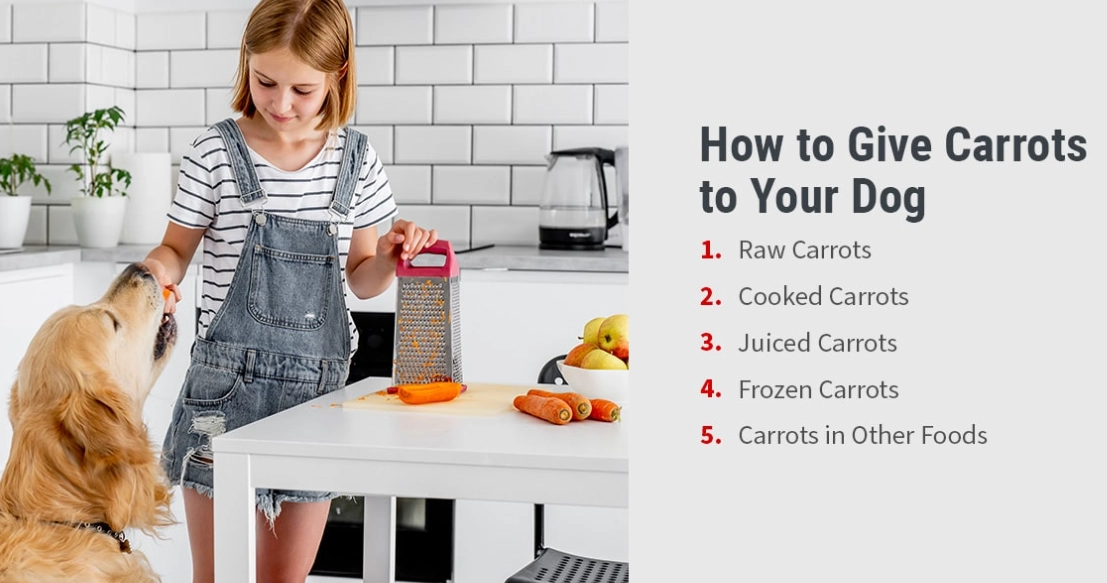
How to Prepare and Feed Carrots Safely
Raw vs. Cooked: Which is Better?
Preparation
Best For
Key Considerations
Raw, Cut into Sticks/Coins
Crunchy treat, light dental scraping, low-calorie snack. Ideal for larger dogs who chew.
MUST be cut to size. For a Labrador, a 2-inch stick is fine. For a Pug, pea-sized pieces. Supervise chewing.
Cooked & Mashed/Puréed
Dogs with dental issues, seniors, mixing into food for picky eaters, soothing an upset stomach (plain, cooked).
Easier to digest. Nutrients are more bioavailable. Cook plain—no salt, butter, oils, or seasonings.
Frozen Chunks or Grated
Teething puppies (frozen), hot weather cooling treats, adding fiber subtly to food (grated).
Frozen carrots are very hard. Only for serious chewers under supervision. Grated carrot mixes well into meals.
Step-by-Step Feeding Guide
Healthy Alternatives and When to Skip Carrots
Blueberries: Antioxidant powerhouses, perfect as tiny training treats.
Pumpkin Purée (plain, canned): The gold standard for digestive regulation (both constipation and diarrhea).
Apple Slices (no core/seeds): Another crunchy, sweet alternative.
- Dogs with known allergies to carrots (rare but possible).
- Dogs with diabetes, unless your vet approves the sugar content in the context of their full diet.
- Dogs currently experiencing a severe gastrointestinal upset. Stick to a bland diet prescribed by your vet.Your Carrot Questions Answered
 I've heard carrots help with a dog's vision. Will they improve my senior dog's cloudy eyes?
 The bottom line is simple. Carrots are a fantastic, low-cost, healthy addition to most dogs' diets when prepared mindfully and fed in moderation. They're not a miracle food, but they are a versatile tool. Start small, cut them up, and watch how your individual dog responds. That personalized approach beats any generic advice you'll find online.