A Guide to Dog Breeds: Choosing Your Perfect Canine Companion
Choosing a dog isn't about picking the cutest picture online. It's a ten-plus year commitment that hinges on one crucial factor: lifestyle compatibility. I've seen too many beautiful dogs end up in shelters because someone fell for a fluffy face without considering the reality of a high-energy herding breed in a small apartment. This guide cuts through the noise. We'll move beyond simple size categories and dive into what really matters—energy levels, grooming demands, temperament nuances, and the specific needs that make each type of dog unique. Let's find the breed that won't just live with you, but thrive with you. Forget just "small, medium, and large." That tells you almost nothing useful. Kennel clubs like the American Kennel Club group breeds by their original historical purpose. This is the golden key to understanding a dog's core instincts. A Border Collie is in the Herding Group. Its brain is wired to chase, control, and organize movement. Without a job, that instinct turns into chasing bikes, kids, or shadows. A Labrador Retriever is in the Sporting Group, bred to work closely with humans, retrieve birds gently, and have a soft mouth and eager-to-please attitude. That's why they often make great family pets—their job was partnership. Here’s a quick breakdown of the major groups and what their purpose means for you as an owner: Knowing the group gives you the first major clue. A mistake I see constantly? Someone gets a Siberian Husky (Working Group) for its wolf-like looks, then is shocked when it tries to escape a yard to run for miles or "talks back" during training. That's not bad behavior—it's genetics. This is where the rubber meets the road. You can manage size, but you can't train out centuries of ingrained energy levels. Think: Australian Shepherd, Belgian Malinois, Vizsla, Weimaraner. These dogs weren't just bred to work; they were bred to work all day. A 30-minute walk is a warm-up. They need vigorous running, advanced training like agility or nosework, and constant mental challenges. I learned this the hard way with my own Border Collie mix. Two long walks and a puzzle toy just kept her out of trouble. She needed a focused 45-minute training session or a run alongside my bike to truly settle. If you're a couch potato, these breeds will turn your life upside down—and not in a good way. They are amazing for active singles, runners, or families who treat dog sports as a weekend hobby. This is the sweet spot for many: Labrador Retrievers, Cocker Spaniels, many herding breeds if given an outlet. They need a solid hour of good exercise daily—a brisk walk, a romp at the dog park, a serious game of fetch. They're up for adventure but can also chill. The key is consistency. Skip their exercise for two days, and you might see chewing or restlessness. Bulldogs, Basset Hounds, Shih Tzus, senior dogs of any breed. Their needs are simpler: a couple of short, gentle walks and plenty of snuggle time. Don't mistake "low-energy" for "no needs." These dogs still require mental stimulation and can be prone to weight gain, so diet and short, engaging play sessions are critical. Size matters, but not in the way most people think. It's about logistics and lifespan. Small Dogs (under 22 lbs): Portable, cheaper to feed, often live longer (12-16 years). Perfect for apartments or travel. Downsides? They can be more fragile (trip hazard with kids), sometimes yappier, and may need more frequent potty breaks. Medium Dogs (23-55 lbs): The Goldilocks zone for many. Big enough to be sturdy, small enough to manage. Think Beagles, Corgis, Standard Schnauzers. Often a great blend of companionship and capability. Large & Giant Dogs (55+ lbs): Majestic and often gentle giants. Great Danes, Newfoundlands, Mastiffs. They eat a lot, cost more at the vet, have shorter lifespans (7-10 years is common), and can unintentionally knock over small children or elderly folks. But their calm demeanor in the home is frequently worth the logistical challenges. The biggest misconception? That you need a huge house. Many giant breeds are surprisingly sedentary indoors; they need space to stretch out, not necessarily to run. Let's get practical. Grab a notepad and answer these questions honestly. Your Daily Reality: How many minutes per day can you guarantee for focused exercise (walk, play, training)? Be realistic about your job, commute, and energy levels after work. Your Living Space: Apartment with no yard? A house with a small, secure yard? Rural property? Some dogs (like many hounds) will never be safe off-leash without extensive training. Others (like most toy breeds) can get all their exercise indoors with creative play. Your Household: Young children? Other pets? Some breeds have a legendary patience with kids (Golden Retrievers, Labs). Others (like some primitive or guarding breeds) may be less tolerant of chaotic toddler energy. Prey drive is a real thing—a terrier might see a pet rabbit or cat as a target. Your Grooming Budget & Tolerance: This is a huge, overlooked factor. A Poodle or a Komondor requires professional grooming every 4-6 weeks, which is a significant time and money commitment. A short-coated Labrador sheds like crazy, requiring frequent vacuuming. A "low-shedding" dog like a Schnauzer still needs regular clipping. Are you ready to brush a dog daily? Pay $80+ every month for a groomer? Live with dog hair on everything? Your Training Experience: First-time owner? A stubborn but smart breed like a Siberian Husky or an independent terrier might break you. Consider a more biddable breed known for being eager to please, like a Shetland Sheepdog or a Papillon. You can grow into more challenging dogs later. After volunteering in rescue for years, the patterns are painfully clear. Choosing with Eyes, Not Research: The #1 reason for surrender. That "wolf-looking" Husky, the "doodle" that's advertised as hypoallergenic but mattes terribly, the tiny puppy that grows into a powerful, driven dog. You must look past the puppy phase and the Instagram aesthetic. Underestimating Adolescence: That sweet 8-month-old dog isn't being "bad" when it forgets all its training. It's a teenager. Herding breeds and working dogs can be particularly challenging from 8 months to 2 years. You need patience and consistency, not punishment. Ignoring Breed-Specific Health Issues: Every breed has vulnerabilities. Brachycephalic (flat-faced) breeds like Pugs and Bulldogs have severe breathing problems. Large breeds are prone to hip dysplasia. Reputable breeders test for these issues; backyard breeders do not. Factor in potential vet costs. Assuming a Small Dog is an "Easy" Dog: A poorly trained Chihuahua can be more stressful than a well-trained German Shepherd. Small dogs need the same level of obedience, socialization, and boundaries to be good companions.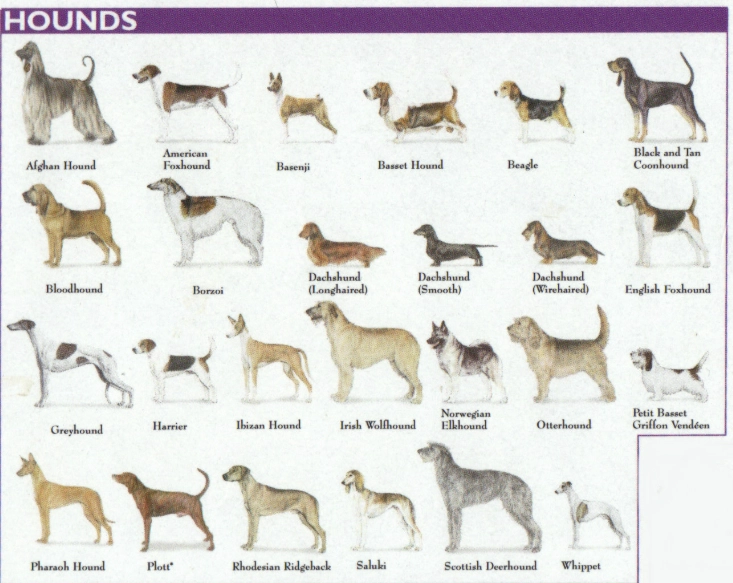
What's Inside This Guide?
How Are Dog Breeds Classified?
Breed Group (AKC)
Original Purpose
Modern-Day Traits & Considerations
Herding (Border Collie, German Shepherd, Corgi)
Control livestock movement.
High intelligence, high energy, need mental & physical jobs. May nip heels or try to "herd" children. Prone to boredom.
Sporting (Labrador, Golden Retriever, Spaniels)
Assist hunters in finding/flushing/retrieving game.
Generally friendly, energetic, biddable. Need regular exercise. Love having a task, even if it's just fetch.
Working (Siberian Husky, Boxer, Great Dane)
Guard property, pull sleds, perform rescue tasks.
Strong, often large, intelligent with independent streaks. Require clear training and sufficient space.
Toy (Chihuahua, Pomeranian, Pug)
Companionship for nobility.
Low exercise needs, suited for apartments. Can be prone to "small dog syndrome" (excessive barking, fragility) without proper training.
Non-Sporting (Bulldog, Dalmatian, Poodle)
Varied historical roles.
A diverse catch-all group. Temperament and needs vary wildly. Research each breed individually.
Terrier (Jack Russell, Scottish Terrier)
Hunt vermin underground.
Feisty, brave, often stubborn. High prey drive. Can be diggers and barkers. Loads of personality in a small package.
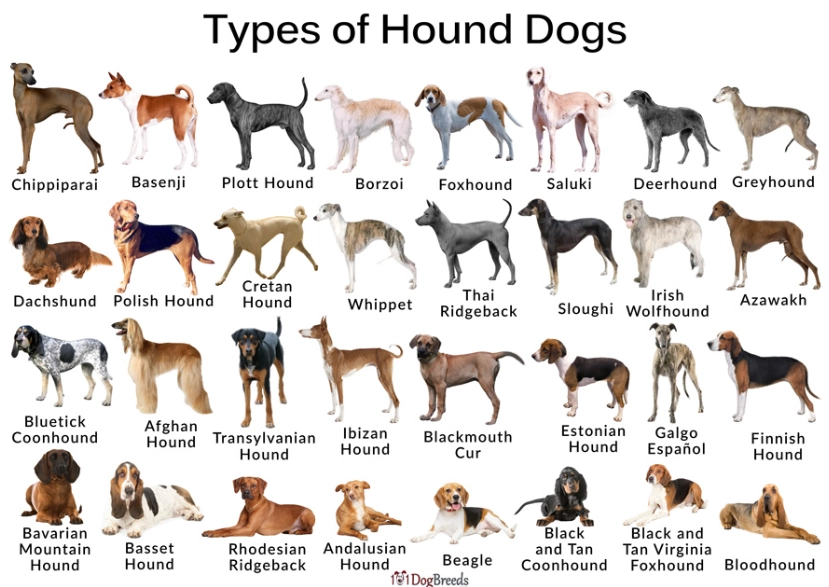
Hound (Beagle, Greyhound, Bloodhound)
Hunt by scent or sight.
Scent hounds (Beagles) are easily distracted by smells and can be vocal. Sight hounds (Greyhounds) are sprinters who need secure fencing but are often couch potatoes at home.
The Energy & Temperament Spectrum
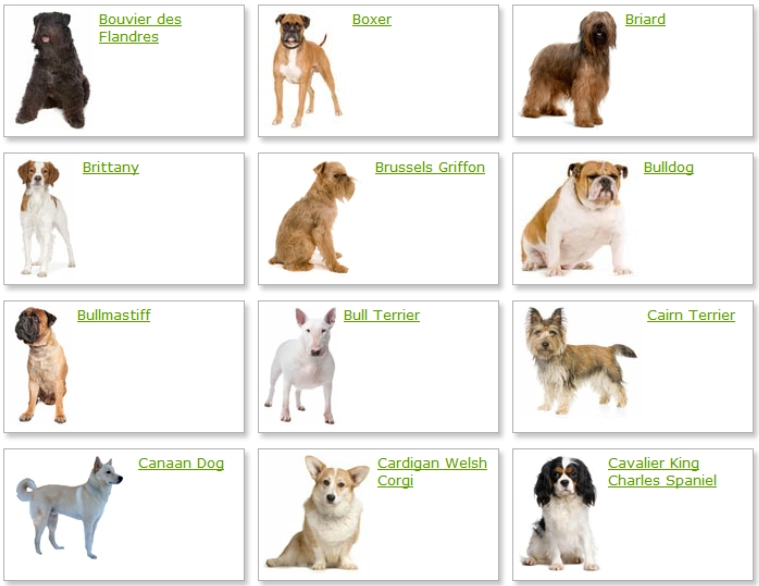
The High-Octane Canine
The Moderate Maintenance Buddy
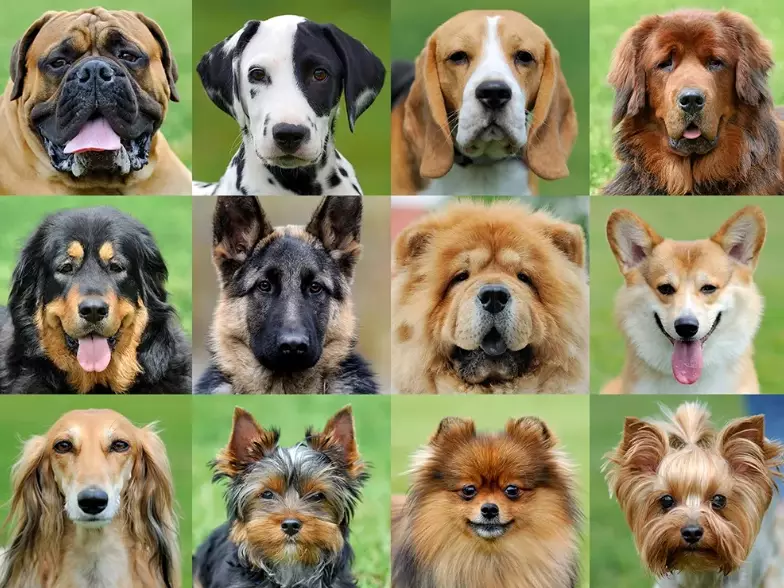
The Low-Key Companion
A Practical Look at Size Categories
How to Choose the Right Dog Breed for You?
Common Mistakes First-Time Owners Make
Your Dog Breed Questions Answered
 How important is a dog's "breed group" versus its individual personality?