Cat Pregnancy Timeline: How Long Are Cats Pregnant & What to Expect
If you're asking "how long are cats pregnant," the short answer is about 63 to 67 days, or roughly nine weeks. But that number alone doesn't tell you much. As someone who's been through this with several cats over the years, I can tell you the real story is in the weeks between that positive test and the first tiny mewls. It's a period of constant, subtle change that can easily catch a first-time owner off guard. This guide isn't just about counting days. It's about understanding what's happening inside your cat, week by week, and knowing exactly what to do (and what not to panic about) at each step.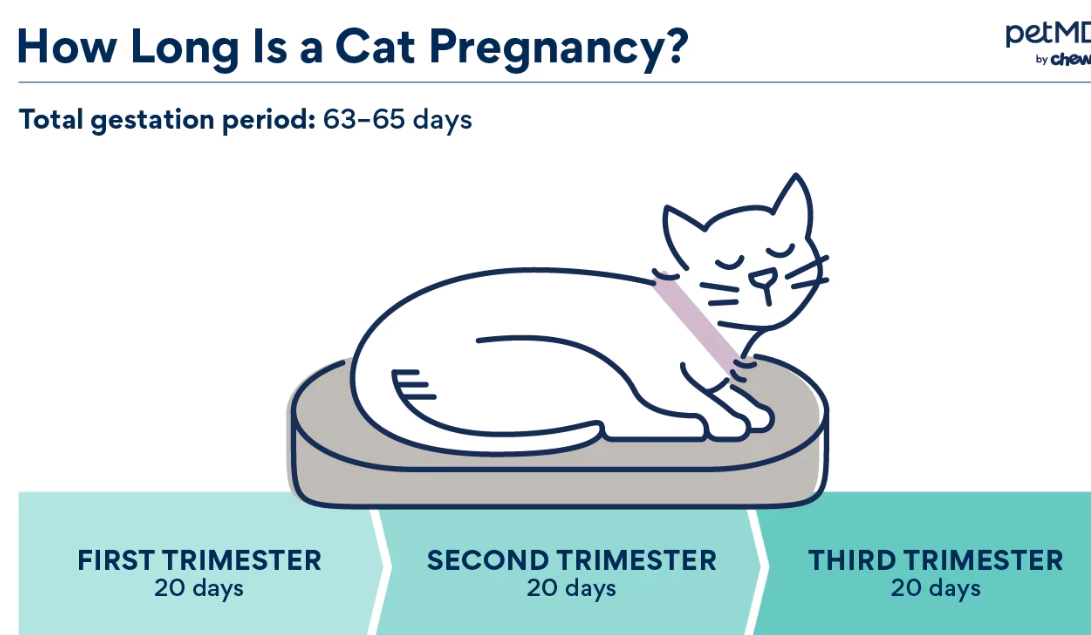
What’s Inside This Guide?
What is the Average Gestation Period for Cats?
The typical cat gestation period falls between 63 and 67 days. Think of it as a two-month journey. But here's something most generic articles won't mention: the clock starts ticking from the day of ovulation, not the day of mating. Since cats are induced ovulators (they ovulate in response to mating), pinpointing the exact conception day can be tricky. This is why you'll see a range, not a fixed number.
Breed can play a role. Some larger breeds, like Maine Coons, might go a day or two longer. Siamese cats are notorious for sometimes having shorter pregnancies. Age and litter size matter too. First-time mothers (queens) or those carrying a very large litter might deliver a bit earlier. A singleton kitten might bake a little longer.
Key Takeaway: Mark the first day you suspect mating occurred on your calendar. Count forward 63 days—that's your earliest expected due date. The most active window for delivery is usually between days 64 and 67. If your cat goes past day 70 without signs of labor, it's time to call the vet.
How to Confirm Your Cat is Pregnant
You can't rely on a home pee-stick like you would for humans. Cat pregnancy confirmation requires a more hands-on (or tech-on) approach.
Around week three (21 days post-mating), a vet can often feel the developing fetuses through gentle abdominal palpation. It takes a skilled hand—you shouldn't try this yourself as you could harm the kittens. This is the earliest reliable method.
Ultrasound is the gold standard for early confirmation and viability checks. A vet can detect fetal heartbeats as early as day 21-25. It's safe, non-invasive, and can give you an estimate of litter size (though it's not always 100% accurate for count).
By around day 40-45, the skeletons of the kittens have mineralized enough to show up on an X-ray. This is the most accurate way to determine the exact number of kittens, which is crucial information for knowing when labor is truly complete. I always recommend a pre-delivery X-ray for this reason—it prevents the panic of thinking there's one more kitten stuck inside when there isn't.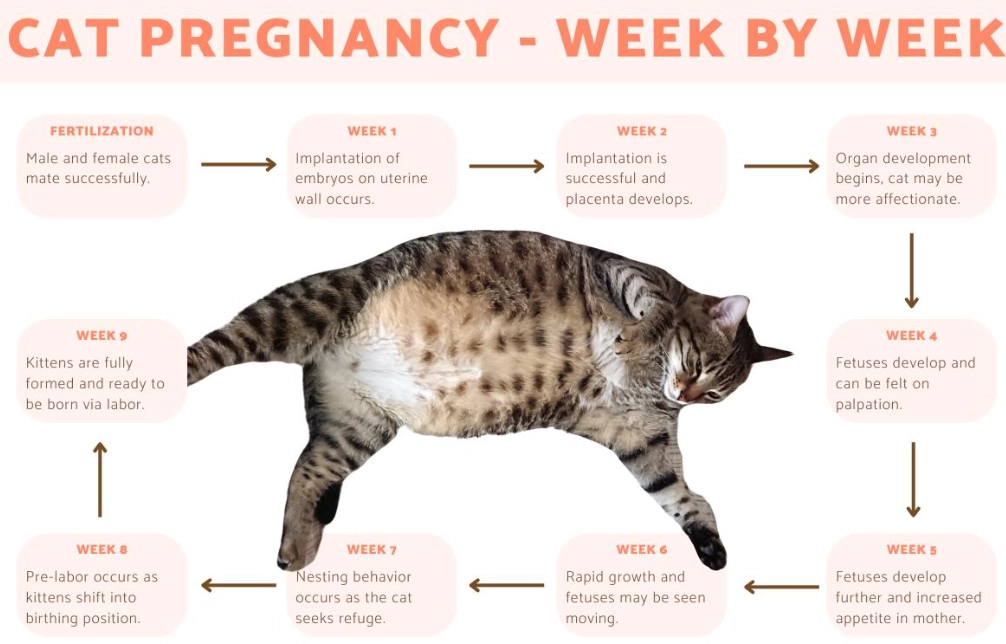
Early Signs You Might Notice at Home
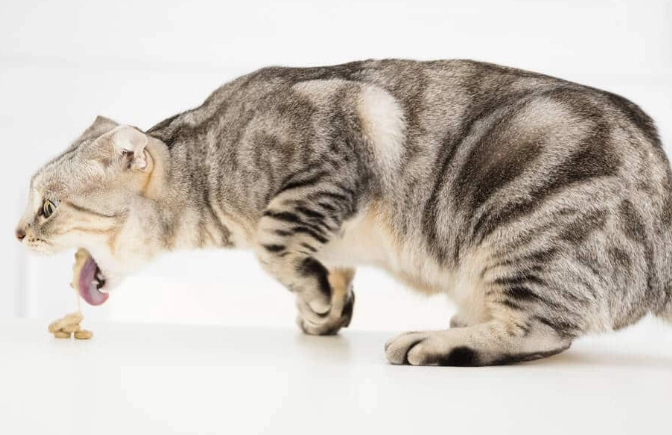
Before the vet trip, watch for behavioral and physical cues. The classic one is pinking up—around week three, her nipples become more prominent, pinker, and might look a bit swollen. She may show increased affection or, conversely, become more reclusive. Morning sickness (loss of appetite, occasional vomiting) can happen in early weeks, though it's less common than in humans. A gradually rounding abdomen is obvious later, but don't confuse it with weight gain from overfeeding.
A Week-by-Week Cat Pregnancy Timeline
This table breaks down the major milestones. Use it as your roadmap.
| Weeks | Fetal Development | What You'll See & What to Do |
|---|---|---|
| Weeks 1-2 | Fertilization, cell division, implantation in the uterus. | No visible changes. Continue normal care. If mating was planned, start a high-quality diet. |
| Weeks 3-4 | Major organs begin forming. Embryos are now fetuses. | "Pinking up" of nipples. Possible mild nausea. Schedule a vet visit for confirmation via palpation or ultrasound. |
| Weeks 5-6 | Rapid growth. Fur, claws, and whisker buds form. Sex organs differentiate. | Noticeable weight gain and abdominal swelling. Appetite increases significantly. Transition to high-calorie kitten food. |
| Weeks 7-8 | Kittens' skeletons harden. They become more active in the womb. | You might feel kittens moving! Her belly is large and low. She grooms more and seeks nesting spots. Consider a pre-delivery X-ray. |
| Week 9 (63-67 days) | Kittens are fully developed and positioned for birth. | Appetite may drop. Restlessness, nesting behavior, vocalization. Temperature drop (below 100°F) signals labor within 24 hours. |
Feeling the kittens move (called "quickening") is a magical moment, usually happening around week 7. Place a gentle hand on her side when she's relaxed. It feels like tiny, subtle bubbles or taps. Don't be alarmed if you don't feel it constantly—kittens sleep a lot in utero too.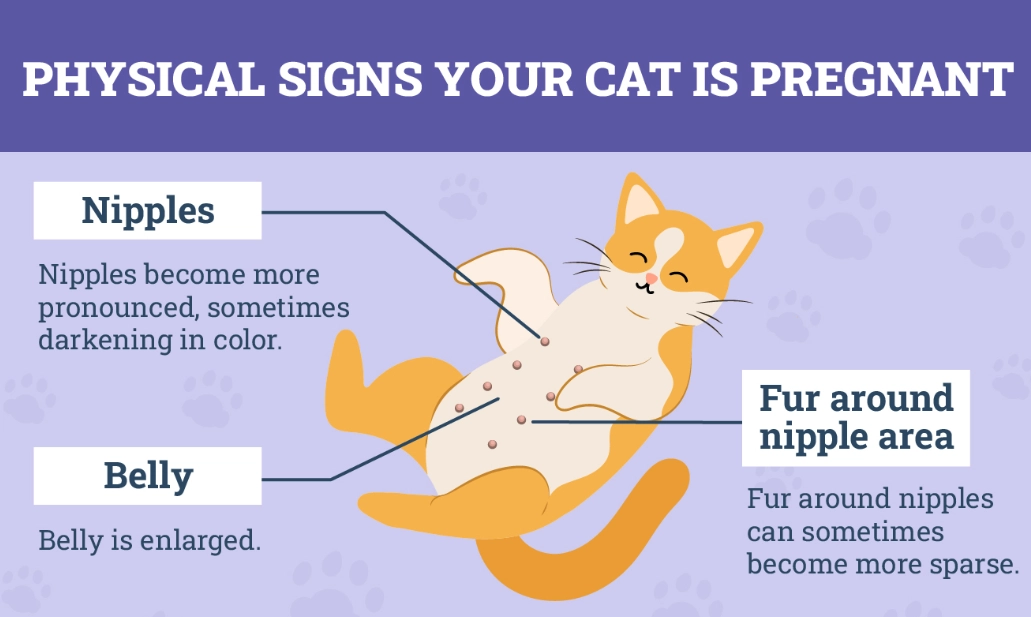
Essential Care Checklist for a Pregnant Cat
Her needs change. Your job is to adapt.
Nutrition is non-negotiable. By week 5 or 6, switch her to a high-quality, high-calorie kitten food. Kitten food is formulated with the extra protein, fat, and calcium she needs. Feed her small, frequent meals, as her growing belly leaves less room for large portions. Always provide fresh water. Consult your vet before adding any supplements; too much calcium can cause problems.
Vet care is proactive, not reactive. That initial confirmation visit is key. Discuss deworming (intestinal parasites can pass to kittens) and flea control, using only vet-approved pregnancy-safe products. I'm not a fan of over-vaccinating during pregnancy. This should be planned well in advance—a queen should be up-to-date on core vaccines before breeding. The American Association of Feline Practitioners (AAFP) has guidelines on this. Ask your vet about their protocol.
Environment matters. Reduce stress. No major changes to the household. Provide cozy, quiet spots for her to rest. Moderate, gentle play is fine, but discourage high jumps or roughhousing, especially in late pregnancy. Keep her strictly indoors to avoid fights, diseases, or another mating (yes, cats can get pregnant again while already pregnant—it's called superfetation and is rare but possible).
Red Flags – Call Your Vet Immediately: Any vaginal discharge (especially green or foul-smelling), prolonged loss of appetite, extreme lethargy, visible pain or straining without producing a kitten, or if active labor lasts more than 4 hours without a kitten being born.
Preparing for Labor and Delivery
Around week 8, set up a nesting box. A simple, low-sided cardboard box lined with soft, washable blankets or towels works perfectly. Place it in a warm, quiet, dark corner where she feels secure. Show it to her, but let her choose. She might ignore your perfect box and opt for the back of your closet—be prepared to adapt.
Gather your whelping kit: clean towels, sterile scissors and dental floss (for tying cords, though most moms do this themselves), iodine for dipping cord stumps, a heating pad set on low (to place under half the box), a digital thermometer, and your vet's emergency number. Having these on hand beats a 2 AM panic run.
Know the stages of labor. Stage one (12-24 hours): restlessness, panting, vocalizing, nesting. Stage two (active delivery): visible contractions, delivery of each kitten. She'll break the amniotic sac, clean the kitten, and sever the cord. Intervene only if she ignores a kitten stuck in the sac for more than a minute. Stage three: passing the placentas (one per kitten). Count them. A retained placenta can cause infection.
Your role is to be a calm, observant assistant. Most cats are instinctive experts. Provide quiet support, keep her hydrated with water or diluted chicken broth, and monitor from a slight distance. Only step in if she's clearly distressed or a kitten is in trouble.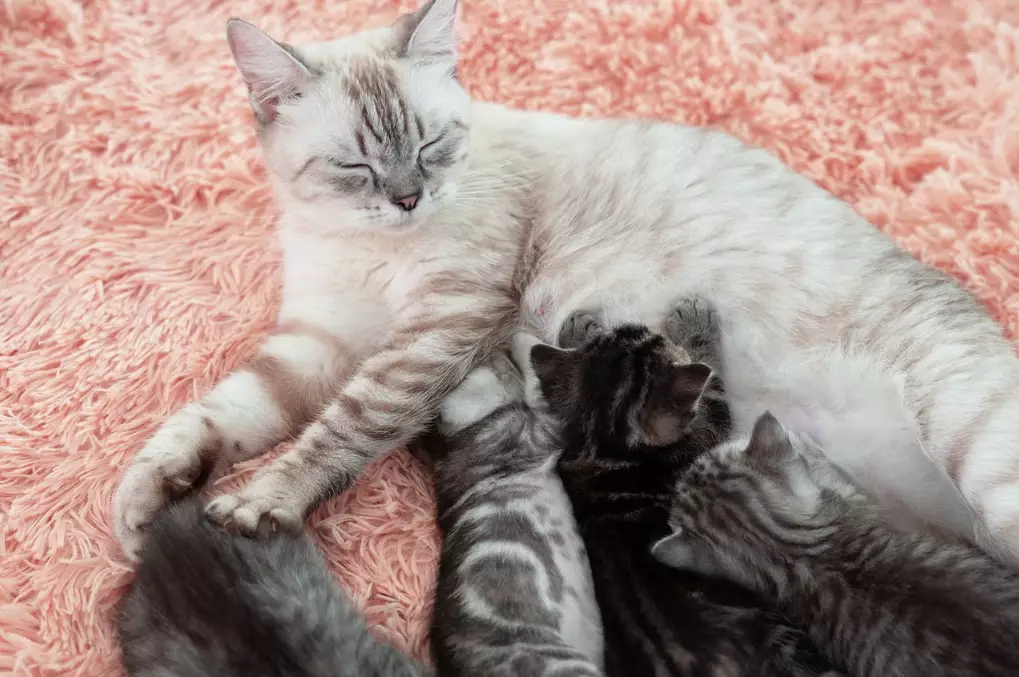
Your Top Cat Pregnancy Questions Answered
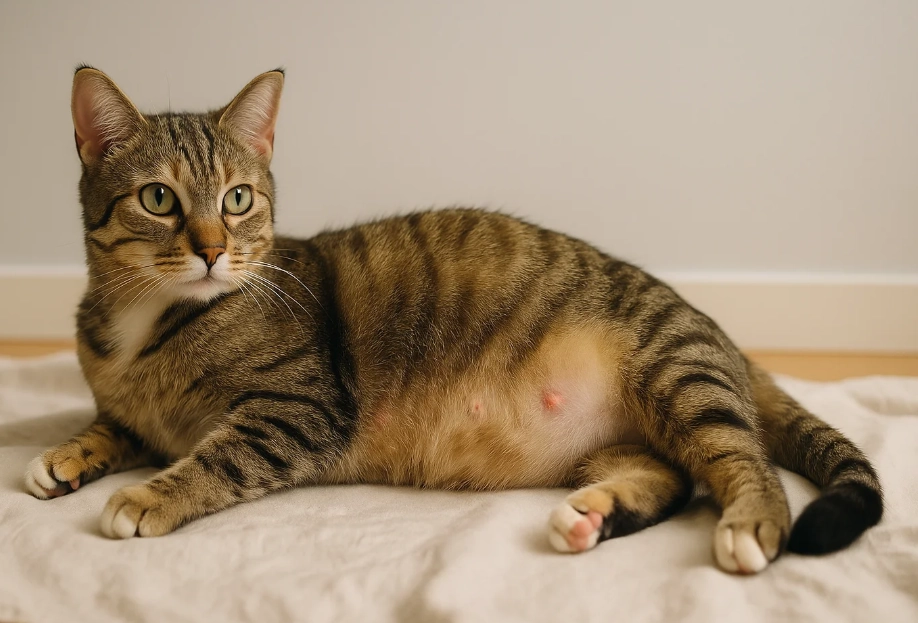 Understanding the cat gestation period is about more than marking days off a calendar. It's about tuning into the physical and behavioral shifts, providing targeted care at each stage, and knowing when to let instinct take over and when to call for help. From that first pink nipple to the final push, your informed support makes all the difference in ensuring a safe journey for your queen and her soon-to-arrive litter.
Related Articles