Can Dogs Eat Cheese? A Vet's Guide to Safety, Benefits & Risks
You’re holding a piece of cheddar. Your dog is giving you the look. You pause. Can dogs eat cheese, or is this a bad idea? The short answer is: it’s complicated. Most dogs can handle a tiny bit of certain cheeses, but for many, it’s a one-way ticket to an upset stomach or worse. I’ve seen it all in my practice—the happy tail wags for a cheese cube and the emergency visits for a block of stolen brie. Let’s cut through the noise and get into what really matters.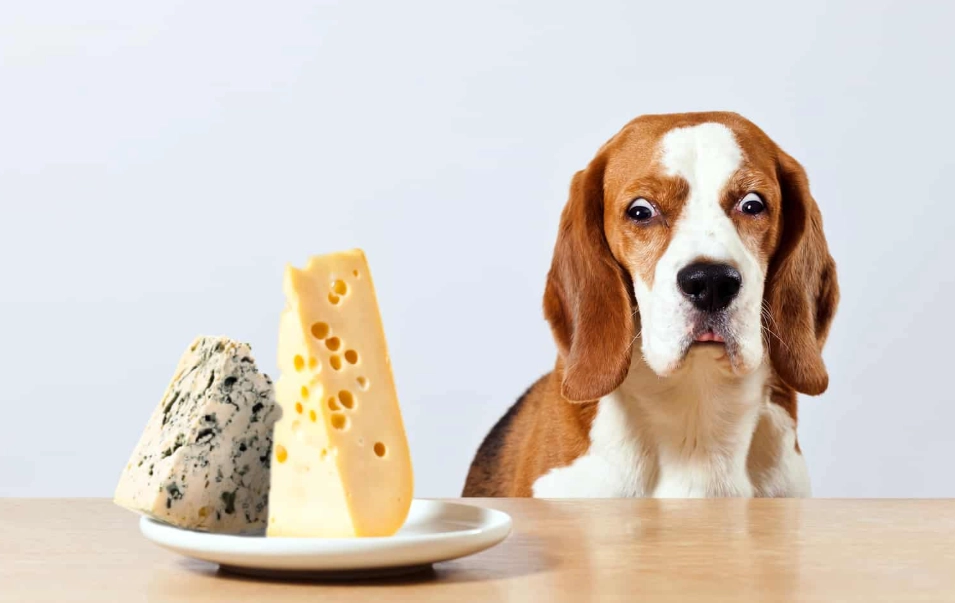
What's Inside This Guide
The Cheese Conundrum: Why It's Not a Simple Yes or No
Think of cheese like a medication. In tiny, controlled doses, it can be beneficial (hello, pill pockets!). In large, unmonitored amounts, it causes problems. The core issues are threefold: lactose, fat, and salt.
Most adult dogs are lactose intolerant to some degree. They lack sufficient lactase, the enzyme needed to digest the sugar (lactose) in milk products. Aged, hard cheeses like cheddar or parmesan have very little lactose left, which is why they’re often better tolerated than a glass of milk.
The fat content is a silent culprit. High-fat cheeses can lead to pancreatitis—a painful and serious inflammation of the pancreas. This isn’t a minor tummy ache; it often requires hospitalization.
And salt? Too much sodium can lead to increased thirst, urination, and in severe cases, sodium ion poisoning.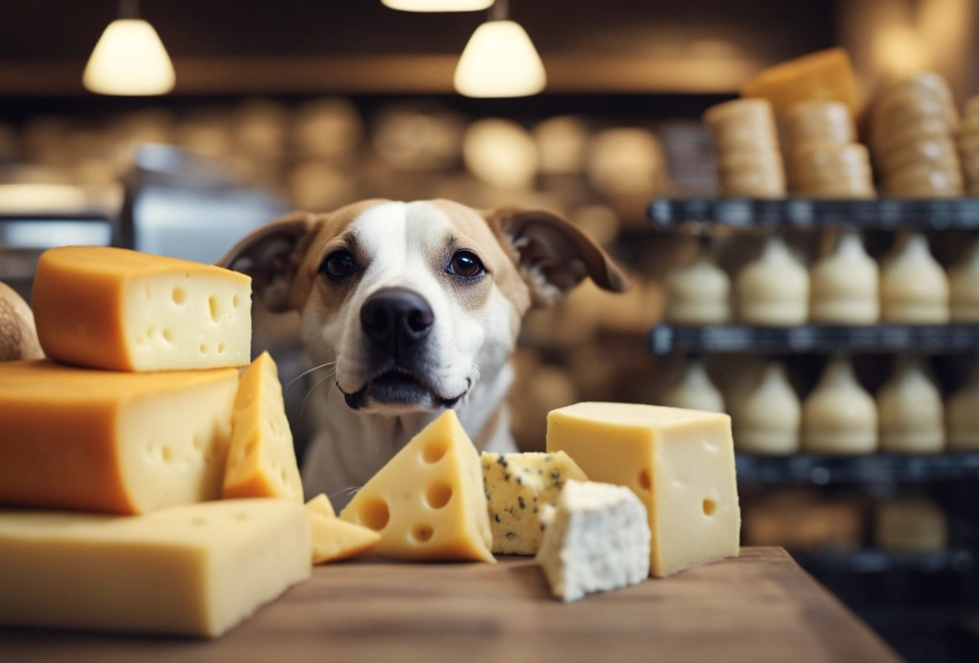
A Personal Note: I use small cubes of low-fat mozzarella to train my own senior dog. It’s high-value for him and low-risk. But I measure it. Every time. That’s the key most owners miss—they eyeball it, and an “extra little bit” becomes 10% of the dog’s daily calories.
The Safe List: Which Cheeses (Might) Get a Pass
Not all cheeses are created equal. If you're going to offer cheese, these are the types that pose the lowest risk, assuming your dog has no pre-existing health issues. Portion size is everything here—think “taste,” not “snack.”
| Cheese Type | Why It's Safer | Key Consideration & Serving Tip |
|---|---|---|
| Cheddar (Mild, Low-Fat) | Low lactose, readily available. A common choice for hiding pills. | Opt for mild over sharp (lower fat). A cube no larger than a dice for a medium dog. |
| Mozzarella (Part-Skim) | Generally lower in fat and salt compared to many hard cheeses. | Shred a tiny amount. The stringy texture can be fun but supervise to prevent gulping. |
| Swiss | Low in lactose. The holes mean slightly less cheese per bite! | Watch for added sodium in some brands. A thin slice is plenty. |
| Cottage Cheese (Low-Fat, No Salt Added) | High in protein and calcium, lower in fat. Often recommended for bland diets. | This is the best option for a rare treat. One to two teaspoons for a large dog. |
| Parmesan (Grated) | Very low lactose due to long aging. Intense flavor means you use less. | Sprinkle a pinch on regular food as a flavor booster, not a handful. |
Honestly, I tell most clients to just use cottage cheese if they feel compelled to give dairy. It’s the least likely to cause issues.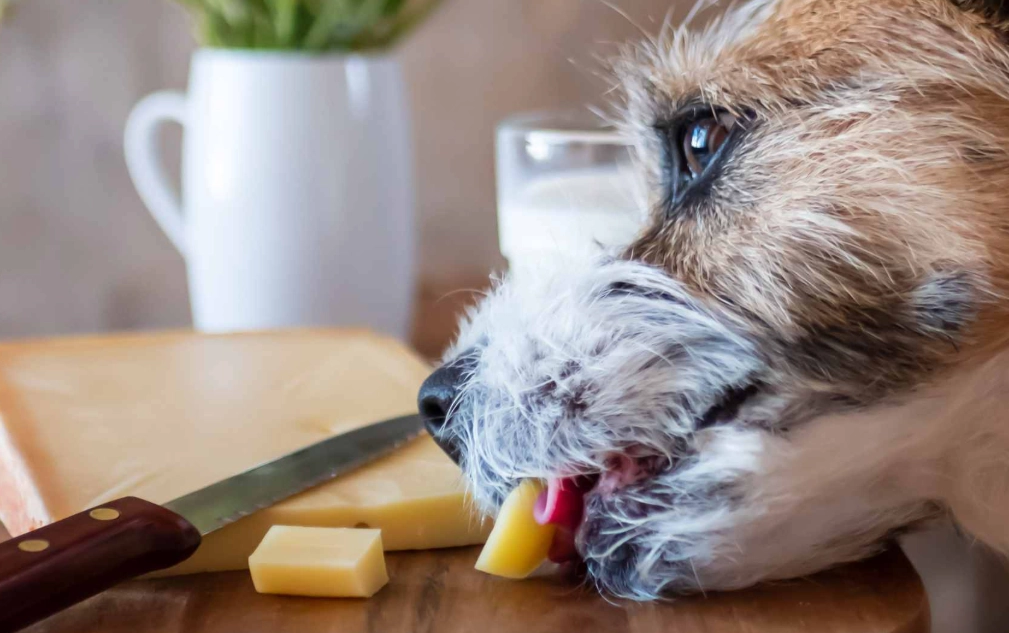
The Danger Zone: Cheeses to Avoid Completely
Some cheeses are an absolute no. Don't negotiate with these. The risks far outweigh any potential “yum” factor for your dog.
Blue Cheese, Roquefort, Gorgonzola: These contain roquefortine C, a substance produced by the mold that can cause vomiting, diarrhea, high temperatures, and even seizures in dogs. The potency varies, but why risk it?
Any Cheese with Additives: This includes cheeses with garlic, onions, chives, or herbs. Garlic and onions are toxic to dogs, damaging their red blood cells. That pesto-infused goat cheese log? A hard pass.
Highly Processed “Cheese Products”: American cheese slices, cheese spreads, spray cheese. These are loaded with salt, artificial flavors, and preservatives. They offer zero nutritional benefit and a high sodium hit.
Soft, Rich Cheeses: Brie, Camembert, triple-cremes. These are extremely high in fat, increasing pancreatitis risk. They also tend to have a higher moisture content and can sometimes harbor more harmful bacteria like listeria.
The Lactose Intolerance Reality Check
Many owners say, “But my dog loves milk and is fine!” Some dogs do have robust digestive systems. However, lactose intolerance often worsens with age and isn't always dramatic. It might be subtle: a bit of gas, slightly softer stools the next day. You might not connect it to the cheese scrap from two days ago. It’s a cumulative, slow-burn issue for many.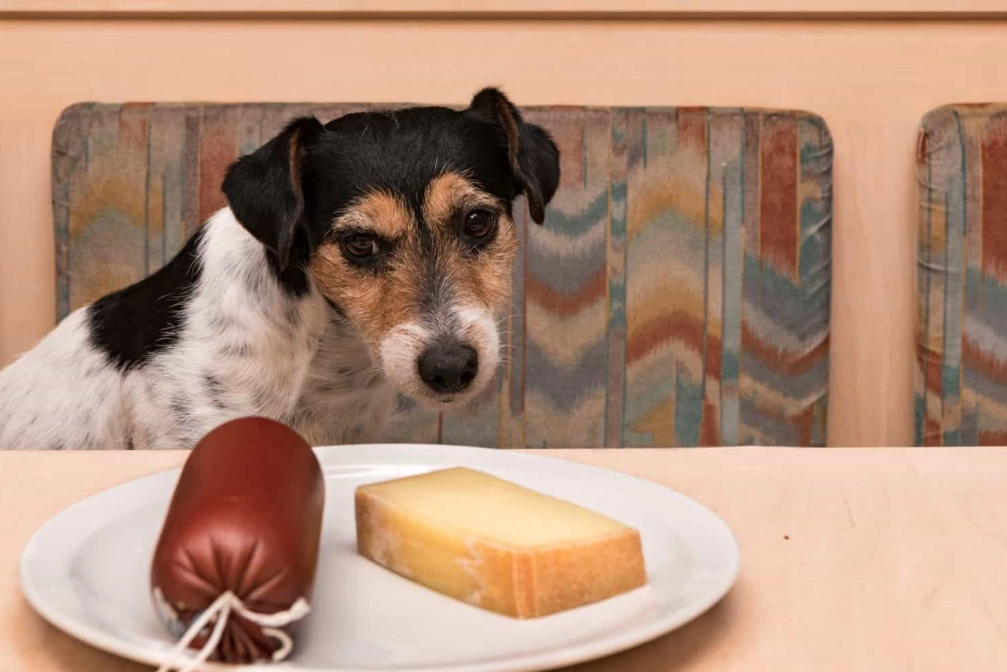
How to Safely Introduce Cheese to Your Dog's Diet
If you’ve read this far and still want to try, here’s the protocol. Treat it like a science experiment, not a treat giveaway.
Step 1: The Tiny Test. Offer a piece of cheese no larger than a pea. Use a safe type from the list above—cottage cheese or a crumb of mozzarella is ideal.
Step 2: The 48-Hour Watch. Monitor for any changes in behavior, energy, or stool consistency over the next two days. Look for signs of digestive upset or excessive thirst.
Step 3: Calculate the Calorie Allowance. Treats, including cheese, should never make up more than 10% of your dog’s daily calories. For a 50-pound dog needing about 1000 calories a day, that’s 100 calories from treats. One ounce of cheddar is about 110 calories—it adds up fast.
Step 4: The Portion Rule. A common guideline is no more than a few small cubes per week for a medium-to-large dog, scaled down for smaller breeds. I prefer the “teaspoon rule”: no more than one teaspoon of cheese per 10 pounds of body weight, per week, not per day.
Do This
- Use cheese sparingly as a high-value training reward.
- Choose low-fat, low-sodium options like cottage cheese.
- Cut cheese into tiny, pea-sized pieces.
- Integrate it into a food puzzle toy to slow consumption.
- Consult your vet if your dog has a history of pancreatitis or obesity.
Avoid This
- Give cheese as a regular daily snack.
- Offer cheese to dogs with known dairy sensitivities.
- Use moldy or blue-veined cheeses.
- Leave a cheese platter unattended where your dog can reach it.
- Assume “a little bit” won’t hurt without checking the fat/salt content first.
Using Cheese as a Training Tool (The Right Way)
This is where cheese shines. Its strong smell and taste make it irresistible for difficult tasks like recall or nail trimming.
But here’s the expert trick: mix it up. Don’t just use cheese. Have a treat pouch with cheese, small bits of boiled chicken, and commercial training treats. Vary the rewards. This keeps your dog guessing and motivated, and it prevents them from consuming too much of any one thing.
For pill-giving, low-fat cream cheese or a soft cheese spread (check the ingredients!) can be more effective and use less product than trying to hide a pill in a chunk of cheddar.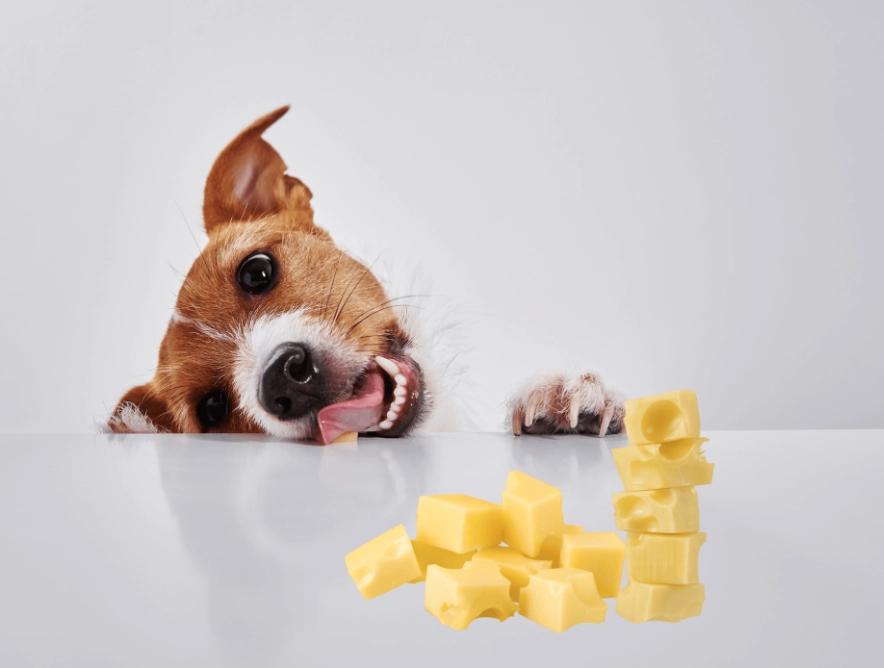
Your Top Cheese & Dog Questions Answered
First, don't panic, but act quickly. Identify the type and approximate amount eaten. If it was a large amount of any cheese, or any amount of a toxic type (like blue cheese or one with garlic), call your veterinarian or the ASPCA Animal Poison Control Center immediately. For a large block of a standard cheese like cheddar, monitor closely. Your dog will likely experience vomiting, diarrhea, and extreme thirst. Withhold food for 12-24 hours, provide small amounts of water, and call your vet for advice. A large fat intake can trigger pancreatitis, which needs professional treatment.
Yes, absolutely. Breeds predisposed to pancreatitis, like Miniature Schnauzers, Yorkshire Terriers, and Cocker Spaniels, should avoid high-fat cheeses entirely. Smaller breeds and puppies will also feel the effects of rich foods more acutely due to their size. Brachycephalic breeds (like Bulldogs, Pugs) who are prone to digestive gas might have a worse time with any lactose. Know your dog's breed-specific vulnerabilities.
You have better options. For training, use tiny bits of boiled chicken breast, freeze-dried liver, or commercial treats specifically designed for training (they're often small and low-calorie). For a food topper or occasional snack, a spoonful of plain, non-fat yogurt (which has active cultures to help digestion) or pure pumpkin puree (not pie filling) are fantastic choices. They provide flavor and potential health benefits without the fat and salt bomb of cheese.
No, cheese is more likely to cause these issues than solve them. For constipation, fiber from pumpkin or a vet-recommended supplement is better. For an upset stomach, the classic bland diet is boiled white meat chicken and white rice, or plain, low-fat cottage cheese mixed with rice under veterinary guidance. Cheese alone is not a remedy.
Sometimes. Goat's and sheep's milk have slightly different protein structures and fat molecules, and some dogs with sensitivities to cow's milk may tolerate them better. However, they still contain lactose and fat. The same rules apply: choose aged, hard varieties in minute quantities, and avoid any with added flavors or herbs. They are not a “free pass” but can be an alternative for some sensitive dogs after careful testing.
 So, can dogs eat cheese? The responsible answer is: they can, but they often shouldn't. For the vast majority of dogs, it's an unnecessary risk with minimal benefit. There are safer, healthier ways to reward your pup. If you choose to use it, treat it like a potent spice—a tiny pinch for flavor, not a main ingredient. Your dog's digestive system will thank you.
Related Articles