Why Do Cats Purr? The Real Reasons Behind the Mysterious Sound
Jump to What Matters
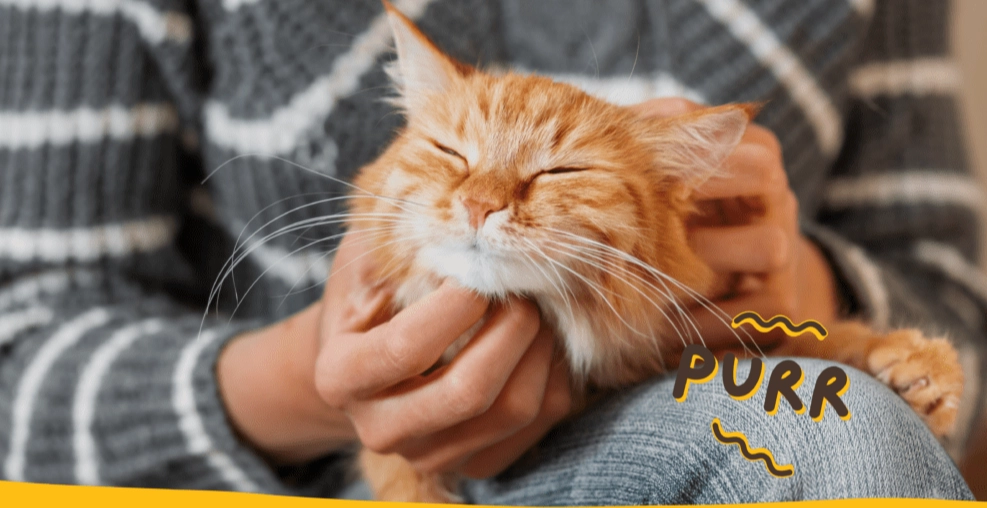
You're curled up on the couch, your cat nestled in your lap, purring away. It feels like pure bliss. But hold on—what if I told you that purring isn't always about happiness? After a decade of working with cats and observing my own feline companions, I've learned that purring is a complex behavior with layers most pet owners miss. Let's cut to the chase: cats purr for many reasons, from contentment and bonding to stress relief and even self-healing. This article dives deep into the why, how, and what-to-do about cat purring, backed by science and real-life experience.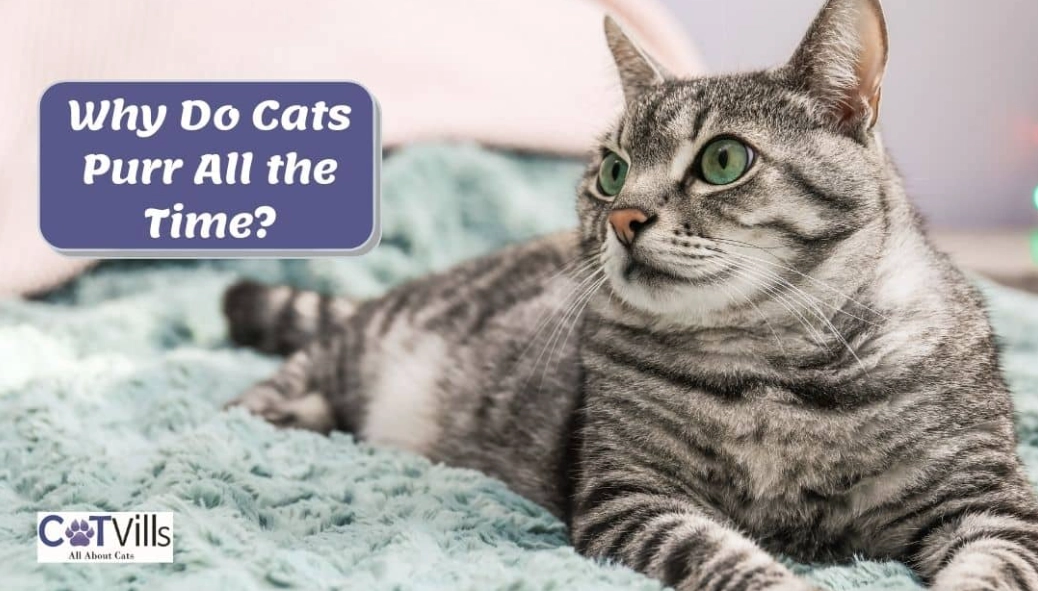
The Science Behind Cat Purring
First off, how do cats even produce that rumbling sound? It's not just a simple vibration. Research from institutions like the University of California, Davis suggests that purring involves rapid contractions of the laryngeal muscles, combined with diaphragm movement, creating frequencies between 25 and 150 Hertz. These low-frequency vibrations are key—they're not just noise; they might promote bone density and tissue repair. I remember reading a study from the Journal of the American Veterinary Medical Association that hinted at purring as a natural healing mechanism. Think of it as a built-in therapy session for your cat.
Here's a twist many newcomers overlook: purring isn't exclusive to domestic cats. Big cats like cheetahs and cougars purr too, but lions and tigers don't—they roar instead. This difference stems from throat anatomy. For house cats, purring starts early; kittens purr while nursing to signal well-being to their mothers. It's a survival tool from day one.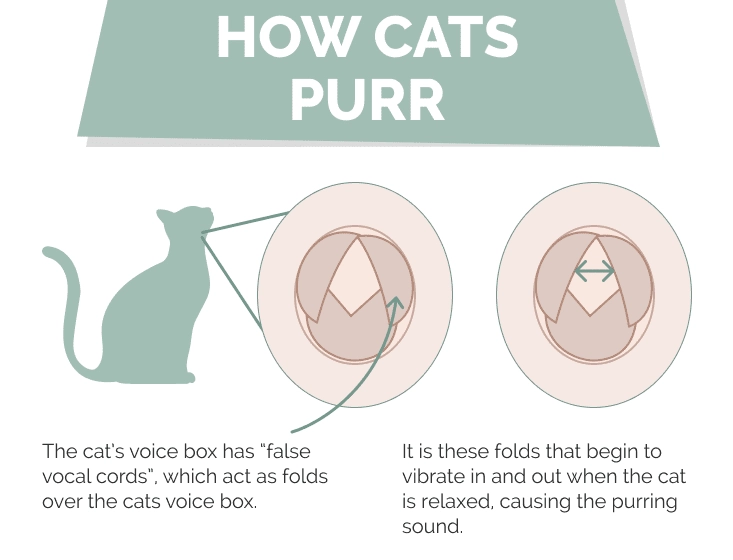
Key Takeaway: Purring is a physiological process involving muscle contractions, and its frequencies may have therapeutic benefits, something often ignored in basic pet guides.
Common Reasons Why Cats Purr
Most people assume purring equals happiness. That's partly true, but it's a oversimplification. Based on my observations and veterinary insights, here are the top scenarios where cats purr, ranked by how often owners misinterpret them.
| Scenario | Likely Reason for Purring | Common Misconception |
|---|---|---|
| Curled up on your lap | Contentment and bonding | Always pure joy—but sometimes it's just comfort seeking |
| During a vet visit | Stress or self-soothing | Happiness or relaxation (often wrong!) |
| After an injury or illness | Pain relief or healing | Sign of recovery—actually, it might indicate ongoing discomfort |
| While giving birth | Stress reduction and pain management | Maternal happiness—more about coping |
| When hungry or begging | Manipulation or anticipation | Pure affection—cats can use purring to get what they want |
Let me share a personal story. My cat, Whiskers, once purred loudly after a minor surgery. I thought he was fine, but the vet pointed out it could be a pain response. That taught me to always check the context. Purring in stressful situations, like at the clinic, is a classic example of self-soothing—it's like a cat's version of deep breathing.
Another non-consensus point: purring isn't always voluntary. Some experts argue it's an innate reflex triggered by emotional states, not a conscious choice. This means your cat might purr even when they're not "trying" to communicate, which complicates interpretation.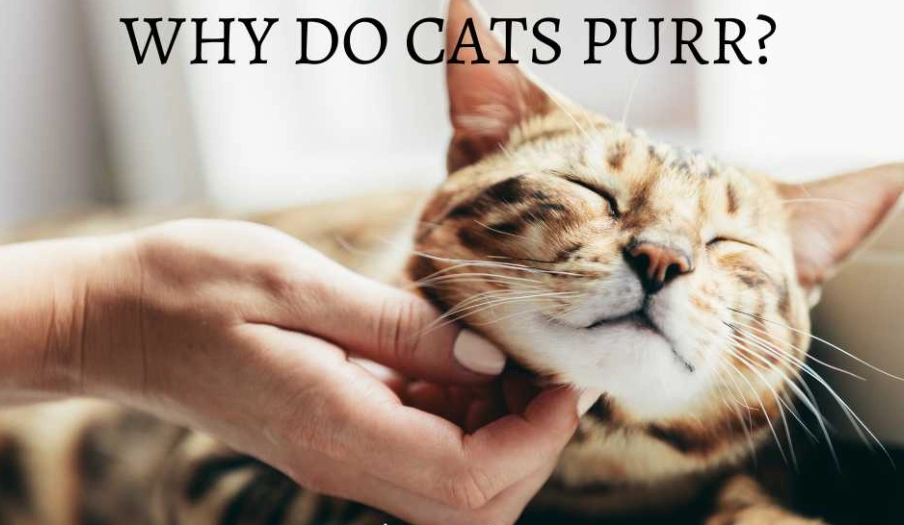
Purring as a Self-Healing Tool
This is where it gets fascinating. Studies, including those referenced by the International Cat Care organization, suggest that purring frequencies can promote bone growth and wound healing. The vibrations might stimulate cellular repair. So, when your cat purrs while resting after a playtime injury, it's not just relaxing—it could be actively aiding recovery. I've seen this in older cats with arthritis; their purring seems to spike during flare-ups, possibly as a natural painkiller.
How to Interpret Your Cat's Purring
Decoding purring requires looking beyond the sound. It's about body language, timing, and environment. Here's a practical approach I've developed over years.
Check the eyes and ears: If your cat is purring with half-closed eyes and relaxed ears, it's likely contentment. But if the ears are flattened or the eyes are wide, stress might be the driver. I once fostered a rescue cat that purred constantly with dilated pupils—turned out she was anxious in her new home.
Monitor the situation: Purring during petting? Probably pleasure. Purring alone in a corner? Could be illness. A common mistake is assuming all purring is positive; in reality, cats often purr when sick to comfort themselves. The American Society for the Prevention of Cruelty to Animals (ASPCA) notes that purring can mask pain, making it harder to detect health issues.
Listen to the pitch: Some owners report that pain-related purring is louder or more persistent. While not scientifically proven, in my experience, a harsh, grating purr might signal discomfort. Trust your gut—if something feels off, consult a vet.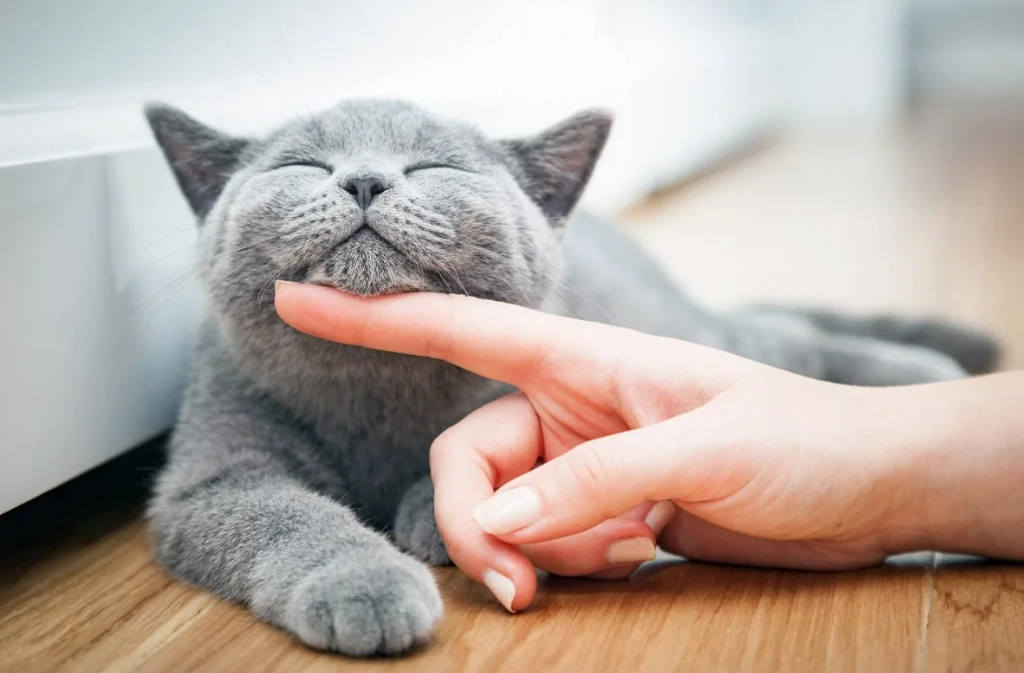
Expert Tips for Responding to Cat Purrs
So, what should you do when your cat purrs? Don't just sit there—engage thoughtfully. Here are actionable steps based on feline behavior research.
- For contentment purrs: Reinforce the bond. Gentle petting, especially around the cheeks and chin, can deepen trust. Avoid overstimulation; if the purring stops or the tail twitches, give space.
- For stress purrs: Create a calm environment. Reduce noise, offer a hiding spot like a cardboard box, and use pheromone diffusers. I've found that playing soft music can sometimes soothe a purring, anxious cat.
- For pain-related purrs: Seek veterinary advice immediately. Don't wait—purring can delay diagnosis. Keep a log of when and how your cat purrs to share with the vet.
One pro tip many miss: use purring as a training tool. If your cat purrs during positive interactions, reward with treats to reinforce good behavior. But be cautious—some cats purr manipulatively to get food, so balance with portion control.
Industry insiders, like those at cat behavior conferences, often emphasize that responding to purring isn't one-size-fits-all. It depends on your cat's personality. My senior cat prefers quiet companionship when she purrs, while my younger one wants playtime. Observe and adapt.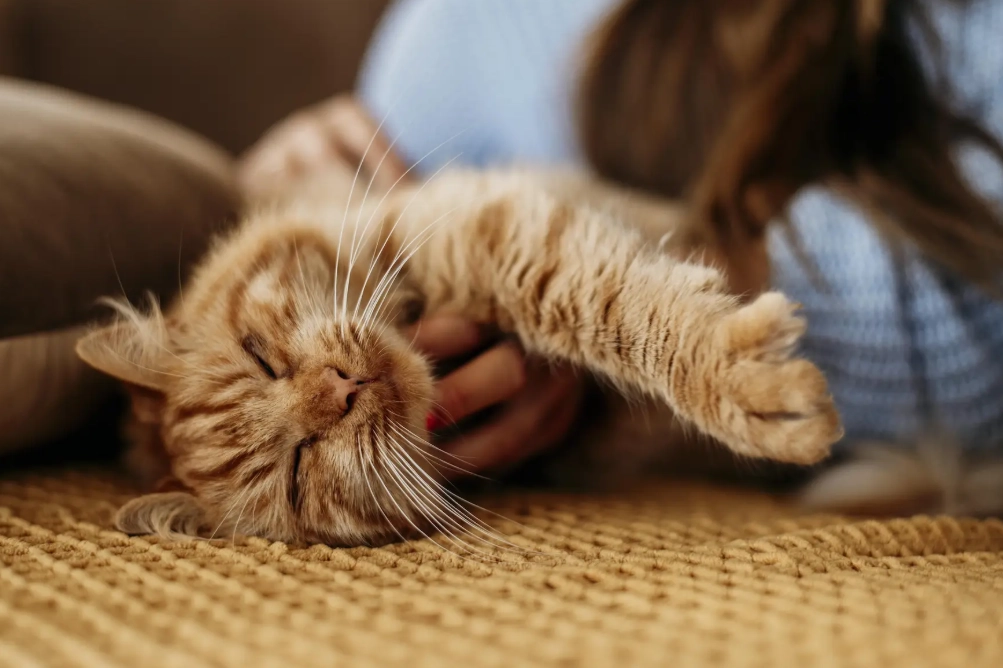
Your Burning Questions Answered
 Why does my cat purr when I'm not petting her?
Wrapping up, cat purring is a multifaceted behavior that goes beyond simple happiness. By understanding the science, reasons, and interpretation, you can build a deeper connection with your feline friend. Remember, purring is a tool—for communication, healing, and survival. Use this knowledge to respond better, and you'll likely see fewer misunderstandings and a happier cat.
Related Articles