Your Complete Guide to Hypoallergenic Cat Breeds & Living Allergy-Free
Let's be honest right from the start. If you're reading this, you're probably in that heartbreaking spot where you love cats but your body screams "no" every time you're near one. Sneezing, itchy eyes, maybe even trouble breathing. I get it. I've watched friends go through the same frustration, desperately searching for that magical hypoallergenic cat that will let them have their feline cake and eat it too, without the allergic reaction. The term "hypoallergenic cat" gets thrown around a lot. Breeders use it, pet stores use it, and hopeful future cat owners cling to it. But what does it actually mean? And more importantly, is there such a thing as a truly allergy-free cat? The answer is more nuanced than a simple yes or no, and that's what we're going to unpack together. This is the biggest misconception, and clearing it up changes everything. Most people think cat allergies come from cat hair. That's only part of the story, and honestly, it's not even the main character. The primary villain for about 90% of people with cat allergies is a protein called Fel d1. Cats produce this protein in their saliva, skin (sebaceous glands), and, to a lesser extent, their urine. When a cat grooms itself (which they do constantly), the saliva dries on their fur. The Fel d1 protein then becomes airborne on tiny, microscopic flakes of skin called dander. This dander is lighter than dust and can stay suspended in the air for hours, settling on every surface in your home—curtains, bedding, clothes, you name it. So, you're not allergic to the hair itself. You're allergic to the protein *on* the hair and skin. This is why even hairless cats aren't a guaranteed fix—they still produce saliva and skin dander loaded with Fel d1. Other less common allergens include Fel d4 (another protein in saliva) and proteins in cat urine. But Fel d1 is public enemy number one. Understanding this is your first step toward a solution. The goal with a low allergy cat isn't to find one with no fur, but to find one that naturally produces less of this problematic protein or sheds less of the protein-coated dander into your environment. Okay, let's talk about the cats themselves. While no breed is a sure bet, some are consistently reported by allergy sufferers as being more tolerable. It's crucial to remember that individual variation is huge. One Siberian might trigger your allergies, while another might not. Always spend significant time with a specific cat before bringing it home. Here’s a breakdown of the top contenders often labeled as hypoallergenic cat breeds. I've ranked them not just on anecdotal evidence, but on the science we have about their Fel d1 production and grooming habits. See what I mean about nuance? A Sphynx needs more maintenance than a Siberian, even though one is hairless. A Bengal's low-shedding coat might be more effective than a long-haired cat's tendency to hold dander. It's a puzzle. Choosing a potentially hypoallergenic cat breed is just the first battle. The war is won or lost in your daily habits and home environment. If you bring home a Siberian and then never clean your house, you'll likely still suffer. Here’s your multi-layered defense strategy. Your mission is to reduce airborne and settled allergens. This is about reducing the allergen at the source and on yourself. Don't neglect your own health in this equation. See? It's a full-system approach. The cat breed is just one piece of a much larger puzzle for achieving cat allergy relief. Let's get real about the science, because the internet is full of bold claims. The research on truly hypoallergenic cats is ongoing but limited. The most talked-about study comes from a company that was trying to breed genetically modified cats that didn't produce Fel d1. That's fascinating, but those cats aren't on the market (and raise their own ethical questions). Independent studies on specific breeds like the Siberian have shown mixed results—some cats in the breed have low Fel d1, others have normal levels. There is no breed-wide genetic guarantee. What does this mean for you? It means you should be deeply skeptical of any breeder who guarantees a 100% hypoallergenic cat. A responsible breeder will let you visit, spend time with the adult cats and kittens, and see how you react. They'll be honest about the variability. I'm personally a bit wary of the trend around "designer" hypoallergenic cats that cost a small fortune. The promise often outweighs the proven reality. Intact male cats generally produce higher levels of Fel d1 than females or neutered males. So, a neutered male or a female cat is theoretically a better choice. It's a small factor, but every bit helps. Sometimes. Kittens produce fewer allergens until they reach sexual maturity. You might be fine with a kitten for a few months, then start reacting as it grows up. This is a common and heartbreaking scenario. Always try to spend time with the kitten's *parents* if possible, as their allergen level is a better predictor of the kitten's future output. Immunotherapy (allergy shots) has a strong success rate for many people with cat allergies. It's not a quick fix—it requires regular injections or tablets for years. But for many, it can reduce symptoms significantly or even eliminate them. It's the closest thing we have to a "cure" and is worth a serious discussion with your allergist. Not a quick, at-home test. The gold standard is repeated, prolonged exposure. Some allergists can test your reaction to an extract made from a specific cat's dander, but this is rare. The best test is still the old-fashioned one: visit the cat multiple times for long periods. This happens more often than you think. Don't panic and don't immediately think you have to rehome your friend. Start implementing the environmental and personal care strategies listed above aggressively. See an allergist to get your symptoms under control with medication. Many people manage quite well with a combination of meds and cleaning, even with a non-hypoallergenic breed. Look, bringing a pet into your home is a 15-20 year commitment. It's emotional and financial. Adding allergies into the mix makes it a high-stakes decision. Here’s my blunt advice: If your allergies are severe (asthmatic reactions, significant swelling, difficulty breathing), you need to be extremely cautious. No breed is safe enough to risk a life-threatening reaction. Your health must come first. In these cases, working with an allergist for years to potentially build tolerance through immunotherapy before getting a cat might be the only responsible path. For those with mild to moderate allergies, the path is clearer but still requires work. The combination of a carefully selected low-allergen breed, a militant cleaning routine, and proper medical management for yourself can create a happy, sniffle-free life together. Do your homework. Visit breeders and shelters. Spend real time with the cats. Talk to your doctor. Prepare your home. It's not the easy path of just picking any kitten from a box, but for a true cat lover held back by allergies, finding that compatible hypoallergenic cat can feel like a miracle. It's about managing expectations, taking control of your environment, and making informed choices. The purr on your lap and the head bump on your hand might just be possible after all.Quick Guide
What Are You Actually Allergic To? (Spoiler: It's Not Just the Fur)
Fact: Often the opposite! Long-haired cats may trap dander closer to their skin, while short-haired cats shed more frequently, sending dander flying more often. The length of the hair is less important than the amount of Fel d1 produced and how much dander is shed.Breeds That Might Give You a Fighting Chance
Breed
Shedding Level
Reported Fel d1 Level
Key Traits & Why They Might Work
Grooming Needs
Siberian
Moderate to High (Seasonal)
Reportedly Lower
This is the big one. Many breeders and some (though not all) preliminary studies suggest some Siberians produce significantly less Fel d1 protein. It's not all Siberians, but the trend is strong enough to make them the #1 hope for many.
High. Their thick triple coat needs regular brushing to prevent mats.
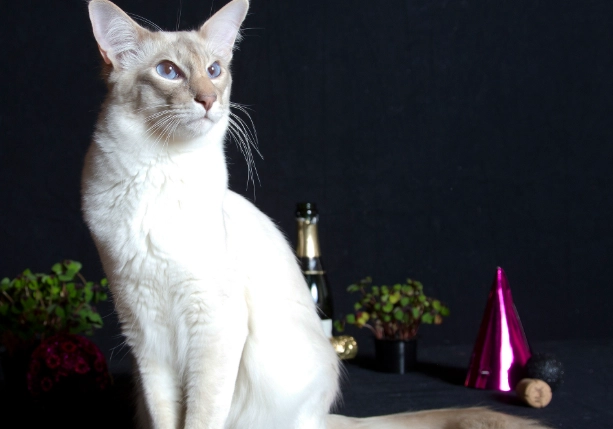
Balinese
Low to Moderate
Potentially Lower
Often called the "long-haired Siamese," they have a single, fine coat that sheds less dander. They are also fastidious groomers, which could be a double-edged sword (more saliva).
Moderate. Their silky coat is less prone to matting than other longhairs.
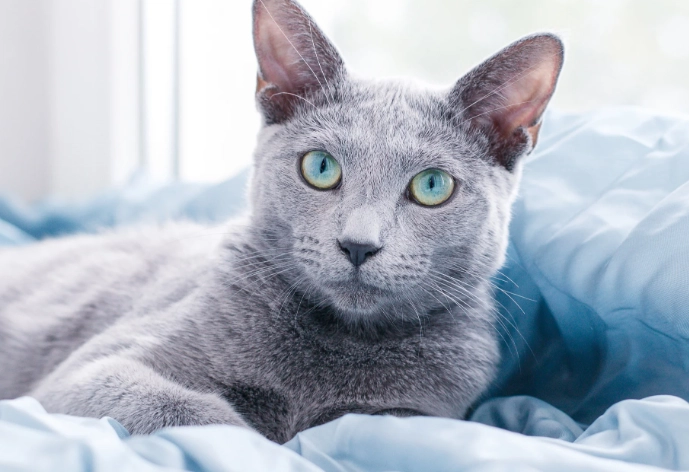
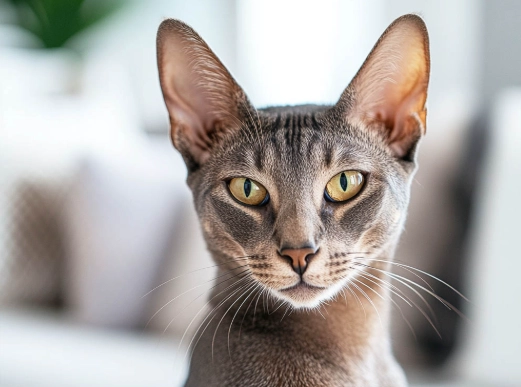
Russian Blue
Low
Unknown but Anecdotally Low
Their dense, plush double coat tends to hold onto dander rather than releasing it into the air. They are also known for being somewhat reserved and less "in-your-face," which can mean less direct allergen contact.
Low. A weekly brush is usually sufficient.
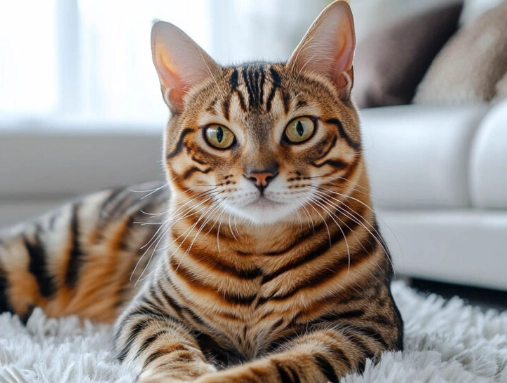
Bengal
Very Low
Unknown
Their unique, pelt-like coat sheds minimally. Less shedding means less dander and hair being spread around your house. They are energetic and need lots of play.
Very Low. Occasional brushing is enough.
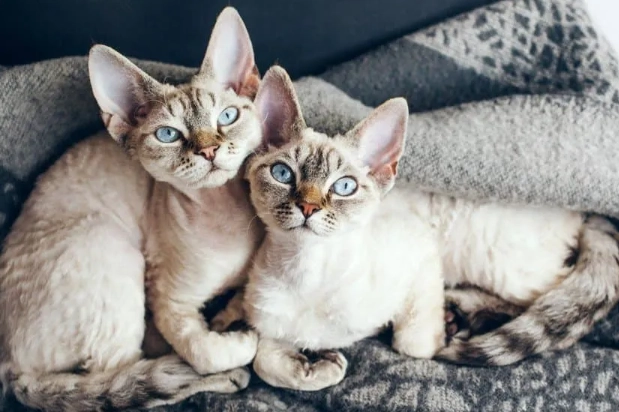
Cornish Rex / Devon Rex
Very Low
Unknown
They only have a downy undercoat (Cornish) or a wavy, thin coat (Devon). They shed very little, so there's less hair to carry allergens around. They do require regular bathing to manage skin oils.
Moderate. They need occasional baths and ear cleaning.
Sphynx
Hairless
Normal
The most obvious choice, but a tricky one. They still produce Fel d1 in saliva and skin oils. Without hair, the oily dander can build up on their skin and transfer directly to you and your furniture. They require weekly bathing.
Very High. Weekly baths are mandatory to remove oily residue.
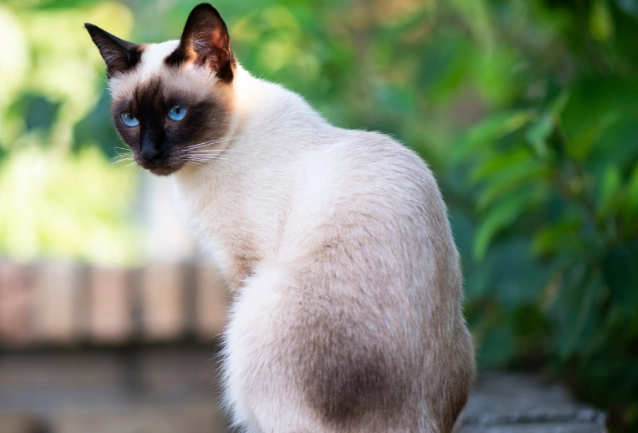
Siamese / Oriental Shorthair
Low
Unknown
Their short, fine coats shed less. They are vocal and social, which means lots of close contact—good for the soul, potentially challenging for allergies.
Low. Minimal grooming needed.
Beyond the Breed: Your Action Plan for Allergy Management
Layer 1: The Environmental Cleanse
Layer 2: Personal and Feline Care
Layer 3: Medical Management for You
Cutting Through the Hype: What the Science Says (And Doesn't Say)
Your Burning Questions, Answered
Are male or female cats better for allergies?
Do kitten allergies differ from adult cat allergies?
What about "allergy shots" for me? Do they work?
Is there a test to see if I'll react to a specific cat?
What if I already have a cat and just developed allergies?
The Final Word: Is a Hypoallergenic Cat Right for You?