Pomeranian Chihuahua Mix: The Complete Guide to This Spirited Hybrid
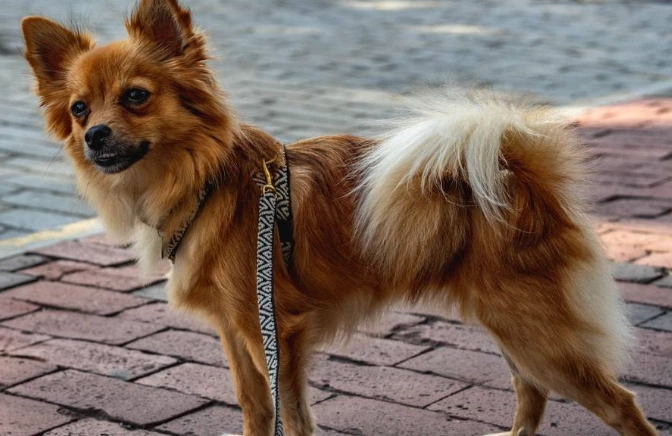
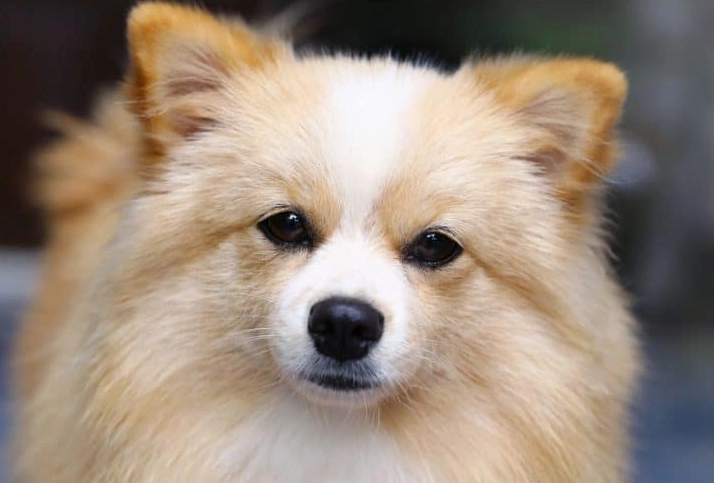
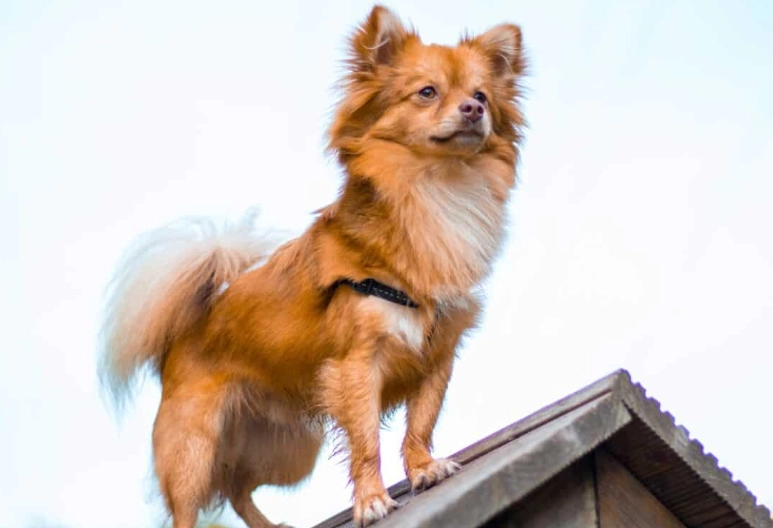
Let's be real, you probably saw a picture online. Maybe it was one of those impossibly cute faces with big, round eyes peeking out from a fluffy coat. The kind of photo that makes you go, "Aww, I need one!" That's exactly how my neighbor felt before she brought home Max, her little Pom Chi tornado. I've watched that dog go from a trembling ball of fur to the self-appointed sheriff of our cul-de-sac. It's been a journey, let me tell you. The Pomeranian Chihuahua mix, often called a Pom Chi or Chi-Pom, isn't an officially recognized breed by major kennel clubs like the American Kennel Club (AKC). It's what we call a designer hybrid, a deliberate cross between two purebreds: the spirited Pomeranian and the bold Chihuahua. The goal? To blend the Pomeranian's plush coat and fox-like expression with the Chihuahua's compact size and big personality. Sometimes it works beautifully. Sometimes you get a dog with the stubbornness of both parents. There's no real standard, which means every Pomeranian Chihuahua mix is a unique little surprise package. Just to be clear: I'm not a veterinarian or a professional dog trainer. I'm just someone who's spent a lot of time around small dogs, done a ton of research, and talked to breeders, owners, and rescuers. This guide is a mash-up of that knowledge, meant to give you the real, unfiltered picture. This is the million-dollar question. Because they're a mix, predicting the exact look of a Pomeranian Chihuahua mix puppy is like guessing the weather two weeks from now. You can make an educated guess based on the parents, but you're never 100% sure. It all comes down to which parent's genes shout the loudest. Some look more like miniaturized, long-haired Chihuahuas. Others are dead ringers for a teacup-sized Pomeranian. Most land somewhere in the middle. You might get the Chihuahua's iconic "apple dome" head shape or the Pomeranian's sharper foxy snout. The ears can be large and erect like a Chihuahua's or smaller and pointed like a Pom's. It's a genetic lottery. Their size is a bit easier to pin down. You're looking at a true toy dog. Most Pomeranian Chihuahua mix dogs weigh between 3 and 7 pounds when fully grown. Their height usually ranges from 6 to 10 inches at the shoulder. They fit in a handbag, but please, for the love of all that is good, don't treat them like a fashion accessory. They're living creatures with opinions. Coat types vary wildly. You could get: Colors? The sky's the limit. You'll see everything from classic cream, red, and sable (common in Poms) to black, white, chocolate, and even merle or brindle patterns (more common in Chis). A Pomeranian Chihuahua mix can come in virtually any color combination you can imagine. If you think their small size means a meek personality, you are in for a shock. The Pomeranian Chihuahua mix temperament is famously... large. They inherited confidence (some might say audacity) from both sides of the family tree. These dogs often have no concept of their own diminutive stature. They'll fearlessly challenge the mail carrier, the neighbor's German Shepherd, and that suspicious-looking leaf blowing across the yard. Let's break down what you're potentially signing up for: They are incredibly loyal. A Pom Chi often forms an intense, velcro-like bond with one special person. You will never go to the bathroom alone again. They are affectionate lap warmers, always ready for a cuddle session. Their intelligence is impressive—they learn tricks quickly when motivated (usually by food). And their energy, while bursts, means they can be great fun in short, playful spurts. They're portable, adaptable to apartment living, and their sheer cuteness can melt the iciest of hearts. Ah, the flip side. The most common issue? Barking. They can be prolific alert barkers. A doorbell, a footstep, a bird chirping outside—it's all cause for a vocal announcement. Without proper training, this can become a serious nuisance. Then there's the stubborn streak. Housebreaking can be a test of wills. They're smart enough to understand what you want, but sometimes they just can't be bothered, especially in bad weather. "Small Dog Syndrome" is a real risk—if you don't establish yourself as the calm, consistent leader, they will happily take the job and become yappy, possessive little tyrants. A quick rant: I see too many people laugh off bad behavior because the dog is small. A growling, snapping Pomeranian Chihuahua mix isn't "cute" or "feisty." It's a stressed or poorly socialized dog. This mindset does the dog a huge disservice and leads to the behavioral problems people complain about later. They can be wary of strangers and may not be the most welcoming hosts. Early and ongoing socialization is non-negotiable. They might also not be the best choice for homes with very young children who might handle them roughly. Their tiny bones are fragile. Hybrid vigor is a thing people talk about with mixed breeds, suggesting they're healthier than purebreds. While crossing gene pools can reduce the risk of some recessive disorders, it doesn't make the Pomeranian Chihuahua mix bulletproof. They inherit the potential health concerns of both parent breeds. Being proactive is key. A good start is understanding the health clearances responsible breeders should provide for the parent dogs. For Pomeranians, the AKC recommends checking for patella (kneecap) evaluations and cardiac exams. For Chihuahuas, patella and cardiac exams are also key. The single most important thing you can do for your Pomeranian Chihuahua mix's health? Keep them lean. An extra pound on a 5-pound dog is a 20% weight gain. That's massive stress on their joints, heart, and trachea. Follow feeding guides, measure food, and limit treats. The Association for Pet Obesity Prevention has great resources on ideal body condition. Find a vet who is experienced with toy breeds. They'll understand the specific anesthesia risks, drug dosage sensitivities, and common issues. Don't just go to the cheapest clinic; find someone you trust. Okay, so you've decided the personality fits. What does day-to-day care for a Pomeranian Chihuahua mix actually involve? If your mix has a longer coat, get ready to brush every other day, if not daily, to prevent painful mats, especially behind the ears, under the legs, and around the bum. A slicker brush and a metal comb are your best friends. Baths every 3-4 weeks with a gentle dog shampoo are plenty. Short-coated mixes are a breeze—a weekly brush with a rubber grooming mitt or soft bristle brush is sufficient. All Pom Chis need regular nail trims (every 2-3 weeks), ear cleaning, and that all-important dental care. These aren't marathon dogs. A couple of short walks (15-20 minutes each) and some active indoor play will usually satisfy their exercise needs. They love playing fetch with a tiny ball, tug-of-war with a soft toy, and puzzle games that make them think for their treats. Mental stimulation is just as tiring as physical exercise for a smart dog like this. My neighbor's trick: She taught Max to "find it" by hiding treats around the living room. It uses his nose and brain, and he's happily exhausted after 10 minutes of searching. It's a lifesaver on rainy days. Start the moment you bring your Pomeranian Chihuahua mix puppy home. Use positive reinforcement only—treats, praise, play. Harsh methods will backfire spectacularly with a sensitive, stubborn dog. Focus on the big three first: The barking. You have to address it. Don't yell "No!"—that just adds to the noise. Teach a "Quiet" command. The moment they stop barking (even to take a breath), say "Quiet" and immediately give a treat. You're capturing the behavior you want. Manage their environment—block their view of the street if they bark at passersby. This is a major decision with ethical and financial implications. If you choose this route, do not buy from a pet store or a website that ships puppies. These are almost always puppy mills. A responsible breeder of Pomeranian Chihuahua mix dogs will: Be prepared to be put on a waiting list. Good breeders don't always have puppies available. The cost can range from $800 to $2,500+, depending on location, the breeder's reputation, and the puppy's lineage. This is a wonderful option. Many Pomeranian Chihuahua mix dogs end up in shelters or breed-specific rescues because people weren't prepared for their big personalities. Check with: An adult dog from a rescue often comes with known personality traits and may already be house-trained. The adoption fee is typically much lower ($150-$400) and covers vaccinations and spay/neuter. You're also giving a second chance to a deserving animal. Here are the questions I get asked most often, the ones people are probably typing into Google. Look, the Pomeranian Chihuahua mix is not a low-maintenance, easy-going starter dog. They are a project. A delightful, hilarious, affectionate, and infuriating project. They demand time, patience, consistent training, and a commitment to their health and socialization. They are perfect for someone who wants a tiny, loyal companion with a larger-than-life personality, who lives in an apartment or small home, and who has the time to dedicate to their care and training. They're less ideal for first-time dog owners who are unsure about leadership, families with toddlers, or people who are away from home for long hours every day. Spend time with one if you can. Talk to owners (ask about the challenges, not just the cute stuff). Do your research. If you dive in with your eyes open, ready to be a confident, gentle leader, a Pomeranian Chihuahua mix can fill your life with an incredible amount of joy, laughter, and yes, a bit of chaotic energy for many, many years. Just remember to buy a good harness on day one.Quick Navigation
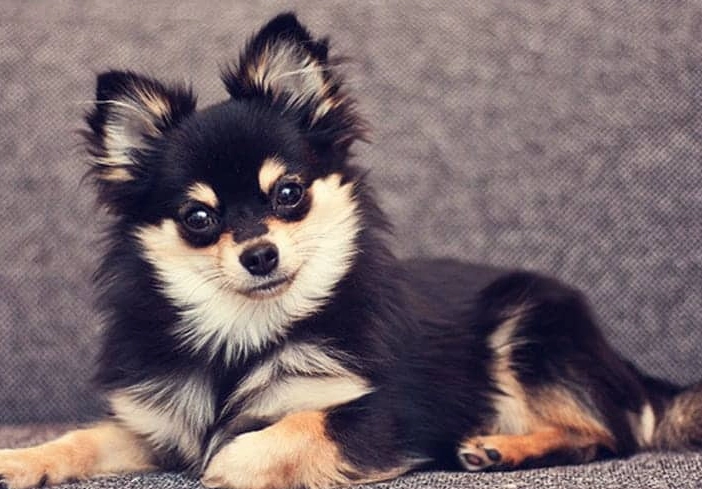
What Does a Pom Chi Actually Look Like? The Great Guess
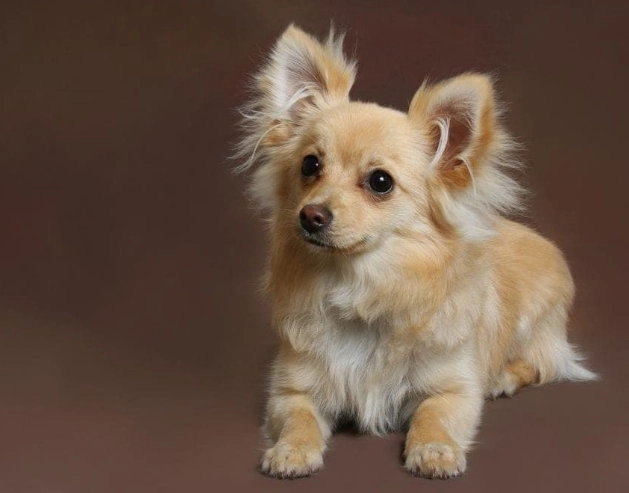
The Personality: Big Dog in a Tiny Body (No, Really)
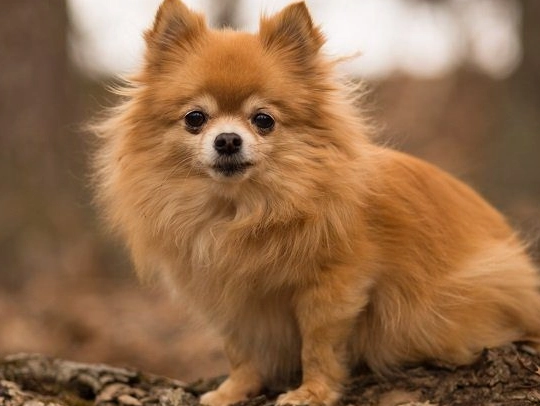
The Good Stuff (And It Is Really Good)
The... Challenging Stuff (Let's Be Honest)
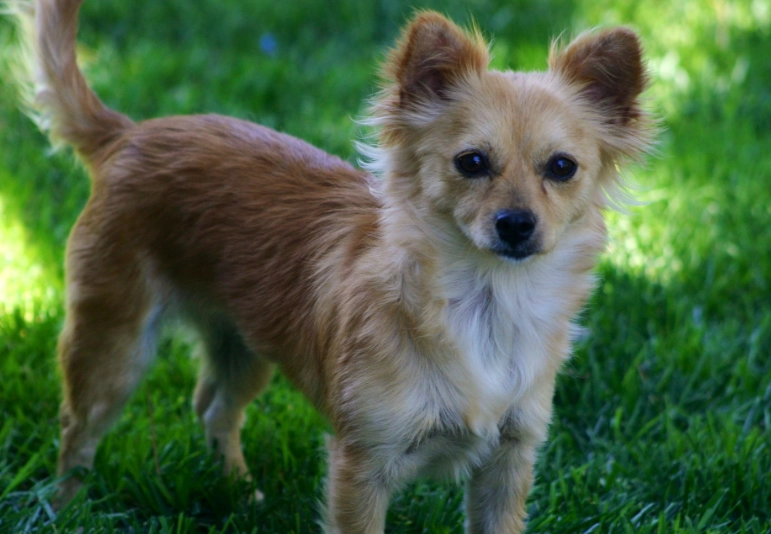
Keeping Your Pom Chi Healthy: What to Watch For
Health Concern
What It Is
Prevention/Tips
Patellar Luxation
A slipping kneecap. Very common in toy breeds. You might see your dog skip or hop on a rear leg for a few steps.
Keep your dog at a healthy weight. Avoid letting them jump on/off high furniture. Surgery is an option for severe cases.
Tracheal Collapse
A weakening of the windpipe rings, causing a honking cough. Often triggered by excitement or pressure from a collar.
Use a harness, never a collar, for walks. Manage excitement levels. Medications can help manage symptoms.
Dental Issues
Crowded teeth in a tiny mouth lead to rapid plaque buildup and gum disease.
Daily tooth brushing is the gold standard. Dental chews and water additives can help. Expect professional cleanings.
Hypoglycemia
Low blood sugar, especially in very small puppies. Can be life-threatening.
Feed small, frequent meals. Know the signs (lethargy, weakness, trembling) and have a sugar source (like honey) on hand for emergencies.
Eye Problems
Dry eye, cataracts, and progressive retinal atrophy (PRA) can occur.
Regular vet check-ups. Watch for cloudiness, redness, or excessive rubbing.
Heart Problems
Mitral valve disease and heart murmurs are seen in both parent breeds.
Annual vet checks with stethoscope exams. Early detection is crucial for management.
Daily Life with a Pom Chi: The Nitty-Gritty
Grooming: It Depends
Exercise: Quality Over Quantity
Training: Patience and Consistency are King
Finding Your Pomeranian Chihuahua Mix: Breeder vs. Rescue
Going Through a Breeder
Adoption and Rescue
Pom Chi FAQs: Answering Your Real Questions
The Final Word: Is a Pom Chi Right for You?