The Complete Maltipoo Owner's Guide: Temperament, Care & Training
Let's be honest, you've probably seen those adorable photos online – the fluffy, teddy-bear-like faces, the button eyes, the whole package. The Maltipoo has absolutely skyrocketed in popularity over the last decade, and it's not hard to see why. They're a cross between a Maltese and a Toy or Miniature Poodle, aiming to blend the best of both worlds. But before you get lost in the cuteness, there's a lot to unpack. I've talked to dozens of owners, breeders (the good ones and the not-so-good ones), and veterinarians. I've also had my own experiences with small companion breeds. This guide isn't just a list of facts; it's a deep dive into what life with a Maltipoo is actually like, the good, the bad, and the downright expensive parts of grooming. Ready to look beyond the Instagram filter? First things first, the Maltipoo is a designer hybrid, not a breed recognized by major kennel clubs like the American Kennel Club (AKC). That's important because it means there's no breed standard. One Maltipoo can look and act quite differently from another, depending on which parent they take after more. This variability is a double-edged sword. They were originally bred to be low-shedding, affectionate companion dogs. The Poodle side brings the smarts and the hypoallergenic coat (we'll get to that myth later), while the Maltese side brings a gentle, lap-dog devotion. The result? A dog that's often incredibly people-oriented. If I had to sum up the typical Maltipoo temperament in one word, it would be affectionate. These dogs thrive on human interaction. They want to be with you, on you, or at least in the same room as you, always. This is their greatest strength and, for some lifestyles, their biggest weakness. Honestly, the separation anxiety issue is what makes a Maltipoo a wrong fit for many people. It's a serious commitment, not just a cute accessory. Let's talk about that gorgeous coat. It's soft, it's curly or wavy, and it mats if you look at it wrong. I'm not exaggerating. The promise of a "low-shedding" dog is true – you won't find tumbleweeds of hair. But you trade vacuuming for brushing. You must commit to brushing your Maltipoo several times a week, if not daily, to prevent mats that are painful to remove and can harbor moisture and bacteria against the skin. Many owners opt for a short, manageable "puppy cut" that needs trimming every 4-6 weeks. Professional grooming is a significant, recurring expense. Add in regular ear cleaning (those floppy ears trap moisture), teeth brushing (small dogs are prone to dental issues), and nail trims. They're adaptable. A Maltipoo will be happy with a couple of short walks a day and some active playtime indoors. They have bursts of energy (the famous "zoomies") but are generally content to snuggle. Mental stimulation is just as important – puzzle toys, training sessions, and games keep their clever minds busy and prevent boredom. A fenced yard is great, but they are absolutely apartment-friendly as long as their potty and exercise needs are met. Just remember, they are companion animals, not backyard dogs. Hybrid vigor can mean better health than some purebreds, but they are prone to issues from both parent breeds. A good Maltipoo breeder will health-test the parent dogs. The average lifespan is 12-15 years, so this is a long-term friend. Common health concerns to discuss with your vet include: Regular vet check-ups, a high-quality diet appropriate for small breeds, and maintaining a healthy weight are crucial. The American Veterinary Medical Association (AVMA) has great resources on preventative care that apply perfectly to a Maltipoo. If you go the puppy route, please do your homework. A "maltipoo price" search will show a wide range, from suspiciously cheap to very expensive. A well-bred Maltipoo puppy from a responsible breeder typically costs between $1,500 and $3,500. Why so much? A good breeder: They should be your primary source of information. Run from anyone who has multiple litters available at once, only communicates via text, or won't let you see where the puppies live. Don't overlook rescue! Adult Maltipoos and similar mixes end up in shelters and breed-specific rescues all the time, often through no fault of their own (divorce, moving, unprepared owners). Adopting an adult can be amazing – you often skip the intense puppy phase and get a dog whose personality is already known. Check Petfinder or local rescues. The adoption fee is usually far less than a breeder's price. I have a soft spot for giving a second chance to an older dog. Still on the fence? See how the Maltipoo stacks up against its parent breeds and other popular small mixes. Look, the Maltipoo is a wonderful dog for the right person. They are loving, funny, and loyal companions that can bring immense joy. But they are not low-maintenance. You should get a Maltipoo if: You should reconsider a Maltipoo if: At the end of the day, bringing any dog into your life is a big decision. Look past the adorable photos and really assess your lifestyle. If it aligns with what a Maltipoo needs, you might just gain a best friend for the next 15 years. If not, there are many other wonderful dogs out there waiting for a home that's a perfect fit. Do your research, meet some in person, and choose with your head as much as your heart.In This Guide

What Exactly Is a Maltipoo, Anyway?

The Maltipoo Personality: Sunshine and a Little Storm Cloud
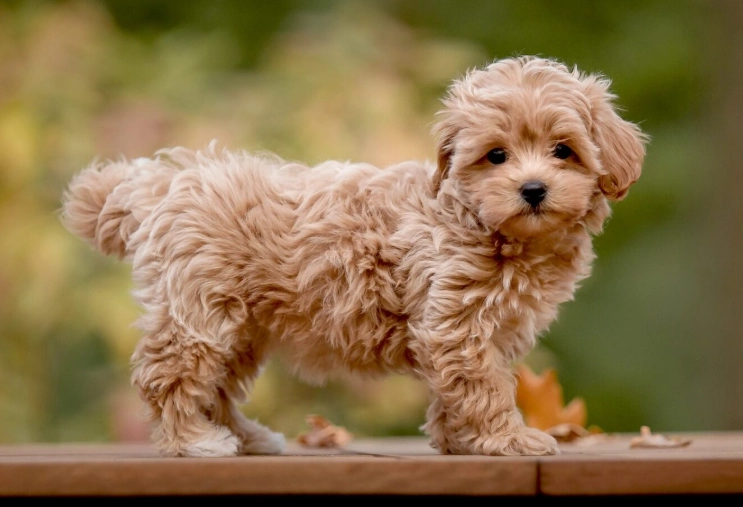
Living with a Maltipoo: The Day-to-Day Reality
Grooming: The High-Maintenance Truth

Exercise Needs: Couch Potato or Sprinter?
Health and Lifespan: What to Watch For
Finding Your Maltipoo: Breeder vs. Rescue
Choosing a Responsible Breeder

The Rewarding Path of Adoption
Maltipoo vs. The World: A Quick Comparison
Breed/Mix
Coat & Shedding
Typical Temperament
Best For
Potential Drawbacks
Maltipoo
Low-shedding, wavy/curly, high grooming needs
Affectionate, playful, prone to separation anxiety
Companion seekers, families with older kids, apartment dwellers
Grooming costs, anxiety, fragile
Maltese
Long, silky, single coat, low-shedding
Gentle, sweet, can be timid
Quiet households, lap dog lovers
Very fragile, tear staining, can be yappy
Toy/Mini Poodle
Curly, non-shedding, high grooming needs
Highly intelligent, active, eager to please
Active owners, those wanting to do dog sports
Can be high-strung, needs lots of mental work
Cavapoo (Cavalier King Charles Spaniel x Poodle)
Low-shedding, wavy, moderate grooming
Extremely friendly, gentle, less prone to anxiety
First-time owners, families with young kids
Prone to heart issues from Cavalier side
Your Maltipoo Questions, Answered
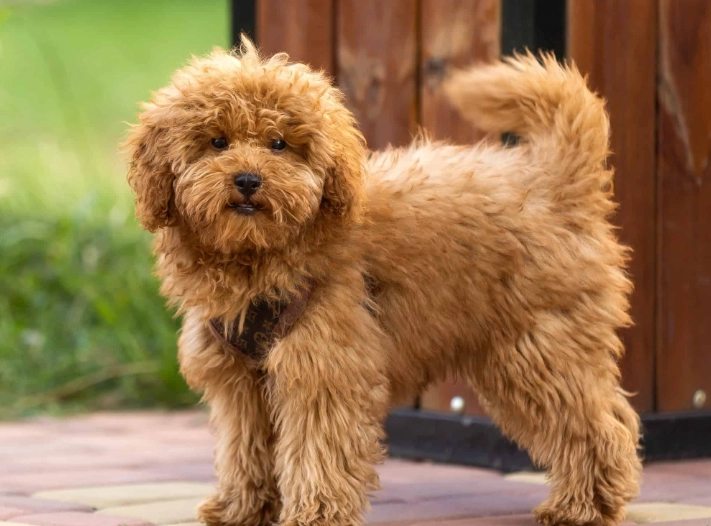
The Final Word: Is a Maltipoo Right for You?