The DHPP Vaccine: A Complete Guide for Dog Owners
Let's be honest. When you bring your new puppy to the vet for the first time, or when you get that annual reminder card in the mail, the list of recommended vaccines can feel overwhelming. DHLPP, DA2PP, Bordetella, Rabies, Lepto... it sounds like alphabet soup. And right in the middle of it all, usually the first one they mention, is the DHPP vaccine. It's considered a "core" vaccine, which means vets recommend it for every single dog, no matter their lifestyle. But what does that actually mean for you and your furry friend? I remember sitting in the vet's office with my first dog, a wiggly Labrador puppy named Max. The vet said, "We'll start with the DHPP shot today." I nodded like I knew what she was talking about, but in my head, I was thinking, "Great, but what is it protecting him from? Is this all really necessary?" If you've ever had that moment of quiet confusion, you're not alone. This guide isn't just a dry list of facts. We're going to walk through what the DHPP vaccine is, piece by piece. We'll talk about the diseases it fights (some of them are truly terrifying), the schedule that makes sense, what side effects to realistically expect, and even tackle the tough questions about cost and the debates you might read about online. My goal is to give you the clear, practical information you need to have a confident conversation with your vet. Because at the end of the day, it's about keeping your dog safe, healthy, and by your side for as long as possible. The name DHPP is an acronym, and each letter stands for a specific virus. Some clinics might call it DA2PP, where the "A2" refers to Adenovirus type 2. It's essentially the same thing. Let's decode what you're actually vaccinating against. This is the part that really matters. This is the big one. Distemper is a nasty, highly contagious virus with no known cure. It attacks multiple body systems – respiratory, gastrointestinal, and the nervous system. The symptoms start like a bad cold (runny eyes and nose, fever, cough) but can progress to vomiting, diarrhea, and then potentially fatal neurological signs like seizures, paralysis, and "chewing gum" fits. Even dogs that survive often have permanent neurological damage. It's spread through the air and by direct contact. The American Veterinary Medical Association (AVMA) calls it one of the most serious diseases for dogs. Vaccination is the only reliable prevention. Don't confuse this with human hepatitis. Canine adenovirus type 1 (CAV-1) causes infectious canine hepatitis, which attacks the liver, kidneys, eyes, and blood vessel linings. It can range from mild to rapidly fatal. Dogs might show fever, abdominal pain, vomiting, and jaundice (yellow gums and eyes). A unique and distressing sign is "blue eye," where the cornea becomes cloudy due to inflammation. The vaccine actually uses a related strain (Adenovirus-2) that provides cross-protection against the hepatitis-causing virus, which is safer. Now, the next two are incredibly common in the environment. Seriously, if your dog sniffs around outside, they've likely been exposed. This is one of the major culprits behind kennel cough (infectious tracheobronchitis). It's a highly contagious respiratory virus causing a dry, hacking cough, runny nose, and lethargy. While it's usually not fatal on its own in healthy adult dogs, it's miserable for them and can lead to more severe secondary pneumonia, especially in puppies, older dogs, or those with other health issues. The cough can last for weeks. If distemper is public enemy number one, parvovirus is a very close second. Parvo is a nightmare for puppy owners. It's a ruthless virus that attacks the lining of the small intestine, preventing nutrient absorption and destroying the gut barrier. This leads to severe, often bloody diarrhea, violent vomiting, and rapid dehydration. The virus is incredibly tough and can survive in the environment (soil, parks, sidewalks) for months or even years. It's also highly contagious. Without intensive and expensive veterinary treatment, parvo is frequently fatal, especially in puppies. The American Animal Hospital Association (AAHA) Canine Vaccination Guidelines stress its core status because of its severity and prevalence. See what I mean? When you get the DHPP vaccine, you're not just ticking a box. You're building a shield against four serious threats. Parvo and distemper alone are reason enough for me to never skip this shot. I've seen videos of parvo puppies in intensive care, and it's heartbreaking—especially when it's preventable. Timing is everything with vaccines, especially for puppies. They're born with some immunity from their mother (maternal antibodies), but this protection fades over time. The tricky part is that these same antibodies can also interfere with and neutralize a vaccine if given too early. So, vets use a series of shots to ensure that the vaccine is given after the maternal immunity wanes but before the puppy is exposed to the real virus. This is the standard puppy DHPP vaccine schedule you'll find most vets follow. It's not arbitrary; it's based on decades of disease research. A few crucial notes on this schedule: First, the 16-week mark is non-negotiable for that final puppy shot. Some vets even push for 18 weeks for breeds known to be more susceptible to parvo (like Rottweilers, Dobermans, and American Pit Bull Terriers). By this age, maternal antibodies are almost certainly gone, so the vaccine can do its job properly. Second, until your puppy has completed the entire series (usually at least 1-2 weeks after that 16-week shot), their protection is not guaranteed. This is the "socialization vs. safety" dilemma. The current recommendation from behaviorists and vets is to prioritize safe, controlled socialization before the series is complete—think puppy classes where all participants are vaccinated, playdates with known healthy adult dogs, and carrying your pup in public places. Avoid dog parks, pet stores, and high-traffic grassy areas where unknown dogs may have been. Okay, your dog is past the puppy stage. Now what? The classic advice was a DHPP booster every single year. But is that still necessary? This is where the conversation gets more nuanced, and honestly, where a lot of confusion sets in. Research over the last 15-20 years has shown that for the core diseases in the DHPP vaccine, immunity often lasts much longer than one year. In response, major veterinary organizations have shifted their guidelines. The current consensus isn't about fixed time intervals, but about tailoring the plan to your individual dog. Here’s the modern approach: This is a blood test that measures the level of antibodies your dog has circulating against specific diseases, like distemper and parvo. Some owners use this to see if their dog actually needs a booster. If the titer is high, it suggests existing protection. The catch? It can be more expensive than the vaccine itself, and a low titer doesn't necessarily mean your dog is unprotected (cellular immunity, which isn't measured, might still be strong). Discuss the pros and cons with your vet. For me, the cost and hassle of a titer test usually makes the triennial booster the simpler, more practical choice. What about older dogs? I get this question a lot. If a senior dog has been vaccinated consistently throughout life, their immune memory is robust. However, their immune system may not respond as vigorously to a new challenge. Most experts agree that continuing the 3-year DHPP schedule into old age is still appropriate, unless the dog has a specific illness that makes vaccination risky. Never vaccinate a severely ill dog; wait until they've recovered. Let's talk about the elephant in the room: side effects. I think a lot of vaccine hesitancy comes from fear of the unknown. So let's demystify it. Most dogs handle the DHPP vaccine just fine. But like any medical product, reactions can happen. They fall into a few categories. Common, Mild Side Effects (Lasting 24-48 hours): My dog usually just sleeps it off on the car ride home and is back to normal by dinner. I plan for a quiet day after vaccines—no long walks or dog park trips. Less Common, More Concerning Reactions: If you see any of these, call your vet. They're uncommon, but treatable. These are the ones that make the news and scare people. They include anaphylactic shock (a severe, life-threatening allergic reaction) and immune-mediated diseases. The risk is statistically extremely low—far lower than the risk of the diseases the vaccine prevents. For example, the risk of a severe reaction is often cited as less than 1 in 10,000 doses. The risk of a puppy dying from parvo if unvaccinated and exposed is vastly higher. The FDA's Center for Veterinary Medicine monitors vaccine safety. It's important to have perspective. Driving your dog to the vet is probably riskier than the vaccine itself. But you should always inform your vet of any past reactions your dog has had to any medication or vaccine. How much does the DHPP vaccine cost? It's not a simple answer. It varies wildly based on where you live, the type of clinic, and what's included. My personal take? For that initial puppy series, I think the full-service vet visit is worth every penny. You get the exam, you can ask a million questions, and they establish a baseline for your dog's health. For the routine triennial booster in a known healthy adult dog, a low-cost clinic might be a reasonable choice to save money. One more practical tip: always ask for a signed vaccination certificate or make sure the details are entered into your pet's record. You'll need proof for boarding, grooming, training classes, or if you ever need to prove your dog's status in a disease outbreak situation. Look, I'm not here to tell you that vaccines are 100% risk-free. Nothing in medicine or life is. But we have to weigh risks against benefits. On one side of the scale, you have a very small chance of a manageable reaction to the DHPP vaccine. On the other side, you have the very real, well-documented, and often horrific consequences of distemper and parvovirus—diseases that are still out there, waiting. I've made my choice. For my dogs, the math is clear. The protection offered by the DHPP vaccine is one of the simplest, most effective, and most profound acts of preventive care I can provide. It's the foundation that lets them live a long, adventurous, and healthy life by my side. Your vet is your partner in this. Go to your appointment armed with these questions. Have a conversation. Understand the why behind their recommendation for your specific dog. A good vet will welcome the discussion. At the end of the day, it's about giving our dogs the best shot—pun only slightly intended—at a happy, healthy life. And starting with a solid foundation of core protection like the DHPP vaccine is, in my opinion and the opinion of veterinary medicine worldwide, the best place to start.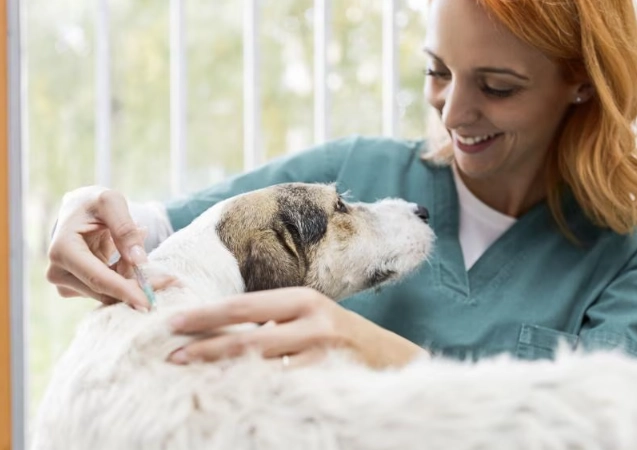
Quick Navigation
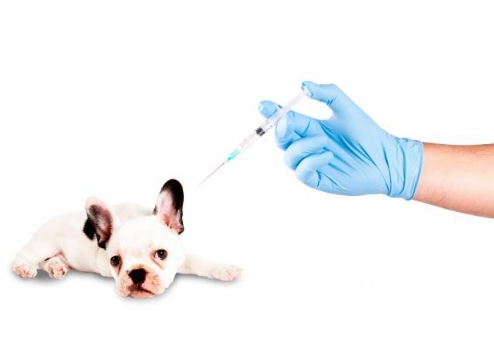
Breaking Down the Letters: What Diseases Does the DHPP Vaccine Protect Against?
D: Canine Distemper
H: Hepatitis (Adenovirus-1)
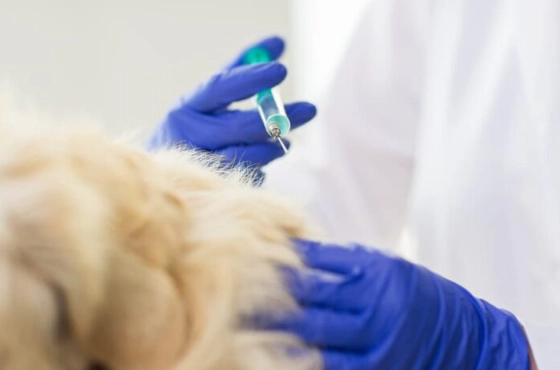
The First P: Parainfluenza
The Second P: Parvovirus
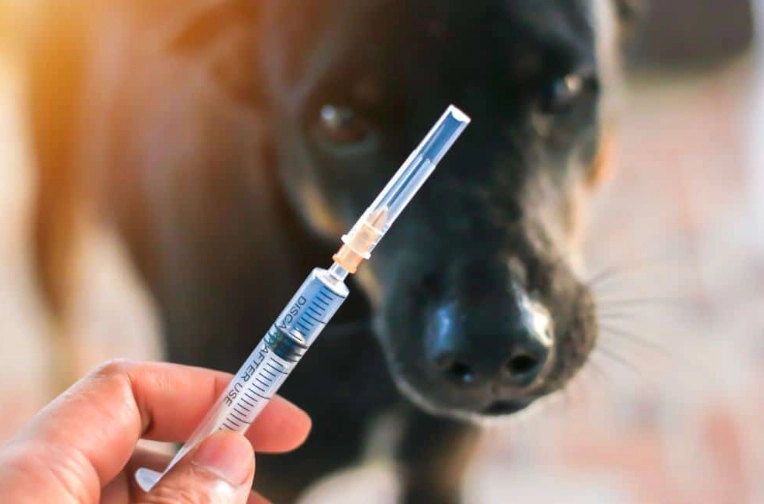
The Puppy Vaccination Schedule: When Should Your Dog Get the DHPP Shot?
Puppy's Age
Recommended Vaccine(s)
Key Purpose
6 to 8 weeks
First DHPP dose
Initial introduction to the antigens. May be partially blocked by maternal antibodies.
10 to 12 weeks
Second DHPP dose
Critical booster. Given as maternal antibodies decline further.
14 to 16 weeks
Third DHPP dose
Final puppy booster. Ensures protection is firmly established in almost all puppies.
12 to 16 months
DHPP booster
One year after the last puppy shot. Completes the initial immunization series.
Adult Dog and Booster Shots: How Often is "Often Enough"?
The Titer Test Option
What to Expect After the Shot: Side Effects and Reactions
Very Rare, Serious Reactions
Cost, Clinics, and Making Smart Choices
Answering Your Tough Questions (The FAQ Section)
1. Pre-medicate with an antihistamine before the next vaccine.
2. Switch to a different brand of vaccine (some have different adjuvants or formulations).
3. Space out the vaccines (give DHPP alone on one day, others later).
4. In very rare cases of severe reaction, they may advise against further vaccination for that specific component, relying on previously established immunity. Never just skip vaccines without a vet's guidance—you could be leaving your dog vulnerable.Wrapping It Up: Making Your Decision