Tiny Dog Species Guide: Top 10 Smallest Breeds & Care Tips
Let's be honest, there's something utterly captivating about a tiny dog. They fit in your lap, they travel easily, and their personalities often seem ten times bigger than their bodies. But diving into the world of tiny dog species isn't just about picking the cutest face. There's a lot more under the surface. I remember when my friend got a Chihuahua thinking it would be a low-maintenance pet—boy, was she in for a surprise. The barking, the shivering, the specific dietary needs... it was a wake-up call. These little guys come with their own unique set of rules. This guide is here to cut through the fluff (pun intended) and give you the real, practical scoop. We're not just listing breeds; we're digging into what it actually means to live with one of these miniature companions. From health quirks you absolutely need to know about, to the sometimes-surprising amount of energy packed into a five-pound body, we'll cover it all. It seems straightforward, right? Small dog = tiny dog. But in the official dog world, there's a bit more to it. Generally, when we talk about tiny dog species or breeds, we're referring to those that typically weigh under 10-12 pounds (4.5-5.5 kg) as adults and stand less than 12 inches (30 cm) tall at the shoulder. The American Kennel Club (AKC) groups most of these into the "Toy" group, which exists specifically for companion dogs bred primarily for their size and personality. Beyond just measurements, these dogs share some common threads. They were historically bred for companionship to nobility and royalty (think of the Papillon in Renaissance paintings), they often have longer lifespans than giant breeds (a big plus!), and they possess a certain... boldness. You'll rarely meet a tiny dog that knows it's tiny. Alright, let's meet the contenders. This isn't just a random list. I've compared breed standards, talked to owners, and looked at what these dogs are really like to live with day-to-day. Here’s a breakdown of the most common and recognizable tiny dog species you're likely to encounter. *Note on Shih Tzus: They often sit at the upper weight limit for "tiny" breeds, but their stature and role firmly place them in the companion category. But here's the thing a table can't tell you. Living with a Chihuahua is a vastly different experience from living with a Maltese. One might be a velcro-dog that shadows your every step (common in Chihuahuas), while another might be content to lounge elegantly on a pillow (a classic Maltese move). The energy levels are also no joke. A Papillon or a Pomeranian can need as much mental and physical stimulation as a much larger dog. This is the section you really need to pay attention to. Their small size makes them adorable, but it also predisposes them to specific health issues. Being informed is the first step to providing great care. On a brighter note, one of the biggest advantages of these miniature dog species is their longevity. It's not uncommon for a healthy small breed dog to live 12-16 years, and many push into their late teens. That's a long, wonderful commitment, but it's something to factor in financially and emotionally. Owning a tiny dog isn't just owning a big dog in a small package. Their care needs are proportionally different, and sometimes counter-intuitive. You can't just feed them scraps. Their metabolisms are fast, but their stomachs are tiny. They need highly digestible, nutrient-dense food specifically formulated for small breeds (the kibble size is smaller for a reason!). Frequent, small meals are better than one or two big ones to prevent hypoglycemia and bloating. And please, watch the treats. An extra ounce on a 5-pound dog is like a person gaining 20+ pounds. This is a common mistake. "Oh, he's small, he just runs around the apartment." While they don't need miles of hiking, most tiny dog species have decent energy levels and desperately need mental stimulation. A daily walk (with a harness!) is crucial for socialization and enrichment. Games like fetch, puzzle toys, and short training sessions are perfect. A bored small dog becomes a yappy, destructive small dog. This totally depends on the coat. This might be the most important part of all. Small Dog Syndrome is a real thing—it's when a dog develops behaviors like excessive barking, snapping, or resource guarding because they were never taught boundaries. "He's just being cute!" No, he's being anxious and insecure. You must train and socialize your tiny dog exactly as you would a Rottweiler. That means basic obedience (sit, stay, come), polite leash walking, and most importantly, positive exposure to different people, dogs, sounds, and surfaces when they're young. A well-socialized small dog is a confident, happy dog. A poorly socialized one is a nervous wreck who barks at everything. The ASPCA has fantastic guides on puppy socialization that apply 100% to tiny dog breeds. It's not about which one is the cutest in a photo. It's about which one fits into the reality of your daily life for the next 15 years. Most tiny dog species are excellent here, but with caveats. Consider noise levels (will your neighbors tolerate a vocal Pomeranian?), energy level (does your building have easy outdoor access?), and fragility (can you manage stairs or busy sidewalks?). A Maltese or a quiet Shih Tzu might be better than a yappy terrier type. Tread carefully. Many tiny breeds are fragile and can be easily injured by a toddler's clumsy grab or fall. They can also be nervous around loud, fast-moving kids. Breeds known for sturdier builds and patient temperaments, like the Cavalier King Charles Spaniel (slightly larger than our "tiny" list but worth mentioning) or a well-socialized Shih Tzu, are often better choices than an ultra-tiny or nervous breed. A lower-energy companion like a Maltese, a Shih Tzu, or an older rescue small dog can be perfect. Avoid high-strung, high-energy breeds like the Papillon or young terriers unless you're up for keeping up with them. If you're up for a challenge, some of the more sensitive or strong-willed breeds can be incredibly rewarding. The Brussels Griffon forms an intensely deep bond but can be manipulative. The Russian Toy is vivacious but needs a confident leader. Let's tackle some of the specific questions people are typing into Google right now. Looking at that adorable face, it's easy to get swept away. But I hope this guide has shown you that bringing home one of these tiny dog species is a serious decision. It's not less responsibility than a big dog—it's just a different kind of responsibility. If you're willing to do the work—the training, the socialization, the specialized care—the reward is immense. You get a deeply bonded, portable, long-lived companion whose huge personality will fill your home with laughter and love for many, many years. Just go in with your eyes wide open. Do your research, find a reputable breeder who prioritizes health (or better yet, check local rescues for small breed dogs in need), and get ready for a big adventure with a very small friend. And if you do get one, invest in a good harness from day one. Trust me on that.In This Guide
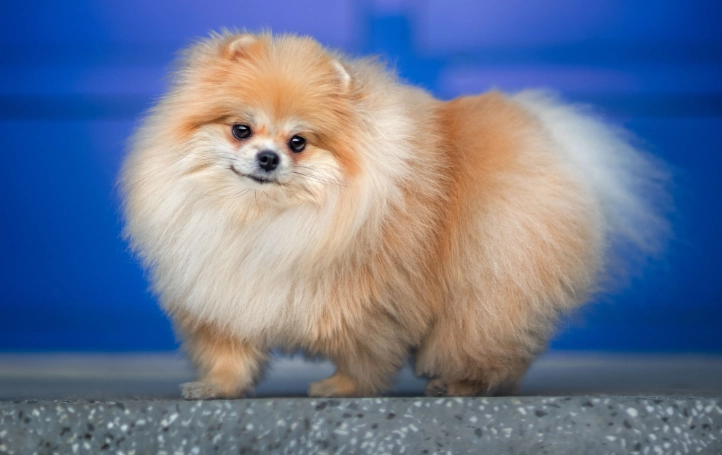
What Exactly Qualifies as a "Tiny" or "Toy" Dog Breed?
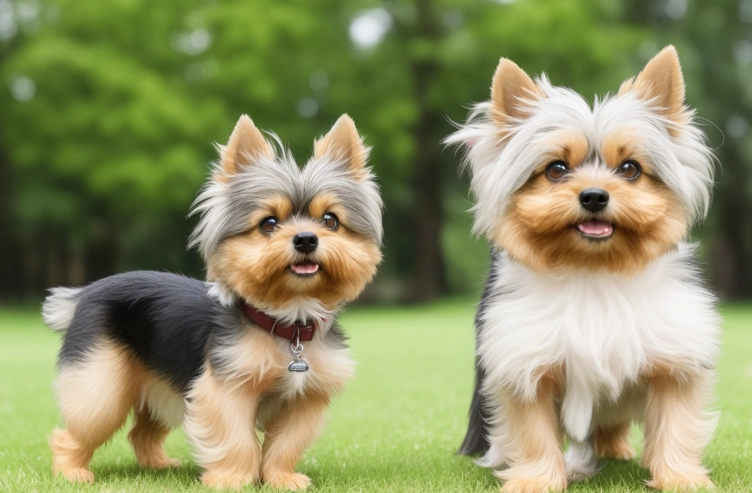
The Top 10 Smallest Dog Breeds in the World
Breed
Average Weight
Average Height
Key Personality Trait
Energy Level
Good for First-Time Owners?
Chihuahua
3-6 lbs (1.4-2.7 kg)
5-8 inches (13-20 cm)
Confident & Devoted
Medium to High
Maybe (They can be stubborn)
Russian Toy
3-6 lbs (1.4-2.7 kg)
8-11 inches (20-28 cm)
Energetic & Alert
High
Better with some experience
Pomeranian
4-7 lbs (1.8-3.2 kg)
6-7 inches (15-18 cm)
Inquisitive & Lively
High
Yes, but needs consistent training
Yorkshire Terrier
4-7 lbs (1.8-3.2 kg)
7-8 inches (18-20 cm)
Affectionate & Sprightly
Medium to High
Yes
Papillon
5-10 lbs (2.3-4.5 kg)
8-11 inches (20-28 cm)
Happy & Intelligent
Very High
Yes, if active
Maltese
4-7 lbs (1.8-3.2 kg)
7-9 inches (18-23 cm)
Gentle & Playful
Medium
Yes, great companion
Toy Poodle
6-9 lbs (2.7-4 kg)
10 inches (25 cm) or less
Alert & Intelligent
Medium to High
Yes, highly trainable
Shih Tzu
9-16 lbs (4-7 kg)*
9-10.5 inches (23-27 cm)
Outgoing & Charming
Low to Medium
Yes, very adaptable
Italian Greyhound
7-14 lbs (3.2-6.4 kg)
13-15 inches (33-38 cm)
Sensitive & Agile
Bursts of High energy
Maybe (Fragile, sensitive)
Brussels Griffon
8-12 lbs (3.6-5.4 kg)
9-11 inches (23-28 cm)
Comical & Sensitive
Medium
Better with experience
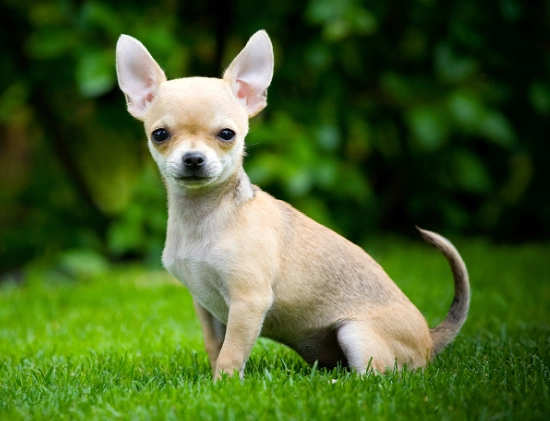
Health Considerations: The Not-So-Tiny Concerns
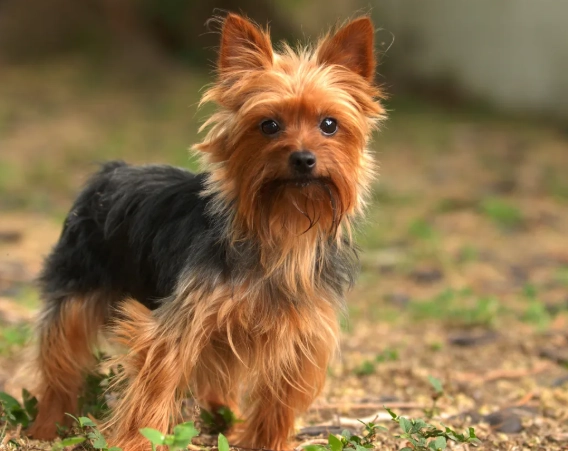
Common Health Problems in Tiny Breeds
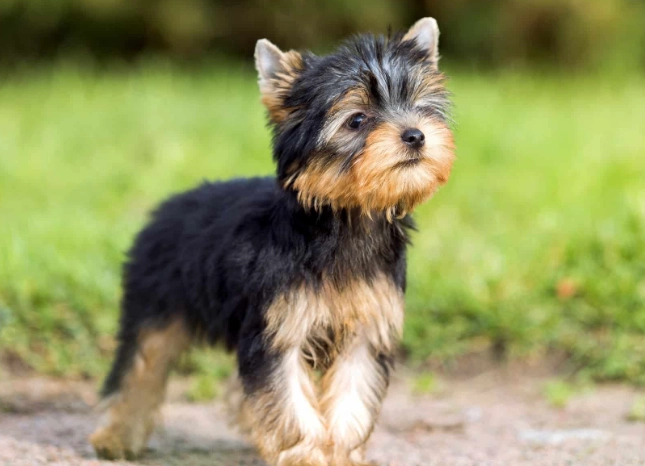
Lifespan: The Silver Lining
Essential Care Guide for Tiny Dogs

Nutrition: Small Stomach, Big Needs
Exercise: Don't Underestimate Them
Grooming: It Varies Wildly
Training and Socialization: The Great Equalizer
Choosing the Right Tiny Dog Species for Your Lifestyle
For Apartment Dwellers
For Families with Young Children
For Seniors or Less-Active Owners
For Experienced Dog Owners
Frequently Asked Questions About Tiny Dogs
Pet insurance is a very wise investment for any purebred dog, especially these little ones.Final Thoughts: Is a Tiny Dog Right for You?
The perfect tiny dog owner is someone who sees past the size. They see a dog that needs training, boundaries, consistent care, and to be treated like the real dog it is, not an accessory.