What is Mange? A Complete Guide to Symptoms, Types & Treatment
If your dog is scratching like there's no tomorrow, and you've heard the word "mange" thrown around, you're probably worried. And you should be. But before you panic, let's get one thing straight: what is mange, really? It's not some mysterious plague, but a specific, and frankly, pretty gross skin condition caused by mites. Tiny, spider-like critters that decide your pet's skin is the perfect place to live, eat, and raise a family. I remember when my friend's rescue pup, Barney, came home with patches of missing hair. The vet said "mange," and my friend was instantly imagining the worst. Turns out, it's more common than you think, and thankfully, very treatable if you know what you're dealing with. So, let's break it down without the medical jargon. Think of mange as an umbrella term. Under that umbrella, you have a couple of main culprits, each causing a different kind of trouble. The big confusion for most people is that "mange" isn't one single disease. It's like saying "car trouble"—it could be a flat tire, a dead battery, or something much more serious. Knowing which one it is makes all the difference. All mange starts with mites. But not all mites are created equal. This is the core of understanding what is mange. The type of mite determines everything: how your pet caught it, what the symptoms look like, how itchy they are, and crucially, how it's treated. Here’s a quick comparison that clears up the confusion. I wish I had a chart like this when Barney was sick. See? Already it makes more sense. Demodectic mange is often a case of "mites gone wild" due to a weak immune system, while sarcoptic mange is a nasty infection you catch from someone else. The American Veterinary Medical Association (AVMA) has a good, straightforward page on parasitic skin conditions that confirms this distinction. It's a relief to have a trusted source back this up. This one is weird because the mite is actually a normal resident on your dog. Seriously, most healthy dogs have a few Demodex mites living peacefully in their hair follicles, never causing a problem. The issue starts when something—like stress, poor nutrition, or an underlying illness—knocks the immune system off balance. The mite population explodes, and that's when you see the classic signs. It usually shows up in small, localized patches. Think bald spots, maybe a little red and scaly, often on the face or front legs. It might not even seem that itchy at first. The generalized form is more severe, covering large areas of the body, and is much harder to manage. This is the kind that makes you really dig into what is mange capable of at its worst. It can look awful, with widespread hair loss, thick skin, and sometimes secondary bacterial infections that smell bad. Not fun for anyone. Now, this is the nightmare scenario for itchiness. If you see a dog scratching so violently it can't sleep, sarcoptic mange should be your first guess. The Sarcoptes mite is an invader. It doesn't just live on the skin; it burrows into it to lay eggs. This burrowing is what drives dogs absolutely insane with itching. It's wildly contagious. A quick sniff with an infected fox in the backyard, or playing with a dog at the park who has it, can be enough. The classic "scabies pattern" often starts on the edges of the ears, elbows, hocks (ankles), and belly. The skin can become thick, crusty, and covered in red bumps or pimples. Left untreated, the constant scratching and trauma lead to severe skin damage and infections. What freaks people out is that sarcoptic mange can affect humans. It's called "canine scabies" for a reason. The mite doesn't complete its life cycle on us, but it will try to burrow, causing an intensely itchy, red rash, often on the arms or torso where we cuddle our pets. It's a major clue if everyone in the house suddenly gets itchy. A quick but important note: There's a third, less common type called Cheyletiella mange, or "walking dandruff." You can sometimes see the mites moving through the dandruff flakes on a pet's back. It's also contagious and itchy. I'm mentioning it because when you're researching what is mange, you might stumble across it and get confused. It's another mite, but it behaves more like sarcoptes in terms of contagiousness. You can't treat what you don't recognize. The symptoms of mange can be subtle at first, then explode into something obvious. Here’s what to watch for, ranked from early warnings to full-blown signs. If you're seeing a combination of these, it's time for a vet visit, not a Google deep dive. Trying to diagnose mange from pictures alone is a recipe for misdiagnosis. Ringworm, allergies, and bacterial infections can look very similar. You might think a vet can just look and know. Sometimes it's obvious, but most of the time, they need proof. This isn't them being difficult; it's to avoid wasting your money on the wrong treatment. The gold standard diagnostic tools are pretty simple. The main one is a skin scraping. The vet takes a blunt scalpel, wets it with a little mineral oil, and gently scrapes the surface of the skin until it just barely oozes capillary blood (sounds worse than it is). They put the gunk on a slide and look under the microscope. For Demodex, they're looking for the cigar-shaped mites or their eggs deep in the sample. For Sarcoptes, the mites are harder to find because they burrow deep, so sometimes a negative scraping doesn't rule it out. In tricky cases, they might do a tape test (pressing clear tape to the skin to pick up surface mites or eggs) or even a trial treatment. If they strongly suspect sarcoptic mange and the scraping is negative, they might just go ahead and treat for it. If the itching dramatically improves in a week or two, you have your answer. The Merck Veterinary Manual, a massive authority vets use daily, details these diagnostic approaches for mange in dogs and cats. It's dry reading, but it shows you the professional protocol. This is the part everyone wants to know. The good news? We've moved way past the old, toxic dips (though some are still used). Treatment is more effective and safer now, but it requires patience and follow-through. The approach is totally different for demodectic vs. sarcoptic mange. Since this is often linked to a weak immune system, treatment has two goals: kill the mites and support the dog's health. Treatment for demodectic mange can last for months. You don't stop when the hair starts growing back; you stop after follow-up skin scrapings show zero mites. Here, the goal is to kill the mites quickly and thoroughly on the dog AND in the environment, because it's so contagious. Prevention depends on the type. For sarcoptic mange, it's about avoiding exposure. Be cautious at dog parks, boarding facilities, or with new dogs whose health history you don't know. Keep your dog away from wildlife like foxes. Many routine flea/tick/heartworm preventatives, like Simparica Trio or Bravecto, also prevent sarcoptic mange infestations. Ask your vet if this is a good option for your dog's lifestyle. For demodectic mange, since the mites are normally present, prevention is more about maintaining a robust immune system. That means a high-quality diet, regular vet check-ups, managing stress, and not breeding dogs who have had severe generalized demodex, as there may be a genetic predisposition. So, after all this, what is mange in a nutshell? It's a manageable skin disease caused by mite overgrowth or infestation. It's not a death sentence, and it's not a reflection on you as a pet owner. Strays and rescues get it, and even well-cared-for pets can develop demodex if their immune system takes a hit. The absolute most important takeaways are these: Understanding what is mange empowers you to get your pet the right help fast. That frantic scratching or weird bald spot is scary, but now you know it's a problem with a solution. Get to the vet, get a diagnosis, and start the journey back to a happy, itch-free pup. Barney made a full recovery, by the way. It took a few months, but now he's got a gorgeous coat and zero memory of his itchy past.Quick Guide
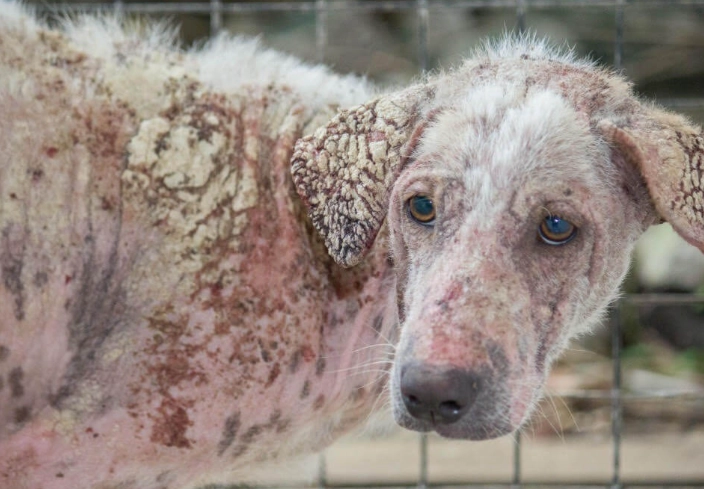
The Tiny Troublemakers: Demodex vs. Sarcoptes Mites
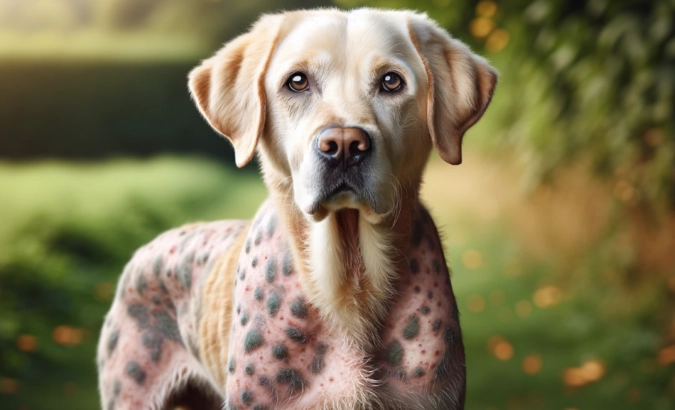
Feature
Demodectic Mange (Red Mange)
Sarcoptic Mange (Scabies)
Primary Mite
Demodex canis (lives in hair follicles)
Sarcoptes scabiei (burrows into skin)
How it's Acquired
Usually from mother to puppy. Mites are normally present in small numbers.
Highly contagious from direct contact with an infected animal or environment.
Key Symptom
Hair loss, redness, scaly skin. Often NOT intensely itchy at first.
EXTREME, relentless itching. Red pimples, crusts, often starting on ears/elbows.
Contagious to Humans?
No. Demodex mites are species-specific.
Yes, but temporarily. Can cause "walking dandruff" or itchy red bumps that resolve.
Typical Patient
Often puppies, elderly dogs, or dogs with weakened immune systems.
Any dog, especially those in contact with wildlife (foxes, coyotes) or other infected dogs.
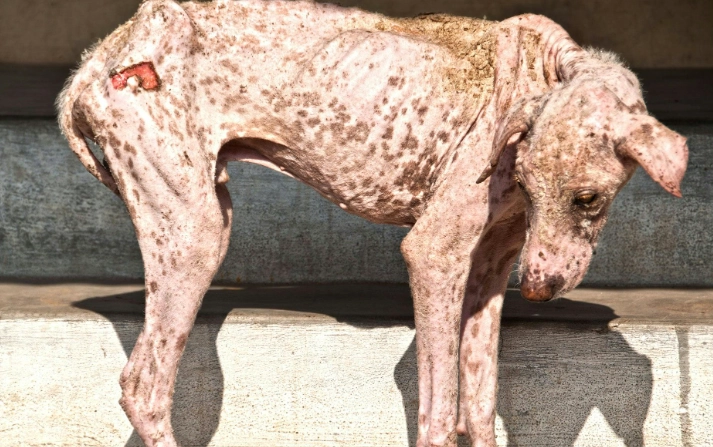
Zooming In: Demodectic Mange (The "Red Mange")
Zooming In: Sarcoptic Mange (Canine Scabies)

Spotting the Signs: What Does Mange Look Like on a Dog?
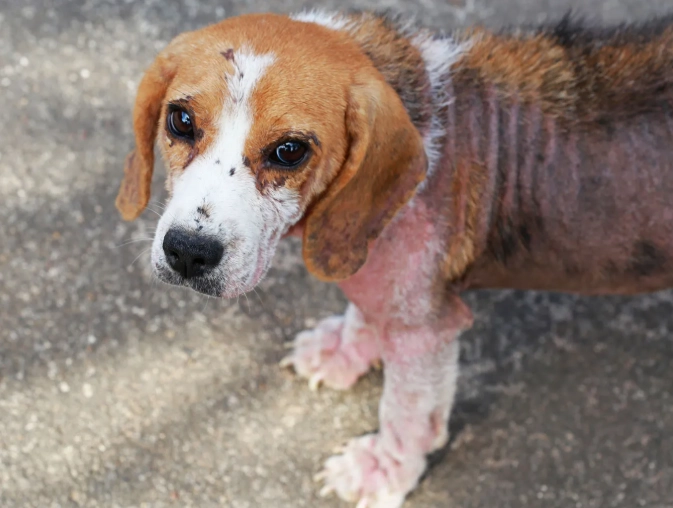
How Do Vets Figure Out If It's Mange?
So, How Do You Get Rid of Mange? Treatment Options Explained
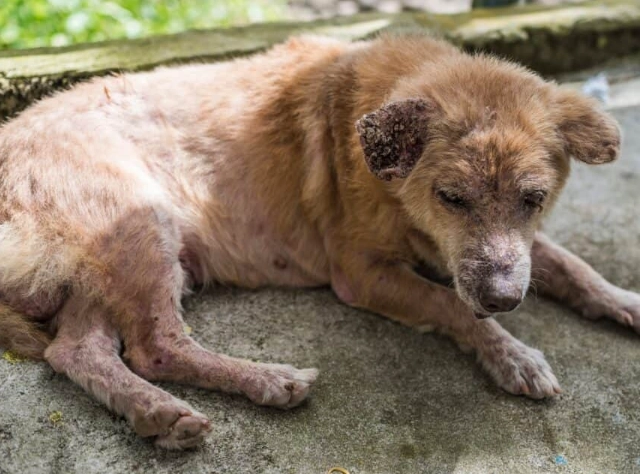
Treating Demodectic Mange
Treating Sarcoptic Mange
Can You Prevent Mange?
Your Mange Questions, Answered (The Real Stuff People Ask)
The Bottom Line on What Mange Really Is