Himalaya Terrier Guide: History, Care & Is This the Right Dog for You?
In This Guide
- From Monastery Guardian to Family Companion: The Tibetan Terrier's Rich History
- What Does a Tibetan Terrier ("Himalaya Terrier") Actually Look Like?
- Personality and Temperament: Is the "Himalaya Terrier" a Good Family Dog?
- The Big Commitment: Grooming Your Fluffy Companion
- Are They Hypoallergenic?
- Health and Lifespan: What to Watch For
- Living with a Tibetan Terrier: Daily Life and Training
- Costs of Owning a "Himalaya Terrier"
- Finding a Tibetan Terrier Puppy or Rescue
- Frequently Asked Questions (FAQs)
- Final Thoughts: Is the "Himalaya Terrier" (Tibetan Terrier) Right for You?
If you've landed here searching for a "Himalaya Terrier," you're not alone. It's a name that pops up online and in casual conversation, but here's the thing that often surprises people: there is no officially recognized dog breed called the "Himalaya Terrier" by major kennel clubs like the American Kennel Club (AKC), The Kennel Club (UK), or the Fédération Cynologique Internationale (FCI). I know, it's confusing. You see photos of fluffy, charming dogs from mountainous regions labeled with that name, and the search begins. What you're most likely looking at, and what this deep dive will focus on, is the wonderful, ancient breed often mistakenly called a Himalaya Terrier: the Tibetan Terrier.
Think of "Himalaya Terrier" as a nickname, a descriptive term that stuck because of the dog's origins and look. It's like someone calling every tissue a "Kleenex." The proper, registered name is Tibetan Terrier. This mix-up is actually our perfect starting point. It tells us what people are imagining when they use that search term: a sturdy, affectionate, long-haired companion from the high altitudes of Asia. And that's exactly what the Tibetan Terrier is.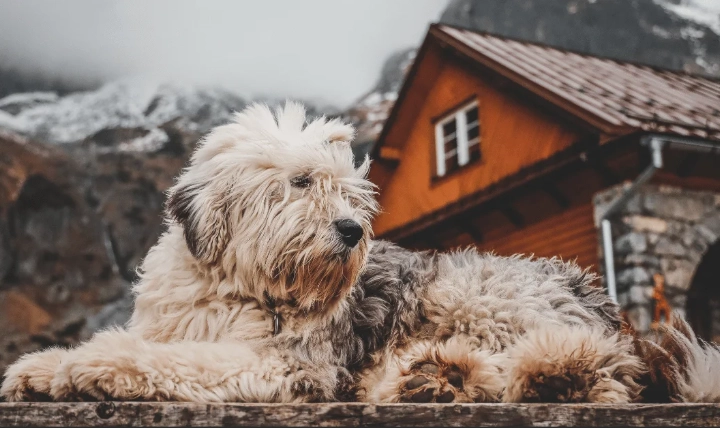
From Monastery Guardian to Family Companion: The Tibetan Terrier's Rich History
To understand this breed, you have to step back centuries, way before the internet muddled its name. The Tibetan Terrier's story begins over 2,000 years ago in the isolated, harsh climate of Tibet. And here's a fun fact that contradicts its "terrier" label: it was never used for hunting vermin like traditional terriers. Its job was far more sacred and diverse.
They were known as the "Holy Dogs of Tibet" and were kept in monasteries. Monks and nomadic travelers prized them as good luck charms, companions, and watchdogs. Their thick, double coat was essential for surviving freezing temperatures. They were also believed to have keen senses that could detect approaching strangers or danger in the thin mountain air. There's a lovely, almost mythical belief that harming one of these dogs would bring bad luck, which helped protect them.
The breed remained largely isolated until the early 20th century. A British doctor, Dr. Agnes R.H. Greig, was given a Tibetan Terrier as a gift after successfully performing surgery on a Tibetan woman. She brought the dog back to England, fell in love with the breed, and began a breeding program. The Kennel Club (UK) recognized them in the 1930s, and the American Kennel Club followed suit in 1973. Despite the "terrier" classification in the West (likely due to their size and spirited nature), they belong to the Non-Sporting Group in the AKC and are considered a utility breed in other registries.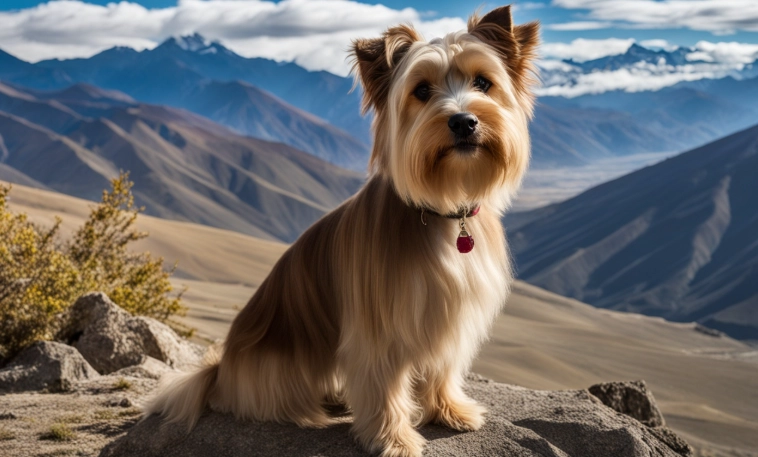
I find this history fascinating because it explains so much about their personality. Bred for companionship and alertness in a spiritual setting, not for a specific hunting job, they developed a balanced, people-oriented temperament.
What Does a Tibetan Terrier ("Himalaya Terrier") Actually Look Like?
This is probably what caught your eye. The Tibetan Terrier is the definition of "profusely coated." It's a medium-sized dog, square-proportioned and sturdy, hiding a muscular body under all that hair. Let's break down the standard, because while all are cute, there's a specific look that defines the true breed.
Here’s a quick specs table because it’s helpful to see it all together:
| Feature | Description | Note |
|---|---|---|
| Size | 14 to 17 inches at the shoulder | Females tend to be smaller than males. |
| Weight | 18 to 30 pounds | They are deceptively heavy for their size due to bone and muscle. |
| Coat | Double coat: soft, woolly undercoat; longer, fine outer coat. | It can be wavy or straight. Not a single coat type. |
| Colors | Any color or combination; white, gold, cream, grey, black, parti-color. | Extremely varied. No color is considered faulty. |
| Lifespan | 12 to 15 years | A good, long lifespan for a dog of this size. |
| AKC Group | Non-Sporting Group | Remember, not actually a terrier in function. |
The coat is a major talking point. It's beautiful, but it's also a commitment. It grows continuously, like human hair, and if left uncut, it will trail on the ground. This leads us directly to the biggest question most potential owners have...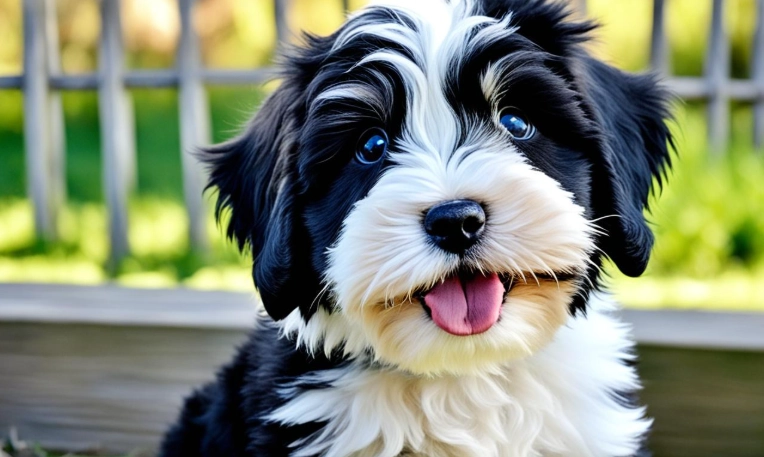
Personality and Temperament: Is the "Himalaya Terrier" a Good Family Dog?
In a word, yes. But with nuance, as with any breed. The Tibetan Terrier is renowned for being affectionate, sensitive, and loyal. They form incredibly strong bonds with their families and want to be involved in everything you do. Don't expect a distant, independent dog; this is a shadow breed that will follow you from room to room.
They are often described as "cat-like" in their agility and sometimes in their selective hearing. They're intelligent and can learn quickly, but they also have an independent streak inherited from their ancient lineage. This means training requires patience, consistency, and positive reinforcement. Yelling or harsh methods will shut them down completely. I've seen owners get frustrated, calling them "stubborn," but it's more about them being thinkers who sometimes question why they should do something.
With children, they are generally excellent if socialized early. They are playful and tolerant. However, because they are sensitive, they don't always appreciate roughhousing or loud, sudden movements from very young toddlers. Supervision is always key. With other dogs and pets, they usually do well, especially if raised together. Their historical role wasn't to fight, so dog aggression is not a common trait.
One of their most notable traits is their alertness. They are excellent watchdogs and will bark to notify you of anything out of the ordinary—the mailman, a squirrel, a leaf blowing differently. This can tip into nuisance barking if not managed. Early training to a "quiet" command is helpful.
Q: Are Tibetan Terriers good for first-time dog owners?
A: They can be, but with a caveat. Their intelligence and sensitivity are a plus, but their grooming needs and occasional independent streak might be challenging for someone completely unprepared for dog ownership. A highly motivated first-time owner who does their research (like you're doing now!) can absolutely succeed. A more laid-back, eager-to-please breed might be easier for a total novice.
The Big Commitment: Grooming Your Fluffy Companion
This is the section you cannot skip. The gorgeous "Himalaya Terrier" look comes with a price tag of time and effort. That double coat is prone to matting. Not just a little—it can mat down to the skin quickly if neglected, causing pain and skin issues.
Here’s the non-negotiable routine:
- Brushing: A thorough brushing every other day, at a minimum. Not a quick once-over. You need to line brush, working in sections down to the skin, to prevent mats from forming. A slicker brush and a metal comb are your best friends.
- Bathing: Every 3-4 weeks, or as needed. You must completely blow-dry the coat after a bath. Letting it air-dry will guarantee massive mats.
- Haircuts: Most owners opt for a professional groom every 6-8 weeks to keep the coat at a manageable "puppy cut" length. This drastically reduces daily brushing time. Trying to maintain a full, floor-length show coat is a part-time job.
- Other Needs: Regular nail trimming, ear cleaning (those hairy ears can trap moisture), and dental care.
I won't sugarcoat it. If you dislike grooming or have no time for it, this is not the breed for you. The matting can become severe enough to require the dog to be shaved, which is stressful for them and ruins that beautiful coat for a year or more as it grows back.
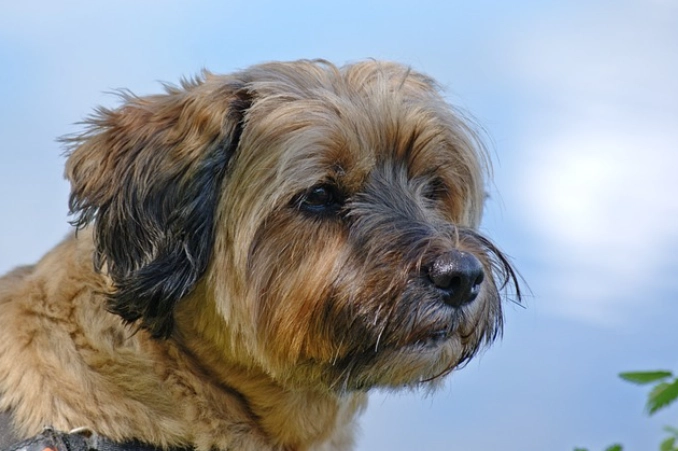 The coat is a lifestyle choice.
Are They Hypoallergenic?
This is a huge search term and a major draw. The Tibetan Terrier is often listed as a "hypoallergenic" breed. Here’s the real deal: no dog is 100% hypoallergenic. Allergens come from dander (skin flakes), saliva, and urine.
However, Tibetan Terriers have a hair coat, not a fur coat. It grows continuously and sheds minimally. This means less dander is released into the environment compared to a heavily shedding breed. For many people with mild to moderate allergies, they can be a fantastic option. But, you must spend time with one before bringing it home. The grooming also helps, as regular baths wash away dander. For authoritative information on pets and allergies, the American Academy of Allergy, Asthma & Immunology (AAAAI) provides science-based resources.
Health and Lifespan: What to Watch For
Tibetan Terriers are generally healthy, hardy dogs, which you'd expect from a breed that evolved in a tough environment. Responsible breeders test their breeding stock for specific genetic conditions. As a potential owner, you should be aware of these and ask breeders for proof of health clearances.
- Primary Lens Luxation (PLL): This is the most significant genetic concern. It's a painful eye condition where the lens dislocates, leading to glaucoma and blindness if not treated surgically. A DNA test for PLL exists, and all reputable breeders test for it. Never buy a puppy from a breeder who doesn't provide PLL test results for the parents.
- Hip Dysplasia: A malformation of the hip joint. Ask for Orthopedic Foundation for Animals (OFA) or PennHIP clearance. The OFA website is a public database where you can verify health clearances.
- Progressive Retinal Atrophy (PRA): A group of diseases that cause retinal degeneration and eventual blindness. There is also a DNA test for this.
- Canine Inherited Demyelinative Neuropathy (CIDN): A rare but serious neurological disorder specific to the breed. Reputable breeders test for this as well.
Finding a breeder who does these tests is the single best thing you can do for your future dog's health. It's not a guarantee, but it stacks the odds heavily in your favor.
Living with a Tibetan Terrier: Daily Life and Training
This breed is surprisingly adaptable. They are active and enjoy a good walk or play session, but they are not hyper-athletes requiring hours of intense exercise. A couple of 30-minute walks daily and some playtime in the yard or house will satisfy most. Their intelligence means they also need mental stimulation—puzzle toys, training games, and learning new tricks.
They can do well in apartments if their exercise needs are met, thanks to their moderate size and generally quiet indoor demeanor (aside from alert barking). They are true companions and should live indoors with the family. Leaving a Tibetan Terrier alone in a backyard all day is a recipe for a miserable, destructive, and barking dog.
Training should start early. Socialization—exposing your puppy to many different people, places, sounds, and experiences in a positive way—is critical between 8 and 16 weeks of age. It helps build a confident, well-adjusted adult. Basic obedience is a must. Their intelligence shines in activities like agility, rally, and nose work, which are fantastic outlets for their energy and mind.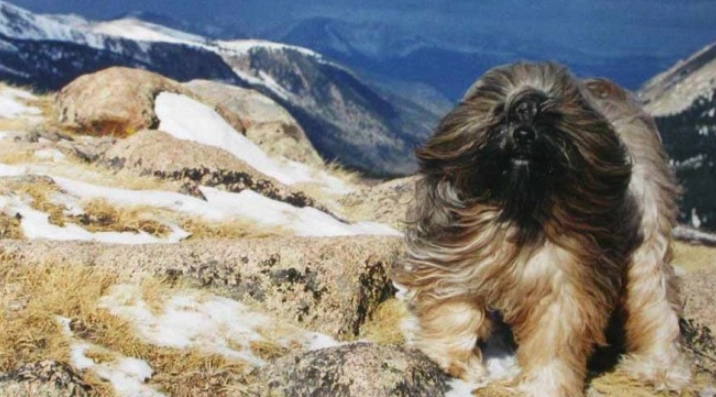
Costs of Owning a "Himalaya Terrier"
Let's talk money, because it's a practical concern. This is not a cheap breed to acquire or maintain.
- Purchase Price: From a reputable, health-testing breeder, a Tibetan Terrier puppy typically costs between $1,500 and $3,000 USD. Price varies by location, breeder reputation, and pedigree.
- Initial Setup: Crate, bed, toys, bowls, leash/collar, initial vet visit/vaccinations: ~$500-$800.
- Recurring Annual Costs:
- High-quality food: $400-$700
- Routine vet care: $300-$500
- Professional grooming (every 6-8 weeks): $600-$1,200+ per year. This is a major line item.
- Pet insurance/medication: $300-$800
- Miscellaneous (toys, treats): $200
You're looking at a likely minimum of $2,000+ in the first year and $1,500+ each subsequent year. The grooming is the variable that can really push costs up.
Finding a Tibetan Terrier Puppy or Rescue
This is the most important step. Because of the name confusion ("Himalaya Terrier"), be extra vigilant.
Finding a Reputable Breeder:
Start with the national breed club. In the U.S., that's the Tibetan Terrier Club of America (TTCA). They have a breeder referral list. A good breeder will: - Welcome your visit to their home. - Ask you as many questions as you ask them. - Show you health clearances for both parents (OFA, PLL, CIDN tests). - Have a contract that includes a health guarantee and requires you to return the dog to them if you can't keep it. - Be involved with the breed club and/or showing their dogs.
Rescue and Adoption:
Adult Tibetan Terriers do end up in rescue through no fault of their own. Breed-specific rescues are a wonderful option. The TTCA also has a rescue network. Adopting an adult can give you a clearer idea of personality and may skip the challenging puppy phase.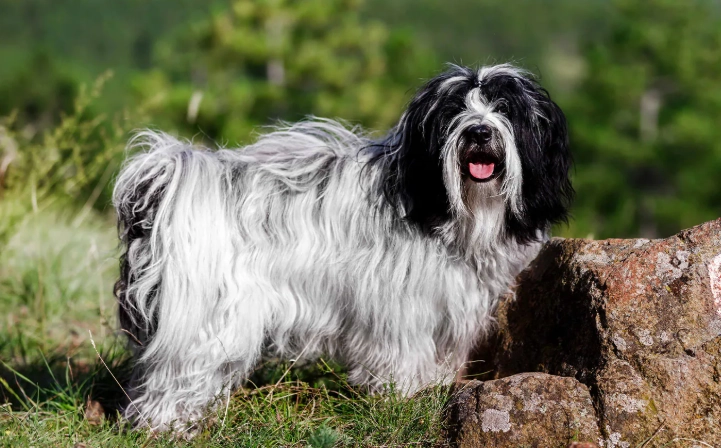
Frequently Asked Questions (FAQs)
Q: Is a Tibetan Terrier the same as a Lhasa Apso or a Shih Tzu?
A: No, but they are cousins! All are ancient Tibetan breeds. Lhasa Apsos were indoor palace/watchdogs, Shih Tzu were bred as companions, and Tibetan Terriers were all-purpose monastery dogs. Tibetan Terriers are generally larger and more robust than Lhasas and Shih Tzus, with a different head shape and a more "athletic" build under all the hair.
Q: Do they shed?
A: They shed minimally, similar to how humans shed hairs. The loose hairs get caught in the outer coat, which is why daily brushing is necessary to remove them. You won't find tumbleweeds of fur around your house, but you will find hair on your brush.
Q: Are they good with cats?
A: Generally, yes, especially if introduced properly and early. Their prey drive is low. However, every dog is an individual.
Q: Can I shave my Tibetan Terrier in the summer?
A: It's strongly discouraged. Their double coat insulates them from heat as well as cold. Shaving them removes this natural insulation and exposes their sensitive skin to sunburn. A shorter "puppy cut" is a much better option for heat management.
Q: How much exercise do they really need?
A: About 45-60 minutes of moderate activity per day is sufficient for most adults. They are sprinters, not marathon runners. They love play sessions and will happily curl up after their needs are met.
Final Thoughts: Is the "Himalaya Terrier" (Tibetan Terrier) Right for You?
Let's circle back. You searched for a Himalaya Terrier, and what you found is a fantastic, ancient breed called the Tibetan Terrier. They are loving, intelligent, and adaptable companions who thrive as true members of the family.
You should seriously consider this breed if:
- You can commit significant time to grooming or a regular grooming budget.
- You want a sensitive, loyal shadow who is involved in your life.
- You have mild allergies and need a low-shedding dog.
- You provide moderate exercise and plenty of mental engagement.
- You are a patient, consistent trainer.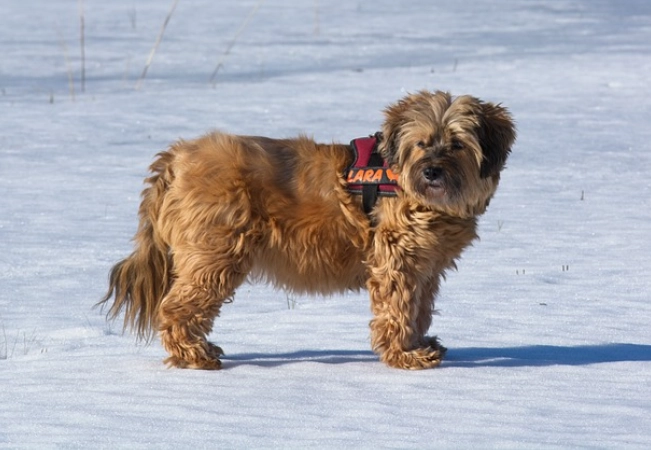
You should probably look elsewhere if:
- Grooming is a chore you dread.
- You are away from home for long hours regularly.
- You want a dog that obeys instantly without question.
- You have a very loud, chaotic household (their sensitivity might make them stressed).
- You are on a tight budget (grooming and potential health costs are real).
The Tibetan Terrier is not a mythical "Himalaya Terrier," but something better: a real, wonderful dog with a rich history and a huge capacity for love. Do your homework, find a responsible breeder or rescue, and you could gain a charming, fluffy friend for life. Just keep that brush handy.
Related Articles