Yorkiepoo Dog Breed Guide: Temperament, Care & Health Facts
What's Inside?
Let's be honest, you're probably here because you saw a picture of one. A fluffy, teddy-bear face with eyes that could melt the stoniest heart. The Yorkiepoo has that effect on people. It's a cross between a Yorkshire Terrier and a Toy or Miniature Poodle, and it's been riding the "designer dog" wave for a good two decades now. But is the hype real, or are you just signing up for a tiny, barking tornado with expensive grooming needs?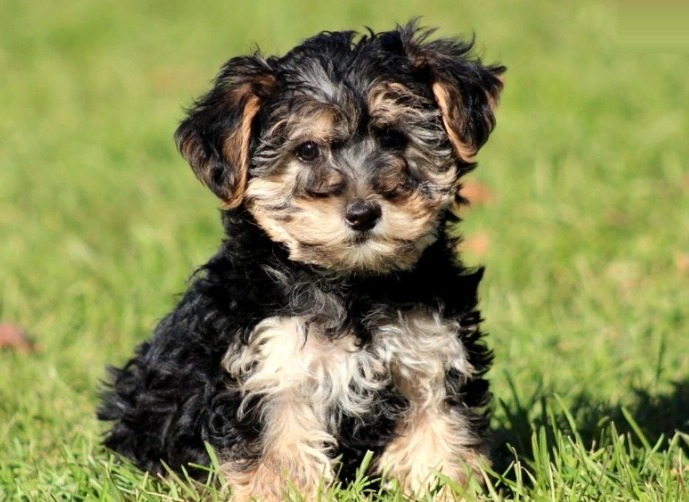
I've talked to breeders, owners, and even a couple of vets who see these little guys regularly. I've also watched my friend's Yorkiepoo, "Biscuit," transform from a shy puppy into a confident, slightly stubborn little character who rules her apartment. There's a lot to unpack with this breed.
This isn't just a list of facts. It's a real look at what life with a Yorkiepoo is actually like—the good, the bad, and the fur-covered. We'll get into the nitty-gritty of their health, their sometimes-tricky temperament, and whether they're truly a good fit for a first-time dog owner. By the end, you'll know if a yorkiepoo is the missing piece in your life or a commitment you might want to reconsider.
What Exactly Is a Yorkiepoo?
First things first, let's clear up the name game. Yorkiepoo, Yorkie Poo, Yorkipoo, Yorkiedoodle… they all refer to the same mixed-breed dog. It's not a purebred recognized by major kennel clubs like the American Kennel Club (AKC), but rather what's known as a "first-generation" or "F1" cross. That means one parent is a purebred Yorkshire Terrier and the other is a purebred Poodle (almost always the Toy or Miniature variety).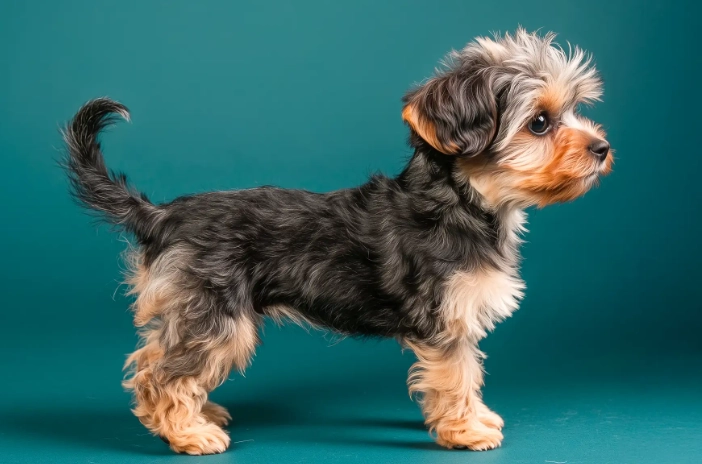
The goal of this mix? Breeders aimed to combine the loyal, feisty personality of the Yorkie with the intelligence and low-shedding coat of the Poodle. The result is a dog that's marketed as smart, affectionate, and hypoallergenic. Now, the "hypoallergenic" part is a bit of a marketing stretch—no dog is 100% hypoallergenic. But because they often inherit the Poodle's curly, single-layer coat, many Yorkiepoos shed significantly less than your average dog, which can be a blessing for allergy sufferers. I say "can be" because coat types vary wildly in this mix.
The breed's popularity really took off in the early 2000s. People wanted a small, portable companion with a big personality and manageable grooming. The Yorkiepoo fit the bill. But popularity sometimes outpaces responsible breeding. This is a crucial point we'll come back to.
The Yorkiepoo Look: Size, Coat, and That Adorable Face
Predicting what a Yorkiepoo will look like full grown is like trying to guess the weather two weeks from now. You can make an educated guess based on the parents, but there are no guarantees. This unpredictability is a hallmark of many mixed breeds.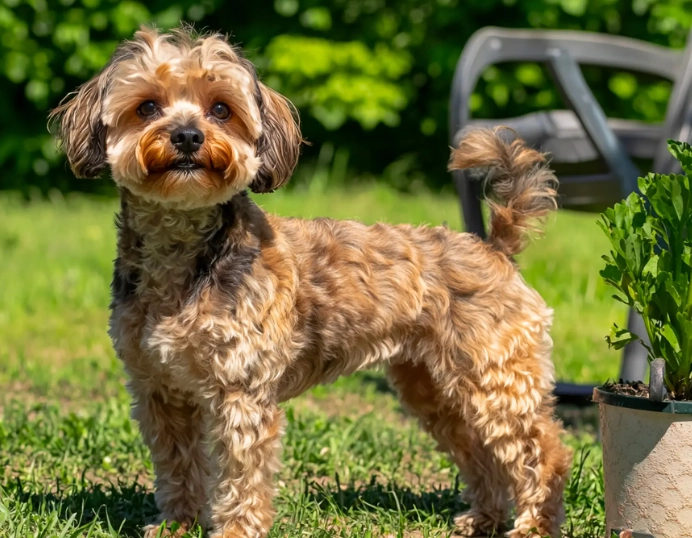
| Size Category | Estimated Weight (Full Grown) | Estimated Height | Parent Influence |
|---|---|---|---|
| Toy / Teacup | 3 - 7 lbs | 6 - 9 inches | Yorkie x Toy Poodle. Extremely fragile. |
| Small Standard | 7 - 12 lbs | 9 - 12 inches | Most common. Yorkie x Mini Poodle. |
| Larger Variety | 12 - 15+ lbs | 12 - 15 inches | Larger Mini Poodle parent. |
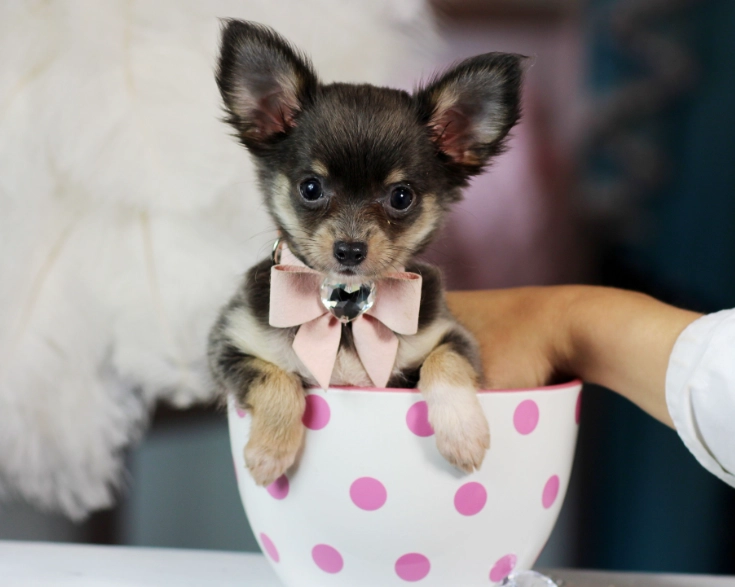
Be very wary of anyone advertising "Teacup" Yorkiepoos. That's not a real size classification; it's a term used to market dangerously underweight and often unhealthy dogs. A Yorkiepoo under 5 pounds is at a much higher risk for injury and health problems. A healthy small dog is better than a tiny, sickly one.
Their coat is the biggest variable. It can be:
- Curly/Wiry: A tight, Poodle-dominant coat. This is the lowest-shedding type but requires the most frequent professional grooming to prevent matting.
- Wavy/Shaggy: A mix of both parents' traits. This is common and can be quite manageable with regular brushing at home.
- Straight/Silky: More Yorkie-like. It will be longer, silkier, and may shed a bit more than the other types.
Coat colors are just as diverse: black, brown, chocolate, tan, silver, gold, or any combination (parti-color). Many Yorkiepoos are born dark and lighten as they age, a trait inherited from the Poodle side.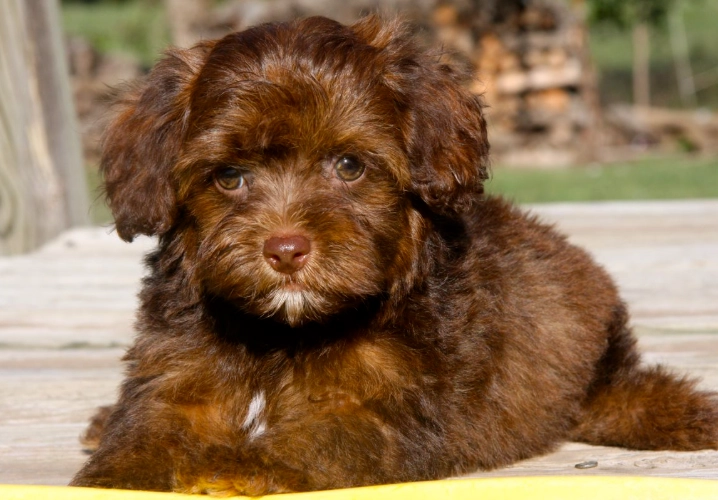
Yorkiepoo Personality: Not Just a Lap Dog
If you think you're getting a decorative pillow that breathes, think again. The Yorkiepoo temperament is a fascinating, sometimes challenging, blend. They pack a lot of spirit into a small frame.
The Good Stuff (The Pros)
- Affectionate & Loyal: They often bond intensely with one or two people. You will have a shadow.
- Highly Intelligent: Poodle brains are no joke. They learn tricks quickly and can be very clever (sometimes too clever for their own good).
- Energetic & Playful: Great for short bursts of play. They love fetch and puzzle toys.
- Good for Apartments: Their size makes them ideal for smaller living spaces, provided they get their energy out.
- Alert Watchdogs: They will let you know about every delivery person, squirrel, or leaf blowing by. Sometimes a bit too enthusiastically.
The Challenges (The Cons)
- Prone to Separation Anxiety: That intense bond has a downside. Many Yorkiepoos struggle badly with being left alone and can become destructive or vocal.
- Stubborn Streak: The Yorkie independence mixed with Poodle problem-solving can mean they only listen when they want to. Consistency in training is non-negotiable.
- Can Be "Yappy": Alert barking can turn into nuisance barking if not managed from puppyhood.
- Not Always Great with Small Kids: Their small size makes them fragile. A young child's rough play can easily injure them, and they may snap if frightened or hurt.
- Potential for Resource Guarding: Some can develop habits of guarding food, toys, or even their favorite person.
Are Yorkiepoos aggressive? Generally, no. But fear-based reactivity is not uncommon. Poor socialization or a bad experience can make them nervous and quick to bark or snap. This is why choosing a well-socialized puppy from a responsible breeder is critical, and why you must continue that socialization yourself.
They thrive on routine and attention.
Forget to walk them or engage their brain for a few days? You might find your shoes chewed or hear about it in a chorus of barks. They need both physical and mental stimulation. A bored Yorkiepoo is a recipe for trouble.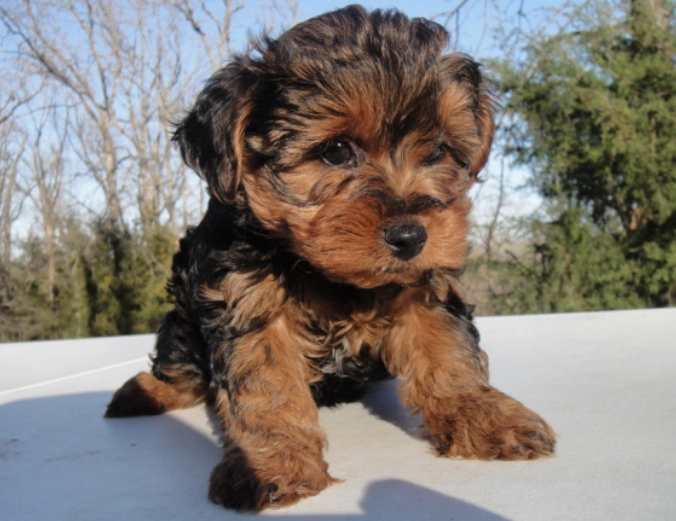
Living with a Yorkiepoo: Daily Care and Training
Grooming: It's a Commitment
That cute, fluffy coat doesn't maintain itself. Regardless of coat type, a Yorkiepoo needs regular attention.
- Brushing: Every other day, at a minimum. Wavy and curly coats mat easily, especially behind the ears, under the legs, and around the collar. A slicker brush and a metal comb are your best friends.
- Bathing: Every 3-4 weeks with a gentle dog shampoo. Over-bathing can dry out their skin.
- Professional Grooming: Every 6-8 weeks for a trim. This isn't optional unless you're skilled with clippers. Matted fur is painful and can hide skin infections. Grooming is a significant, recurring expense for this breed.
- Other Needs: Regular nail trims, ear cleaning (their floppy ears can trap moisture), and dental care. Small dogs are notorious for dental issues, so daily tooth brushing is ideal.
Training Your Yorkiepoo: Patience is Key
They are smart, which means they get bored with repetition quickly. Training sessions should be short, fun, and full of high-value rewards. Positive reinforcement is the only method that works consistently.
Obedience classes are a fantastic idea, not just for the commands but for the controlled socialization. A well-trained Yorkiepoo is a joy; an untrained one can be a tiny tyrant.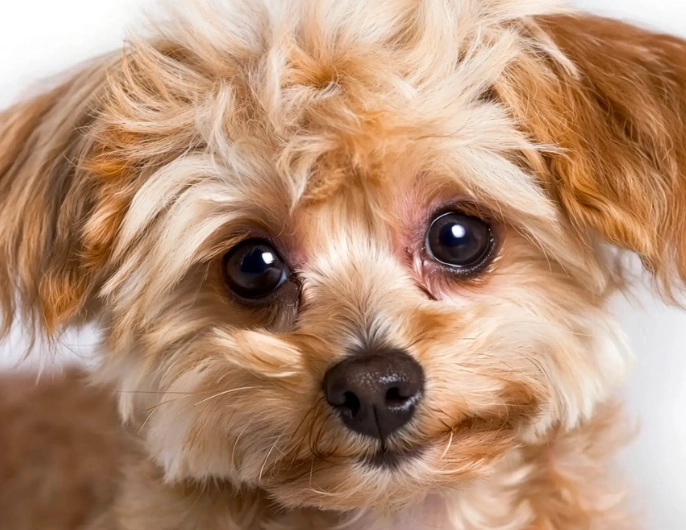
Exercise Needs
Don't let their size fool you. A Yorkiepoo needs a decent walk (20-30 minutes) at least once a day, plus active playtime. They enjoy agility, nose work, and learning new tricks. A tired Yorkiepoo is a well-behaved Yorkiepoo.
Yorkiepoo Health: What You Need to Watch For
This is the most important section. While crossbreeding can sometimes reduce the risk of certain genetic issues (a concept known as hybrid vigor), it doesn't make them immune to health problems. In fact, they can inherit issues from either parent breed.
A responsible breeder will perform health screenings on both parent dogs. For the Poodle parent, this should include evaluations for progressive retinal atrophy (PRA) and patellar luxation. For the Yorkie parent, patellar luxation is also a concern, along with screenings for certain cardiac issues. The Orthopedic Foundation for Animals (OFA) maintains a database where you can often verify these health clearances. Asking to see these certificates is not rude; it's due diligence.
Common health issues seen in Yorkiepoos include:
- Patellar Luxation: A dislocating kneecap. Very common in small breeds. Signs include skipping or holding up a back leg. Mild cases are managed, severe ones require surgery.
- Dental Disease: Crowded teeth in a small mouth lead to rapid tartar buildup. Regular professional cleanings at the vet are a must.
- Collapsing Trachea: A weakening of the windpipe rings, causing a honking cough. It's often managed with medication and lifestyle changes (like using a harness instead of a collar).
- Eye Problems: Conditions like cataracts, dry eye, or PRA can occur.
- Hypoglycemia: Especially in very small puppies, low blood sugar can be sudden and dangerous. Knowing the signs (lethargy, weakness, tremors) is critical.
- Allergies: Skin and food allergies are not uncommon and can lead to itching and infections.
A good diet is foundational.
Feed a high-quality, age-appropriate kibble or wet food. Avoid free-feeding (leaving food out all day) as Yorkiepoos can easily become overweight, which exacerbates joint issues. Talk to your vet about the right portion for your dog's size and activity level.
With proper care from a good breeder and a dedicated owner, a Yorkiepoo's lifespan is typically 12 to 15 years. Some live even longer.
Finding a Yorkiepoo: Breeder vs. Rescue
This is your most critical decision. The internet is full of puppy mills and backyard breeders churning out Yorkiepoo puppies for profit, with little regard for health or temperament.
How to spot a responsible breeder:
- They focus on one or two breeds and have deep knowledge of both.
- They show you the mother dog (and ideally the father) and raise puppies in their home.
- They ask you as many questions as you ask them. They want to ensure their puppies go to the right homes.
- They provide health clearances for the parent dogs, as mentioned above.
- They have a contract that includes a health guarantee and a clause requiring you to return the dog to them if you can't keep it, at any point in its life.
- They are not constantly advertising multiple litters available immediately.
Expect to pay $1,000 to $2,500+ for a puppy from a reputable source. The price reflects the cost of health testing, quality care, and early socialization.
Consider adoption. Mixed-breed dogs, including Yorkiepoos and similar small mixes, often end up in shelters and rescue organizations. Breed-specific rescues for Poodles or Yorkies sometimes have mixes come through. Adopting an adult dog can be wonderful—you often get a clearer sense of their personality and may skip the intense puppy phase. The adoption fee is usually much lower, and you're giving a dog a second chance.
Final Thoughts: Is a Yorkiepoo Right for You?
So, after all this, should you get a Yorkiepoo? Let's summarize.
Choose a Yorkiepoo if: You want a small, intelligent, and affectionate companion. You have the time and budget for regular grooming. You are home a lot or can make arrangements to prevent separation anxiety. You are committed to consistent, positive training and proper socialization. You're okay with a dog that might have a big personality (and voice) in a small package.
Think twice about a Yorkiepoo if: You are away from home for long hours regularly. You have very young children. You want a low-maintenance dog (grooming is a must). You are looking for a guaranteed hypoallergenic pet. You are not prepared to be the leader your dog needs.
They're not for everyone.
But if their profile matches your lifestyle, a Yorkiepoo can be an incredibly rewarding and loving friend for over a decade. The key is going in with your eyes wide open, choosing your puppy or dog with care, and committing to being the owner they need you to be. Do that, and you might just end up with one of the most delightful little companions around.
Just ask Biscuit. She's currently snoozing on a pillow she commandeered, living her best, fluffy life.
Related Articles