Hamster Diet 101: What Do Hamsters Eat? Safe Foods & Feeding Guide
Quick Navigation
- Start Here: Understanding the Wild Hamster's Plate
- The Core of the Diet: Commercial Foods
- The Fresh Stuff: Vegetables, Fruits, and Protein
- The Absolute No-Go List: Foods That Can Harm Your Hamster
- Special Considerations: Dwarf vs. Syrian Hamsters
- Putting It All Together: A Sample Weekly Feeding Schedule
- Beyond Food: Water, Dental Health, and Hoarding
- Answers to the Questions You're Actually Searching For
- Final Thoughts: It's Simpler Than It Seems
Let's be honest. When you first bring that little ball of fur home, the pet store employee probably gave you a quick rundown and sold you a bag of colorful mix. But then you get home, look at the tiny creature, and a wave of questions hits. Is this bagged food enough? Can I give it a piece of my apple? What about that lettuce in the fridge? Suddenly, figuring out what do hamsters eat feels more complicated than you expected.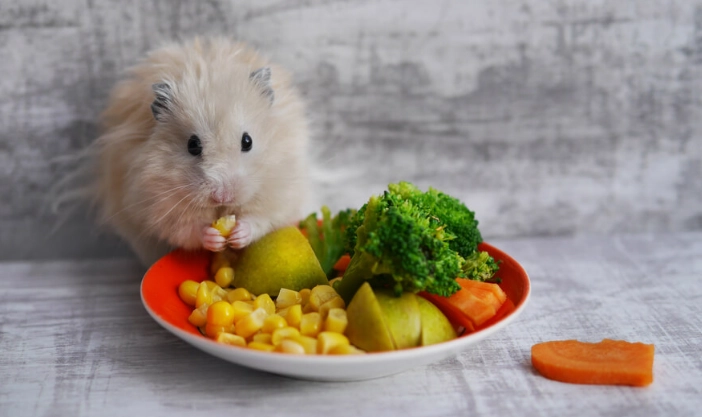
I've been there. Years ago, my first Syrian hamster, Peanut, was a picky eater who'd meticulously pick out all the sunflower seeds and leave the rest. It took some trial, error, and a lot of reading to get it right. The goal isn't to create a gourmet chef for your hamster, but to understand the basics of their biology and translate that into a simple, healthy feeding routine. A proper diet is the single biggest factor in preventing obesity, diabetes (a huge issue for dwarf breeds), digestive problems, and ensuring your hamster lives a full, active life.
So, let's ditch the confusion and break it down. This isn't just a list of foods. It's a look at why hamsters need what they need, how to balance it, and how to spot trouble before it starts.
Start Here: Understanding the Wild Hamster's Plate
To figure out what do hamsters eat in our homes, we should first peek at their natural menu. Wild hamsters, like the Syrian (Golden) hamster's ancestors from arid regions of Syria and Turkey, are opportunistic foragers. Their diet shifts with the seasons.
In spring and summer, they munch on grasses, leaves, seeds, grains, and the occasional insect or worm for protein. Come autumn, the focus shifts heavily to gathering and hoarding seeds and grains—their high-energy, storable survival food for the winter. This tells us two crucial things about their digestive system: it's built to process a lot of fibrous plant material and hard seeds, and they have a natural, powerful instinct to hoard high-calorie foods.
This wild blueprint is our guide. A domestic hamster's diet should mirror this balance: a foundation of grains and seeds, supplemented with fibrous greens and a bit of protein, all while managing their innate love for fatty seeds. Ignoring this blueprint is where most feeding mistakes happen.
The Core of the Diet: Commercial Foods
This is your hamster's daily bread, the reliable base that should make up about 70-80% of their intake. But not all commercial foods are created equal, and the choice you make here sets the stage for everything else.
Lab Blocks or Pellets: The Nutritionally Complete Option
These are little uniform blocks or pellets, kind of like kibble for hamsters. Brands like Oxbow, Science Selective, and Mazuri make good ones. Every block is identical, formulated by animal nutritionists to contain the right balance of protein (around 17-19% for Syrians, 18-20% for dwarfs), fiber (8-15%), and fat (4-7%).
The huge advantage? No selective feeding. Your hamster can't pick out only the yummy, fatty bits and leave the healthy stuff. It ensures they get a complete nutrient profile with every bite. I switched Peanut to a lab block base after his seed-picking phase, and it made a noticeable difference in his energy and coat quality.
The downside? Some hamsters find them boring. It lacks the foraging excitement of a mixed diet. The texture is also very uniform, which doesn't do much for dental wear—more on that later.
Seed & Grain Mixes: The Foraging Favorite
This is the classic bag of mixed seeds, grains, dried veggies, and pellets. It's visually appealing to us and stimulating for the hamster, who gets to sift, sort, and hoard different items.
Here's the catch, and it's a big one: selective feeding. Hamsters are geniuses at finding and eating only the most calorie-dense, often least nutritious items first—like sunflower seeds, pumpkin seeds, and peanuts. They'll happily leave the healthier pellets, millet, and flax seeds behind. This can lead to an unbalanced diet high in fat and low in essential vitamins and fiber. It's like a kid eating only the marshmallows out of the cereal box.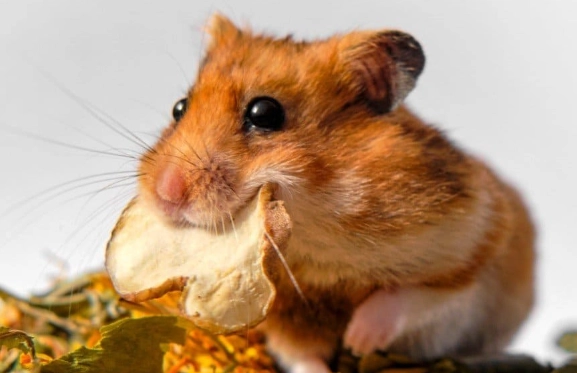
If you use a mix, you have to be a bit of a food police. Don't just keep topping up the bowl. Let it get almost empty, so they're forced to eat the healthier components. Or, better yet, use the mix as a supplement or foraging treat alongside a lab block base.
The Fresh Stuff: Vegetables, Fruits, and Protein
This is where you can really enrich your hamster's life and health. Fresh foods provide moisture, vitamins, enzymes, and variety. But they must be given correctly—too much, too often, or the wrong kind, and you're asking for wet tail (a serious, often fatal diarrheal disease) or other digestive upset.
The golden rule for fresh foods: tiny amounts, introduced slowly, and given infrequently. Think of it as a supplement, not a main course. A piece the size of your hamster's paw is plenty.
Safe Vegetables (The Green Light List)
These should be washed thoroughly, served raw or lightly steamed (never cooked with oils or seasonings), and completely dry to avoid bacterial growth. Offer one type at a time, 2-4 times per week.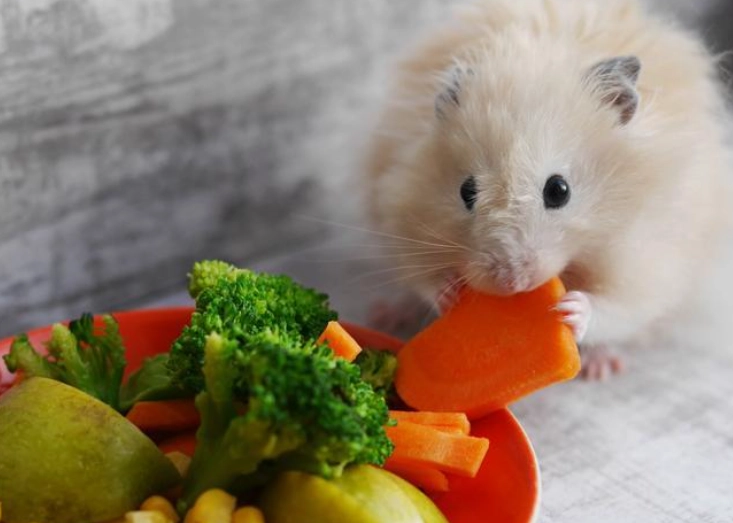
| Vegetable | Benefits & Notes | How Often |
|---|---|---|
| Broccoli Florets (tiny) | Great for vitamins C & K. Both florets and stalks are safe. | 1-2x week |
| Carrot (small slice) | Beta-carotene. High in sugar, so go easy. | 1x week |
| Cucumber | High water content. Great for hydration, but can cause loose stools if overfed. | 1x week, small piece |
| Bell Pepper (any color, seeds removed) | Excellent vitamin C source. Hamsters often love the crunch. | 1-2x week |
| Zucchini / Courgette | Low-calorie, easy to digest. | 1-2x week |
| Romaine Lettuce | Good fiber. Avoid iceberg lettuce—it's mostly water and has little nutritional value. | 1x week |
| Peas (fresh or frozen-thawed) | Good protein and fiber. | 1x week, 1-2 peas |
| Spinach & Kale | Nutrient-dense but high in oxalates. Feed in very small, infrequent amounts. | 1x every 2 weeks |
Fruits (Treats, Not Staples)
Fruits are nature's candy for hamsters. They are high in natural sugars, which can lead to obesity and are a direct trigger for diabetes in prone dwarf hamsters (Campbell's and Winter Whites). For any hamster, fruit is a rare treat—think once every 7-10 days, a piece smaller than a blueberry.
Safe options include a tiny bit of apple (seeds removed, as they contain cyanide), a fragment of a blueberry, a sliver of banana (very sugary!), a single raspberry, or a small piece of strawberry. Always remove any pits or seeds from stone fruits like peaches, as they can be toxic.
Protein Power-Ups
Remember the occasional insect in the wild? Hamsters, especially growing youngsters, pregnant females, and seniors, benefit from a little extra protein. Offer a small amount once a week.
- Mealworms or Crickets: Sold dried or live at pet stores. One or two is plenty. My hamsters go nuts for a dried mealworm—it's their absolute favorite treat.
- Plain Cooked Chicken or Turkey: A piece the size of a pea, boiled with no salt, oil, or seasoning.
- Hard-Boiled or Scrambled Egg: A tiny crumble, cooked plain.
- Plain Tofu: A small cube.
- Low-Fat Cottage Cheese or Plain Yogurt: A dab the size of a pea. Ensure it's plain and unsweetened.
The Absolute No-Go List: Foods That Can Harm Your Hamster
This part is critical. Some common human foods are toxic or extremely dangerous to hamsters. When in doubt, leave it out. It's not worth the risk.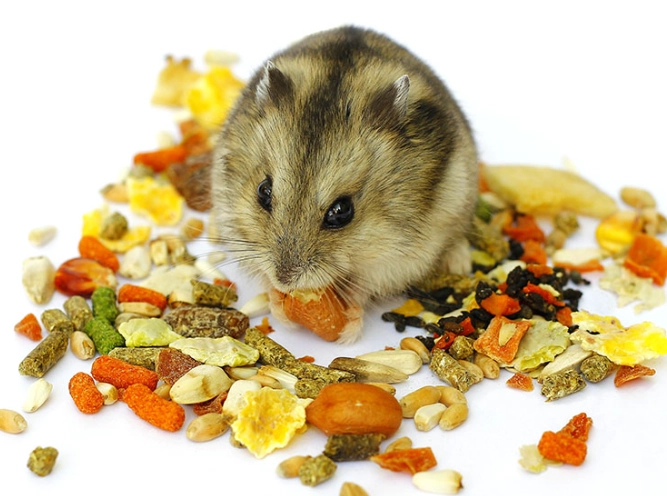
- Anything Salty, Sugary, or Processed: Chips, crackers, candy, chocolate (toxic), cookies, breakfast cereals.
- Toxic Fruits & Vegetables: Garlic, onions, chives, leeks, raw potatoes (green parts are especially toxic), rhubarb.
- Citrus Fruits: Oranges, lemons, limes, grapefruit—the acidity is too harsh for their digestive system.
- Almonds: Specifically bitter almonds contain cyanide. Even sweet almonds are very high in fat and not recommended.
- Apple & Fruit Seeds/Pits: Contain trace amounts of cyanide.
- Dairy Products (other than the small amounts of plain yogurt/cottage cheese mentioned): Most hamsters are lactose intolerant.
- Junk Food & Human Snacks: Just don't. No matter how cute they look.
Chocolate is a big one to highlight. It contains theobromine, which hamsters cannot metabolize. Even a small amount can cause heart problems, seizures, and death. If you're ever unsure about a food's safety, a great resource is the ASPCA Animal Poison Control Center website. They maintain extensive databases on toxicology for pets.
Special Considerations: Dwarf vs. Syrian Hamsters
This is a major point many general guides miss. What do hamsters eat depends heavily on the species.
Syrian (Golden) Hamsters: Larger and generally more robust. They can handle a slightly wider variety and are less prone to diabetes. Their diet can have a bit more flexibility with fruits and veggies, though moderation is still key.
Dwarf Hamsters (Campbell's, Winter White, Roborovski, Chinese): Here's where you need to be extra careful. Campbell's and Winter White dwarfs have a very high genetic predisposition to diabetes. For them, sugar is public enemy number one.
Their diet must be extremely low in sugar.
This means avoiding fruits almost entirely. Stick to low-sugar vegetables like broccoli, cucumber, and bell peppers. Also, check your commercial seed mix—some contain dried fruit pieces or sugary pellets. Opt for a dwarf-specific lab block or mix that is explicitly formulated to be low in sugar. The protein requirement for dwarfs is also a touch higher (closer to 18-20%) due to their faster metabolism.
Putting It All Together: A Sample Weekly Feeding Schedule
Theory is great, but what does this look like in practice? Here's a simple, balanced plan for a healthy adult Syrian hamster. For dwarfs, simply remove the fruit treat.
- Daily: A small bowl (about 1-2 tablespoons) of high-quality lab blocks, always available. Scatter a few blocks in the bedding to encourage foraging.
- Monday: Add a teaspoon of seed mix into a puzzle toy or empty toilet paper roll.
- Tuesday: Offer a small piece of broccoli or a bell pepper slice.
- Wednesday: Protein day. One dried mealworm or a pea-sized bit of plain chicken.
- Thursday: Another veggie, like a zucchini slice or a piece of cucumber.
- Friday: Foraging day. Hide their daily lab blocks around the cage.
- Saturday: A tiny fruit treat (e.g., a blueberry fragment) (omit for dwarf hamsters).
- Sunday: Light day. Just their regular lab blocks. Check and clean out any old hoards of perishable food.
See? It's not about complicated meals. It's about a steady base with little rotations of fresh stuff for interest and nutrition.
Beyond Food: Water, Dental Health, and Hoarding
Fresh Water is Non-Negotiable
Always, always provide fresh, clean water daily. Use a drip-proof bottle with a metal spout, checked to ensure it's not clogged. Even if they get moisture from cucumber, they need constant access to water.
Dental Health: They Need to Gnaw
A hamster's teeth never stop growing. Chewing on hard food, lab blocks, and especially untreated, pesticide-free wood chews (like applewood sticks) or Whimzees dental chews (made for dogs but a hamster-safe favorite) is essential to wear them down. A diet of only soft food can lead to painful, overgrown teeth.
The Hoarding Instinct: Don't Panic
You'll put food in the bowl, and it will vanish in minutes. Your hamster isn't necessarily eating it; they're storing it in their secret cheek pouches and stashing it in their nest. This is completely normal, hardwired behavior. Do not remove their food hoard regularly. It causes immense stress. Only clean out perishable hoards (fresh food) during your weekly cage clean, and try to leave some of their dry food hoard intact to make them feel secure.
Answers to the Questions You're Actually Searching For
Final Thoughts: It's Simpler Than It Seems
Figuring out what do hamsters eat can feel overwhelming at first, with all the do's and don'ts. But once you internalize the core principles—a balanced commercial base, tiny supplemental fresh foods, strict avoidance of toxins and excess sugar—it becomes second nature.
The best diet is one that keeps your hamster active, at a healthy weight, and living a long life. Watch your pet, not just the bowl. A shiny coat, bright eyes, and steady energy levels are the best signs you're getting it right. Don't stress over perfection. Avoid the big no-nos, provide variety in moderation, and enjoy the simple pleasure of watching your little friend enjoy a good, safe meal.
And remember, if you're ever truly stuck on a specific food item, a quick call to your exotic vet or a visit to a reputable source like the RSPCA's rodent care guides can provide reliable, species-specific advice. Happy feeding!
Related Articles