How Long Does A Turtle Live? Lifespan Facts & Care Secrets
Quick Navigation
You know, I get this question all the time. Someone sees my setup at home or hears I'm into reptiles, and they lean in with this curious look. "How long does a turtle live, anyway?" They're usually thinking maybe 10, 15 years tops. Like a dog, but slower. I always have to take a deep breath before I answer, because the truth is so much bigger than most people realize.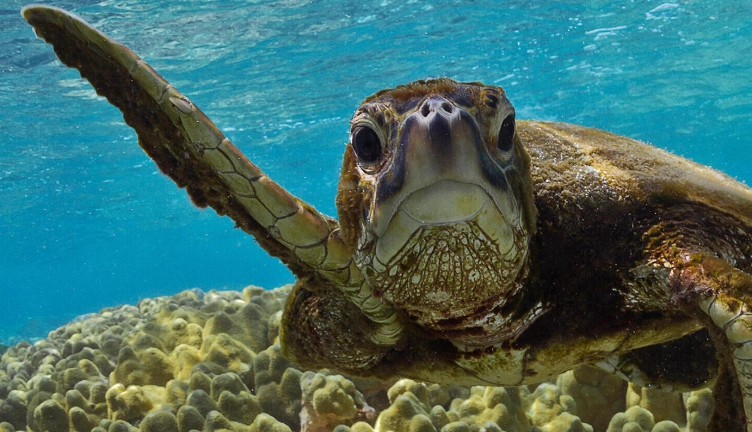
We're not talking about a pet you get for your kid's tenth birthday and then… well, you know. We're talking about a potential lifelong companion. A commitment that could outlast your car, your job, maybe even your mortgage. The simple question of how long does a turtle live opens up a whole world of biology, care, and responsibility that I think every potential owner needs to understand, deep in their bones, before they bring one home.
The Short (and Long) of It: There's no single number. Asking how long a turtle lives is like asking how tall a person is. A common pet red-eared slider can easily live 25-35 years with good care. Box turtles? 30-50 years isn't unusual. And then you have the giants, like the Aldabra or Galapagos tortoises, where a century is just getting started. The record-holders have lived over 150 years. Let that sink in for a minute.
Why Do Turtles Live So Darn Long? It's in Their Biology
It's not magic, though it feels like it sometimes. Turtles have this incredible suite of biological adaptations that seem designed for longevity. Their metabolism is famously slow – they don't burn through energy or cellular resources like we do. But there's more to it than just being chilled out.
Scientists point to things like their remarkable ability to handle oxidative stress (that's the cellular damage that ages us), super-efficient DNA repair mechanisms, and an immune system that stays robust for an incredibly long time. They're built to endure. Think about their shell – it's not just a house they carry; it's a fundamental part of their skeleton, offering unparalleled protection from predators and the elements. Less stress on the body equals less wear and tear over time.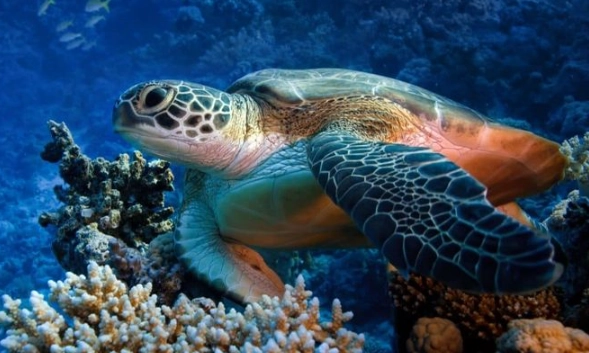
I remember reading a study from the Senckenberg Society for Nature Research that looked at turtle aging. They found some species show something called "negligible senescence" – meaning once they reach adulthood, their likelihood of dying doesn't really go up with age like it does for mammals. They just… keep going, barring accidents or disease. That's a mind-bending concept for us humans.
Breaking Down the Numbers: A Realistic Lifespan Guide
Okay, let's get practical. You're probably wondering about the specific turtle you have or want. This is where averages and real-world stories come in. Averages are just guides – a turtle with poor care might not see 5 years, while a meticulously cared-for one might blow past the average. But here's a rough guide based on what reputable keepers and organizations like the Tortoise Trust report.
| Turtle/Tortoise Type | Typical Captive Lifespan Range | Key Factors for Longevity | Reality Check |
|---|---|---|---|
| Red-Eared Slider | 25 - 35 years | Large aquatic setup, UVB light, varied diet | Often sold as "starter pets" but outlive their unprepared owners. |
| Painted Turtle | 25 - 30 years | Clean, filtered water, basking area | Hardy, but still a multi-decade commitment. |
| Russian Tortoise | 40 - 50+ years | Dry enclosure, high-fiber diet, summer grazing | Small size, enormous lifespan. A classic case of "don't judge a book." |
| Box Turtle (Eastern) | 30 - 50+ years | Humid terrestrial setup, live food, minimal handling | Records of individuals over 100 exist. They are heirlooms. |
| Sulcata Tortoise | 70 - 100+ years | Massive outdoor space (eventually), strict diet control | You are not just getting a pet; you are adopting a landscape feature that will know your grandchildren. |
| Leopard Tortoise | 50 - 80 years | Grassy outdoor area, warm temps, low-protein diet | Beautiful, but their lifespan demands a solid succession plan. |
See what I mean? When you look at it laid out like that, the question of how long does a turtle live stops being a trivia fact and starts looking like a life plan. That Sulcata stat isn't a joke. I know a keeper who had to literally will his tortoise to a sanctuary because none of his family could handle a 150-pound reptile.
Here's my personal take after years in the hobby: the biggest mistake isn't getting the water temperature wrong by a degree. It's the mindset. People buy a cute, coin-sized turtle without the faintest idea of what they're signing up for decades down the line. The pet trade, frankly, does a terrible job of communicating this.
The #1 Thing That Decides How Long Your Turtle Will Live
If I had to boil it down to one make-or-break factor, it's this: informed, consistent care. A turtle's longevity in captivity is almost entirely in our hands. It's not about luck.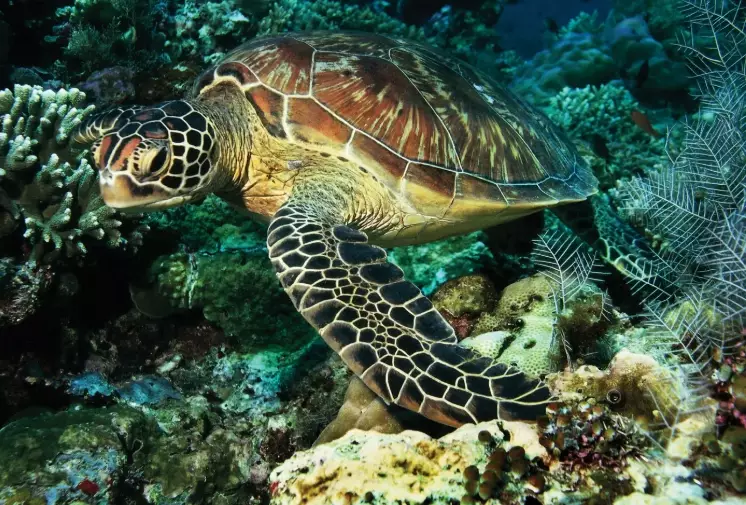
Where Most People Go Wrong (The Big Three)
Let's be brutally honest. Most turtles that die young die from preventable things.
First, the tank. That little plastic bowl with the palm tree? A death sentence. Even a "10-gallon starter kit" is too small for most aquatic turtles within a year. They need space to swim, dive, and explore. For a single red-eared slider, you're looking at a 75-100 gallon aquarium minimum as an adult. The rule of thumb is 10 gallons of water per inch of shell length. And filtration? You need a canister filter rated for 2-3 times the volume of your tank. Turtles are messier than fish.
Second, lighting. This is non-negotiable. Turtles need two lights: a heat lamp for basking (to regulate their body temperature) and a separate, full-spectrum UVB light. The UVB is critical. It allows them to synthesize vitamin D3, which in turn lets them use the calcium in their diet to build strong bones and shells. Without it, they develop Metabolic Bone Disease (MBD)—a painful, crippling, and fatal condition. The bulb needs to be replaced every 6-12 months, even if it still lights up, because the UV output degrades.
Third, diet. It's not just turtle pellets. For most species, it's a careful balance of proteins, vegetables, and sometimes fruits. Overfeeding protein to herbivorous tortoises causes shell deformities and kidney failure. Feeding only iceberg lettuce to a box turtle gives it zero nutrition. You have to research the specific needs of your species. The American Veterinary Medical Association (AVMA) has resources pointing to the importance of species-specific exotic pet care.
A Hard Truth: If you aren't prepared to invest in a large, specialized enclosure and high-quality lighting equipment, you are not prepared for a turtle. Full stop. It's better to admire them in ponds or at a reptile rescue than to sentence one to a short, unhealthy life in a cramped tank.
Wild vs. Captive: Where Do Turtles Live Longer?
This is a fascinating twist. For many animals, captivity shortens lives. For turtles, with proper care, the opposite is often true. In the wild, a turtle faces a gauntlet of dangers from the moment it hatches: predators, droughts, floods, disease, pollution, and habitat loss. The journey from nest to water alone is a deadly sprint for hatchlings. Only a tiny fraction reach adulthood.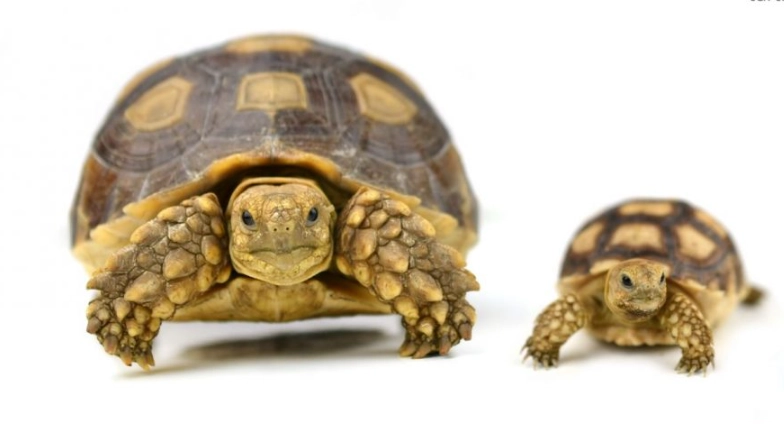
But if a turtle survives those early years and finds a stable territory, it can thrive for a very long time. The wild removes the risk of owner ignorance but adds countless environmental risks.
In captivity, we eliminate predators, starvation, and most weather extremes. But we introduce the risk of our own mistakes—poor nutrition, incorrect temperatures, stress from handling or cohabitation, and untreated infections. A well-run captive environment is a turtle's safe haven. A poorly run one is a stressful, deficient box that will cut its life tragically short.
So, the real answer to how long does a turtle live depends entirely on the world it lives in.
Your Action Plan for a Long, Healthy Turtle Life
Feeling overwhelmed? Don't. It's about building a solid foundation. Here's your checklist, the stuff that truly matters.
- Do the Research FIRST. Not after you buy it. Choose a species that fits your lifestyle, space, and long-term budget for 30+ years.
- Buy the Enclosure for the ADULT Size. Not the hatchling size. Set it up completely before you bring the animal home. Cycle the filter for an aquatic tank.
- Invest in Lights from Day One. Get a quality UVB tube light (like a T5 HO) and a separate basking heat lamp. Use a timer for a consistent day/night cycle.
- Find a Vet Before You Have an Emergency. Locate an exotics/reptile veterinarian in your area. A yearly check-up is smart preventative care.
- Plan for Your Absence. Create a detailed care sheet. Have a backup caretaker who knows what they're doing. Include funds for its care in your long-term plans.
Answering Your Burning Questions
I hear a lot of the same curiosities pop up. Let's tackle a few head-on.
How can you even tell how old a turtle is?
It's tricky! For young turtles, you can sometimes count the growth rings (scutes) on their shells, but these can smooth out with age and aren't always reliable. In adults, size is a very rough guide, but growth rates vary wildly with diet and health. For truly ancient tortoises, it's often historical record—knowing when they arrived at a zoo or were first documented. There's no simple "count the rings in the bone" method like with trees.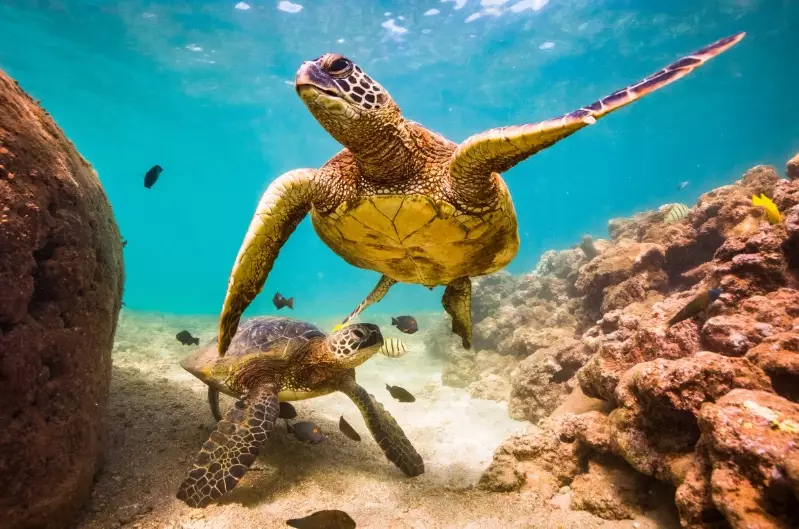
What's the oldest turtle ever recorded?
The most famous candidate is Jonathan, a Seychelles giant tortoise living on St. Helena island. Hatched around 1832, he's over 190 years old as I write this and is officially recognized by Guinness World Records. He's lived through world wars, the invention of the telephone, and the internet. He's a living testament to just how long a chelonian life can be. It makes you wonder what he's seen.
Do smaller turtles live shorter lives?
Not necessarily! It's more about species than pure size. A common musk turtle stays quite small but can still live 30-40 years. Some of the very long-lived species, like radiated tortoises, are medium-sized. The giant species just have the potential for the truly epic, century-plus lifespans.
My turtle has been with me since childhood. What now?
This is a beautiful and common situation. First, give yourself credit for being a great caretaker! Now, it's about future-proofing. Make sure its current setup still meets adult standards (many childhood tanks don't). Seriously consider creating a legal plan for its care in your will or trust. Reptile rescues are full of "heirloom" turtles whose owners passed away or moved to assisted living. A little planning ensures your old friend is cared for, no matter what.
Ultimately, understanding how long a turtle lives is the first and most important step in becoming a responsible keeper. It's a commitment that echoes through years. It asks you to think beyond yourself. But for those who are ready, it's also incredibly rewarding. There's a profound peace in caring for a creature whose pace is slow, whose needs are simple but specific, and whose life, with your help, can be wonderfully, amazingly long.
Look, I'm not trying to scare anyone off. I just want the turtles to win. And they win when people go in with their eyes wide open, ready for the marathon, not just the sprint. When you get it right, you're not just keeping a pet. You're stewarding a little piece of ancient, enduring life. And that's a pretty cool thing to be part of.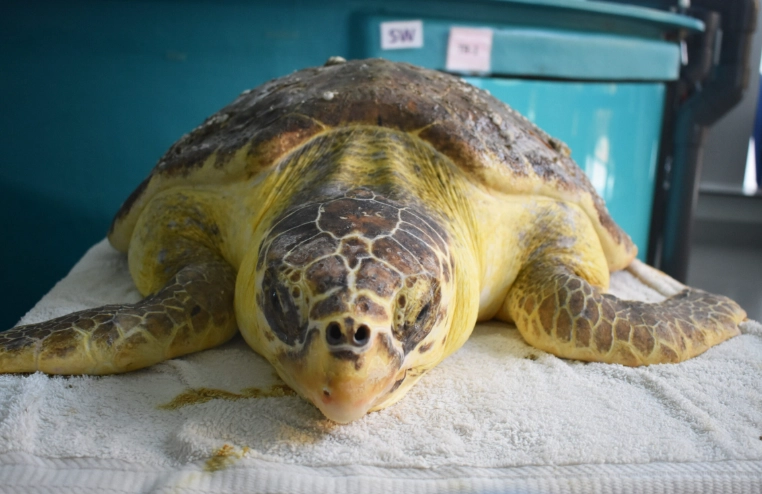
Related Articles