The Complete Puppy Vaccination Schedule: A New Owner's Guide
Quick Guide
- Why a Puppy Vaccination Schedule is Non-Negotiable
- The Core Puppy Vaccination Schedule: Your Essential Roadmap
- Breaking Down the Core Vaccines: What You're Actually Protecting Against
- What About Non-Core Vaccines?
- Navigating the Real-World Questions and Concerns
- Common Puppy Vaccination Schedule Myths Debunked
- Putting It All Together: Your Action Plan
Let's be honest, bringing a new puppy home is a whirlwind of joy, chewed slippers, and... a ton of questions. Right up there with "what do I feed this little guy?" is the big one: "What shots does my puppy need, and when?" That puppy vaccination schedule the vet hands you can look like a confusing roadmap written in another language.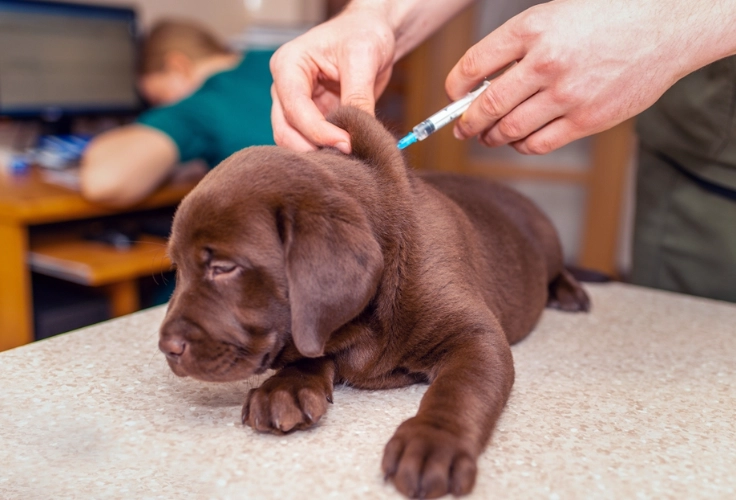
I remember staring at my first puppy's schedule, feeling completely out of my depth. Distemper? Parvo? Bordetella? It was overwhelming. I just wanted my pup to be safe and healthy.
You're not alone in that feeling. Getting your puppy's vaccination schedule right is one of the most crucial things you'll do in their first year. It's not just about ticking boxes; it's about building a shield against some really nasty diseases. This guide is here to translate that roadmap for you, step by step, without the jargon and confusion.
The bottom line upfront: There isn't one single, universal puppy vaccination schedule that fits every dog in every situation. It depends on your pup's age, health, lifestyle, and even where you live. What we'll cover here is the standard, widely recommended framework that vets use as a starting point. Your own vet is your best partner in finalizing the perfect plan.
Why a Puppy Vaccination Schedule is Non-Negotiable
Think of your puppy's immune system like a tiny, inexperienced army. When they're born, they get some initial troops (antibodies) from their mother's milk. This is called maternal immunity. It's great for the first few weeks, but it starts to fade. The problem is, as it fades, it also blocks vaccines from working properly.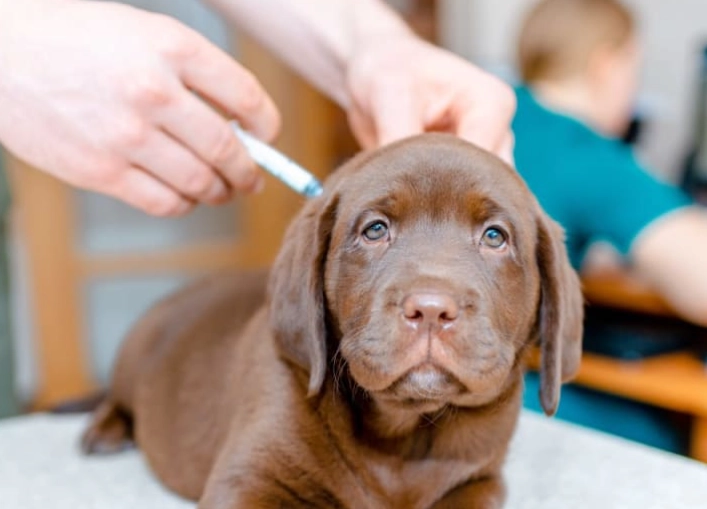
That's the whole reason behind the multi-shot schedule. We give a series of vaccines, usually starting at 6-8 weeks old, and repeating them every 3-4 weeks until they're about 16 weeks old. We're essentially looking for that sweet spot after the maternal antibodies have dipped low enough but before the puppy is left unprotected in the big, germ-filled world.
Missing a shot or delaying the series leaves a dangerous gap in their defenses. Diseases like Parvovirus are brutal, expensive to treat, and often fatal for puppies. Sticking to the recommended puppy vaccination schedule is the cheapest, easiest, and most effective form of preventative healthcare you can provide.
It's that important.
The Core Puppy Vaccination Schedule: Your Essential Roadmap
Alright, let's get into the nitty-gritty. Here's a visual breakdown of the typical puppy vaccination schedule. I find a table much easier to digest than a huge paragraph of dates.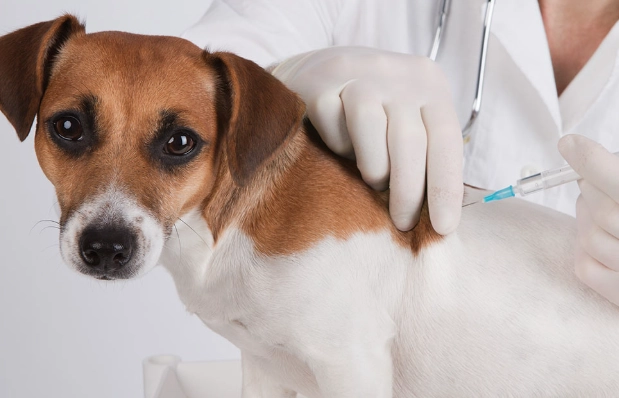
Remember, the "core" vaccines are considered essential for all puppies, regardless of where they live or what they do. They protect against widespread, severe diseases.
| Puppy's Age | Core Vaccines (Usually Combined) | Non-Core / Lifestyle Vaccines | Other Important Care |
|---|---|---|---|
| 6 - 8 Weeks | First DHPP shot (Distemper, Hepatitis, Parainfluenza, Parvovirus). Some vets may use a DAPP or DA2PP vaccine, which is essentially the same core combo. | Often too early for most non-core vaccines. | First veterinary check-up, deworming, discussion of nutrition and socialization. |
| 10 - 12 Weeks | Second DHPP shot. | First Bordetella (kennel cough) shot. First Leptospirosis shot (becoming increasingly recommended as core in many areas). First Lyme disease shot (if in a high-risk area). |
Continue deworming, begin socialization in safe environments (like puppy classes that require vaccination). |
| 14 - 16 Weeks | Third DHPP shot. Rabies vaccine (as required by law, timing varies by state/country but often given at 12-16 weeks). |
Second Bordetella (if needed). Second Leptospirosis. Second Lyme disease. |
Final deworming in the puppy series, discuss spay/neuter timing. |
| 12 - 16 Months | DHPP booster. Rabies booster (first 1-year or 3-year vaccine). |
Booster for any non-core vaccines given. | Transition to adult dog care schedule. |
See? It starts to make sense when it's laid out like that. The core series is usually wrapped up by 16 weeks, with that crucial booster a year later to solidify their long-term immunity.
A quick personal aside: My vet was a stickler for the 4-week interval between the core shots. She explained that stretching it to 5 or 6 weeks might increase the risk of a gap in protection. It meant an extra trip, but hearing her reasoning made it worth it. Always ask your vet why they prefer a specific timing.
Breaking Down the Core Vaccines: What You're Actually Protecting Against
It's one thing to know the schedule, another to understand what these diseases are. Let's demystify those acronyms.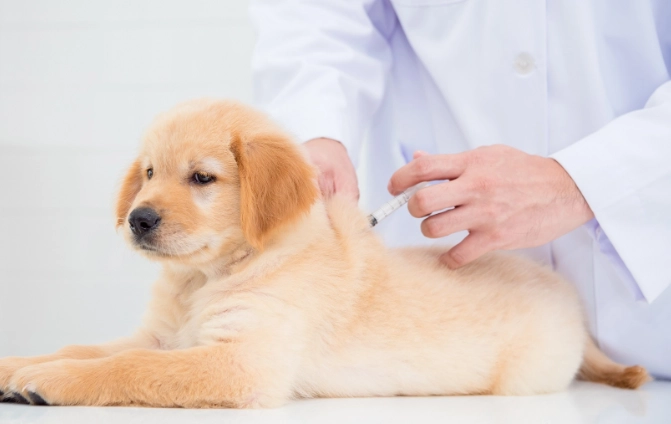
DHPP (or DAPP/DA2PP): This is the big one, the combo shot you'll hear about most.
- D – Canine Distemper: A nasty virus that attacks the respiratory, gastrointestinal, and nervous systems. It's often fatal, and survivors can have permanent neurological damage. This is a bad one.
- H – Hepatitis (Adenovirus-2): Attacks the liver, kidneys, and blood vessels. Can cause severe illness.
- P – Parainfluenza: One of the viruses that contributes to kennel cough (a respiratory infection).
- P – Parvovirus: The word that strikes fear into every puppy owner's heart. It causes severe, bloody vomiting and diarrhea, leading to extreme dehydration and often death, especially in puppies. It's highly contagious and can live in the environment for years. Vaccination is a literal lifesaver.
Rabies: This is the only vaccine required by law almost everywhere. It's a fatal disease that attacks the brain and can be transmitted to humans. The first rabies shot is usually good for one year, and subsequent boosters are often valid for three years, depending on local laws.
What About Non-Core Vaccines?
These are recommended based on your dog's specific risks. Your vet will ask about your lifestyle to decide.
- Bordetella (Kennel Cough): If your pup will ever go to boarding, daycare, grooming, dog parks, or group training classes, this is a good idea. It's like the canine common cold—annoying and contagious but usually not serious, though it can be risky for very young or old dogs.
- Leptospirosis: This bacteria is spread through the urine of infected wildlife (like rats and raccoons) and can contaminate water or soil. It can cause severe kidney and liver failure and can spread to humans. If you hike, live near water, or have wildlife in your yard, talk to your vet about this one. It's becoming a core recommendation in many urban and suburban areas now.
- Lyme Disease: Spread by ticks. Essential if you live in or travel to areas where Lyme-infected ticks are common.
- Canine Influenza (Dog Flu): Recommended for social dogs in areas where outbreaks occur.
Pro Tip: When discussing non-core vaccines with your vet, be honest about your life. Do you travel to the countryside? Is your backyard visited by raccoons? Does your pup have a best friend dog they play with daily? These details matter more than you think for tailoring the perfect puppy vaccination schedule.
Navigating the Real-World Questions and Concerns
The schedule is the blueprint, but real life is messy. Here are the questions that kept me up at night (and the answers I wish I'd had).
Life happens. A puppy gets a little sick, you go on vacation, you simply forget. Don't panic, but don't ignore it either.
The general rule is that you don't start the series over. You pick up where you left off. However, if the delay is very long (many months), your vet might have specific advice. The key is to call your vet's office, explain the situation, and get their guidance on rescheduling. They see this all the time. The goal is to get your pup back on track and fully protected as soon as possible.
Most puppies handle vaccines just fine. But it's good to know what to expect.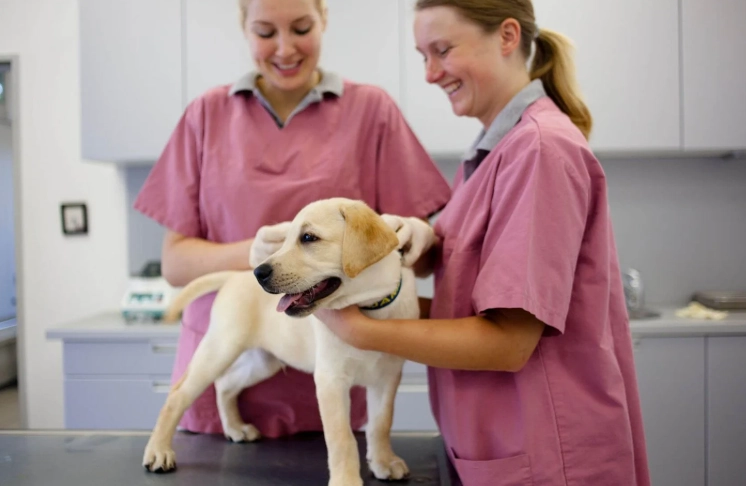
Common, Mild Reactions (Usually resolve in a day or two):
- A little lethargy or sleepiness.
- Mild soreness at the injection site.
- A slight decrease in appetite.
- A low-grade fever.
I always plan for a quiet day after shots. Extra cuddles, maybe a special chew toy, and no demanding playdates or training sessions. Let their body do its work.
Seek Immediate Veterinary Care if you see:
- Facial swelling or hives.
- Severe vomiting or diarrhea.
- Difficulty breathing.
- Collapse or extreme weakness.
These signs of a severe allergic reaction are very rare, but they are a true emergency. This is why some vets recommend you hang around the clinic for 10-15 minutes after the vaccination.
Let's talk money, because it's a real factor. Costs vary wildly based on your location, the clinic (corporate vs. private), and the vaccines given.
As a rough estimate, the entire initial series of core vaccines (3-4 visits) might range from $75 to $150 per visit, including the exam fee. So you could be looking at a total of $225 to $600 for the first year, with the 12-16 month booster adding another $80-$150. Non-core vaccines add $20-$40 each per visit.
It sounds like a lot, but compare it to the cost of treating Parvo, which can easily run into the thousands of dollars with no guarantee of survival. Vaccination is the ultimate preventive bargain.
Look into pet wellness plans offered by some clinics. They often bundle vaccines, exams, and preventatives (like flea/tick/heartworm meds) into a monthly payment, which can make budgeting easier.
Beyond the Needle: What to Do Before, During, and After Vet Visits
Managing the puppy vaccination schedule isn't just about showing up. A little prep goes a long way.
Before the Visit: Write down any questions you have. Is the puppy scratching their ears? Having weird poop? Seem itchy? This is your prime time to ask. Bring a fresh stool sample for a parasite check—it's standard and important. Bring treats to make the experience positive!
During the Visit: Hold your puppy calmly if you can. Ask the vet to explain what each shot is for. Get a clear, written record of what was given and when the next shot is due. This is your golden document—keep it safe! You'll need it for boarding, grooming, and if you ever switch vets.
After the Visit: That quiet day I mentioned. Offer water and a light meal. Monitor them. Most bounce back by the next morning, ready to chew your furniture with renewed vigor.
Common Puppy Vaccination Schedule Myths Debunked
You'll hear all sorts of things online and from well-meaning friends. Let's clear the air on a few big ones.
Myth: "My puppy never goes outside, so they don't need vaccines."
False. You can bring viruses in on your shoes and clothes. Parvovirus, for example, is incredibly hardy. An indoor-only puppy is not a safe puppy when it comes to these diseases.
Myth: "Vaccines cause autism in dogs."
This is a human myth that has unfortunately spilled over. There is no scientific evidence linking vaccines to canine autism or similar behavioral disorders. The risks of the preventable diseases are proven and severe.
Myth: "I can use a titer test instead of vaccinating."
A titer test measures antibody levels in the blood. It can be a useful tool in specific situations, like for an adult dog with a questionable vaccine history or for waiving certain requirements. However, for a puppy following their initial schedule, it is not a reliable substitute. Experts like the American Animal Hospital Association (AAHA) state that a positive titer result in a puppy is likely due to maternal antibodies, which don't guarantee protection. Following the established puppy vaccination schedule is the proven method for ensuring immunity. You can read more about their evidence-based guidelines on their official website.
Myth: "All vaccines need yearly boosters."
Not anymore. While some vaccines (like Bordetella or Leptospirosis) may be given annually, core vaccines like DHPP and Rabies often have longer durations of immunity after the initial series and first-year booster. Your vet will follow protocols, often based on the AAHA Canine Vaccination Guidelines, to determine an appropriate adult booster schedule (e.g., every 3 years). Never just assume—ask your vet about the specific booster schedule for your dog.
Putting It All Together: Your Action Plan
Okay, so your head might be spinning with all this info. Let's simplify it into a step-by-step plan for a new puppy owner.
- Before you get the puppy, research and choose a veterinarian. Read reviews, ask for recommendations.
- Schedule the first vet appointment within the first few days of bringing your puppy home, ideally around 6-8 weeks of age.
- At that first visit, have a conversation with your vet. Discuss your lifestyle (city vs. country, hiking, daycare plans). Together, you'll map out a personalized puppy vaccination schedule.
- Put all the follow-up appointment dates in your phone calendar immediately. Set reminders.
- Keep the vaccine record in a designated spot (I use a folder for all pet paperwork).
- Follow through on the entire series and the first-year booster. This is non-negotiable for solid, long-term protection.
- After the first year, transition to the adult booster schedule recommended by your vet.
The puppy shot schedule might seem like just another chore in the whirlwind of puppyhood. But it's the foundation of a long, healthy, and adventurous life with your dog. It's the reason you can take them hiking, to the beach, or to play with their friends without that knot of fear in your stomach.
It's worth every penny and every trip to the vet.
Stick with the plan, trust your vet's advice, and you'll have done one of the very best things a pet parent can do. Now go enjoy those puppy cuddles. You've got this.
Related Articles