Scottish Terrier Dogs: Complete Care Guide, Personality & Owner Tips
Quick Guide
- What Exactly Is a Scottish Terrier? Beyond the Monopoly Token
- The Scottie Personality: A Land of Contrasts
- The Famous Scottie Coat: Grooming Reality vs. Expectation
- Scottish Terrier Health: What to Watch For
- The Real Cost of Owning a Scottie Dog
- Living with a Scottie: A Day in the Life
- Training Your Scottish Terrier: Patience is Not Just a Virtue, It's a Requirement
- Frequently Asked Questions About Scottish Terriers
- Final Thoughts: Is a Scottie Right For You?
You've probably seen them. That iconic silhouette, the beard, the proud little stance. Scottish Terriers, or Scotties as everyone calls them, have a look that's impossible to forget. They're the little black dogs on the Monopoly board, the loyal companions of presidents, and for many, the perfect picture of a dignified terrier. But here's the thing I wish someone had told me before I got my first Scottie, Hamish: that picture doesn't tell the whole story. Not even close.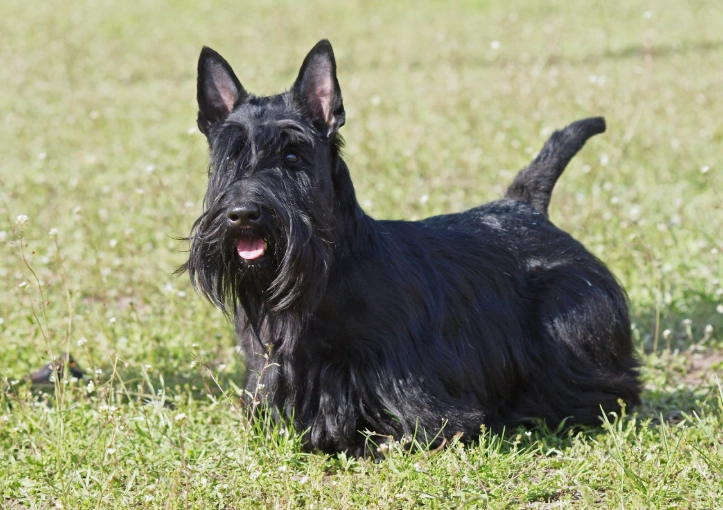
Owning a Scottish Terrier is a unique experience. It's not like having a Labrador or a Golden Retriever. It's a specific flavor of dog ownership, one filled with immense pride, stubborn love, and yes, sometimes sheer frustration. This isn't a breed for everyone, and that's okay. My goal here isn't to sell you on a Scottie. It's to give you the real, unfiltered scoop so you can decide if your life is the right fit for one of these remarkable, headstrong little dogs.
We're going to dig into everything—the good, the bad, the expensive, and the wonderfully weird. From their surprisingly complex personality to that famous coat that requires more upkeep than you might think, consider this your all-access pass to the world of dogs scotties.
What Exactly Is a Scottish Terrier? Beyond the Monopoly Token
Let's start with the basics. The Scottish Terrier is one of several terrier breeds that originated in Scotland, developed to go to ground after foxes, badgers, and rodents. They're small but powerfully built, standing about 10 inches tall at the shoulder and weighing 18 to 22 pounds. Don't let the size fool you; they're all muscle and determination packed into a compact frame.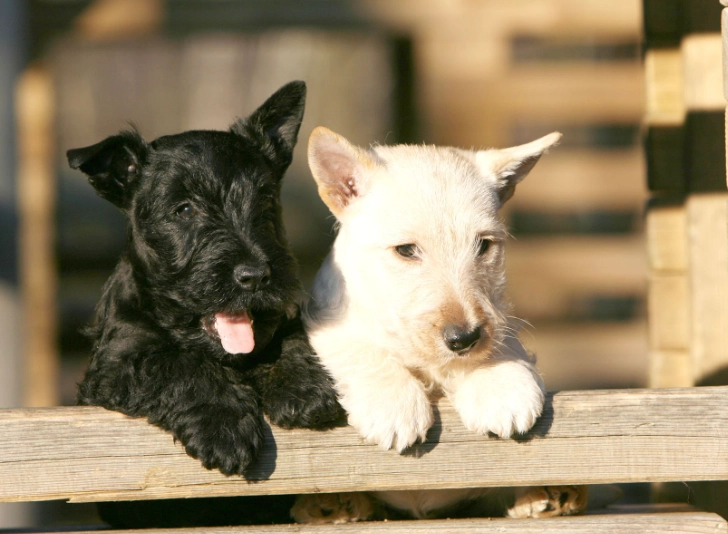
The breed standard describes them as "bold, confident, and dignified." That's the official line. In my experience, "confident" is a polite way of saying "stubbornly independent," and "dignified" often means "I will ignore you if your request doesn't align with my current goals." But more on that later.
Their history is fascinating. They were working dogs through and through, bred to be fearless and self-reliant enough to tackle quarry in dark, tight burrows alone. That independent streak is hardwired into their DNA. The American Kennel Club (AKC) provides a great overview of their breed standard and history, which is worth a read if you're a history buff.
The Scottie Personality: A Land of Contrasts
If you want a dog that lives to please you, look elsewhere. If you want a dog with the personality of a grumpy, loving, hilarious little roommate who deigns to let you live in their house, you might be on to something.
The Good Stuff (The Reasons People Fall in Love)
Scottish Terrier dogs are incredibly loyal. Once you're in their circle, you're in for life. Their love is deep and quiet. They're not prone to frantic licking or constant demand for attention. Instead, you'll get a steady presence, often following you from room to room just to lie at your feet. They're excellent watchdogs—alert, suspicious of strangers, and with a surprisingly deep, serious bark that belies their size. They have a great sense of humor (on their own terms) and can be wonderfully playful in short, intense bursts.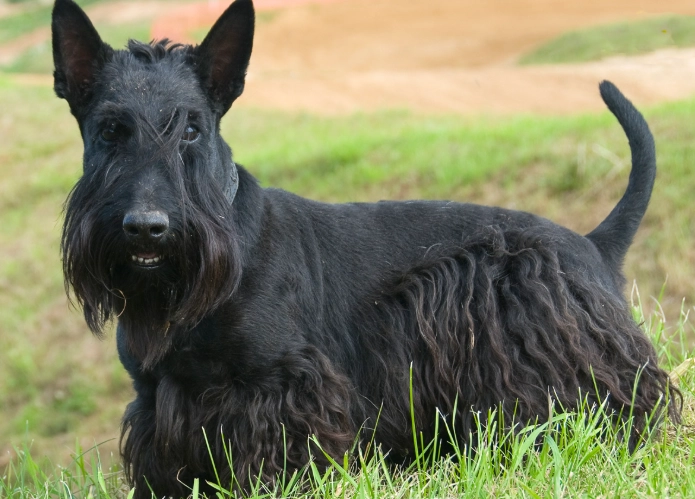
They're also relatively quiet indoors (when not alerting you to a delivery person) and are known for being fastidiously clean. Many Scottie owners report their dogs are almost cat-like in their grooming habits and personal space requirements.
The... Challenging Stuff (What You Need to Be Prepared For)
Okay, deep breath. The stubbornness is legendary. Training a Scottie requires patience, consistency, and a good sense of humor. They are intelligent and learn commands quickly—they just often see no compelling reason to obey them unless there's an immediate, high-value reward involved. Recall (coming when called) is notoriously difficult with this breed, especially if they've caught an interesting scent. You never let a Scottie off-leash in an unsecured area. Ever.
They can be aloof or even standoffish with strangers and are often not fond of other dogs, especially those of the same sex. Early and extensive socialization is non-negotiable, but even then, you're managing a predisposition, not eliminating it. They have a high prey drive. Squirrels, rabbits, and even small cats are seen as targets, not friends.
In short, they are not "easy" dogs.
But for the right person, these traits aren't deal-breakers; they're part of the package. You respect their independence, you manage their instincts, and you love them for their fierce, unique character.
The Famous Scottie Coat: Grooming Reality vs. Expectation
That wiry, handsome coat is a signature feature. It's also a part-time job. The idea that terriers are "low-shedding" is true, but "low-maintenance" it is not. The hair doesn't fall out much; instead, it gets trapped in the dense undercoat. If you don't remove it, it mats, and mats are painful and can cause skin issues.
I clip Hamish because he hates the stripping process, and I can't afford the professional cost every two months. His coat is softer and less "perfect" than show dogs scotties, but he's comfortable and happy. You have to choose what works for your budget and your dog.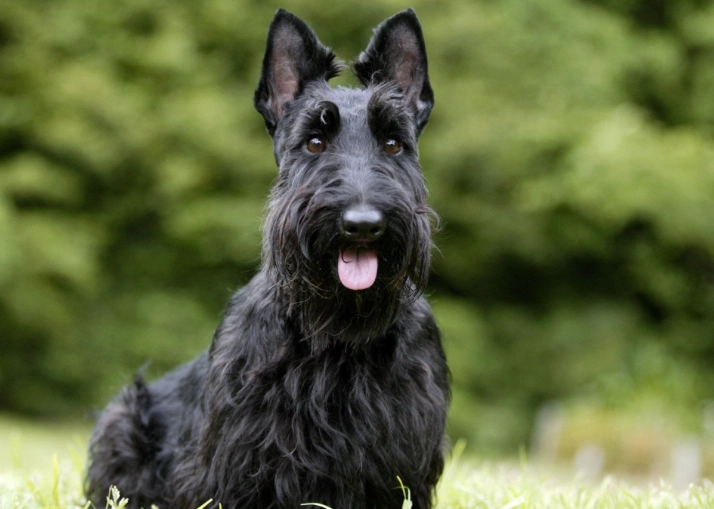
Beyond professional grooming, you're committing to regular home care:
- Brushing: At least 2-3 times a week with a slicker brush and a metal comb to prevent mats, especially behind the ears, under the legs, and around the skirt.
- Beard Cleaning: That adorable beard is a food, water, and dirt magnet. Get ready to wipe it after every meal and drink.
- Paw Pad Trimming: The hair between their paw pads grows long and needs trimming to prevent slipping and collecting debris.
Scottish Terrier Health: What to Watch For
This is a crucial section. Scotties are generally robust, but they have several breed-specific health concerns. Being an informed owner is the best thing you can do.
Here are the main health issues to be aware of:
- Scottie Cramp: A neurological disorder causing temporary, exercise-induced muscle stiffness or a "goose-stepping" gait. It's not painful and dogs live full lives with it, but it's something to know about.
- Craniomandibular Osteopathy (CMO): A painful bone growth in the jaw, usually appearing in puppyhood. It often resolves on its own as the dog matures, but requires management.
- Von Willebrand's Disease (vWD): A bleeding disorder similar to hemophilia. Reputable breeders test for this. You can check a breeder's results on the OFA website.
- Bladder Cancer (Transitional Cell Carcinoma - TCC): Sadly, Scotties have a higher incidence of this aggressive cancer than many other breeds. Be vigilant for signs like straining to urinate, blood in urine, or frequent accidents. Annual vet checks are vital.
- Skin Allergies: They can be prone to itchy skin and allergies, which often manifest as paw licking or recurrent ear infections.
A good relationship with a vet who understands the breed is priceless. Pet insurance for a Scottish Terrier isn't a bad idea, given their potential for specific conditions.
The Real Cost of Owning a Scottie Dog
Let's talk money, because it's a significant factor. These aren't the cheapest dogs to own.
| Expense Category | Initial/One-Time Cost | Ongoing Annual Cost (Estimate) | Notes |
|---|---|---|---|
| Acquisition | $1,500 - $3,000+ | - | From a reputable, health-testing breeder. Rescue adoption fees are lower ($300-$600). |
| Start-Up Supplies | $300 - $500 | - | Crate, bed, bowls, collar/leash/harness, toys, initial grooming tools. |
| Grooming | - | $600 - $1,200+ | Based on clipping every 8 weeks ($75/session) or hand-stripping every 8 weeks ($100/session). A major budget item. |
| High-Quality Food | - | $400 - $700 | They do well on good-quality kibble or wet food formulated for small, active breeds. |
| Veterinary Care (Routine) | - | $300 - $500 | Annual check-ups, vaccines, heartworm/flea prevention. |
| Pet Insurance | - | $400 - $800 | Highly recommended for this breed. Premiums vary by age, location, and coverage. |
| Miscellaneous | - | $200 - $400 | Toys, treats, replacement items, training classes. |
See what I mean? The grooming alone is a car payment. You're easily looking at $1,500 to $2,500+ per year, not counting emergencies. It's something you have to budget for realistically.
Living with a Scottie: A Day in the Life
What's it actually like? Here's a typical day with Hamish.
Morning: He wakes up when I do, but he's not bouncing. He stretches, gives a dignified yawn, and waits for me to make the first move. After breakfast (and the inevitable beard wipe), it's time for a brisk 20-30 minute walk. Scotties need this. They're energetic and need mental and physical stimulation, or they get bored and destructive. The walk is a sniffari for him—terriers are scent hounds first and foremost.
Daytime: He sleeps. A lot. He has his favorite spots—a corner of the couch, a sunny patch on the rug. He's quiet and unobtrusive. If I'm working, he's at my feet.
Evening: Another solid walk or some playtime in the yard (securely fenced, of course). He loves to chase a ball, but his retrieve is… selective. He often brings it halfway. After dinner, he's most affectionate, leaning against me on the couch. He's not a cuddler, but a leaner. That's his love language.
The biggest adjustment was accepting that I couldn't control his every move. I had to learn to work with his instincts, not against them. It made us both happier.
Training Your Scottish Terrier: Patience is Not Just a Virtue, It's a Requirement
Forget dominance theory. With Scotties, it's all about positive reinforcement and making yourself more interesting than the environment. High-value treats (cheese, chicken, hot dogs) are your currency. Keep sessions short (5-10 minutes) and fun. If they get bored, they'll just walk away.
Priorities for training dogs scotties:
- Socialization: This is the number one, most important thing. From 8 to 16 weeks, expose them (positively!) to everything: different people, surfaces, sounds, other (friendly) dogs, cars, etc. The American Veterinary Society of Animal Behavior (AVSAB) position statement on puppy socialization is an essential read.
- Leash Manners: Start early. They are strong pullers when they catch a scent. A well-fitted harness is kinder on their necks than a collar.
- Basic Obedience: Focus on "sit," "stay," and a reliable "leave it" (for when they find something disgusting on a walk). "Come" is a work in progress for life. I use a long-line leash in safe areas to practice recall without risk.
Frequently Asked Questions About Scottish Terriers
Final Thoughts: Is a Scottie Right For You?
It's decision time. Let's make a quick list.
You might be a great Scottie owner if you:
- Appreciate a dog with a big, independent personality.
- Have patience for stubbornness and a sense of humor about it.
- Can commit the time and money for regular, professional grooming.
- Want a loyal, low-shedding companion who is content to be with you.
- Have a secure yard or are committed to leash walks only.
- Are okay with a dog that may not be a social butterfly with strangers or other dogs.
You should probably consider a different breed if you:
- Want an eager-to-please, easy-to-train first dog.
- Need a dog with perfect recall for off-leash hiking.
- Have a tight budget (the grooming costs are real).
- Dream of a dog park socialite.
- Have very young children.
- Are looking for a constant cuddle bug.
Scottish Terriers are not for the faint of heart. They challenge you. But for those who click with them, there's no other breed like them. They're dignified clowns, loyal shadows, and stubborn little partners. If, after all this, you're still nodding your head and thinking, "Yep, that's the dog for me," then welcome. You're in for a truly unique and rewarding adventure with one of the most character-filled dogs on the planet.
Do your homework. Find a fantastic breeder through the Scottish Terrier Club of America or consider rescue through organizations like Col. Potter Cairn Terrier Rescue (they often take Scotties too). Ask questions, meet the dogs, and be honest with yourself.
And if you do bring one home, give them time. Let that aloof, cautious puppy grow into the devoted, funny friend they're meant to be. It's worth the wait.
Related Articles