Are Apples Good for Dogs? A Vet's Guide to Safe Feeding
快速导览
- Why Bother? The Real Benefits of Apples for Your Dog
- The Not-So-Fine Print: Risks and How to Prepare Apples Safely
- How to Actually Feed Apples to Your Dog: A Step-by-Step Guide
- Special Cases: Puppies, Seniors, and Dogs with Health Issues
- Your Questions, Answered: The Apple FAQ
- Beyond Apples: Other Safe (and Unsafe) Fruits
You're standing in the kitchen, munching on a crisp apple, and you feel those eyes on you. You know the look. Your dog is sitting there, head tilted, practically willing that apple slice into their mouth with the power of sheer desire. And you pause. Is this okay? I mean, are apples good for dogs, or is this one of those things we should avoid?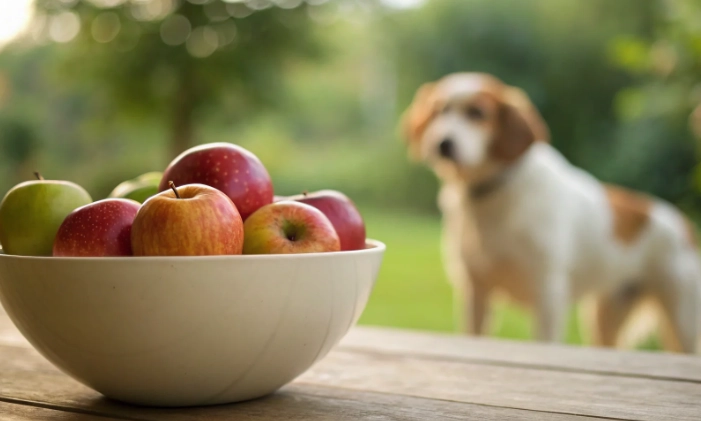
I've been through this exact scenario more times than I can count with my own dog, a food-motivated Labrador named Luna. The short answer, the one that makes her tail start thumping, is a resounding yes. But—and this is a huge but—there's a right way and a very wrong way to go about it. It's not as simple as just tossing them a core when you're done.
Think about it. We often hear about grapes being toxic, chocolate being a no-go, but apples? They seem so... innocent. That's where the danger of assumption creeps in. The fruit itself is fantastic, but nature, in its infinite wisdom, packaged it with a few hidden hazards for our four-legged friends. So if you're wondering can dogs eat apples safely, you're asking the right question. Let's peel back the layers on this one.
The Quick Take: Yes, apples are a healthy, low-calorie treat for most dogs. They're packed with good stuff. But you must remove the core and seeds, and feed them in moderation. Giving your dog a whole apple or the leftover core is a firm no.
Why Bother? The Real Benefits of Apples for Your Dog
So why even go through the trouble of slicing and dicing? If you're going to give your dog a treat, it might as well do some good beyond just tasting good. Apples actually bring some solid nutritional value to the bowl (or more likely, straight from your hand).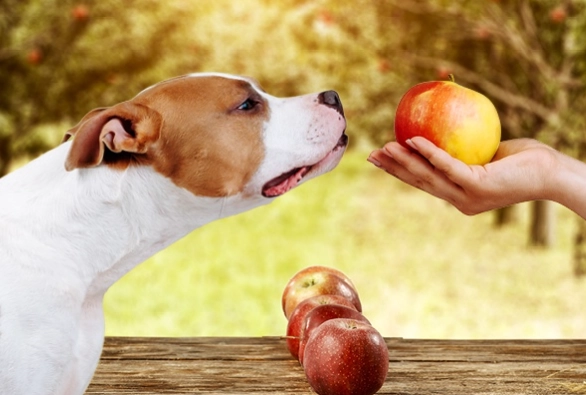
A Vitamin and Fiber Powerhouse
Let's talk about what's inside that crunchy flesh. Apples are a great source of Vitamin C, which acts as an antioxidant. Now, dogs produce their own Vitamin C, so they don't need it from food like humans do, but the extra boost doesn't hurt, especially for older dogs or those under stress. The real star for dogs is the fiber—specifically, pectin. This soluble fiber is fantastic for digestive health. It can help with both occasional loose stools and mild constipation, acting as a gentle regulator. I've seen it help with a dog's slightly upset stomach, though it's no substitute for a vet visit if things are serious.
They also contain Vitamin A for eye health, and a decent amount of potassium, which supports nerve and muscle function. According to the USDA's FoodData Central, a medium apple with skin provides about 4 grams of dietary fiber. For a dog, even a small slice contributes to their daily intake.
The Crunch Factor: Dental Health in Disguise
This is a benefit a lot of people don't think about. The mild abrasive action of chewing on a firm apple slice can help scrub away plaque from a dog's teeth. It's not a replacement for brushing—let's be clear, nothing really is—but it's a helpful supplementary action. The crunch also provides mental stimulation and satisfies a dog's natural urge to chew, which can steer them away from your favorite shoes. Just don't expect it to work miracles on significant tartar buildup.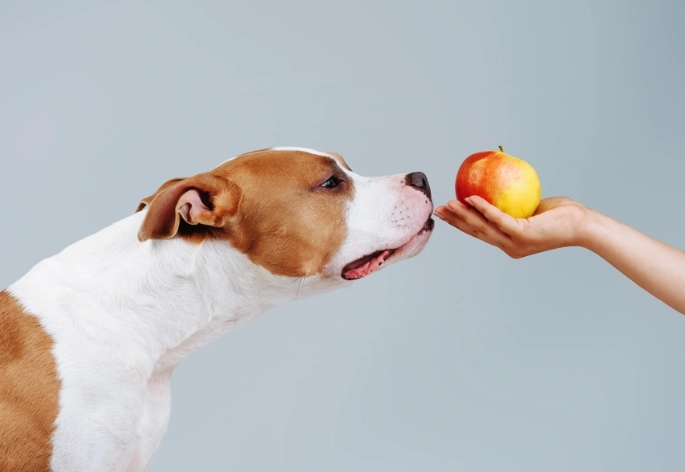
Low-Calorie, High-Satisfaction Treat
This is a big one. With pet obesity being a major health issue, finding low-calorie treats we can feel good about is key. Apple slices are about 95% water and are low in fat and protein. This makes them an excellent choice for training treats or just for spoiling a dog who's on a weight management plan. You can give a few small pieces for a fraction of the calories in a commercial dog biscuit. My Luna would do backflips for a tiny piece of apple, and it keeps her happy without padding her waistline.
Personal Tip: I keep a container of pre-sliced, seedless apple pieces in the fridge. It's my go-to "junk food" alternative when she's being extra charming or needs a distraction during a thunderstorm. It works every time.
The Not-So-Fine Print: Risks and How to Prepare Apples Safely
Here's where we get into the nitty-gritty. This is the part that separates a safe snack from a potential problem. Ignoring these steps is why some people end up with a negative answer to the question are apples good for dogs.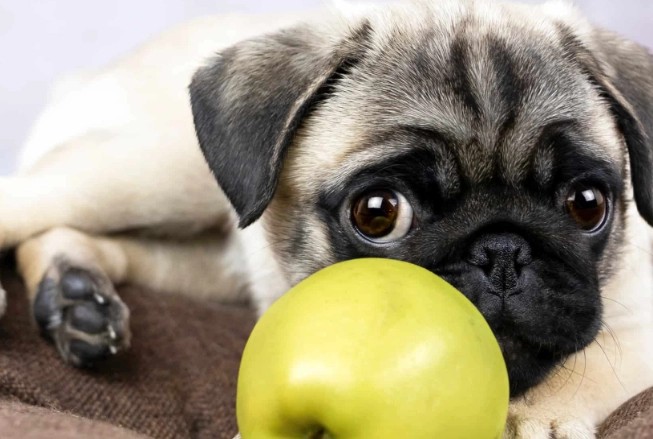
The Core of the Problem: Seeds and Stems
Apple seeds contain a compound called amygdalin, which can release cyanide when metabolized. Before you panic, let's be practical. The amount of cyanide in a few apple seeds is very small, and a dog would need to chew and consume a massive quantity of seeds to be poisoned. The ASPCA Animal Poison Control Center lists apple seeds as a concern, but notes that poisoning is rare because a large number need to be ingested.
But here's my take: why risk it at all? The seeds offer zero nutritional benefit and a non-zero risk. It's an easy fix. Just remove them. The core itself is a choking hazard and can cause an intestinal blockage, especially in smaller dogs. The stem is also hard and poses a similar choking risk. So, rule number one: no cores, no seeds, no stems.
To Peel or Not to Peel?
This is a common debate. The peel contains a lot of the fiber and nutrients, so it's beneficial. However, it can be harder for some dogs to digest, potentially leading to an upset stomach. It also may contain pesticide residues if you're not using organic apples.
My general advice? For most dogs, leaving the peel on is fine and adds nutritional value. If your dog has a sensitive stomach, or if you're introducing apples for the first time, you might want to peel the first few pieces to see how they react. If you're concerned about pesticides, give the apple a good scrub under running water, or opt for organic. Washing is non-negotiable, peel or no peel.
The Sugar Question
Apples do contain natural sugars (fructose). While this is far better than added sugars, it's still something to be mindful of, particularly for diabetic dogs. This is why moderation is the golden rule. A few slices as a treat is perfect; a whole apple is too much.
Watch Out For: Never, ever feed your dog processed apple products meant for humans. Apple pie, apple sauce with added sugar, apple candy, or apple juice are all bad news. They contain excessive sugar, spices (like nutmeg, which can be toxic), and other ingredients that don't belong in a dog's diet.
| Apple Part | Safe for Dogs? | Why or Why Not? | Action Required |
|---|---|---|---|
| Flesh (Meat) | YES | Low-calorie, high in fiber & vitamins. | Wash thoroughly. Slice into bite-sized pieces. |
| Skin (Peel) | YES (Usually) | Contains nutrients & fiber. May be hard to digest for some. | Wash very well to remove pesticides. |
| Core | NO | Choking hazard, risk of intestinal blockage. | Remove completely and discard. |
| Seeds | NO | Contain amygdalin (can release cyanide). | Remove all seeds before feeding. |
| Stem | NO | Choking hazard, hard to digest. | Remove and discard. |
See? It's not complicated when you break it down. A little prep goes a very long way in making sure apples for dogs are a positive experience.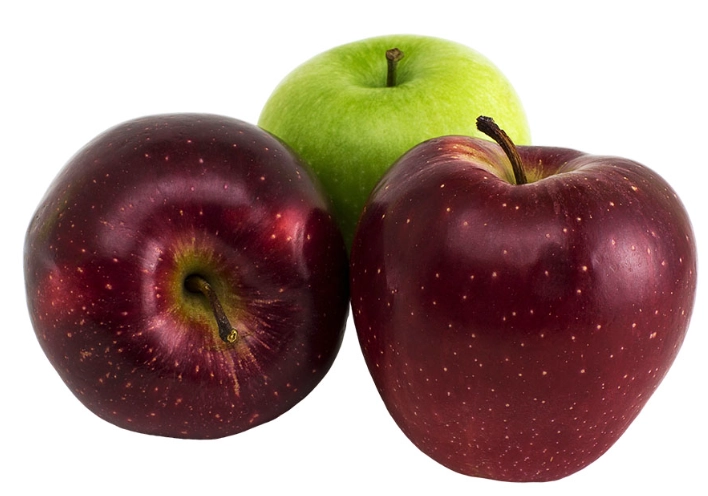
How to Actually Feed Apples to Your Dog: A Step-by-Step Guide
Okay, you're convinced. Apples can be a great treat. Now, how do you actually do it without overcomplicating your life?
Step 1: Choose and Wash
Pick a fresh apple. Any common variety like Gala, Fuji, or Honeycrisp works fine. Give it a good scrub under cool running water to remove dirt, wax, and pesticide residues. I use a dedicated vegetable brush.
Step 2: The Prep Work (This is Crucial)
Slice the apple. I usually quarter it first, then cut out the core and seeds from each quarter. Then, I slice those quarters into thin, bite-sized wedges appropriate for my dog's size. For a small dog, you might dice it into tiny cubes. The goal is pieces they can chew easily without gulping.
Step 3: Start Slow (The Introduction)
If your dog has never had apple before, start with one or two small pieces. Watch for any signs of gastrointestinal upset over the next 24 hours—gas, loose stools, or vomiting. Most dogs handle it fine, but some have more sensitive systems.
Step 4: Determine the Right Amount
Treats, including fruits and vegetables, should make up no more than 10% of your dog's daily caloric intake. For apples, a few slices are plenty.
| Dog Size | Approximate Serving (as an occasional treat) | What It Looks Like |
|---|---|---|
| Small (e.g., Chihuahua, Pomeranian) | 1-2 thin slices | About 1-2 tablespoons, diced |
| Medium (e.g., Beagle, Cocker Spaniel) | 3-4 slices or ¼ of a small apple | A small handful of pieces |
| Large (e.g., Labrador, German Shepherd) | 4-6 slices or ½ of a medium apple | About ½ cup of pieces |
These are guidelines, not strict rules. If your dog is less active or prone to weight gain, err on the side of less.
Creative Ways to Serve
You don't just have to hand over a slice. Mash a little into their regular food for a flavor boost. Freeze apple pieces in an ice cube tray with water or low-sodium chicken broth for a hot-day puzzle treat. Or use a small piece as a high-value reward during training sessions. My dog loves it when I hide a few pieces in her snuffle mat—keeps her busy for ages.
Special Cases: Puppies, Seniors, and Dogs with Health Issues
Not all dogs are the same. Life stage and health conditions change the game.
Puppies: Yes, puppies can have apples, but be extra careful. Their teeth are new and sensitive, and their digestive systems are still developing. Offer only tiny, soft, peeled pieces. Make sure they are chewing properly to avoid choking.
Senior Dogs: Apples can be great for older dogs due to the fiber and easy-to-eat texture (when sliced small). However, senior dogs might have dental issues, so ensure the pieces are soft enough. Also, be mindful of any underlying conditions like diabetes or kidney disease—check with your vet first. The sugar and potassium content, while natural, might need monitoring.
Dogs with Diabetes: This requires a vet's guidance. The natural sugar in apples can affect blood glucose levels. If your vet approves, it would be in very small, controlled amounts at specific times, not as a random treat.
Dogs with Chronic Digestive Issues (IBS, Pancreatitis): Introduce with extreme caution, if at all. The fiber, while usually helpful, can trigger a flare-up in a sensitive system. Start with a fingernail-sized piece of peeled apple and monitor closely.
The bottom line for special cases: When in doubt, ask your veterinarian. They know your dog's specific health picture. The American Veterinary Medical Association (AVMA) emphasizes that any changes to a pet's diet, especially for those with health conditions, should be discussed with a professional.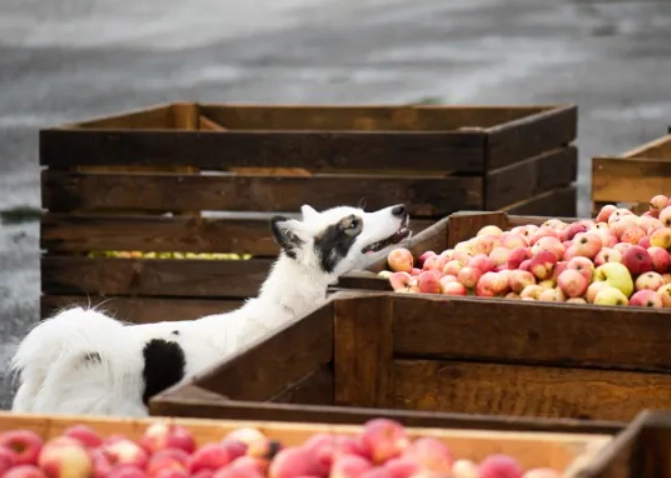
Your Questions, Answered: The Apple FAQ
I get a lot of questions about this topic. Here are the most common ones, the ones people really search for.
What if my dog accidentally ate apple seeds?
Don't panic. A few seeds are unlikely to cause harm. The danger is in the cumulative effect of eating a large number of chewed seeds. If your dog snatched a core with seeds, just monitor them. Signs of cyanide poisoning (extreme lethargy, dilated pupils, difficulty breathing) are very rare from this but require immediate emergency vet care. In most cases, they'll be just fine, but let it be a lesson to keep cores out of reach.
Can dogs eat apple skin?
As we covered, generally yes. It's nutrient-dense. But wash it well, and if your dog has a history of digestive sensitivity, consider peeling it for them.
Are green apples or red apples better for dogs?
Nutritionally, they're very similar. Green apples (like Granny Smith) might be slightly tarter and have a tiny bit less sugar and a bit more fiber. Red apples (like Gala, Fuji) are often sweeter. The difference is minimal for dogs. Choose the one you have, or the one your dog seems to prefer. The preparation rules are identical.
Can dogs have applesauce?
Plain, unsweetened, no-added-spice applesauce in a very small amount (like a teaspoon for a large dog) is usually okay as an occasional treat or to hide medication. But read the label meticulously. Most commercial applesauce has added sugar or citric acid, which you want to avoid. Honestly, fresh apple slices are a much better and simpler choice.
What about apple cider vinegar for dogs?
This is a whole separate topic with lots of anecdotal claims (for skin, fleas, digestion). Some vets may recommend diluted apple cider vinegar for specific topical uses. However, never give it to your dog to drink without explicit veterinary instruction. It is highly acidic and can damage the esophagus, stomach lining, and tooth enamel.
My dog doesn't like apples. Is that normal?
Absolutely! Dogs have preferences, just like us. Some go nuts for the crunch and sweetness; others turn their nose up. Don't force it. There are plenty of other safe fruits and vegetables to try, like blueberries, watermelon (seedless), or carrots.
How do I know if my dog is allergic to apples?
True food allergies in dogs are more commonly to proteins (beef, dairy, chicken). An intolerance or sensitivity to apples is more likely. Signs include itching, skin redness, hives, ear infections, vomiting, or diarrhea after eating. If you see these signs, stop feeding apples and consult your vet.
Remember, the core question—are apples good for dogs—is best answered with "Yes, but..." The "but" is all about safe preparation and portion control. It turns a potential risk into a wonderful, healthy reward.
Beyond Apples: Other Safe (and Unsafe) Fruits
If your dog loves apples, they might enjoy these other safe options. And it's just as important to know what to avoid.
Great Alternatives:
- Blueberries: Antioxidant superstars. Perfect size for training treats.
- Watermelon: Super hydrating. Must be seedless and rind removed.
- Bananas: High in potassium, but also high in sugar. Give only small amounts occasionally.
- Cantaloupe: Another hydrating, low-calorie option. Remove the rind and seeds.
- Pears: Very similar to apples in benefits and preparation—remove core and seeds.
- Strawberries: A good source of vitamin C. Cut them up to prevent choking.
Absolutely Avoid These:
- Grapes & Raisins: Highly toxic, can cause sudden kidney failure. No amount is safe.
- Cherries: The pits contain cyanide, and the pits are a choking hazard.
- Avocado: Contains persin, which can cause vomiting and diarrhea in dogs. The large pit is also dangerous.
- Citrus Fruits (oranges, lemons, limes): The citric acid can cause stomach upset. The stems, leaves, peels, and seeds contain higher amounts of problematic compounds.
So, circling back to that hopeful stare from your dog as you eat your apple.
The answer is yes, you can share. Take a moment to cut off a seed-free slice of the crisp flesh. Toss it to them. Watch the happy crunch. It's a simple, healthy moment of connection. You're not just giving a treat; you're making a mindful choice for their well-being. And that's really what it's all about—knowing what we feed our furry family and why. That knowledge is what truly makes apples, and so many other things, good for our dogs.
Now, if you'll excuse me, I hear the familiar crunch of an apple in the other room... and the soft padding of paws heading my way.
Related Articles