My Dog Has Diarrhea: A Vet-Approved Guide to Causes, Home Care & When to Worry
Let's be honest, it's a situation every dog owner faces at some point. You're cleaning up the yard or taking your pup for a walk, and you see it. The dreaded runny, unformed mess. Your first thought is probably, "Oh no, my dog has diarrhea." Panic mode? Been there. The frantic Google searches start. Is it serious? What can I give him? Should I call the vet right now?
Take a breath. I've been through this more times than I'd like to admit with my own dogs over the years. From a simple case of scavenging something gross to a scary bout of what turned out to be a food intolerance. It's stressful, but most of the time, it's manageable at home. But knowing the difference between a minor upset and a major problem is everything. This guide is the one I wish I had years ago—pulling together vet advice, hard-earned experience, and clear steps so you know exactly what to do.
I remember the first time my Labrador, Barney, had really bad diarrhea. He got into the trash and ate some leftover chicken wings. The next 24 hours were... messy. I was convinced it was something terrible. The vet just smiled and said, "Dogs are gross. Let's try a bland diet first." It worked. Sometimes the simple answer is the right one.
The First Thing to Do When Your Dog Has Diarrhea
Don't just reach for human medicine. That's a common mistake that can make things worse. The first step isn't treatment, it's observation. Think of yourself as a detective. You need to gather clues before you can solve the case of the upset stomach.
Here's your immediate checklist:
- Withhold food, not water. Give your dog's gut a break for 12-24 hours. No food. But make sure fresh, clean water is available at all times. Diarrhea leads to fluid loss, and dehydration is your new enemy.
- Examine the evidence. I know it's unpleasant, but look at the stool. Color? Consistency? Is there any blood (bright red or dark, tarry black)? Mucus (looks like slimy jelly)? Take a mental picture or even a photo to show your vet if needed.
- Check your dog's overall state. Is he acting normal? Still playful and begging for treats? Or is he lethargic, hiding, or showing signs of pain? Is his belly tender to the touch?
- Take his temperature if you can. A normal dog temperature is between 101 and 102.5°F (38.3 to 39.2°C). Anything above 103°F (39.4°C) is a fever and a sign of infection or inflammation.
This initial assessment is crucial. It tells you whether you're in "watch and wait" mode or "call the vet now" mode.
Why Does My Dog Have Diarrhea? The Usual (and Not-So-Usual) Suspects
Figuring out the "why" helps you figure out the "what to do." Causes range from trivial to life-threatening. I've broken them down into categories.
The Common, Often Minor Culprits
These are the most frequent reasons your dog might have diarrhea. They often resolve with simple home care.
- Dietary Indiscretion: A fancy term for eating something they shouldn't. Scavenging garbage, table scraps that are too rich or fatty, getting into the cat's food, or a sudden change in their regular dog food. This is probably the top reason.
- Mild Food Intolerance: Maybe that new treat or brand of food just doesn't agree with them. It's not a full-blown allergy, just an upset.
- Stress or Anxiety: Yes, dogs get stress diarrhea too. A new pet in the house, a loud thunderstorm, a boarding kennel stay, or even a long car ride can trigger it.
- Mild Bacterial Imbalance: A temporary blip in their gut flora.
The More Serious Causes
These require veterinary attention. If your dog has diarrhea along with other symptoms, think about these possibilities.
- Parasites: Worms (like roundworms, hookworms, whipworms) or protozoa (like Giardia or Coccidia). These are common, especially in puppies or dogs who drink from puddles/streams.
- Bacterial or Viral Infections: More severe than a simple imbalance. Salmonella or E. coli are possible bacterial causes. On the viral front, Canine Parvovirus is a severe, highly contagious, and often fatal disease in unvaccinated dogs, causing profuse, bloody diarrhea and vomiting. The AVMA link provides crucial official information on this virus.
- Inflammatory Bowel Disease (IBD): A chronic condition where the dog's own immune system attacks the intestinal lining, leading to persistent diarrhea.
- Pancreatitis: Inflammation of the pancreas, often triggered by eating a very fatty meal. It causes severe abdominal pain, vomiting, and diarrhea.
- Toxins or Poison Ingestion: Eating something poisonous like certain plants, human medications, or chemicals.
- Underlying Diseases: Issues like kidney disease, liver disease, or even certain cancers can manifest with diarrhea as a symptom.
A quick but important note on human food: While we'll talk about bland diets, many human foods are dangerous. Never give your dog diarrhea medication meant for humans (like Imodium or Pepto-Bismol) without explicit vet instruction. Some ingredients, like salicylates in Pepto, can be toxic. And foods like onions, garlic, grapes, and xylitol (an artificial sweetener) are outright poisonous.
The Home Care Playbook: What to Give a Dog With Diarrhea
So, your dog has diarrhea but is otherwise okay—bright-eyed, drinking water, and maybe just a little sorry for himself. This is where home care comes in. The cornerstone is the bland diet.
After the 12-24 hour fasting period (just water), you introduce food that's easy to digest and binding.
The Classic Bland Diet Recipe
The gold standard is plain, boiled white meat and a simple starch.
- Protein: Boiled, skinless, boneless chicken breast or ground turkey. No seasoning, no oils.
- Starch: Plain white rice or boiled plain pasta (like macaroni). Some dogs do better with plain, cooked pumpkin (not pie filling!) or boiled potato.
- Ratio: Start with a mix of 1 part protein to 2 parts starch.
How to feed it: Offer a small amount—maybe a quarter of their normal meal size. Wait a few hours. If it stays down and their next bowel movement is firmer (or they don't have one), you can offer another small meal. Feed small, frequent meals for the first day or two.
Gradually increase the amount over 2-3 days. Once stools are normal for a couple of days, you can start the slow transition back to their regular food. Mix a little of their old food into the bland diet, increasing the proportion over 5-7 days.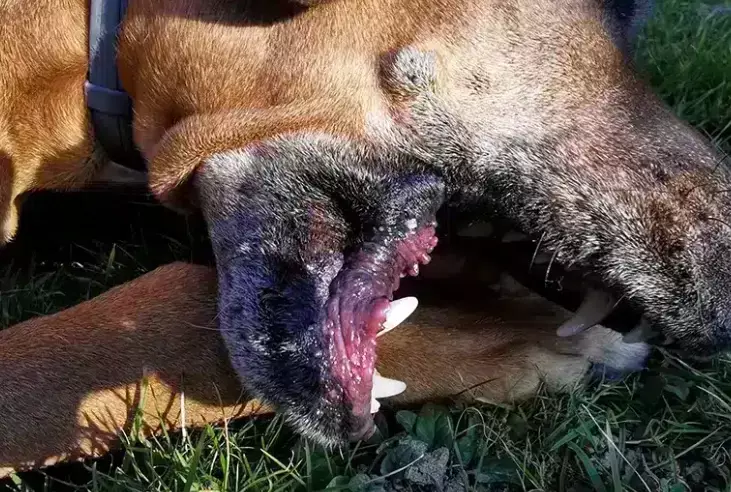
I find plain canned pumpkin (just pumpkin) to be a magic bullet for mild cases. A tablespoon or two mixed into the bland food adds fiber that can help firm things up. My current dog seems to prefer it over plain rice.
Other Supportive Care at Home
- Probiotics: These "good bacteria" can help repopulate the gut. Look for a probiotic formulated specifically for dogs. Plain, unsweetened yogurt might have some, but the concentration is low and some dogs are lactose intolerant.
- Hydration, Hydration, Hydration: Encourage water drinking. You can offer ice cubes, or make a weak, low-sodium chicken broth (onion and garlic-free) to entice them.
- Rest: Keep exercise light. No strenuous walks or play sessions until their system settles.
When It's More Than Just Diarrhea: The Red Flags
This is the most critical section. Knowing when to stop home treatment and seek professional help can save your dog's life. If your dog has diarrhea AND any of the following, pick up the phone and call your vet or an emergency clinic.
Call Your Vet Immediately If: Your dog is very lethargic or collapsed. You see a large amount of blood in the diarrhea (or it's black and tarry). Your dog is repeatedly trying to vomit but nothing comes up (a sign of bloat, which is an emergency). Their gums are pale, white, or blue. Their abdomen appears painful and swollen.
But let's break down the red flags in more detail. Use this table to help you decide.
| Symptom |
What It Might Mean |
Action Level |
| Vomiting along with diarrhea |
This combo rapidly leads to dehydration and electrolyte loss. It's also a hallmark of serious issues like parvovirus, pancreatitis, or obstruction. |
High. Call the vet, especially if frequent. |
| Lethargy, Depression, Weakness |
Your dog is not just tired; they are systemically unwell. This signals the body is fighting something significant. |
High. Veterinary assessment needed. |
| Loss of Appetite for more than 24 hours |
A sick dog often stops eating. Prolonged refusal, especially with diarrhea, is a concern. |
Moderate to High. Time to call. |
| Blood in Stool (Red or Black) |
Bright red blood often points to lower bowel/colon irritation (colitis). Black, tarry stool (melena) indicates digested blood, usually from higher up like the stomach or small intestine, and is more serious. |
High. Always warrants a vet visit. |
| Fever (Temp over 103°F / 39.4°C) |
Clear sign of infection or inflammation. |
Moderate to High. Call for advice. |
| Signs of Pain: Whining, Hunched Posture |
Abdominal pain is a major symptom of pancreatitis, an obstruction, or severe IBD. |
High. Needs diagnosis. |
| Diarrhea in a Puppy, Senior, or Dog with a Pre-existing Condition |
These patients have less reserve. They dehydrate faster and can deteriorate quickly. |
High. Don't wait long with these guys. |
Honestly, if you're worried, just call. Vets would much rather you call with a false alarm than wait until it's a dire emergency. I've made that "just to be sure" call more than once, and never regretted it.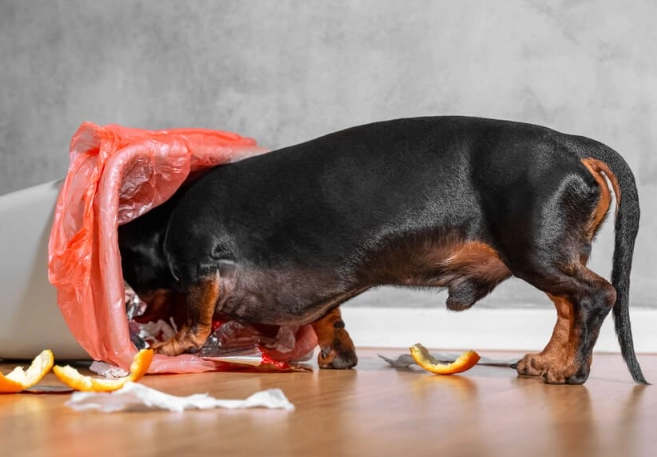
What Will the Vet Do If I Take My Dog In?
If you end up at the clinic, here's what you can expect. It's not just a shot and send home. They need to find the root cause.
- History: They'll ask you a ton of questions. What did your dog eat? Any access to toxins? Is he vaccinated? When did it start? What does the stool look like? Be ready.
- Physical Exam: Checking weight, temperature, hydration status (by skin tenting and gum moisture), listening to the belly, feeling for pain or abnormalities.
- Diagnostic Tests: This depends on severity.
- Fecal Exam: To check for parasites (worms, Giardia, etc.). This is very common.
- Bloodwork: Checks organ function, electrolyte levels (crucial after fluid loss), and signs of infection or inflammation.
- X-rays or Ultrasound: To look for foreign objects, obstructions, or changes in organ shape/size (like with pancreatitis).
- Specific Tests: For viruses like Parvo, or for diseases like pancreatitis (cPLI test).
- Treatment: This is cause-specific.
- Fluid Therapy: The #1 treatment for dehydration, often given under the skin (subcutaneous) or via an IV.
- Medications: Anti-parasitics, antibiotics (only if a bacterial infection is suspected, not for simple cases), anti-nausea drugs, or gut-protectants.
- Prescription Diets: Easily digestible therapeutic foods for sensitive stomachs.
- Hospitalization: For severe cases like parvo or pancreatitis, where 24/7 supportive care is needed.
Prevention: Can You Stop the Next Bout of Diarrhea?
You can't prevent everything, but you can stack the odds in your favor.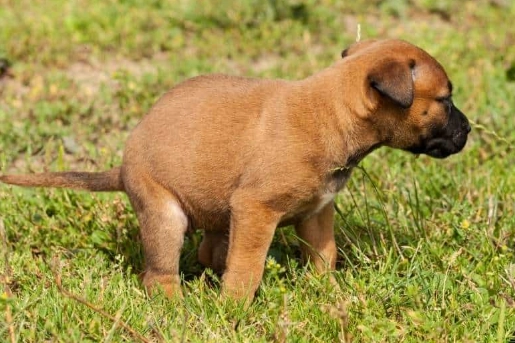
- Diet Consistency: Stick to a high-quality, consistent diet. If you need to change foods, do it slowly over 7-10 days.
- No Scavenging: This is tough. Train a solid "leave it" command. Be vigilant on walks. Secure your garbage cans. I've had to buy trash cans with locking lids because one of my dogs was a master scavenger.
- Limit High-Fat Treats and Table Scraps: Just don't. It's not worth the risk of pancreatitis.
- Regular Parasite Prevention: Keep up with monthly heartworm prevention, as many also control intestinal parasites. Do annual fecal checks.
- Stay Up-to-Date on Vaccines: Especially the core vaccines like Parvo/Distemper. This is non-negotiable. The FDA warns about Salmonella risks not just from food but also from the environment, which is another reason to control what your dog gets into.
- Manage Stress: If your dog gets anxious, talk to your vet about strategies or calming aids for known stressful events (fireworks, travel).
Your Questions Answered: The Quick FAQ
How long is too long for dog diarrhea?
If simple diarrhea lasts more than 48 hours despite a bland diet, it's time for the vet. For puppies or dogs with other symptoms, don't wait that long.
Can I give my dog Imodium (loperamide)?
Only under direct veterinary guidance. It can be dangerous for some breeds (like Collies) and can worsen diarrhea caused by toxins or infections by trapping them in the gut. Never give it without the okay.
Is white rice or pumpkin better for dog diarrhea?
Both can help. White rice is more binding. Pumpkin (plain, canned) adds soluble fiber which absorbs water and can bulk up stool. Some dogs do better with one than the other. You can use both in the bland diet.
My dog has diarrhea but is acting normal. Should I worry?
This is the classic scenario for trying home care first. Withhold food for 12-24 hours, ensure hydration, then start a bland diet. Monitor closely. If the normal behavior changes or the diarrhea persists, escalate.
Can dog diarrhea be contagious to humans or other pets?
It depends on the cause. Parasites like Giardia and bacteria like Salmonella can be zoonotic (passed to humans). Always practice good hygiene—wash your hands thoroughly after cleaning up. Keep the sick dog away from other pets until the cause is known.
Look, finding out your dog has diarrhea is never fun. The mess, the worry, the frantic cleaning. But most of the time, with a little patience and some boiled chicken and rice, they bounce back. Your job is to be the calm, observant caretaker. Watch for those red flags. Don't hesitate to get professional help when things feel off. Trust your gut—if you think "my dog has diarrhea and something just isn't right," you're probably onto something.
Having a plan takes the panic out of the situation. Now you have one. Bookmark this, share it with a fellow dog owner who's in a panic, and hopefully, your furry friend's digestive system settles down soon.