What Do Goats Eat? The Complete Guide to Goat Diet & Nutrition
Quick Navigation
- The Foundation: What Makes Up a Goat's Main Diet?
- What Can Goats Eat? The Safe Treats and Kitchen Scraps List
- The "Never Ever" List: What Do Goats Eat That's Dangerous?
- Tailoring the Diet: What Do Goats Eat at Different Life Stages?
- Special Diets and Considerations
- Practical Feeding Schedule and Management
- Goat vs. Sheep Diet: A Crucial Comparison
- Resources and Final Thoughts
So you're wondering what do goats eat? If you're picturing a goat chewing on a tin can from a cartoon, let's wipe that image away right now. Real goat care is nothing like that. I remember when I got my first goats, a couple of spunky Nigerian Dwarfs, I was overwhelmed by all the conflicting advice online. One site said they only need grass, another insisted on expensive grains, and my neighbor swore by kitchen scraps. It was a mess.
The truth about a goat's diet is more fascinating and specific than the old "they eat anything" myth. Goats are browsing animals, not grazers like sheep or cows. That's a crucial difference that changes everything about how you feed them. They're natural foragers, designed to wander and pick at leaves, shrubs, and woody plants. Their digestive system is a complex fermentation vat designed to break down rough, fibrous material.
Getting their diet wrong isn't just about them being a bit hungry. It can lead to serious, even fatal health issues like bloat, urinary calculi (especially in wethers), and nutritional deficiencies. I learned that the hard way when I overdid the grain treats one winter.
The Foundation: What Makes Up a Goat's Main Diet?
Let's break down the core components. A balanced diet for a goat is built on a few key pillars. Think of it as a pyramid, with the most important stuff at the bottom.
1. Forage: Pasture, Browse, and Hay
This is the absolute bedrock. What do goats eat most of the time? Forage. It should make up at least 60-70% of their daily intake, if not more.
- Browse: This is their favorite and most natural food. We're talking leaves, twigs, shrubs, brambles, and vines. They love blackberry bushes, multiflora rose (a nuisance plant they'll happily clear), maple leaves, and willow. Browsing keeps them mentally stimulated and physically fit.
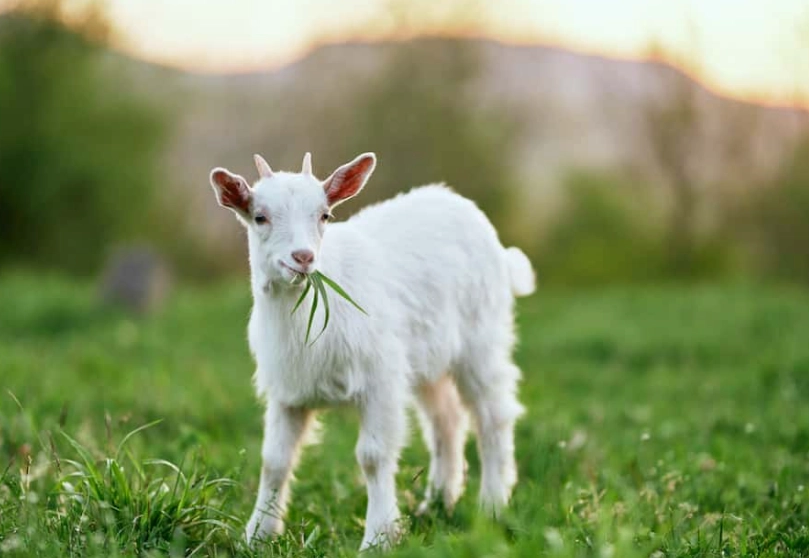
- Pasture Grass & Legumes: While they prefer browse, they will eat grass. Good pasture mixes include orchard grass, timothy, and clover. But is grass really all they need? Not really. Pure grass pasture can be insufficient, especially for high-producing animals.
- Hay: This is the winter (or dry season) staple. Good quality hay is non-negotiable. The best types are mixed grass hay or legume hay like alfalfa. Alfalfa is richer in protein and calcium, fantastic for growing kids, milking does, and pregnant females. For pet wethers or dry does, a grass hay might be better to avoid excess calcium.
I always check my hay. It should smell sweet and fresh, not dusty or moldy. Moldy hay can cause respiratory issues and is a big no-go.
 2. Concentrates: Grains and Pelleted Feeds
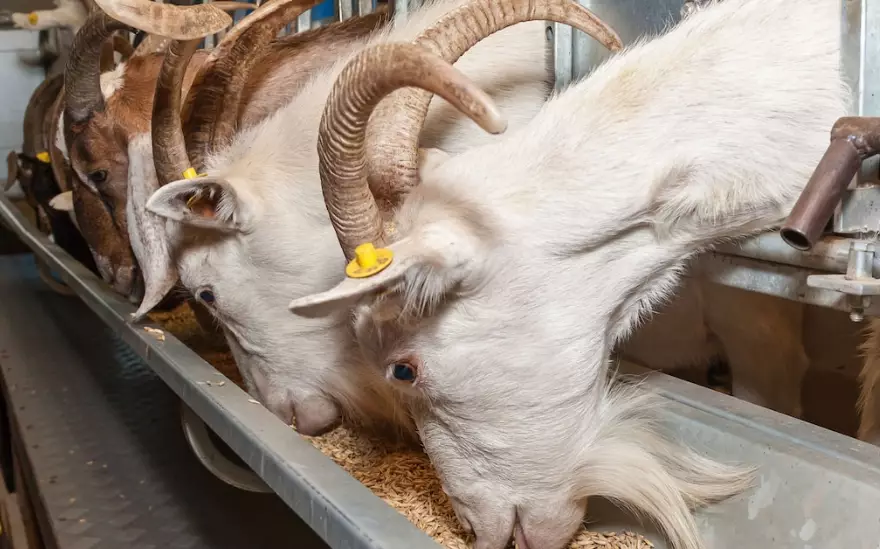
This is where many people get tripped up. Goats do not need large amounts of grain. In fact, too much grain is a fast track to digestive upset.
Concentrates are supplements, not the main course. They provide extra energy, protein, vitamins, and minerals that forage alone might lack, especially for goats under physiological stress.
- Who needs it? Milking dairy goats, goats in late pregnancy, growing kids, underweight animals, and bucks during rut need supplemental feed.
- Who doesn't? A healthy, non-breeding pet goat on excellent browse and hay might need very little to no grain.
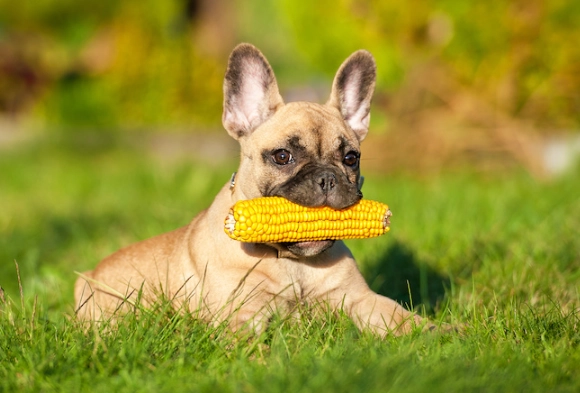
- Types: You can use a commercial goat pellet (I prefer ones specifically formulated for goats, not sheep, as mineral needs differ) or mix your own grains like oats, barley, or beet pulp. Corn is high energy but use it sparingly.
I'm not a huge fan of the cheapest commercial feeds—they're often full of filler. Read the label. A good feed lists ingredients clearly.
3. Minerals and Supplements: The Often-Forgotten Essentials
This might be the most critical part of answering "what do goats eat" that most beginners miss. Forage, even good forage, is rarely nutritionally complete.
Goats require a range of minerals, but two are absolutely vital:
- Copper: Goats have a much higher copper requirement than sheep. A sheep mineral will poison a goat because it's designed to be low in copper. You must provide a goat-specific loose mineral, free-choice, in a weather-protected feeder. They'll consume it as their body needs it. A copper deficiency leads to poor coat, anemia, and poor growth.
- Selenium: This depends on your soil. Many regions in the US are selenium-deficient. A selenium deficiency causes White Muscle Disease in kids. Your local vet or extension office can tell you if you're in a deficient area. If so, you may need a selenium-enriched mineral or an annual booster.
Always offer a plain white salt block (or loose salt) alongside the mineral feeder.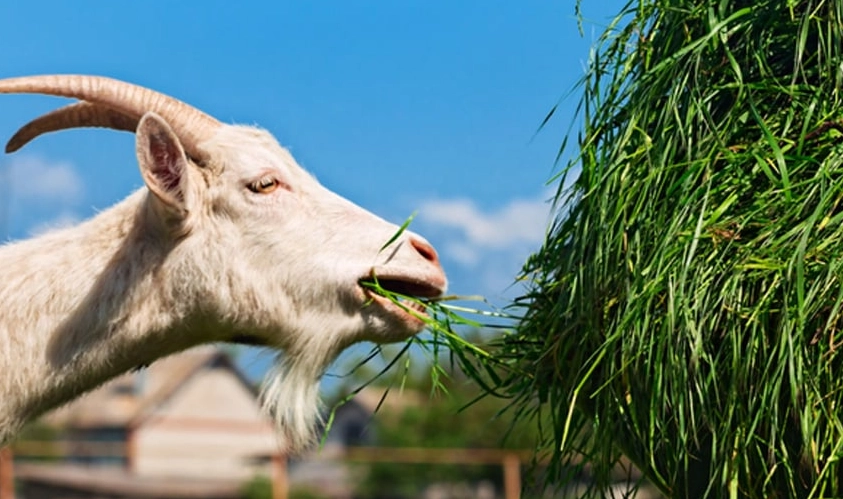
What Can Goats Eat? The Safe Treats and Kitchen Scraps List
Okay, the fun part. Yes, you can give treats! But moderation is key. Treats should be less than 5% of their total diet.
Here's a quick list of generally safe treats:
- Fruits: Apples (seeds are fine in small amounts, despite the myth), bananas (peel and all!), pears, watermelon (rind too), berries.
- Vegetables: Carrots (a classic), pumpkin and squash (great in fall), sweet potatoes (cooked or raw), celery, lettuce, broccoli stalks.
- Other: Plain cheerios or shredded wheat (my goats go nuts for a handful), black oil sunflower seeds (great for coat), and the occasional animal cracker.
Kitchen scraps? In small amounts, yes. Stale bread, leftover oatmeal, vegetable peels (potato and tomato peels are controversial—I avoid them to be safe). Never feed moldy or rotten scraps. And never, ever make scraps a significant part of their diet. It throws their rumen pH off balance.
The "Never Ever" List: What Do Goats Eat That's Dangerous? (Spoiler: Nothing They Should!)
This is the most important section. Some plants and foods are toxic, and some are just poorly suited for their digestion.
- Avocado: The pit, skin, and leaves contain persin, which is toxic.
- Chocolate & Caffeine: Obvious for most pets, but worth stating.
- Meat, Dairy, or Eggs: Goats are herbivores. Their digestive system cannot process animal protein.
- Anything Moldy: Moldy hay, moldy grain, moldy bread. It can contain mycotoxins that cause serious illness.
- Dog/Cat/Chicken Feed: These are formulated for carnivores or omnivores and contain inappropriate levels of protein, minerals (like copper), and additives. Keep your goat feed separate.
I once had a goat sneak into the chicken coop and gorge on layer feed. She spent the next 24 hours looking miserable with a bellyache. It was a stressful lesson in secure storage.
Tailoring the Diet: What Do Goats Eat at Different Life Stages?
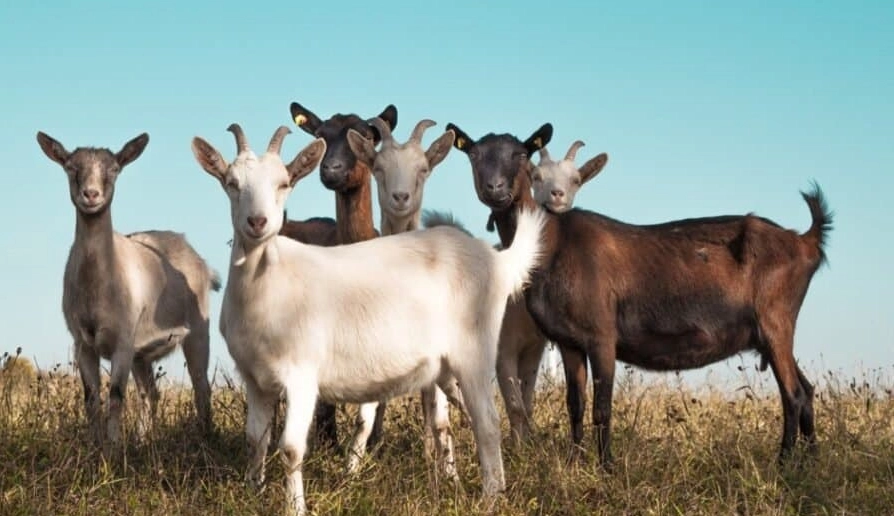
A one-size-fits-all diet doesn't work. A buckling has different needs than a doe producing a gallon of milk a day.
Kids (Baby Goats)
For the first few days, it's all about colostrum from the mother. This is liquid gold for their immune system. After that, they'll nurse for 8-12 weeks. They'll start nibbling on hay and grain (a specially formulated "kid starter" with a coccidiostat is wise) within the first week or two. Weaning is a gradual process of reducing milk and increasing solid food.
Growing/Yearling Goats
They need good quality hay (alfalfa-mix is great) and a moderate amount of growth-formula grain to support their developing bones and muscles. Free-choice minerals are critical here.
Dry Does & Pet Wethers
The easiest to feed. Their main diet should be excellent browse or grass hay. They need minimal to no grain—it can make them fat. Obesity is a major problem in pet goats and leads to health issues. A goat-specific mineral and salt are their only required supplements.
Pregnant Does
Nutrition in the last 6-8 weeks of pregnancy (the "gestation" period) is crucial. The kids are growing rapidly, and the doe needs extra protein and energy. Gradually increase her grain ration and ensure she's on high-quality legume hay like alfalfa. This prepares her body for kidding and milk production.
Milking Does
These ladies are athletes. They need the highest level of nutrition. Their diet is a combination of top-tier alfalfa hay, a higher-protein dairy goat grain fed twice a day (amount based on milk production—the rule of thumb is 1 pound of grain per 3 pounds of milk, on top of good forage), constant access to minerals, and plenty of fresh water. A milking doe can drink a gallon or more of water for every gallon of milk she produces.
Bucks
Keep bucks lean and healthy. Too much grain can make them aggressive and contribute to urinary stones. A maintenance diet of good hay, browse, and a small amount of grain during off-season is fine. Increase calories slightly during breeding season.
Special Diets and Considerations
Sometimes you need to think outside the standard hay-and-grain box.
Weed Control Goats: If you're using goats for brush clearing (it's a real business!), their diet is the brush itself. You still need to monitor for toxic plants in the area and provide clean water and mineral supplements. They're working, after all.
Bottle Babies: If you're raising a kid without a dam, you'll use a milk replacer formulated for goats (or lamb milk replacer in a pinch—never calf milk replacer, it's too different). Follow mixing instructions carefully and feed on a strict schedule.
Senior Goats: Older goats with worn teeth may struggle with long-stem hay. You can offer them chopped hay ("chaff"), soaked hay pellets, or beet pulp to make chewing easier. Keep an eye on their body condition.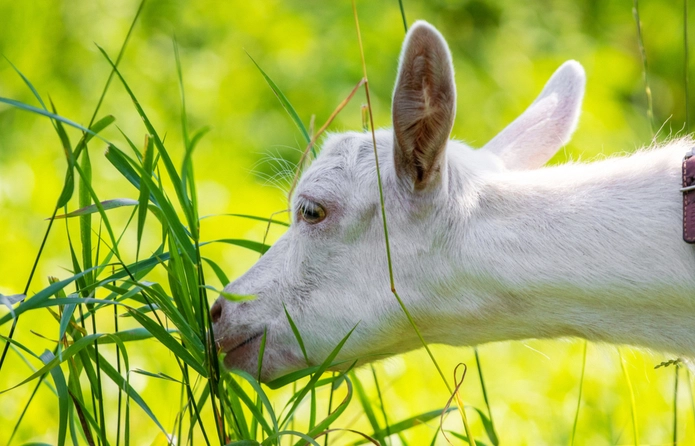
Practical Feeding Schedule and Management
So, what does a typical day look like? Here's a sample for a small hobby herd with a milking doe and a few pets:
- Morning (7-8 AM): Let out of shelter. Check and refill water buckets (always clean, fresh water!). Provide morning grain ration in individual feeders to prevent bullying. For the milking doe, this is done in the milking stand.
- Midday: They should have constant access to hay in a slow-feeder net or rack to prevent waste. Mineral feeder should always be full.
- Evening (5-6 PM): Second grain feeding for the milking doe. Check hay and top up if needed. A final pasture/browse session if weather permits.
- Treats: Given sporadically, not daily, and always in small amounts. Maybe a carrot when you go out to say hello.
Store your grain in metal bins with tight lids to keep out rodents and moisture.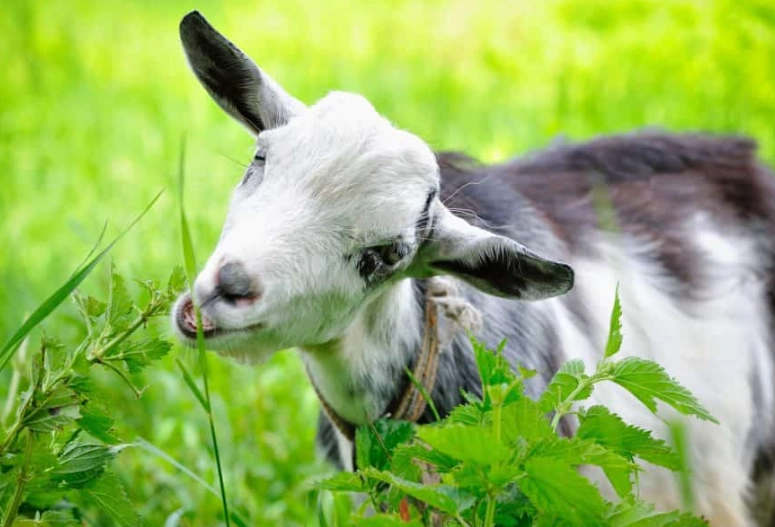
Goat vs. Sheep Diet: A Crucial Comparison
People often lump them together, but their nutritional needs are distinct. Here's a quick breakdown:
| Nutrient/Item | Goats | Sheep |
|---|---|---|
| Primary Foraging Style | Browsers (prefer leaves, shrubs, woody plants) | Grazers (prefer grass close to the ground) |
| Copper Requirement | High. Need goat-specific minerals. | Low. Copper is toxic; need sheep-specific minerals. |
| Grain Needs | Supplement for production/life stage. Lower tolerance. | Often require more grain for finishing/wool production. |
| Susceptibility to Parasites | Highly susceptible to internal parasites (worms). Diet impacts resilience. | Also susceptible, but grazing habits put them at constant risk. |
| Ideal Feed Form | Loose minerals, varied browse, long-stem hay. | Sheep pellets/blocks, pasture grass. |
Mixing sheep and goat minerals is a recipe for disaster—you'll either poison the sheep or deprive the goats.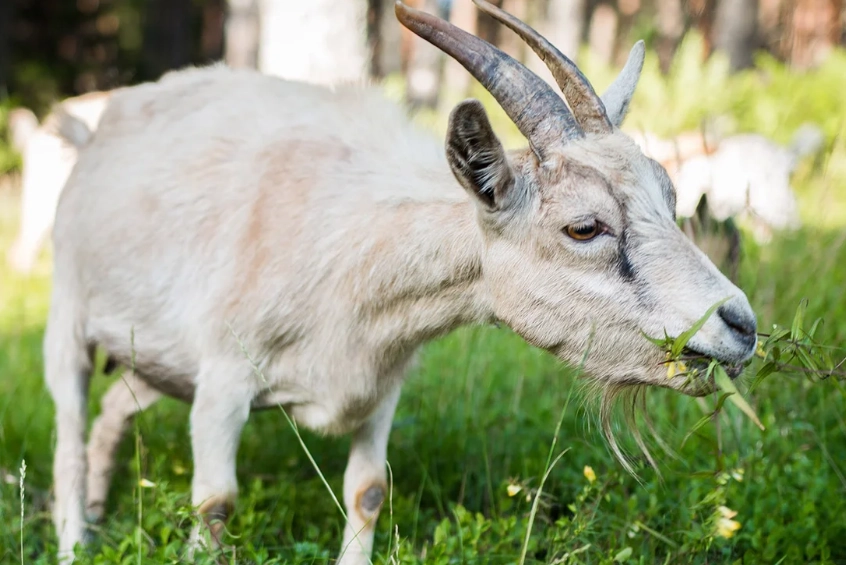
Resources and Final Thoughts
Figuring out what do goats eat is a journey, not a one-time answer. The best resource is often your local community. Other goat owners, especially those with decades of experience, are goldmines of location-specific advice.
For authoritative, science-backed information, I regularly consult resources from university extensions. The University of Minnesota Extension's goat page and the LSU AgCenter goat section have fantastic, reliable guides on nutrition and management.
At the end of the day, observing your goats is the best guide. Are they bright-eyed and energetic? Is their coat shiny? Are they maintaining good body condition (you should be able to feel their ribs but not see them)? Is their manure well-formed? These are the real answers to whether you've nailed the question of what do goats eat.
Start with the foundations—unlimited quality forage, goat-specific minerals, clean water—and adjust from there based on the individual goat's needs. Ditch the tin can myth for good and embrace the reality of feeding these intelligent, browsing animals. It's one of the most rewarding parts of keeping them.
Related Articles