Parakeet Lifespan: How Long Do Budgies Live & How to Extend Their Life
Quick Navigation
- What's the Actual Average Lifespan of a Parakeet?
- The Top Factors That Make or Break a Parakeet's Lifespan
- Common Health Issues That Shorten a Parakeet's Life
- Your Action Plan: How to Maximize Your Parakeet's Lifespan
- Answering Your Burning Questions on Parakeet Lifespan
- The Final Word: It's About Quality, Not Just Quantity
So you're thinking about getting a parakeet, or maybe you already have one chirping away in the corner. One of the very first questions that pops into anyone's head is, "How long will this little guy be with me?" It's a fair question. You're committing to a life, after all. The answer, like with most things in life, isn't as simple as a single number you can jot down.
You'll hear all sorts of figures thrown around. Five years. Eight years. Maybe even fifteen if you're talking to someone really proud of their bird care. It can be confusing. I remember when I got my first budgie, Kiwi, the pet store employee just shrugged and said, "Oh, a good few years." Not very helpful, was it?
The truth about parakeet lifespan is a tapestry woven from genetics, environment, and a whole lot of daily choices. It's the difference between a bird that merely survives and one that truly thrives for a decade or more. Let's untangle this. Let's talk about what the average really means, why some birds fall tragically short, and most importantly, what you can actually do to stack the deck in your feathered friend's favor.
What's the Actual Average Lifespan of a Parakeet?
Let's cut through the noise. If you look at data from avian vets and dedicated breeders, you'll see two very different pictures.
The general pet population average tends to sit between 5 and 8 years. This number includes birds that pass away early due to accidents, untreated illnesses, or poor husbandry. It's a sobering statistic, but it's the reality for many.
Now, the potential lifespan for a parakeet in optimal conditions is a whole other ball game. We're talking 12 to 15 years, with verified records even longer. The Budgerigar Council of Australia has documented birds living well into their teens. That's not a fluke; it's a testament to what's possible.
Why the huge gap? It mostly comes down to knowledge and resources. Think about it this way: the average includes the bird kept in a tiny cage with only seed to eat, never seen by a vet. The potential is unlocked by the owner who provides space, variety, and proactive care.
My Kiwi made it to a lively eleven. I made mistakes along the way (more on that later), but we learned together.
English Budgie vs. American Parakeet: A Lifespan Difference?
This is a common point of confusion. Are we talking about the same bird? Mostly, yes. "Parakeet" is a broad term, but in the pet trade, it usually refers to the Budgerigar (*Melopsittacus undulatus*). However, there's a notable distinction within this species that can affect parakeet lifespan.
| Type | Appearance | Typical Size | General Lifespan Tendency & Why |
|---|---|---|---|
| American/Common Budgie | Sleeker, smaller head, more active | ~7 inches long | Often cited as having a slightly longer potential lifespan (10-15+ years). Their more natural build is associated with fewer genetic health issues. |
| English/Show Budgie | Larger, fluffier head feathers (a "cap"), stockier body | ~8-9 inches long | May have a slightly shorter average (7-12 years). Selective breeding for show traits can sometimes introduce vulnerabilities like tumors or heart issues. |
It's a generalization, not a hard rule. A fantastically cared-for English budgie can outlive a neglected American one any day. But the genetics do set a different starting point. If longevity is your top goal, the common American parakeet is often a more robust choice.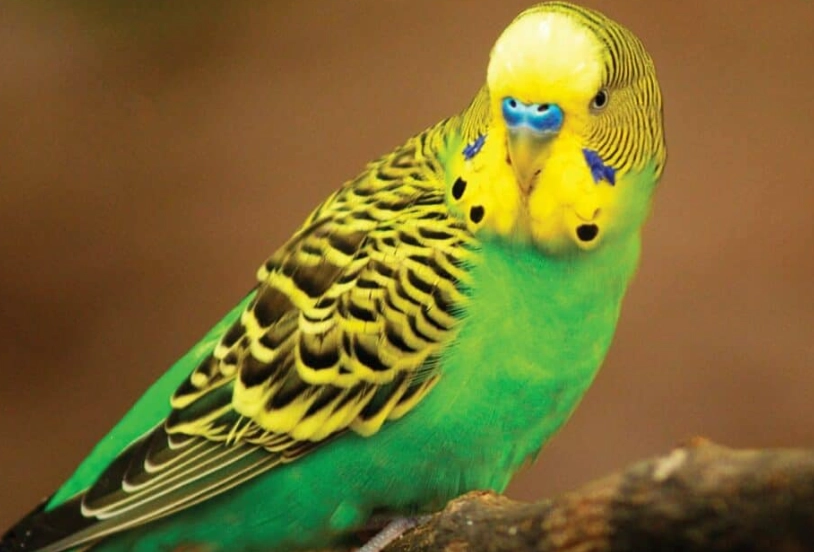
The Top Factors That Make or Break a Parakeet's Lifespan
Okay, so genetics play a role. But here's the good news: most of the factors that truly determine your bird's parakeet lifespan are entirely within your control. Let's break down the big ones.
Diet: The Absolute Foundation
This is, without a doubt, the number one factor. An all-seed diet is like feeding a human nothing but french fries. It's fatty, deficient in crucial vitamins (especially Vitamin A), and leads to liver disease, obesity, and a weakened immune system. It's the fastest way to shorten a budgie lifespan.
A longevity diet looks like this:
- High-Quality Pellets: These should form about 60-70% of the diet. They're formulated to be nutritionally complete. Brands like Harrisons, Roudybush, or TOP's are highly respected in the avian community.
- Fresh Vegetables: Daily. Think dark leafy greens (kale, spinach), broccoli, carrots, bell peppers. Chop them up small.
- Limited Fruits & Seeds: Fruit is a treat (too much sugar). Seeds are also a treat or a training tool, not a staple.
- Clean Water: Changed daily, without fail.
Cage & Environment: More Than Just a Home
A cage isn't just a container; it's their world for much of the day. A small, barren cage leads to stress, boredom, and physical atrophy.
The Gold Standard: The cage should be wide, not just tall, to allow for flight. A minimum of 18"W x 18"D x 24"H for one bird, but bigger is always, always better. Bar spacing should be 1/2 inch or less to prevent escapes or head traps.
Inside that cage, you need:
- Variety of Perches: Different diameters and textures (natural wood, rope, cement for nail filing) to keep their feet healthy and prevent arthritis.
- Mental Stimulation: Toys! Foraging toys are brilliant—they make the bird work for food, mimicking natural behavior. Rotate toys weekly to prevent boredom.
- Safety: No toxic metals (zinc, lead), safe placement away from drafts, direct sunlight, and kitchen fumes (Teflon is a silent killer).
Veterinary Care: Prevention is Everything
Birds are masters at hiding illness. By the time they look sick, they're often critically ill. This is why proactive care is non-negotiable for a long parakeet lifespan.
- Avian Vet Visit: Not a regular vet, an avian vet. Schedule a well-bird checkup at least once a year. They can spot subtle signs you'd miss.
- Beak, Nail, Wing Trims: Done correctly by a professional if needed. Overgrown beaks can prevent eating.
- Know the Emergency Signs: Fluffed up for long periods, sitting on the cage floor, labored breathing, changes in droppings, loss of appetite. Have the number of your avian vet and an emergency clinic saved.
The Merck Veterinary Manual is a fantastic resource for understanding avian health basics, but it doesn't replace a vet.
Social Interaction & Out-of-Cage Time
Parakeets are incredibly social, flock animals. Loneliness and boredom are forms of stress that weaken their system.
If you're away most of the day, seriously consider getting two birds. They will preen each other, chatter, and keep each other company. A single bird needs hours of dedicated, interactive time with you daily. Not just you in the same room, but you talking to them, training them, letting them sit on you.
And that leads to the next critical point: supervised out-of-cage time every single day. This is non-negotiable for their physical and mental health. It allows for real flight exercise, exploration, and bonding. Bird-proof the room first (close windows/doors, cover mirrors, hide electrical cords).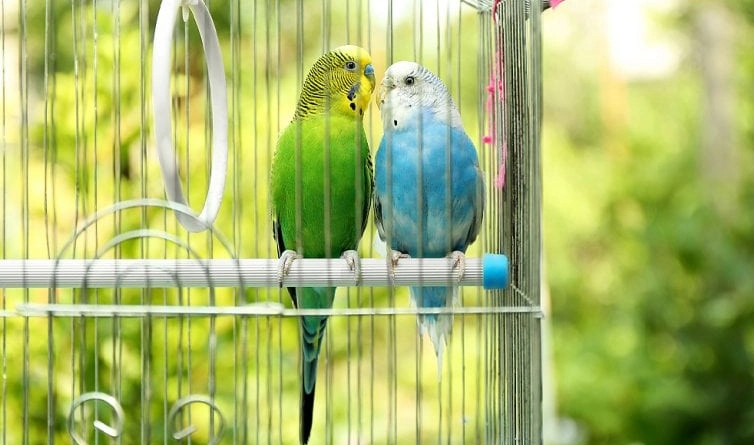
Common Health Issues That Shorten a Parakeet's Life
Knowing the enemies is half the battle. Many of these are directly linked to the care factors we just discussed.
- Fatty Liver Disease (Hepatic Lipidosis): The classic seed-diet disease. The liver becomes infiltrated with fat, fails, and it's often fatal. Prevention is straightforward: a proper diet.
- Psittacosis (Parrot Fever): A bacterial infection (Chlamydia psittaci) that can affect birds and humans. Symptoms include eye discharge, sneezing, and lethargy. It's treatable with antibiotics if caught early. Good hygiene and buying from reputable sources help prevent it.
- Tumors (especially in older birds): Budgies, particularly females, are prone to reproductive tumors and lipomas (fatty tumors). Signs include a visible lump or a persistent swollen abdomen. An avian vet can diagnose and sometimes treat.
- Respiratory Infections: Often caused by bacteria (like E. coli) or fungi (Aspergillosis). Drafty cages, poor air quality (smoke, aerosols), and dirty environments are big contributors. Sniffles, tail-bobbing with breathing, and wheezing are red flags.
- Accidents: A tragically common end. Flying into windows or mirrors, drowning in open toilets or cups, getting stepped on, or being attacked by other pets (cats, dogs). This is why supervised out-of-cage time and a safe environment are critical.
See a pattern? Most are preventable with the right environment and diet. That's the empowering part of understanding parakeet lifespan.
Your Action Plan: How to Maximize Your Parakeet's Lifespan
Let's move from theory to practice. Here's a concrete checklist you can start implementing today.
Immediate Steps (Do This Week)
- Schedule an appointment with a certified avian vet for a checkup. Find one through the Association of Avian Veterinarians website.
- Audit the diet. If it's seed-based, research how to safely transition to pellets. Mix them in slowly.
- Bird-proof one room for daily out-of-cage time.
- Check the cage. Is it big enough? Are the perches all the same? Order a natural wood perch online right now.
Ongoing Habits (Do This Always)
- Weigh your bird weekly with a small gram scale. Weight loss is often the first sign of illness.
- Provide fresh veggies every morning. Wash them thoroughly.
- Interact, don't just observe. Spend 15-30 minutes twice a day in focused interaction.
- Keep a log. Note weight, behavior changes, vet visits. It's invaluable for spotting trends.
Answering Your Burning Questions on Parakeet Lifespan
I get it. You still have questions. Here are the ones I see all the time.
What's the oldest parakeet on record?
This is a bit murky because verification is tough, but the most commonly cited and credible record is a budgie named "Charlie" in the UK, reported to have lived to be 29 years old. The Guinness World Records site has documented budgies over 20. While 29 is an extreme outlier, it shows the incredible biological potential of the species.
Do male or female parakeets live longer?
There's a slight trend suggesting males may have a longer average budgie lifespan. The theory is that females, especially those that are chronic egg-layers, face additional health risks like egg binding, calcium depletion, and reproductive tumors. However, a well-managed female (with diet, light cycles, and vet care to discourage excessive laying) can live just as long as any male.
My parakeet is 7 years old. Is he old?
He's entering his senior years, but he's not necessarily "old" in the frail sense. With the care we've discussed, a 7-year-old budgie can have many vibrant years left. This is the time to be extra vigilant with vet checkups (maybe twice a year) and watch for signs of age-related issues like arthritis or cataracts. Provide easier access to food and water if needed.
Can a parakeet die of loneliness?
Not directly from a broken heart, but absolutely from the effects of chronic stress and depression caused by loneliness. A severely lonely, bored bird may stop eating, groom itself excessively (causing plucking), or become so lethargic its immune system crashes, leading to illness. Social connection is a biological need for them, as real as food or water.
How does a parakeet's lifespan compare to a cockatiel or lovebird?
It's useful context. Cockatiels often live 15-20 years, sometimes longer. Lovebirds average around 10-15 years. So a budgie's potential 12-15 year parakeet lifespan sits in the middle of the common small parrot range. They're not a short-term commitment, but they're often a shorter one than their larger cousins.
The Final Word: It's About Quality, Not Just Quantity
Chasing a specific number for your parakeet's lifespan can drive you crazy. The goal shouldn't just be to have your bird exist for 15 years. The goal should be to have a bird that is vibrantly alive for every single one of those years.
That means a bird that flies with purpose, solves foraging puzzles, chirps at the sunrise, and trusts you enough to take a treat from your hand. A long parakeet lifespan is the beautiful byproduct of providing that kind of life.
It requires effort. It means saying no to the cute tiny cage, spending money on good food and vet care, and cleaning up the occasional mess. But when you see that bright-eyed curiosity year after year, you'll know it's worth it. You're not just keeping a pet; you're stewarding a wonderful, intelligent little life.
Start with one change today. Maybe it's buying a sprig of millet as a treat instead of a sugary seed stick. Or setting a timer for 20 minutes of dedicated playtime. Those small, consistent choices are what add up to a truly long and happy budgie lifespan.
Related Articles