Cat Sneezing Explained: 9 Common Causes & What to Do Next
In This Article
- The Big Question: When Should You Really Worry?
- The 9 Most Common Reasons Your Cat is Sneezing
- Symptom Cheat Sheet: What Does It Mean When Sneezing Comes With...?
- What Will the Vet Do? A Look at Diagnosis & Treatment
- Your At-Home Care Toolkit
- Prevention: Can You Stop the Sneezing Before It Starts?
- Your Questions, Answered (The Stuff You're Actually Searching)
- Final Thoughts from One Cat Parent to Another
You're sitting on the couch, and you hear it. A tiny, muffled achoo from the other room. Then another. You look over and see your cat shaking its head, looking just as confused as you are. The first thought that pops into your head is probably a simple one: why is my cat sneezing?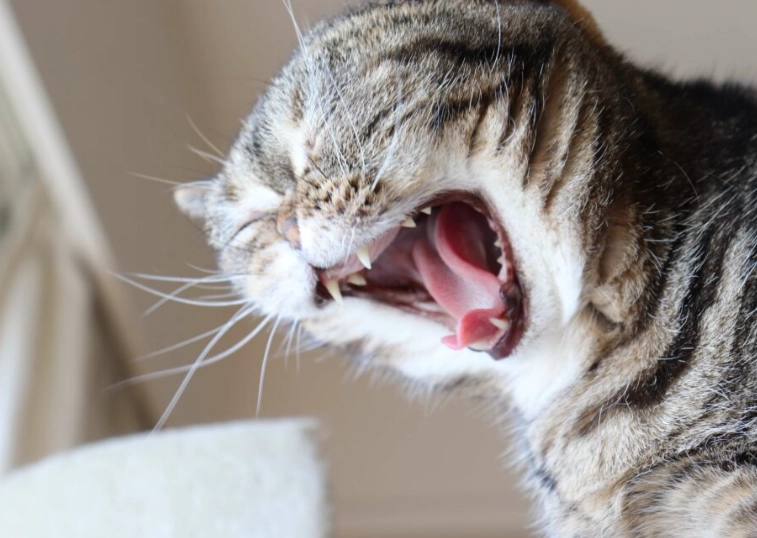
I remember the first time my own cat, Mochi, went through a sneezing fit. He was a kitten, and it sounded so pathetic and small. My mind immediately raced to the worst possibilities. Was he sick? Was it something in the air? Was it serious? I spent hours that night searching online, sifting through vague forums and scary articles. I wish I'd had a clear, calm guide to walk me through it.
That's what this is. Let's talk about cat sneezing, strip away the panic, and look at what's really going on. A sneeze is just a reflex, a way for your cat's body to clear its nasal passages. It's not always a red alert. But sometimes, it is a sign you need to pay closer attention.
Figuring out why your cat is sneezing is a bit like detective work. You need to look at the clues: how often is it happening? Are there other symptoms? What changed in your home? We'll go through all of that.
The Big Question: When Should You Really Worry?
This is where everyone wants to start. Let's cut to the chase. A single, occasional sneeze? Probably nothing. Your cat just got a whiff of dust. It happens.
But here's the distinction that matters.
You should start paying serious attention and consider a vet visit if the sneezing is:
- Frequent and persistent: Multiple times an hour, or episodes that last for days.
- Accompanied by other symptoms: This is the big one. We'll dive into the specific combos to watch for.
- Producing discharge: Especially if it's thick, yellow, green, or has blood in it.
- Interfering with normal life: If your cat stops eating, seems lethargic, or is pawing at its face in distress.
Emergency Signs (Go to the Vet Now): If your cat is struggling to breathe (open-mouth breathing, exaggerated chest movements), is completely refusing food and water, seems extremely weak or collapsed, or has sudden, severe facial swelling along with sneezing, treat it as an emergency. Don't wait.
Okay, with that crucial framework in mind, let's get into the nitty-gritty of the actual causes. I've grouped them to make sense of the chaos.
The 9 Most Common Reasons Your Cat is Sneezing
Think of these in categories: simple irritants, infections, and more complex physical problems.
Category 1: The Simple Irritants (Usually Harmless)
These are the most common culprits for the occasional, isolated sneeze. Your cat's nose is incredibly sensitive.
Dust and Household Allergens: Just like us. Dust from cleaning, litter dust (a huge one!), pollen drifting in through a window, or even strong perfumes and air fresheners. I made the mistake of using a plug-in air freshener near Mochi's favorite nap spot once. The sneezing stopped almost immediately after I unplugged it.
Chemical Fumes: Cleaning products (bleach, ammonia, aerosol sprays), strong solvents, or even the fumes from a non-stick pan that's overheating. Their airways are much more delicate than ours.
Foreign Objects: A blade of grass, a tiny bit of lint, a speck of litter. Their curiosity can get the better of them, and something tiny can tickle their nose.
Quick Fix Tip: If you suspect an irritant, try to identify and remove it. Switch to a low-dust, unscented litter. Use gentle, pet-safe cleaning products. Vacuum and dust more frequently, especially in your cat's favorite areas. You might see a quick improvement.
Category 2: The Infectious Causes (The Usual Suspects)
This is where why is my cat sneezing becomes a more pressing health question. Upper respiratory infections (URIs) are the classic reason for persistent sneezing, especially in kittens, shelter cats, or multi-cat households.
Viral Infections: The heavy hitters here are Feline Herpesvirus (FHV-1) and Feline Calicivirus (FCV). They're highly contagious between cats (not to humans). Herpesvirus is sneaky; it can lay dormant and flare up during times of stress. Calicivirus often comes with mouth ulcers. The Cornell Feline Health Center has excellent, detailed resources on these viruses. Many cats live perfectly normal lives with these viruses, but they may have occasional "flare-ups" with sneezing and runny eyes.
Bacterial Infections: Sometimes bacteria like Chlamydophila felis or Bordetella (yes, like kennel cough in dogs) can be the primary issue or move in as a secondary infection after a virus weakens the defenses. These often need specific antibiotics.
Infections rarely come with just sneezing.
Look for the package deal: sneezing plus runny eyes or nose, congestion (you might hear snuffly breathing), lethargy, fever, and loss of appetite. A cat with a stuffy nose can't smell its food, and then it just stops eating—that's a dangerous downhill slide.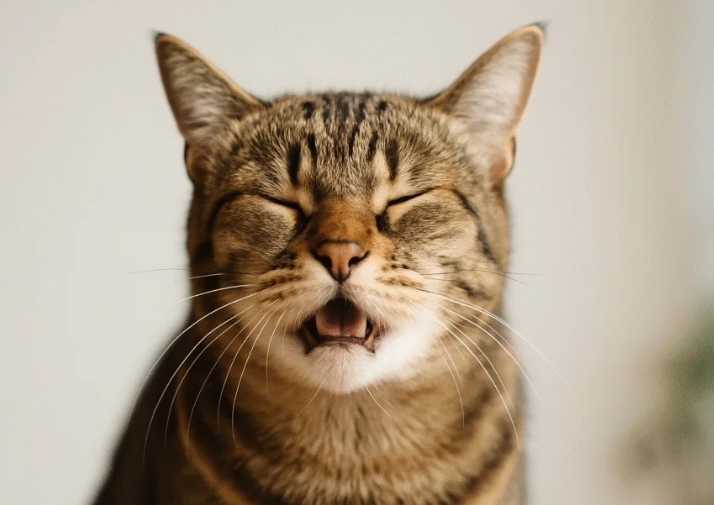
Category 3: The Structural & Other Causes
These are less common but important to know about, especially if simple causes and infections have been ruled out.
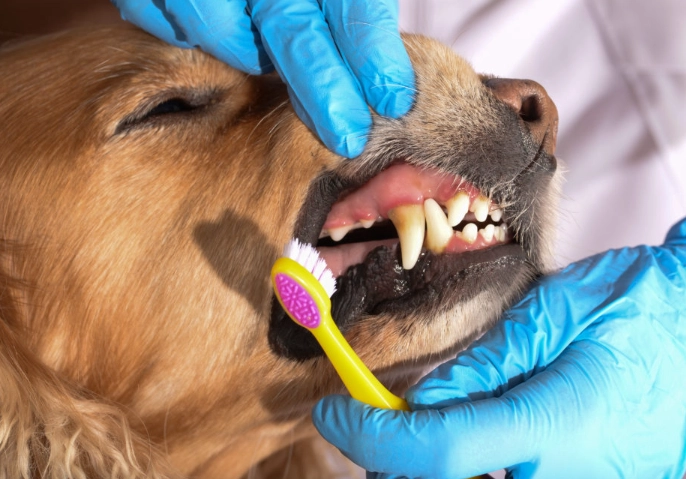
Dental Disease: This one surprises people. An infected tooth root, especially in the upper jaw, can abscess and actually drain into the nasal sinus. This causes chronic, often one-sided, sneezing and nasal discharge. Your vet will need to check your cat's teeth thoroughly.
Nasal Polyps or Tumors: Growths in the nasal passage or the back of the throat (nasopharyngeal polyps) can cause persistent sneezing, noisy breathing, and a change in the sound of the meow. These are more common in younger cats (polyps) and older cats (tumors).
Chronic Rhinitis: This is a long-term inflammation of the nasal lining. It can be a sequel to a severe infection that did permanent damage. These cats are chronic "snufflers" and sneezers, sometimes for life, requiring ongoing management.
Allergies (True Atopy): While irritants cause a direct reaction, true inhalant allergies (to pollen, mold, dust mites) are less common in cats than dogs, but they do happen. They usually cause more skin itching, but can manifest as sneezing too.
Symptom Cheat Sheet: What Does It Mean When Sneezing Comes With...?
This table might help you piece together the puzzle. It's not a diagnosis, but a guide to understanding the possible directions.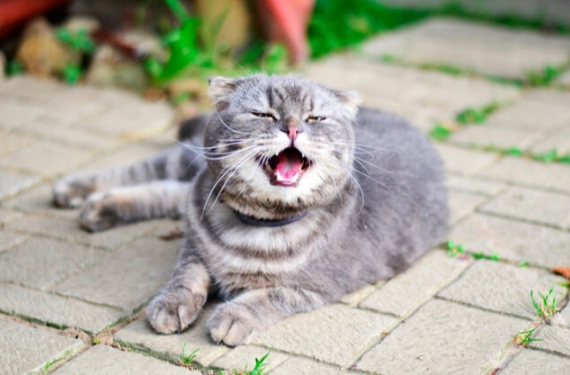
| Accompanying Symptom | Possible Causes | Typical Level of Concern |
|---|---|---|
| Watery Eyes & Clear Discharge | Viral URI (early stage), simple irritant, allergy. | Low to Moderate (Monitor closely). |
| Thick Green/Yellow Eye or Nose Discharge | Bacterial infection (primary or secondary). | Moderate to High (Vet visit needed). |
| Loss of Appetite & Lethargy | Any significant infection (viral/bacterial), systemic illness. | High (Vet visit needed soon). |
| Pawing at Face or Mouth | Dental pain, foreign object stuck, Calicivirus ulcers. | Moderate to High (Needs investigation). |
| Noisy, Congested Breathing | Severe URI, chronic rhinitis, polyp/tumor. | Moderate to High. |
| Bad Breath | Dental disease (strong link to sneezing). | Moderate (Needs dental check). |
| Sneezing Blood | Severe irritation, foreign body, tumor, severe infection. Can also be from violent sneezing itself. | High (Vet visit needed). |
What Will the Vet Do? A Look at Diagnosis & Treatment
So you've decided to take your sneezing cat to the vet. Good call. What happens next? Knowing can ease the anxiety.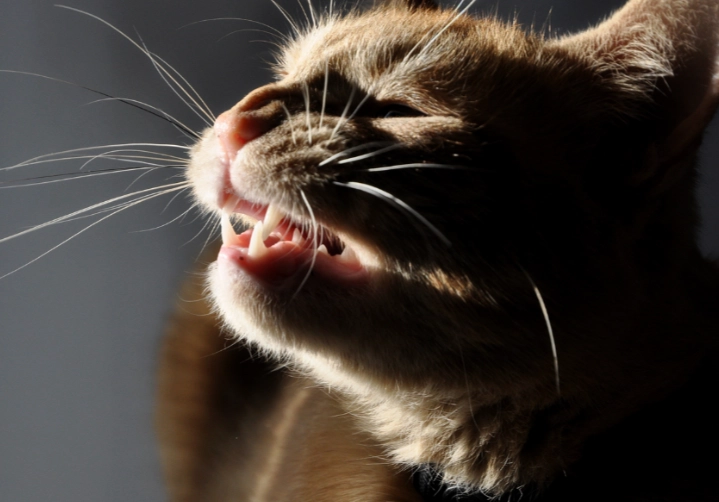
The vet will start with a thorough history (your observations are key!) and a physical exam. They'll listen to the chest, check the eyes, nose, and throat, feel the lymph nodes, and look in the mouth.
For simple cases, that might be enough to prescribe a broad-spectrum antibiotic or supportive care. For persistent or severe cases, they might recommend:
- PCR Testing: A swab from the mouth or eyes sent to a lab to pinpoint exactly which virus or bacteria is present. This is gold-standard for stubborn URIs.
- Bloodwork: To check overall health and look for signs of infection or inflammation.
- Imaging: X-rays of the skull or, even better, a CT scan can reveal hidden problems like polyps, tumors, or deep-rooted dental disease. This is usually for chronic cases.
- Rhinoscopy: Using a tiny camera to look up the nose. This is specialist-level but can provide a definitive view and allow for biopsy.
When Mochi had his second bad flare-up, our vet did a PCR test. Turns out it was Herpesvirus, which helped us stop guessing and start a targeted management plan with an antiviral medication during flare-ups. The peace of mind was worth the cost.
Treatment Options: It's Not One-Size-Fits-All
Treatment depends 100% on the cause.
For Infections: Antibiotics for bacteria, antivirals (like famciclovir) for severe herpes cases, and lots of supportive care. Supportive care is huge: keeping the nose clear with saline drops or a humidifier, encouraging eating with strong-smelling foods (warmed up!), and ensuring hydration.
For Dental Disease: A dental cleaning under anesthesia, with likely tooth extraction if the root is infected.
For Polyps: Surgical removal. They often grow back if not fully removed.
For Chronic Rhinitis/Irritation: Management might include occasional anti-inflammatories, intermittent antibiotics for secondary infections, and lifelong environmental control (keeping air clean and moist).
I find some websites make it sound like every sneeze needs a pill. Often, for a mild viral case, the best medicine is time, good nursing care, and helping your cat's own immune system do its job. Your vet will guide you.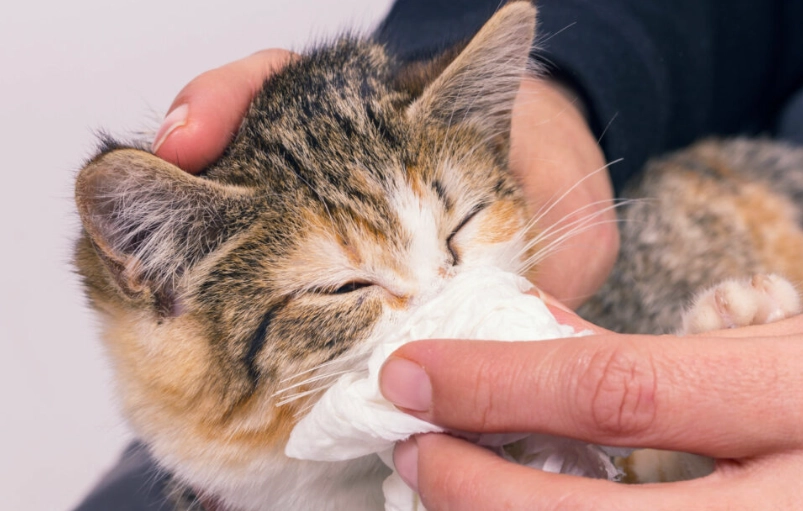
Your At-Home Care Toolkit
Whether you're waiting for a vet appointment or managing a chronic condition, there's a lot you can do at home to make your cat more comfortable.
The Humidifier is Your Best Friend: Seriously. Run a cool-mist humidifier in the room where your cat sleeps. It loosens up the mucus and makes breathing easier. A steamy bathroom (run a hot shower with your cat in the room, not the shower!) for 10-15 minutes a couple times a day works too.
Saline Nose Drops: Plain, over-the-counter saline (no medicated sprays!). Put a drop in each nostril to soften crusts and encourage sneezing out the gunk. Your cat will hate it, but it helps.
Warm Compress: Gently hold a warm, damp washcloth over the bridge of the nose to relieve sinus pressure and clean away any eye or nose discharge.
The Food Trick: If they're not eating, try ultra-smelly foods: sardines in water, mackerel, kitten food, or even meat-based baby food (no onions or garlic!). Warming it releases more aroma. Sometimes you have to syringe-feed a slurry if they go more than 24 hours without eating—ask your vet for a demonstration.
Keep it Clean: Wipe away eye and nose discharge gently with a soft, damp cloth. Use a separate area of the cloth for each eye to avoid cross-contamination. Wash bedding frequently in hot water.
Prevention: Can You Stop the Sneezing Before It Starts?
You can't prevent everything, but you can stack the odds in your cat's favor.
Vaccination is Key: The FVRCP vaccine protects against the major viral players: Feline Viral Rhinotracheitis (Herpes), Calicivirus, and Panleukopenia. It doesn't guarantee complete prevention, but it dramatically reduces the severity of illness if your cat is exposed. Follow your vet's recommended schedule. The American Animal Hospital Association (AAHA) guidelines are the standard vets use.
Stress Reduction: For cats with herpes, stress is a major trigger for flare-ups. Provide a predictable routine, plenty of vertical space, hiding spots, and use pheromone diffusers (like Feliway) if needed. A calm cat is a healthier cat.
Environmental Control: We covered this, but it bears repeating. Low-dust litter, good ventilation, pet-safe cleaning, and no smoking inside.
Regular Vet Check-ups & Dental Care: Catching dental disease early or monitoring a chronic condition can prevent bigger sneezing problems down the line.
Your Questions, Answered (The Stuff You're Actually Searching)
Final Thoughts from One Cat Parent to Another
Figuring out why your cat is sneezing can feel overwhelming. The internet is full of extremes—from "it's nothing" to "it's cancer." The reality is almost always in the middle.
Trust your gut. You know your cat better than anyone. If something feels off, it probably is. Start with the simple stuff: check the environment, look for other symptoms. Don't panic at the first sneeze, but don't ignore a pattern.
A sneeze is a message.
It's your cat's body saying, "Hey, there's something in here that shouldn't be." Your job is to listen, observe, and sometimes, call for backup from your vet. With the right knowledge, you can move from worried to proactive, and that's the best place to be for your feline friend's health and your own peace of mind.
Give your sneezy kitty a gentle head scratch from me. Here's to clear noses and happy purrs.
Related Articles