Dog Bloat Symptoms: The Complete Guide to Spotting & Responding to GDV
Key Takeaways
- What Exactly Is Bloat (GDV)? And Why Is It So Deadly?
- The Symptoms: From Early Warning Signs to Full-Blown Emergency
- Which Dogs Are Most at Risk? It's Not Just About Size.
- What To Do (And NOT Do) If You Suspect Bloat
- What Happens at the Vet? Understanding the Treatment
- Can You Prevent Bloat? Practical, Actionable Strategies
- The Final Word: Trust Yourself, Act Fast
Let's cut right to the chase. If you're here, you're probably worried. Maybe your dog's belly looks a bit rounder than usual, or they're acting restless and uncomfortable after dinner. Your gut is telling you something's off. Trust that feeling. When it comes to the symptoms of bloat in dogs, that gut feeling might be what saves your dog's life.
I remember the first time I heard about bloat. A friend's Great Dane, a gentle giant named Max, was perfectly fine one evening and gone by morning. The vet said it was GDV – Gastric Dilatation and Volvulus. Most people just call it bloat. I didn't understand how something could happen so fast. After that, I made it my mission to learn everything I could. What I found shocked me. It's not just a "big dog problem," and the signs can be subtler than you think. This guide is everything I wish my friend had known, laid out plain and simple.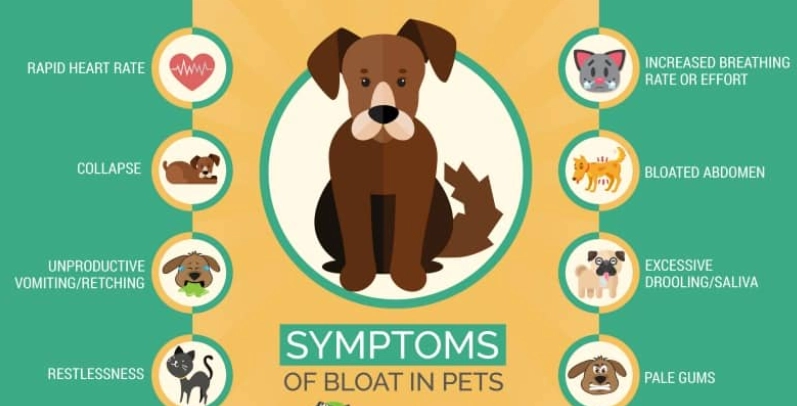
This is Not a Wait-and-See Situation
If you suspect your dog is showing multiple symptoms of bloat in dogs—especially a hard, swollen abdomen, non-productive retching, and obvious distress—this is a true medical emergency. Do not wait. Do not search for home remedies. Your immediate action should be to call your veterinarian or the nearest emergency animal hospital and get in the car. Time is the single most critical factor for survival. Every minute counts.
What Exactly Is Bloat (GDV)? And Why Is It So Deadly?
Okay, let's break down the scary acronym. Gastric Dilatation and Volvulus (GDV) is a two-part catastrophe happening inside your dog.
First, the Dilatation. The stomach fills with gas, fluid, or food. It expands like a balloon. This is painful and dangerous by itself because it puts immense pressure on other organs and can restrict blood flow. You might think, "Can't they just burp or vomit it out?" Often, they can't. The swollen stomach can block the exit routes.
Then comes the Volvulus—the real killer. The massively swollen stomach twists on itself. Think of wringing out a wet towel. This twist traps everything inside and seals the stomach at both ends. Nothing can get in or out. But worse, it cuts off the blood supply to the stomach and, crucially, to the spleen and other major blood vessels. Tissue begins to die rapidly. Toxins flood the bloodstream. The dog goes into shock. This whole process can unfold in a matter of hours, sometimes less.
The mortality rate is terrifyingly high without immediate surgical intervention. According to a comprehensive overview from the Merck Veterinary Manual, even with aggressive treatment, survival is never guaranteed. That's why knowing the symptoms of bloat in dogs isn't just helpful—it's essential knowledge for any dog owner.
The Symptoms: From Early Warning Signs to Full-Blown Emergency
The tricky part about spotting bloat is that not every dog shows every sign, and the order can vary. Some dogs go from zero to critical in what seems like minutes. That said, there's a general progression. I've organized it into stages to make it easier to understand.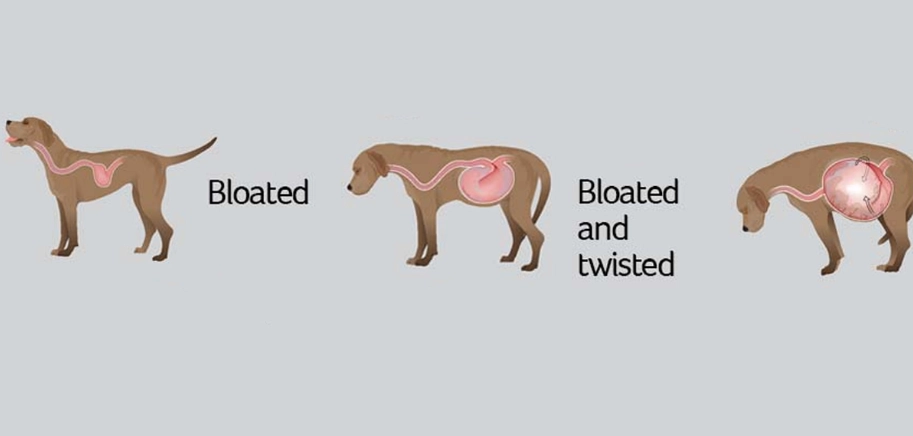
Early Stage Symptoms of Bloat in Dogs
This is the golden window for action, but the signs are easy to miss or dismiss as simple indigestion. Your dog might show one or several of these:
- Restlessness and Pacing: This isn't your dog wanting to play. They can't seem to get comfortable, may pace, get up and down repeatedly, or shift positions constantly. They look anxious, almost panicked.
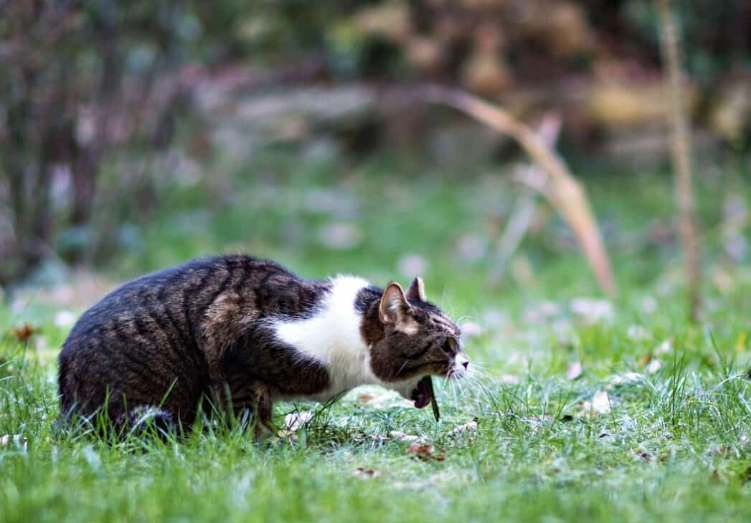
- Unsuccessful Attempts to Vomit (Retching): This is a HUGE red flag. Your dog will hunch, heave, and act like they need to throw up, but only small amounts of foam or mucus come out, or nothing at all. The stomach is blocked, so nothing can come up.
- Excessive Drooling: More than the usual food-driven slobber. It's often thick and stringy, a sign of nausea.
- A Swollen or Distended Abdomen: This may be subtle at first. The belly might feel tight to the touch, like a drum. In deep-chested breeds, the swelling might be more noticeable behind the ribs. A classic test is to gently tap their side—if it sounds hollow, like a drum, be very concerned.
- Looking at Their Sides: They may keep turning their head to look at their flank or abdomen, as if confused by what's happening inside them.
See what I mean? It's easy to think, "Oh, he just ate too fast," and decide to watch it. I've done that with my own dog over minor issues. But with bloat, that's a dangerous gamble.
Progressing Symptoms (The Situation Is Deteriorating)
As the condition worsens, the symptoms of dog bloat become more severe and obvious:
- Visible Abdominal Distension: The swollen belly is now unmistakable. It may look asymmetrical.
- Pale Gums: Lift your dog's lip. Healthy gums are a nice pink color, like bubblegum. Gums that are white, grey, or bluish indicate poor circulation and shock. Press on the gum—the color should return within two seconds (this is the capillary refill time). If it takes longer, it's a major warning.
- Rapid Heart Rate (Tachycardia): You might feel their heart pounding in their chest.
- Difficulty Breathing or Shortness of Breath: The swollen stomach is pressing on the diaphragm, making it hard for the lungs to expand. You might see shallow, rapid breaths.
- Whining or Signs of Pain: They may cry out when their abdomen is touched or even when moving.
A vet tech once told me the most common thing owners say when they finally bring their dog in is, "I knew something was wrong last night, but I thought it would get better by morning." That sentence haunts me. Don't be that person. At the progressing stage, you are already in a dire emergency.
Critical/Emergency Stage Symptoms
This is the point of no return without immediate, intensive veterinary care.
- Collapse or Inability to Stand: The dog is too weak from shock and pain.
- Extremely Pale or Muddy Gums: A clear sign of systemic crisis.
- Weak Pulse and Cold Extremities: The body is shutting down peripheral circulation to protect vital organs.
- Labored, Open-Mouthed Breathing: They are struggling for every breath.
- Lethargy and Unresponsiveness: The dog may seem "out of it" or barely conscious.
To help visualize the progression, here’s a breakdown of what happens as time ticks by:
| Stage | Key Symptoms of Bloat in Dogs | Typical Timeframe | Action Required |
|---|---|---|---|
| Early | Restlessness, unproductive retching, slight abdominal swelling, drooling | Minutes to a few hours after onset | Call vet immediately. Describe symptoms clearly. Be prepared to go. |
| Progressing | Obvious swollen/hard belly, pale gums, rapid breathing/heart rate, pain | Progressing from early stage | Go to emergency vet NOW. This is a confirmed emergency. |
| Critical | Collapse, cold limbs, muddy gums, weak pulse, unresponsiveness | Can occur rapidly if untreated | Extreme emergency. Survival odds decrease significantly. Immediate surgery is the only hope. |
Which Dogs Are Most at Risk? It's Not Just About Size.
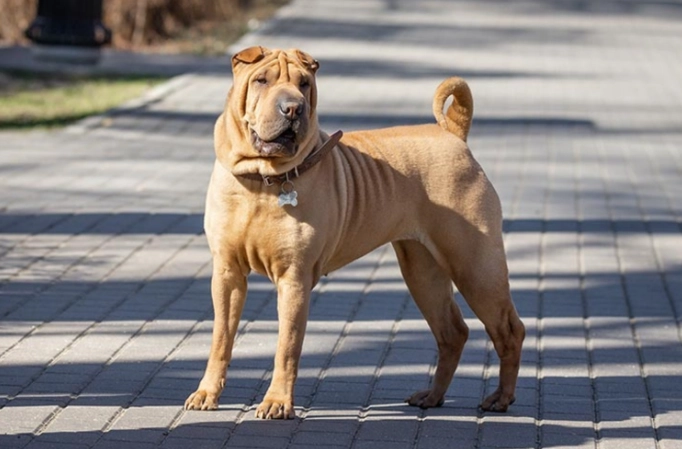
While any dog can technically bloat, some are sitting on a much shorter fuse. The classic high-risk profile is a large or giant breed with a deep, narrow chest. Think of the silhouette of a Great Dane versus a Bulldog. The deep chest allows more room for the stomach to move and potentially twist.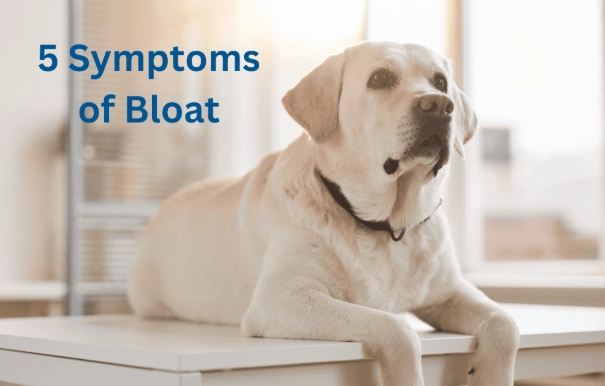
High-Risk Breeds Include: Great Dane (the #1 highest risk), Weimaraner, Saint Bernard, Gordon Setter, Irish Setter, Standard Poodle, Basset Hound, German Shepherd, Boxer, and Doberman Pinscher. But please, don't think your mixed-breed deep-chested dog is safe. They're not.
Other Major Risk Factors:
- Age: Older dogs (over 7 years) are at higher risk.
- Family History: If a parent or sibling has had GDV, the risk skyrockets. This suggests a genetic component.
- Eating Habits: Eating one large meal a day, eating too fast, gulping air, or drinking a huge amount of water right after eating.
- Stress: An anxious or nervous temperament. Some cases even occur after stressful events like boarding or a trip to the groomer.
- Body Condition: Being underweight may surprisingly increase risk compared to dogs at an ideal weight.
I have a German Shepherd mix. Knowing he's on the risk list changes how I manage everything—from his food bowl to his post-meal routine.
What To Do (And NOT Do) If You Suspect Bloat
Let's be brutally clear about the action plan, because panic can make us do irrational things.
THE ONLY CORRECT ACTION PLAN
- Call Your Vet or Emergency Clinic Immediately. Don't email. Don't text. Call. Say the words: "I suspect my dog has bloat. He is showing [list your symptoms]." This triggers their emergency protocol so they are ready for you.
- Get Your Dog in the Car Gently. Do not press on their abdomen. If they can walk, let them. If they can't, use a blanket as a stretcher. Keep them as calm as possible.
- Go to the Veterinary Hospital. Drive safely but with urgency. Have someone else call the clinic back from the car if possible to update them on your ETA.
WHAT YOU MUST ABSOLUTELY NOT DO:
- Do NOT try to induce vomiting. If the stomach is twisted, vomit cannot escape and they could aspirate it, leading to pneumonia. This is a common and dangerous mistake.
- Do NOT give them any food or water.
- Do NOT administer any human medications like Gas-X (simethicone). While simethicone is sometimes used in very early suspected cases under direct vet guidance, you should not decide this on your own. It does nothing for a twisted stomach.
- Do NOT "wait and see." I cannot stress this enough. There is no home treatment for GDV.
What Happens at the Vet? Understanding the Treatment
Knowing what the vet will do can help you feel less helpless. Treatment is aggressive and happens fast. The Veterinary Partner resource from VIN provides excellent detail on this process. It typically follows these steps:
- Stabilization: This is the first priority, even before diagnosis is confirmed. They will start intravenous (IV) fluids to combat shock, administer strong pain relief, and often attempt to decompress the stomach. This might involve passing a tube down the throat or, if that's blocked by the twist, using a large needle to puncture the stomach through the body wall to release gas (trocarization). This provides immediate, life-saving relief from pressure.
- Diagnosis: An X-ray is the definitive tool. It will clearly show the tell-tale "double bubble" or "compartmentalization" sign of the twisted stomach.
- Surgery: If GDV is confirmed, emergency surgery is the only cure. The surgeon will untwist the stomach, assess the tissue for damage (removing any dead portions of the stomach or spleen), and then perform a gastropexy. This is the critical step. The stomach is permanently stitched to the abdominal wall so it can never twist again. A gastropexy can also be done preventatively in high-risk dogs.
- Post-Op Care: Recovery is intensive, involving IV fluids, antibiotics, and monitoring for complications like heart arrhythmias, which are common after GDV.
The cost is high—thousands of dollars. But the alternative is unthinkable.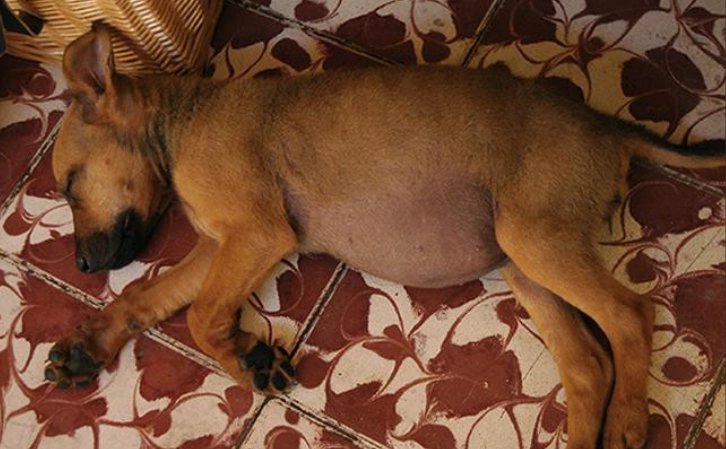
Can You Prevent Bloat? Practical, Actionable Strategies
You can't eliminate the risk entirely, but you can dramatically reduce it. Here's what actually helps, based on studies and veterinary recommendations. The American Kennel Club's Canine Health Foundation has funded research in this area and offers solid guidelines.
- Feed Multiple Small Meals: Instead of one big dinner, split the daily food into 2-3 smaller meals. This prevents the stomach from becoming over-distended.
- Use a Slow-Feeder Bowl: This forces your dog to eat slower, reducing air gulping. It's one of the cheapest and most effective tools you can buy.
- Restrict Exercise Around Meals: Avoid vigorous play, running, or excitement for at least one hour before and two hours after eating. This is a big one. A full, heavy stomach bouncing around is a risk factor.
- Ensure Quiet, Stress-Free Meals: If you have multiple dogs, feed them separately to avoid competition and stress.
- Consider a Preventative Gastropexy: For high-risk breeds, this is often discussed during spay/neuter or as a standalone laparoscopic (minimally invasive) procedure. It's the only thing that physically prevents the twist. Talk to your vet about whether it's right for your dog.
- Avoid Raised Bowls: Once recommended, newer studies (like one from Purdue University) have suggested raised feeders may actually increase the risk of bloat in large and giant breeds. Stick with floor-level bowls unless your vet specifically recommends otherwise for a condition like megaesophagus.
Your Burning Questions About Symptoms of Bloat in Dogs, Answered
The Final Word: Trust Yourself, Act Fast
Let's wrap this up. The symptoms of bloat in dogs are sneaky until they're terrifyingly obvious. Your job isn't to be a veterinarian and diagnose it perfectly. Your job is to recognize the pattern of warning signs—especially that combination of restlessness, a tight belly, and dry heaving—and understand what they could mean.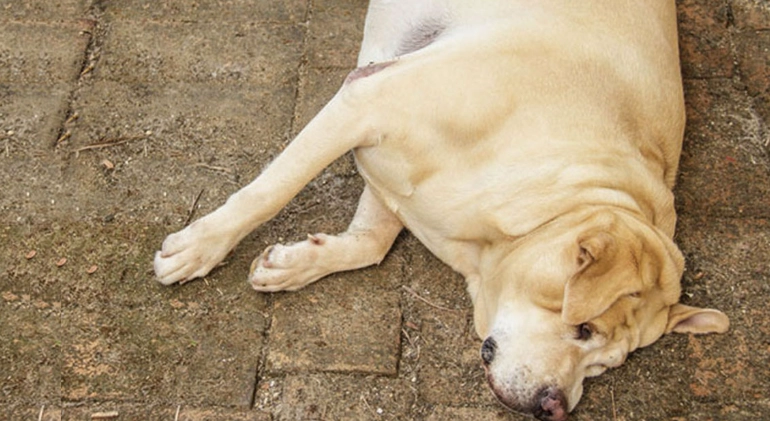
If that pattern fits, your next move is non-negotiable: you call and you go. The worst-case scenario for an overreaction is an unnecessary vet bill and maybe a little embarrassment. The worst-case scenario for waiting is a loss you can never take back.
Print this guide. Bookmark it. Share it with anyone who watches your dog. Know the name and number of your nearest 24-hour emergency clinic right now, before you ever need it. That five minutes of preparation could buy the five hours your dog needs to survive.
Pay attention to your dog. You know their normal. When their normal disappears and is replaced by the symptoms we've talked about, don't talk yourself out of it. Be their advocate. Be their hero. Get help.
Related Articles