Dog Bloat Survival Guide: Symptoms, Emergency Action & Prevention Tips
Quick Navigation
- What Is Dog Bloat, Really? It's Two Nightmares in One
- The Symptoms: How to Tell "Ugh, My Tummy Hurts" from "This is an Emergency"
- Why Does This Happen? The Risk Factors (It's Not Just Big Dogs)
- The Lifesaving Response: What to Do (and NOT Do) During a Bloat Emergency
- What Happens at the Vet: The Treatment Reality
- Prevention: Your Best Defense Against Dog Bloat
- Wrapping It Up: Your Action Plan
Let's be honest. When you first heard about "dog bloat," it probably sounded vague. Maybe a bit of gas, some discomfort. Then you dug deeper, and that pit in your stomach formed. The stories are terrifying. A happy, healthy dog one hour, in a fight for its life the next. I remember sitting with a friend at the emergency vet at 2 AM, her Great Dane on the table. The vet said the word "GDV" and her face just went white. That experience, the sheer speed of it, is what made me dive headfirst into understanding this thing. Not to scare you, but to arm you. Because knowing the difference between a simple upset stomach and a true dog bloat emergency is knowledge that literally saves lives.
This isn't a dry medical journal. It's the conversation I wish I'd had access to years ago. We'll cut through the jargon, look at what really matters, and give you a clear action plan. Because when it comes to dog bloat, hesitation is the enemy.
READ THIS FIRST: If your dog is currently showing a distended (swollen) hard belly, non-productive retching (trying to vomit but nothing comes up, or just white foam), excessive drooling, and seems restless or in distress – STOP READING. THIS IS A LIFE-THREATENING EMERGENCY. Call your vet or emergency animal hospital NOW and get in the car. Time is the most critical factor with GDV.
What Is Dog Bloat, Really? It's Two Nightmares in One
Alright, let's break it down. The term "bloat" is often used loosely, but vets make a crucial distinction. The first stage is Gastric Dilatation (GD). This is where the stomach fills with gas, fluid, or food, and expands like a balloon. It's painful, dangerous, and can restrict breathing and blood flow. Bad enough, right?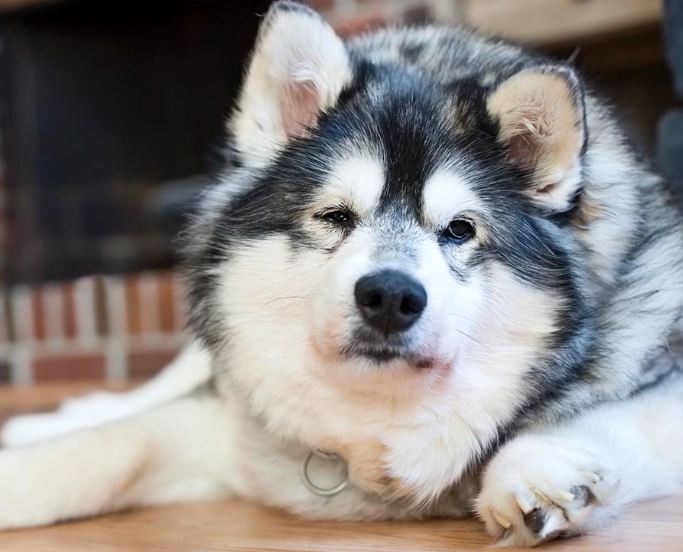
But the real killer is the second stage: Volvulus. This is when that massively distended stomach actually twists on itself. Think of wringing out a wet towel. This twist traps everything inside, seals off the exits, and cuts off blood supply. The stomach tissue starts to die. Toxins build up. Shock sets in rapidly. This combination – the dilation plus the volvulus – is Gastric Dilatation and Volvulus, or GDV. This is the true dog bloat emergency everyone fears.
Why does the stomach twist? Honestly, the exact biomechanics aren't 100% nailed down. It's believed the heavy, gas-filled stomach becomes mobile and can rotate, especially in deep-chested dogs where it has more room to move. Once it flips, it's stuck.
The Symptoms: How to Tell "Ugh, My Tummy Hurts" from "This is an Emergency"
This is the most important part. Missing the signs or hoping they'll go away is the biggest mistake. The symptoms of dog bloat can escalate quickly, sometimes within minutes to a couple of hours.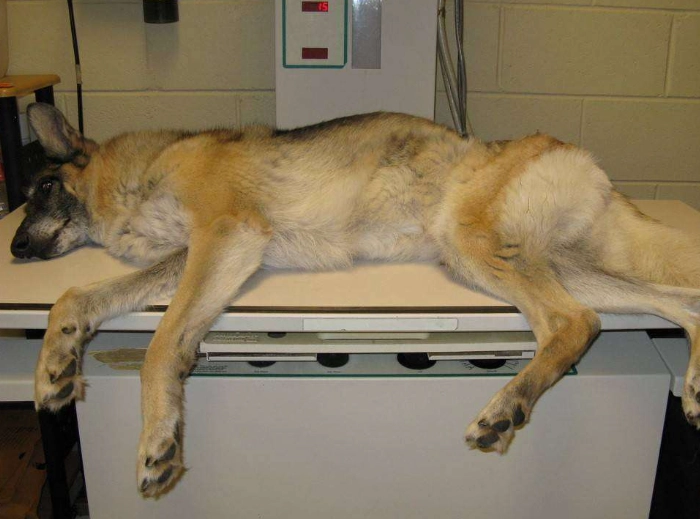
The Classic Red Flags (The "Get to the Vet NOW" Signs)
These are the big ones. If you see a combination of these, especially in a at-risk breed, don't wait.
- The Unproductive Retch: This is the hallmark. Your dog keeps trying to vomit – heaving, abdominal contractions – but little or nothing comes up. Sometimes it's just strings of sticky saliva or white foam. They look like they're trying to clear something stuck. It's distressing to watch.
- The Distended, Drum-Tight Belly: The abdomen swells and feels hard, like a tightly inflated basketball. It may happen very visibly. However, in some dogs with very deep chests, the swelling might be higher up under the ribcage and less obvious. Don't just look; gently feel.
- Restlessness and Anxiety: They can't get comfortable. They pace, whine, keep changing positions, look at their side. They're in significant pain.
- Excessive, Ropy Saliva: They're drooling a lot more than usual, often because they feel nauseous and can't swallow.
The Secondary Signs (Things Are Getting Critical)
As shock sets in, you'll see:
- Pale gums (should be a healthy pink, press on them – the color should return quickly).
- Rapid heart rate but a weak pulse.
- Labored, shallow breathing.
- Collapse, lethargy, and weakness.
I made a quick-reference table because in a panic, a visual can help. But remember, you don't need to check all boxes. A few key ones mean GO.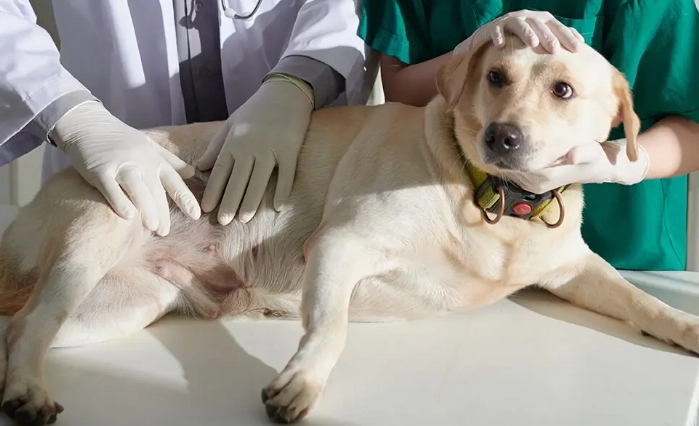
| Symptom | What to Look For | Urgency Level |
|---|---|---|
| Unproductive Retching/Vomiting | Heaving with little/no vomit, white foam | HIGH - Immediate Vet |
| Distended, Hard Abdomen | Swollen belly, feels tight like a drum | HIGH - Immediate Vet |
| Restlessness/Pacing | Can't settle, anxious, looking at flank | MODERATE to HIGH (Combine with others) |
| Excessive Drooling | Ropy saliva, more than usual | MODERATE (Combine with others) |
| Pale Gums | Gums are white/grey, not pink; slow capillary refill | HIGH - Shock is developing |
| Rapid Heartbeat & Weak Pulse | Heart racing but pulse feels thready | HIGH - Advanced Emergency |
| Collapse/Lethargy | Weakness, inability to stand, depression | CRITICAL - Go NOW |
A vet tech once told me, "Owners often apologize for coming in 'over nothing' when it's just gas. We'd rather see 100 false alarms than miss one true GDV." That stuck with me. Never feel bad for erring on the side of caution with dog bloat symptoms.
Why Does This Happen? The Risk Factors (It's Not Just Big Dogs)
We know certain things stack the deck. It's not one cause, but a combination.
- Breed & Build: This is the biggest one. Deep, narrow chests are the classic risk profile. Great Danes are the poster child (their lifetime risk is heartbreakingly high), but they're far from alone. Standard Poodles, Weimaraners, Irish Setters, German Shepherds, and Basset Hounds (surprisingly, due to their conformation) are all on the list. The American Veterinary Medical Association (AVMA) has resources noting breed predispositions.
- Age: Older dogs (over 7) are at higher risk, though it can happen to adults of any age.
- Family History: If a dog's parent or sibling had GDV, their risk increases. There's a genetic component we're still figuring out.
- Eating Habits: Gulping food fast, eating one large meal a day, and drinking huge amounts of water right after eating are all considered risk factors. The theory is it leads to more air swallowing and a heavier stomach.
- Personality: This one is interesting. Anxious, nervous, or stressed dogs seem to have a higher incidence. So do those described as "happy" or "people-pleasers." The link isn't perfectly clear, but temperament matters.
What about raised food bowls? This is a hot topic. For years, raised bowls were recommended to prevent dog bloat. Then some studies, like one often cited from Purdue University's veterinary research program, suggested they might actually increase risk in some large breeds. The current consensus from most surgeons I've spoken to is murky. It's probably not the protective measure we thought, and for some dogs, it might be detrimental. My take? Don't rely on a raised bowl as your primary prevention strategy. The evidence is too conflicting.
The Lifesaving Response: What to Do (and NOT Do) During a Bloat Emergency
Your actions in the first 30 minutes are everything. Let's walk through it step-by-step.
- Recognize the Signs: You've already learned them. Trust your gut. If the symptoms match, don't talk yourself out of it.
- CALL YOUR VET OR EMERGENCY CLINIC IMMEDIATELY. Tell them: "I think my dog is bloating. He has a distended belly and is trying to vomit but can't." This gets them moving before you even arrive.
- Stay Calm and Get Moving: Your dog needs your calm energy. Gently help them into the car. If they can't walk, use a blanket as a stretcher. Drive safely but purposefully.
- DO NOT:
- Try to induce vomiting. If the stomach is twisted, nothing can get out. You risk causing aspiration pneumonia.
- Give them food or water.
- Press on their stomach trying to "massage" the gas out. You could cause more damage.
- Wait and see. GDV is not a "wait and see" condition.
Pro-Tip: Know the location and phone number of your nearest 24/7 emergency animal hospital before you need it. Save it in your phone. A regular vet clinic may not have the surgical staff or equipment for overnight GDV surgery.
What Happens at the Vet: The Treatment Reality
Once you arrive, things move fast. It's intense, but knowing what to expect can ease your mind a little.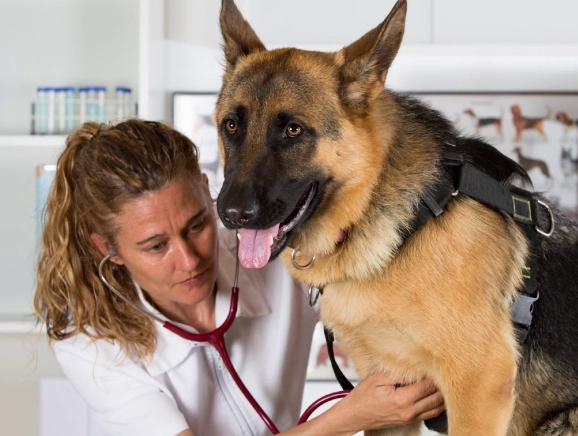
First, they'll confirm it's GDV, usually with a quick X-ray that shows the tell-tale "double bubble" or "compartmentalization" sign of the twisted stomach. Then it's a two-part battle: stabilize, then surgery.
Stabilization (The Critical First Hour)
The vet team will place IV catheters to deliver fluids rapidly to fight shock. They'll give strong pain medication and often antibiotics. The most dramatic step is decompression – relieving the pressure in the stomach. They might pass a tube down the esophagus, but if the twist is tight, it won't pass. The alternative is trocarization: inserting a large needle or catheter directly through the skin into the stomach to let the gas escape. It's a temporary but life-saving measure to buy time for surgery.
Surgery (The Only Cure)
There is no medication that can untwist a stomach. Surgery is mandatory. The surgeon will:
- Make an abdominal incision.
- Untwist the stomach (derotate it).
- Assess the damage. They'll look for any dead (necrotic) tissue on the stomach or spleen (which often gets caught in the twist and loses blood supply). Dead tissue must be removed.
- Perform a gastropexy. This is the crucial, preventative part of the surgery. They permanently stitch the stomach wall to the inside of the abdominal wall so it can never twist again. It's like tacking down a rug so it can't flip.
Recovery is tough. The dog will be in ICU for days on IV fluids, pain meds, and monitoring for complications like heart arrhythmias (common post-GDV) or infection. The cost is high, often ranging from $3,000 to $8,000+ depending on location and complications. But with prompt treatment, survival rates can be 80-90%. Delay drops that number dramatically.
Prevention: Your Best Defense Against Dog Bloat
Since treatment is so brutal and expensive, prevention is where we focus our energy. You can't eliminate risk, but you can seriously minimize it.
Your Anti-Bloat Daily Routine Checklist
- Feed Multiple Small Meals: Break daily food into 2-3 smaller meals instead of one big one.
- Slow Down Fast Eaters: Use a slow-feeder bowl, a puzzle feeder, or put a large, clean rock in the bowl to force them to eat around it. I'm not a fan of most "bloat bowls" with huge center pillars—some dogs just get frustrated. A simple slow-feeder maze bowl works wonders.
- Manage Water Intake: Don't let them gulp a giant bowl of water right before or after eating. Offer smaller amounts frequently.
- Enforce Rest Before & After Meals: The old "no exercise for an hour before and after eating" rule has merit. Encourage calm time.
- Know Your Dog's Baseline: Know what their normal belly feels like. Feel it when they're relaxed and happy so you'll notice a change.
Prophylactic Gastropexy: The Ultimate Peace of Mind
For high-risk breeds, this is the most powerful tool. A prophylactic (preventative) gastropexy is a surgery to tack the stomach before it ever twists. It's often done when the dog is already under anesthesia for another procedure, like a spay or neuter. For giant breeds, many vets recommend it around 12-18 months of age.
It can be done laparoscopically (minimally invasive with small incisions and a camera), which has a much easier recovery. Does it 100% prevent the dilation (bloating) part? No. But it absolutely prevents the deadly volvulus (twist). If a pexied dog bloats, it's still an emergency, but it's a manageable one that doesn't involve tissue death and shock. The University of Florida Veterinary Hospitals and other teaching hospitals often provide detailed information on this procedure, as it's considered standard of care for at-risk breeds.
Is it worth it? For my friend with the Dane, who spent $7,000 on the emergency GDV surgery and lived through hell for a week, she says a $1,500 preventative pexy would have been the best money she ever spent. I tend to agree.
Wrapping It Up: Your Action Plan
So, where does this leave us? Overwhelmed? I hope not. Empowered, I hope so.
Dealing with the fear of dog bloat isn't about living in constant anxiety. It's about having a plan. It's about turning that vague worry into specific knowledge and habits.
1. Learn the red-flag symptoms – the retching, the hard belly, the restlessness.
2. Have an emergency plan – know your route and emergency vet number.
3. Implement daily prevention – slow feeders, multiple meals, calm times.
4. For high-risk dogs, have the proactive gastropexy conversation with your vet.
My friend's Dane survived that night. He's a happy, goofy boy with a huge scar and a stomach firmly tacked in place. The experience was traumatic, but it taught all of us who love big dogs a brutal lesson. Dog bloat isn't a myth or an exaggeration. It's a real, fast-moving storm. But you don't have to stand in the rain without an umbrella. You can see the clouds gathering. You can prepare. And now, you know how.
Go give your dog a gentle pat on the side (not right after eating, of course). Then maybe go look at slow-feeder bowls online. Knowledge is only power if you use it.
Related Articles