What Do Horses Eat? A Complete Guide to Equine Nutrition & Feeding
Quick Navigation
- The Basics: Understanding the Equine Digestive System
- The Core of a Horse's Diet: Forage First
- Water: The Forgotten Nutrient
- Concentrates: Grains and Pelleted Feeds
- Supplements: Necessary or Just Expensive?
- Special Considerations: What Different Horses Eat
- Common Feeding Mistakes (I've Made a Few)
- Sample Daily Feeding Schedule
- Toxic Plants and Foods to Absolutely Avoid
- Putting It All Together: How to Create a Diet Plan
- Answers to Common Questions (The Stuff You Actually Google)
Let's be honest, figuring out what to feed your horse can feel overwhelming. You walk into the feed store, and there are twenty different bags staring back at you. Your friend swears by one supplement, the internet says another, and your horse just looks at you like, "Where's my dinner?" I've been there. I remember spending hours researching, worrying if I was getting it right. The truth is, there's no single magic answer to the question "what do horses eat," but there is a solid foundation of knowledge that can make you feel confident.
It all starts with understanding what they're built for. Horses aren't like us, and they're not even exactly like dogs or cats. They have a digestive system that's a bit of a marvel and, frankly, a bit delicate. Get their diet wrong, and you're not just looking at a picky eater—you could be facing serious health issues like colic or laminitis. That's the last thing any of us want.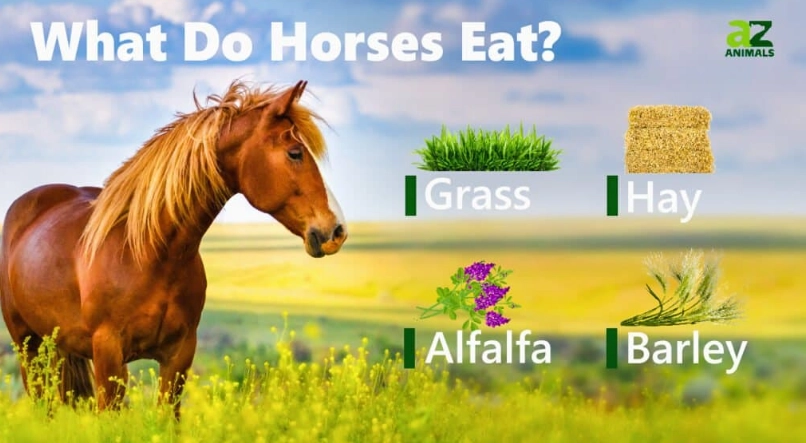
The Basics: Understanding the Equine Digestive System
Before we dive into the specific foods, you gotta get how a horse is wired to eat. This isn't just boring biology; it's the reason behind every feeding rule you'll ever hear.
Horses are what we call non-ruminant herbivores. That's a fancy way of saying they eat plants but don't have a multi-stomach system like a cow to ferment food upfront. Instead, the magic happens further down the line. Their stomach is relatively small, designed to handle a steady, slow trickle of food. The real workhorse (pun intended) is the massive hindgut, which is a fermentation vat full of microbes that break down fibrous material like hay and grass.
Here's the critical takeaway: Horses are continuous grazers by design. In the wild, they'd spend 16-18 hours a day slowly munching on sparse grasses. Their stomach constantly produces acid, and the only thing that buffers that acid is the saliva produced from chewing. No chewing? Acid can splash around and potentially lead to ulcers.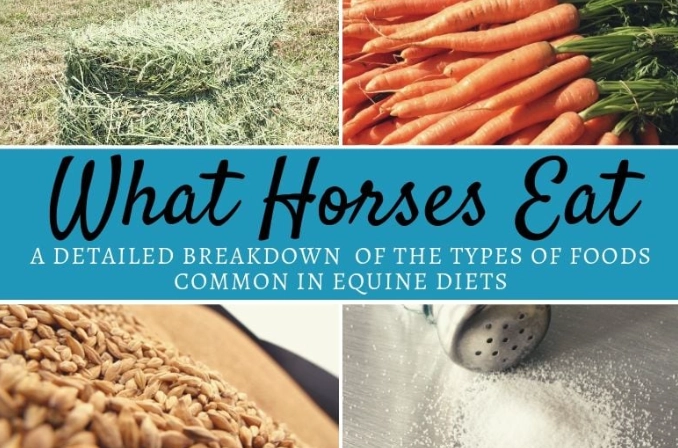
So, when we ask "what do horses eat," the first answer is always: something they can chew on, slowly and often. Our modern stabling and feeding schedules fight against this natural design, which is why we have to be so careful.
The Core of a Horse's Diet: Forage First
If you remember nothing else from this guide, remember this: FORAGE IS KING. This is the cornerstone, the non-negotiable foundation of what horses eat. Forage means fibrous plant material—primarily grass and hay.
Pasture Grass: The Natural Choice
Good pasture is the best and most natural thing for most horses. It allows them to move and graze as nature intended. But not all grass is created equal. Lush, springtime pasture is high in sugars (like fructans) and can be a risk for horses prone to metabolic issues or laminitis. On the other hand, sparse, mature summer pasture might not have enough nutritional oomph for a hard-working horse.
You have to manage it. Rotating pastures to prevent overgrazing and letting grass mature a bit can help manage sugar content. I learned this the hard way with an easy-keeper pony who ballooned up on rich grass. Sometimes, the most natural option needs the most management.
Hay: The Staple of the Stable
For most horse owners, hay is the daily bread. It's preserved forage, and choosing the right one is an art. The two main categories are grass hay and legume hay.
| Type of Hay | Common Examples | Key Characteristics | Best For... | Watch Out For... |
|---|---|---|---|---|
| Grass Hay | Timothy, Orchardgrass, Bermuda, Teff, Meadow Hay | Lower in protein and calcium, higher in fiber. Generally lower in energy. | Adult horses at maintenance, easy keepers, some seniors. The go-to for many. | Quality can vary wildly. Can be too stemmy if cut late. |
| Legume Hay | Alfalfa, Clover | Rich in protein, calcium, and calories. More nutrient-dense. | Growing youngsters, lactating mares, performance horses, hard keepers needing weight gain. | Can be too "hot" (energetic) for some horses. Too much calcium can imbalance minerals for some. |
How much hay? The classic rule of thumb is 1.5% to 2.5% of their body weight per day in dry forage. For a 1,000-pound horse, that's 15 to 25 pounds of hay daily. But it's just a starting point.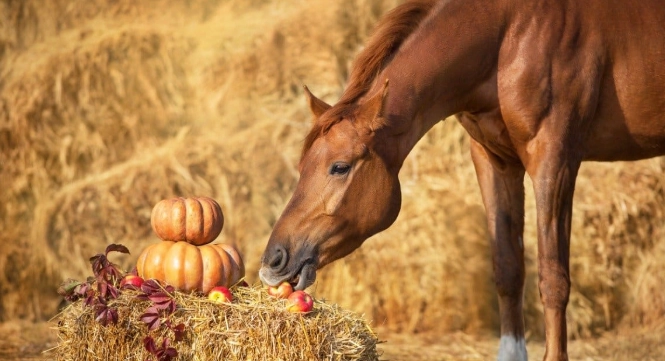
Quality matters more than type sometimes. Good hay smells sweet, is greenish in color, and is free of excessive dust, mold, or weeds. Musty hay isn't just unappetizing; it can cause respiratory issues. Don't be afraid to break open a bale before you buy a whole truckload.
Water: The Forgotten Nutrient
We get so focused on the solid stuff that we forget the most critical thing. Water. It's non-negotiable. A horse can lose almost all its fat and half its protein and survive, but losing just 10% of its body water is a critical emergency.
A horse drinks about 5 to 10 gallons a day, but that skyrockets in hot weather or with heavy work. Clean, fresh, unfrozen water available at all times. I check water buckets twice a day, without fail. An automatic waterer is a great investment, but you still need to check it's working and clean it regularly.
Funny story—I had a horse who was a fussy drinker on the road. He'd get dehydrated at shows. The solution? Soaking his hay and adding a little salt to his feed to encourage drinking. Simple trick, big difference.
Concentrates: Grains and Pelleted Feeds
This is where many people get confused. Concentrates (grains like oats, barley, corn, and commercial pelleted or textured feeds) are not a mandatory part of a horse's diet. They are a supplement to forage, used to provide extra calories and nutrients that forage alone can't supply.
Ask yourself: Does my horse need it? A pasture potato living a quiet life probably gets everything he needs from good hay and a salt block. But a high-level eventer, a nursing mare, or a skinny Thoroughbred who burns calories just breathing? They likely need the boost.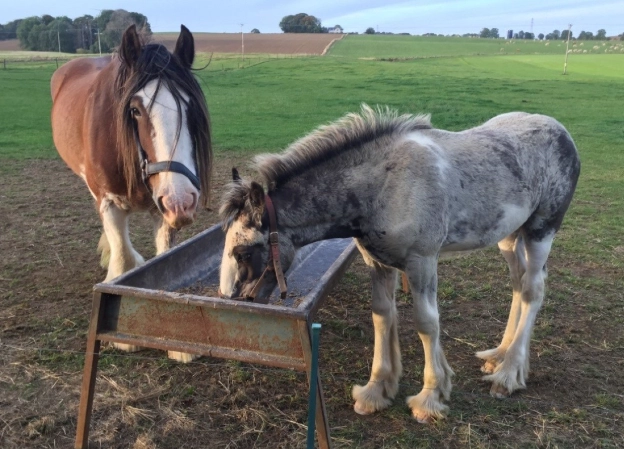
Common Concentrate Options:
- Oats: The classic. They're relatively high in fiber and lower in starch than other grains. They have a good reputation for being a "safe" grain, though they are lower in some nutrients like protein and calcium.
- Commercial Feeds: These are formulated to be nutritionally balanced. A "complete feed" has forage fiber added and can, in a pinch, replace hay (though forage is still better). The big advantage is convenience and balance—they're designed by nutritionists. The disadvantage is cost and the fact you're trusting the company's formulation.
- Beet Pulp: Not technically a grain, but a high-fiber supplement. It's a fantastic, non-heating way to add calories and bulk for a hard keeper. You must soak it thoroughly before feeding.
Supplements: Necessary or Just Expensive?
The supplement aisle is a minefield. It's easy to spend more on supplements than on hay. My philosophy? Start with a good foundation forage and a balanced concentrate if needed. Then, supplement based on a specific, identified need.
The only supplement every single horse needs is salt. A plain white salt block is fine, but many horses don't lick enough. I prefer to provide loose salt in a separate small bucket or mix a tablespoon into their daily feed. In hot climates or for sweaty horses, an electrolyte supplement can be crucial.
Other common supplements:
- Joint Supplements (Glucosamine, Chondroitin, MSM): For older horses or those with arthritis. The science on their effectiveness is mixed, but many owners swear by them.
- Hoof Supplements (Biotin, Methionine, Zinc): Can help improve hoof quality in horses with poor feet, but it takes 9-12 months to see new hoof growth from the coronary band down.
- Calmers (Magnesium, Tryptophan): These are hugely popular. Sometimes they work for a horse with a genuine deficiency, but often they're a band-aid for a horse that's getting too much energy from its diet or not enough turnout.
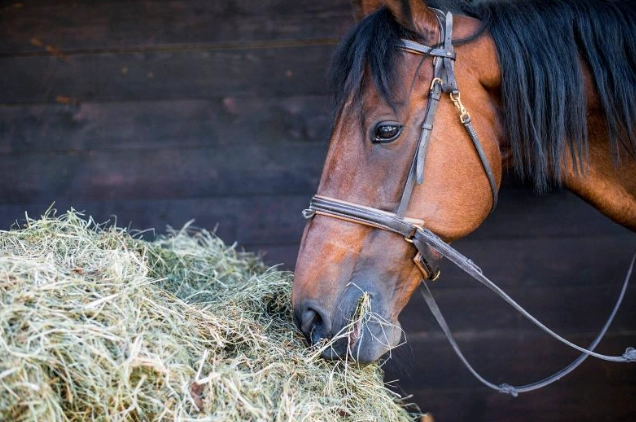
Special Considerations: What Different Horses Eat
The perfect diet for a racehorse would make a Shetland pony incredibly sick. You have to tailor the answer to "what do horses eat" to the individual.
The Easy Keeper (The "Air Fern")
This horse looks at grass and gains weight. Often ponies, drafts, or certain breeds like Morgans. For them, the diet is all about restriction and low-calorie forage. Soaked hay (to leach out sugars), a grazing muzzle, limited pasture access, and absolutely no grain. They might need a vitamin/mineral balancer without the calories.
The Hard Keeper (The "Furnace")
This horse struggles to hold weight. Thoroughbreds often fall here. They need constant access to high-quality forage. Alfalfa hay or haylage can help. Adding fat is a great way to add calories without the risks of starch—vegetable oil, rice bran, or high-fat commercial feeds. Small, frequent high-calorie meals are key.
The Senior Citizen
Old horses often have worn teeth, making chewing hay difficult. Their digestion becomes less efficient. What do senior horses eat? Soaked hay pellets or cubes become a lifesaver. Complete senior feeds are formulated to be highly digestible and can be fed as a mush. Regular dental checks are non-negotiable.
The Performance Athlete
They need energy! But the source matters. A slow-release energy from fats and fermentable fibers (like beet pulp, soy hulls) is often better than a spike from high-starch grains. Electrolyte replacement is critical. The Kentucky Equine Research and university extension services have fantastic, science-based resources on fueling performance horses.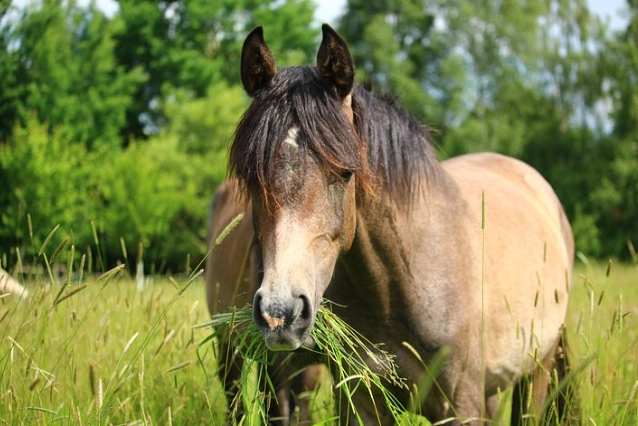
Common Feeding Mistakes (I've Made a Few)
Let's be real, we all mess up. Here are the big ones to avoid:
- Feeding by volume, not weight. A "scoop" of pellets is not the same as a "scoop" of lightweight beet pulp. Use a kitchen scale.
- Sudden changes in diet. The microbial population in the hindgut needs time to adjust. Any change in hay, grain, or pasture should be made over 7-10 days.
- Over-supplementing. More is not better. You can unbalance a carefully formulated feed and waste a lot of money.
- Ignoring dental health. A horse with sharp hooks or missing teeth can't chew properly, leading to weight loss and choke risk. Annual floats are cheap prevention.
- Feeding poor quality hay because it's cheap. It's false economy if it causes colic or heaves.
Sample Daily Feeding Schedule
This is for a hypothetical 1,000 lb recreational trail horse in moderate work, an "average" keeper.
| Time | Feed | Amount & Notes |
|---|---|---|
| 7:00 AM | Grass Hay | 4-5 lbs (from daily total allotment) |
| 7:15 AM | Concentrate Meal | 2 lbs of a low-starch performance feed |
| 12:00 PM | Grass Hay | 4-5 lbs |
| 5:00 PM | Grass Hay | 4-5 lbs |
| 5:15 PM | Concentrate Meal | 2 lbs of feed + 1 oz loose salt |
| 10:00 PM | Grass Hay | Final 4-5 lbs (to last through the night) |
Total Hay: ~20 lbs (2% of body weight). Water: Available always, checked twice daily.
Toxic Plants and Foods to Absolutely Avoid
This list is short but deadly serious. Never feed these:
- Lawn Clippings: They ferment too quickly and can cause colic and founder.
- Members of the Nightshade family (tomato, potato plants).
- Stone fruits (the pits of peaches, plums, etc. contain cyanide).
- Avocado.
- Moldy feed or hay.
- Cattle feed: Often contains ionophores (like monensin) which are FATAL to horses.
For a comprehensive, searchable list of toxic plants, the ASPCA's Animal Poison Control Center site is an invaluable, authoritative resource every horse owner should bookmarked.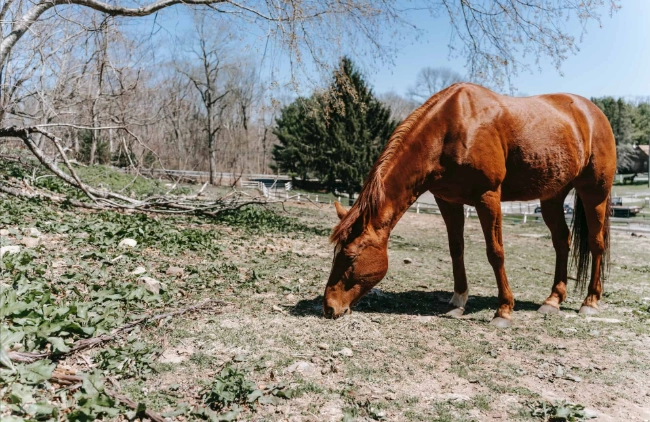
Putting It All Together: How to Create a Diet Plan
So, you're standing in the barn, looking at your horse. How do you decide what do horses eat, specifically YOUR horse?
- Assess Body Condition. Use the Henneke Scale (1-9). Ideal is a 5. Can you feel ribs easily? See a crease down the back? Prominent hip bones?
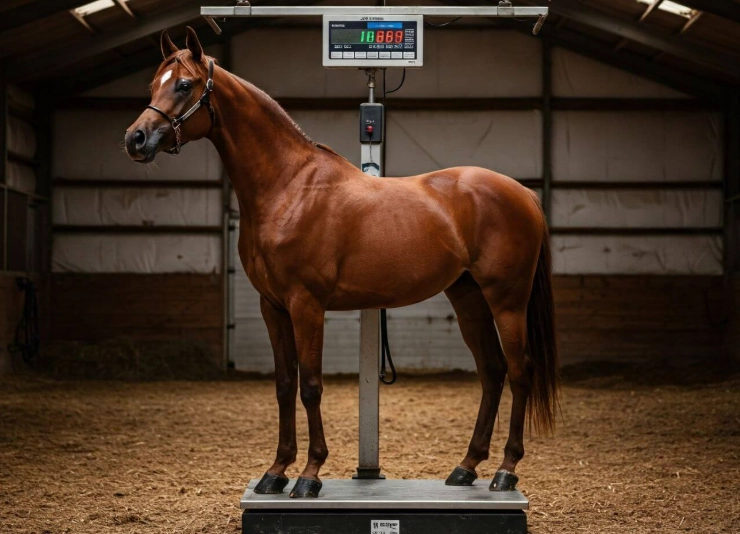
- Know the Weight. Use a weight tape or, better yet, a scale. Guessing is useless.
- Consider Life Stage & Work. Idle, light, moderate, or heavy work? Growing, pregnant, lactating, or senior?
- Start with Forage. Calculate 1.5-2.5% of body weight. Source the best quality you can.
- Add Concentrates ONLY if needed. Does the forage provide enough energy? If not, add a balanced feed gradually.
- Add Salt. Always.
- Consider a ration balancer if feeding mostly forage and no grain, to fill vitamin/mineral gaps.
- Observe and Adjust. Is your horse maintaining weight? Is his energy appropriate? Is his manure normal? Coat shiny? Adjust amounts slowly.
Don't be afraid to ask for help. A qualified equine nutritionist (look for certifications like PhD in Animal Nutrition) can be worth their weight in gold for complex cases. Your local Cooperative Extension office is also a fantastic, often free, resource for analyzing your local forage.
Answers to Common Questions (The Stuff You Actually Google)
Figuring out what do horses eat is a journey, not a destination. You'll learn as much from your horse as you will from any article. Watch him. Is he content? Is he healthy? Is his energy manageable? That's the real test. Start with the foundation of good forage and clean water, build from there based on his needs, not trends, and you'll be well on your way to a happy, healthy partner.
And remember, when in doubt, less is often more. A simple diet done well beats a complicated one done poorly every single time.
Related Articles