Dog Throwing Up Yellow Bile? A Vet-Reviewed Guide to Causes & Care
Quick Guide
- So, Why Is My Dog Vomiting Yellow Bile? The Usual Suspects
- What to Do at Home: The Step-by-Step Guide for Mild Cases
- When Home Care Isn't Enough: What the Vet Will Do
- Prevention: How to Stop the Yellow Puddle Parade
- Special Considerations: Puppies, Seniors, and Specific Breeds
- Your Questions, Answered (The FAQ Section)
- Wrapping It Up: Trust Your Gut (And Your Vet's)
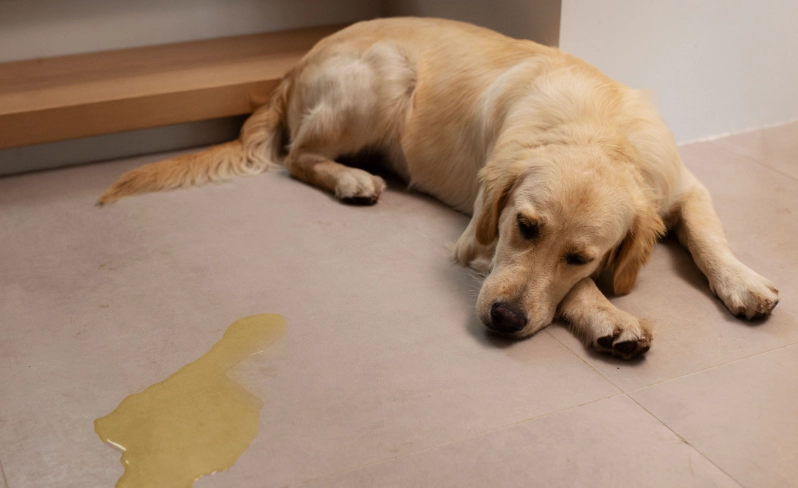
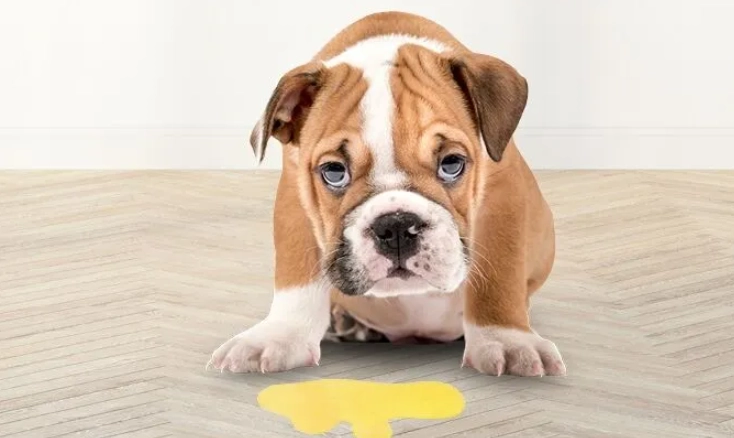
Waking up to find your dog has vomited a puddle of yellow, foamy liquid is one of those classic pet owner moments. It’s unsettling, a bit gross, and immediately makes you worry. Is this serious? Should I call the vet right now? Is he just hungry? I remember the first time my own dog, a spirited terrier mix, did this. I spent a good ten minutes staring at the yellow stain on the carpet, Googling frantically, my mind racing through worst-case scenarios.
You're not alone in that panic. Seeing your dog throwing up yellow bile is incredibly common, and honestly, it's usually not a five-alarm fire. But—and this is a big but—it can sometimes be the first sign of something that needs a vet's attention. The key is knowing the difference. So, let's cut through the confusion and talk about what that yellow stuff actually is, why it happens, and most importantly, what you should do about it.
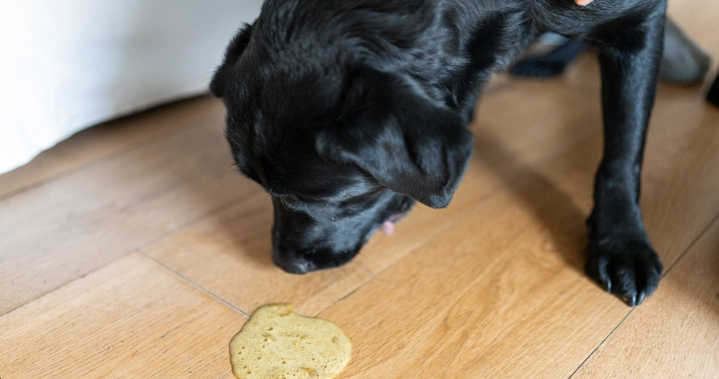
Quick Take: That yellow liquid is bile. It's a digestive fluid produced by the liver and stored in the gallbladder. Its job is to help break down fats in the small intestine. When a dog vomits yellow bile, it usually means the stomach is empty and the bile has backed up into the stomach, irritating it enough to cause vomiting. This is why it often happens first thing in the morning after a long night without food—a condition some vets call "bilious vomiting syndrome."
So, Why Is My Dog Vomiting Yellow Bile? The Usual Suspects
Let's break down the reasons, from the most mundane to the "okay, time to call the doctor" level. Think of it as a troubleshooting list.
The Simple, Non-Scary Reasons (Most Common)
These are the front-runners, especially if your dog is otherwise acting perfectly normal—bright eyes, wagging tail, ready for breakfast despite the recent upheaval.
An Empty Stomach (Bilious Vomiting Syndrome): This is the MVP of causes. If your dog goes too long between meals, stomach acid and bile can build up and irritate the stomach lining. Their body's solution? Toss it out. This is super common in dogs fed one large meal a day, or who have a long gap between dinner and breakfast. My terrier was a classic case. Switching him to two smaller meals and a late-night snack literally solved the problem overnight.
Dietary Indiscretion (A Fancy Term for Eating Garbage): Dogs are scavengers. A bit of spoiled food from the trash, a mouthful of grass (which is often an attempt to make themselves vomit), or a new treat that didn't agree with them can lead to a dog throwing up yellow bile, sometimes along with whatever they ate. The bile appears because their stomach is now empty after expelling the offending material.
Mild Dietary Sensitivity: Sometimes it's not about garbage, but about the actual food. A particular ingredient might not sit right, causing intermittent stomach upset and vomiting bile, often in the morning.
The Reasons That Need Your Attention
This is where we move from "watch and wait" to "pay close attention." If the vomiting is repeated, or your dog shows other symptoms, one of these could be at play.
Gastrointestinal Upset or Inflammation (Gastritis): This is a general inflammation of the stomach lining. It can be triggered by so many things: bacteria, viruses, parasites, or even chronic stress. The inflammation makes the stomach super sensitive, leading to episodes of vomiting bile.
Pancreatitis: This is a big one. Pancreatitis is the inflammation of the pancreas, often triggered by eating a very fatty meal. Symptoms include repeated vomiting (which can be yellow bile, especially if the stomach is empty), a very painful abdomen (your dog might act hunched or not want to be touched), severe lethargy, and diarrhea. It's serious and requires immediate veterinary care. The American Veterinary Medical Association (AVMA) has a great resource that outlines the risks and treatments.
Intestinal Blockage (Foreign Body Obstruction): This is a true emergency. If a dog swallows something indigestible like a toy, sock, or corn cob, it can block the intestines. The body will try to vomit to clear it. Early on, you might just see a dog throwing up yellow bile because nothing can get past the blockage. As it progresses, vomiting becomes more frequent and frantic, and the dog will often stop eating and drinking entirely, become lethargic, and may have a painful, tense belly.
Other Systemic Illnesses: Sometimes, vomiting is a symptom of a problem far from the stomach. Kidney disease, liver disease, certain hormonal disorders, or even some cancers can cause nausea and vomiting as an early sign. This is why persistent vomiting always warrants a vet visit.
RED FLAGS: When to Skip the Internet and Call the Vet NOW
Don't wait. If you see any of these signs alongside your dog throwing up yellow bile, it's time for immediate veterinary attention:
- Vomiting repeatedly in a short period (more than 2-3 times in an hour).
- Vomiting with violence (projectile vomiting).
- Your dog tries to vomit but nothing comes out (dry heaving/retching) – this can be a sign of bloat (GDV), a deadly emergency.
- Blood in the vomit (looks like coffee grounds or fresh red blood).
- A bloated, hard, or painful abdomen.
- Extreme lethargy, collapse, or weakness.
- Pale or white gums.
- You suspect your dog ate something toxic (chocolate, xylitol, grapes, etc.) or a foreign object.
What to Do at Home: The Step-by-Step Guide for Mild Cases
Okay, so your dog threw up once or twice, it's yellow bile, and he's now looking at you like, "So, about that breakfast..." Here's a sensible plan. I'm not a vet, but this is the protocol most vets will tell you over the phone for a simple, isolated incident.
Step 1: The Food Fast. Give the stomach a complete break. Withhold all food for 12-24 hours. Yes, even if they beg. For puppies, small breeds, or dogs with health conditions, check with your vet first, as they can't go as long without food. Always ensure fresh water is available. If they drink and immediately vomit, offer small amounts of water or ice cubes every 20 minutes.
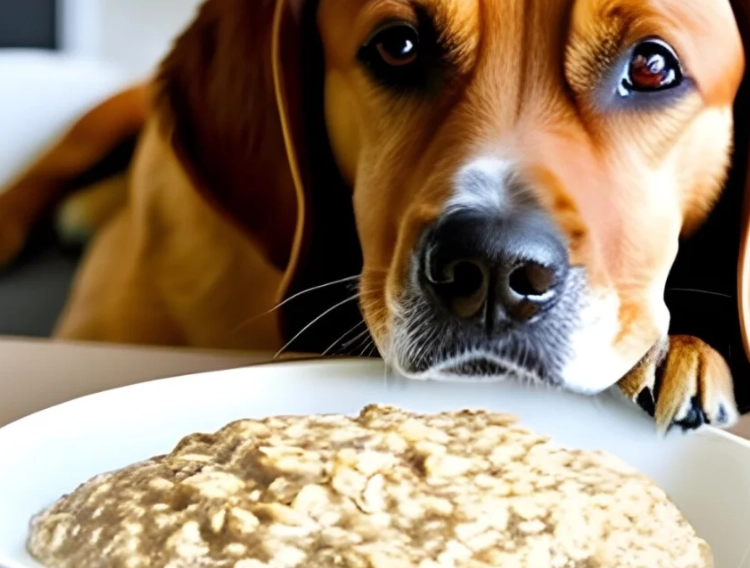
Step 2: The Bland Diet Reintroduction. After the fasting period, if there's been no more vomiting, introduce a bland diet. The classic is boiled, skinless, boneless chicken breast mixed with plain, cooked white rice (a 1:3 ratio of chicken to rice). You can also use lean ground turkey or low-fat cottage cheese. Feed small amounts—like a few tablespoons for a small dog, a half-cup for a larger dog—every 3-4 hours for the first day.
Step 3: The Slow Transition Back. If the bland diet sits well for 24-48 hours, you can start slowly mixing in their regular food over the next 2-3 days. Don't just switch back cold turkey; that's asking for another round of vomiting.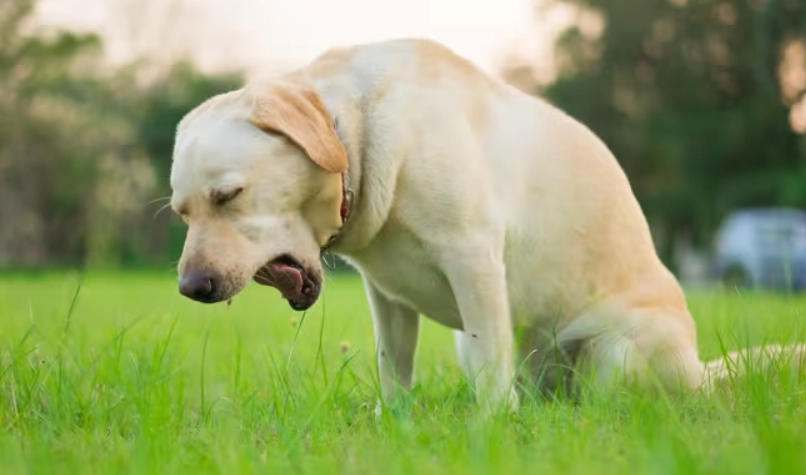
Pro Tip from Experience: Plain canned pumpkin (not pumpkin pie filling!) is a magic ingredient. A teaspoon for small dogs, a tablespoon for big ones, mixed into the bland food. It's full of fiber, which can help soothe the digestive tract and firm up stools if diarrhea is also an issue.
When Home Care Isn't Enough: What the Vet Will Do
If the home care doesn't work, or if your dog had those red flags from the start, the vet visit is crucial. Here's what you can expect. It's not just a shot and send-home.
First, they'll do a thorough physical exam, feeling the abdomen carefully. Then, they'll likely recommend diagnostics. This is where you might get nervous about the cost, but understanding what they're looking for helps.
Diagnostic Tests:
- Bloodwork & Urinalysis: Checks organ function (kidneys, liver, pancreas), looks for signs of infection, dehydration, or metabolic disease. A specific test called a cPLI can check for pancreatitis.
- X-rays: Crucial for looking for foreign body blockages, signs of bloat, or unusual gas patterns in the intestines.
- Ultrasound: Gives a better look at the soft tissues—the texture of the pancreas, the stomach lining, the intestines—to identify inflammation, masses, or subtle foreign material that X-rays might miss.
Common Treatments: Treatment depends entirely on the cause.
- Supportive Care: For gastritis or simple upset, this often includes subcutaneous or IV fluids to rehydrate, anti-nausea injections (like Cerenia or metoclopramide), and sometimes stomach protectants (like famotidine or omeprazole).
- Hospitalization: For serious cases like pancreatitis or a partial blockage, your dog may need to stay on IV fluids, pain medication, and antibiotics.
- Surgery: For a confirmed intestinal blockage, surgery is the only option to remove the object.
Prevention: How to Stop the Yellow Puddle Parade
Once you've dealt with the mess, you'll want to prevent it from happening again. Here are the most effective strategies, ranked by what I've found most useful.
| Strategy | How It Helps | How to Implement It |
|---|---|---|
| Feed Smaller, More Frequent Meals | Prevents the stomach from becoming completely empty, which is the #1 trigger for bile vomiting. | Switch from one large meal to two or even three smaller ones. For severe cases, a late-night small snack can work wonders. |
| Choose a High-Quality, Digestible Diet | Reduces the risk of dietary sensitivity and provides better overall gut health. | Look for diets with a named meat as the first ingredient, moderate fat content, and minimal fillers. The Pet Nutrition Alliance offers tools to evaluate pet foods. |
| Manage Scavenging & Diet Changes | Prevents dietary indiscretion, a major cause of sudden vomiting. | Use trash cans with secure lids. Supervise outdoor time. Introduce any new food over 7-10 days by slowly mixing it with the old. |
| Provide Access to Fresh Water Always | Prevents dehydration, which can worsen any GI issue. | Ensure multiple clean water bowls are available. Consider a water fountain to encourage drinking. |
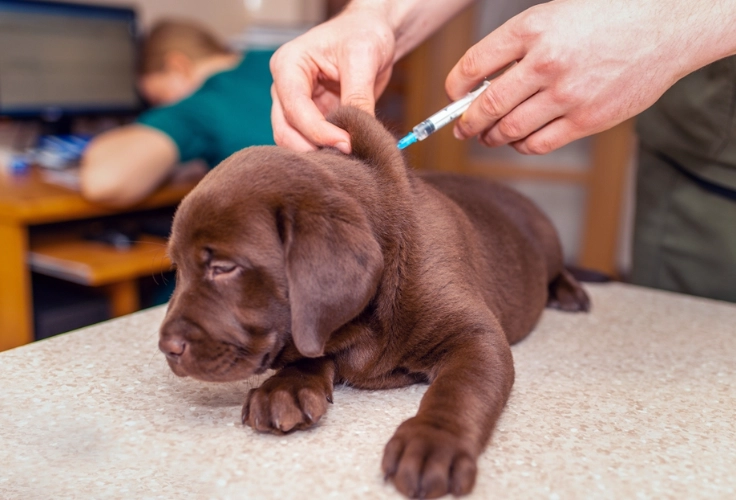
| Regular Vet Check-ups & Parasite Control | Catches underlying issues early and prevents parasites from causing GI upset. | Stick to your annual wellness exams and keep up with monthly heartworm/preventative medications as advised by your vet. |
That last one about diet is huge. I made the mistake years ago with an old dog of mine, suddenly switching to a "premium" high-fat food because it was on sale. Cue a weekend of pancreatitis scares and a massive vet bill. A slow transition is non-negotiable.
Special Considerations: Puppies, Seniors, and Specific Breeds
Not all dogs are the same when it comes to throwing up yellow bile.
Puppies: They have more delicate systems and can dehydrate frighteningly fast. A single episode might be okay if they're bouncing off the walls afterwards, but repeated vomiting in a puppy warrants a same-day vet call. Their curiosity also makes them prime candidates for eating things they shouldn't.
Senior Dogs: In an older dog, new or frequent vomiting is a bigger red flag. It's more likely to be linked to an underlying chronic condition like kidney disease or a metabolic issue. Don't just chalk it up to "old age." Get them checked.
Breed Predispositions: Some breeds are just... prone to tummy troubles. Deep-chested breeds (Great Danes, German Shepherds, Weimaraners) are at higher risk for the deadly GDV/bloat, where unproductive retching is a key sign. Small terriers (like my guy) seem to have cast-iron stomachs for garbage but sensitive ones for empty mornings. Know your dog's tendencies.
Your Questions, Answered (The FAQ Section)
Is it normal for my dog to throw up yellow bile every morning?
Common, but not "normal" in the sense that it's ideal. Frequent morning vomiting of yellow bile is classic Bilious Vomiting Syndrome. It strongly suggests the overnight fast is too long for your dog. The fix is almost always a late-night snack or splitting dinner into two portions.
My dog threw up yellow bile but is acting normal. Should I still worry?
If it's a one-off and they are immediately their usual, hungry, playful self, you can usually monitor at home. Start with the fasting and bland diet protocol. The concern level rises with each additional episode, even if they seem okay in between.
What's the difference between vomiting and regurgitation?
Great question, and vets stress this distinction. Vomiting is active—you'll see heaving, abdominal contractions, and the material is usually digested or liquid (like yellow bile). Regurgitation is passive, almost effortless; the food/water comes back up, often undigested and in a tube shape, usually right after eating. Regurgitation points to issues with the esophagus, not the stomach, and needs vet investigation.
Can anxiety cause a dog to vomit bile?
Absolutely. Stress is a powerful trigger for gastrointestinal upset in dogs (just like in people). A stressed dog may produce more stomach acid or have altered motility, leading to an empty stomach and bile reflux. Separation anxiety, storms, or changes in routine can all be culprits.
Are there any over-the-counter medicines I can give?
I'm going to be very direct here: Do not give human medications without explicit vet instruction. Many are toxic to dogs. For example, Pepto-Bismol contains aspirin derivatives that can be harmful, and Ibuprofen/Tylenol are deadly. The safest course is to call your vet. They may recommend a specific dosage of famotidine (Pepcid AC), but the correct dose depends entirely on your dog's weight and health status.
Wrapping It Up: Trust Your Gut (And Your Vet's)
Dealing with a dog throwing up yellow bile is part of the pet ownership package. Most of the time, it's a minor hiccup—a sign to adjust meal times or keep the trash better secured. You'll clean it up, sigh, and move on.
But I can't stress this enough: your ability to observe your dog is the most critical diagnostic tool. You know their normal. Is that lethargy just post-vomit sleepiness, or is it the profound stillness of pain? Is the single vomit just a blip, or the start of a pattern? When in doubt, err on the side of caution. A call to your vet costs nothing and can provide immense peace of mind or swift action if needed.
The goal isn't to make you paranoid. It's to give you the knowledge to move from panic to a plan. So next time you see that yellow puddle, take a breath. Assess your dog, not just the mess. You've got this.
Final Thought: A healthy dog gut is a happy dog. Paying attention to vomiting episodes, even minor ones, is a key part of proactive healthcare. By understanding why your dog might be throwing up yellow bile, you're not just managing a symptom—you're contributing to their long-term, tail-wagging wellbeing.
Related Articles