What to Give a Dog with an Upset Stomach: Vet-Approved Remedies & Diet Tips
Quick Guide
- First Things First: Is It Really Just an Upset Stomach?
- The Home Remedy Toolkit: What to Give a Dog with an Upset Stomach
- What NOT to Give: The Danger Zone
- Putting It All Together: A Step-by-Step Action Plan
- When Home Care Isn't Enough: The Vet's Role
- Your Questions Answered: The FAQ on Canine Tummy Troubles
Let's be honest, we've all been there. You wake up to that awful sound – your dog retching on the rug at 3 AM. Or you notice they've turned their nose up at breakfast and are looking at you with those sad, uncomfortable eyes. Your first panicked thought is always the same: what on earth can I give a dog with an upset stomach? It's a horrible feeling, seeing your furry friend in distress and not knowing how to help.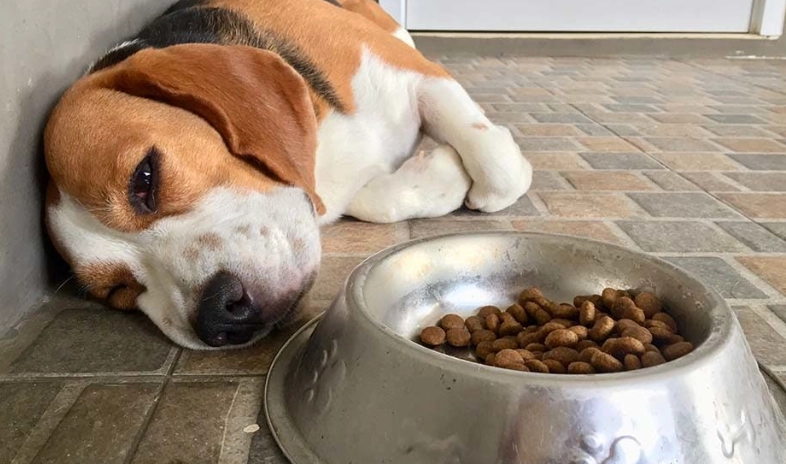
I've been through this more times than I'd like to admit with my own dogs. My Labrador, Luna, seems to have a stomach made of iron until she finds something truly disgusting in the park. Over the years, and after many conversations with my vet, I've learned that the answer isn't just one magic pill or food. It's a process. It's about knowing what's safe, what's effective, and crucially, when to stop trying home remedies and pick up the phone.
This guide isn't just a list of random suggestions. We're going to walk through exactly what you can give a dog with an upset stomach, step by step. We'll cover the simple home remedies that actually work (and why), the bland diet formula that's been a lifesaver in my house, the foods and "remedies" you should absolutely avoid, and the red flags that mean it's vet time. My goal is to give you a clear, practical plan so the next time your dog's tummy is in knots, you can act with confidence instead of panic.
First Things First: Is It Really Just an Upset Stomach?
Before you even think about what to give a dog with an upset stomach, you need to be sure that's what you're dealing with. Sometimes what looks like simple indigestion can be a sign of something more serious. I learned this the hard way when I assumed Luna just ate something weird, but it turned out to be a mild case of pancreatitis.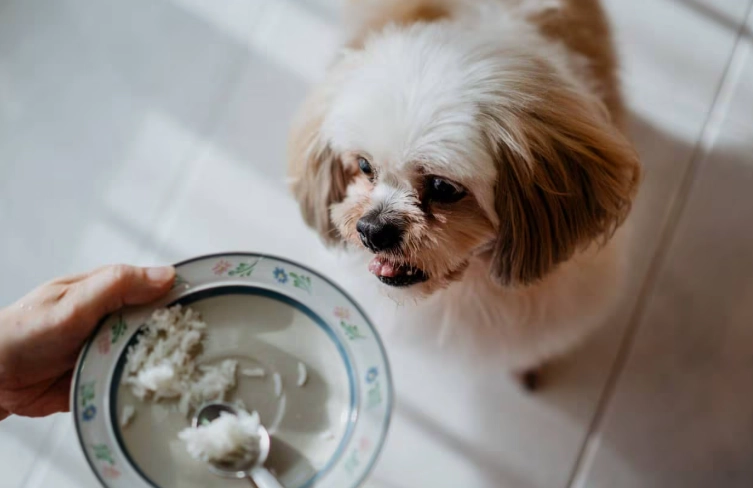
The classic signs of a simple, uncomplicated upset stomach (vets might call it gastroenteritis) include:
- Occasional vomiting: Maybe once or twice. The vomit might contain undigested food, yellow bile (that foamy, yellow stuff), or just clear fluid.
- Soft stool or diarrhea: Not necessarily full-blown, watery disaster, but noticeably looser than usual.
- Decreased appetite: They might skip a meal or just pick at their food.
- Mild lethargy: They're not their usual bouncy self, maybe sleeping a bit more.
- Excessive lip-licking or gulping: Often a sign of nausea.
- Audible gurgling from their belly: That noisy tummy is hard to miss.
Stop everything. Call your vet.
If you see ANY of these signs alongside the stomach issues, do not pass go, do not try home remedies. This is an emergency:
- Vomiting or diarrhea that is persistent (multiple times in an hour or continuing for more than 24 hours).
- Vomiting or diarrhea that contains blood (bright red or dark, coffee-ground-like).
- Signs of severe pain: whining, trembling, a hunched back, or not wanting to be touched.
- Bloating or a distended, hard abdomen. This is a true emergency (GDV/bloat).
- Extreme lethargy or collapse.
- Pale or white gums.
- Suspicion they ingested a toxin (antifreeze, human medication, certain plants, chocolate, xylitol). The ASPCA Animal Poison Control Center is an invaluable resource, but your local emergency vet is the first call.
Assuming your dog is just feeling crummy and not showing those scary signs, let's talk about the initial steps. The most important thing you can give them isn't a food – it's time.
The Rest-and-Fast Method
Vets often recommend a short period of fasting to let the gastrointestinal tract rest and reset. This doesn't mean starving your dog. For adult dogs, withholding food for 12-24 hours is usually safe, provided they have access to small amounts of water. For puppies, small breeds, or dogs with certain health conditions, you should always check with your vet before fasting – they can't handle going without food for long.
I know how hard it is to not feed them when they're looking at you. Luna would give me the full guilt trip. But pushing food on an inflamed gut is like pouring gasoline on a fire. Let it settle first. During this time, focus on keeping them hydrated with small, frequent sips of water. If they can't keep water down, that's another vet sign.
The Home Remedy Toolkit: What to Give a Dog with an Upset Stomach
Okay, the fast is over, or your vet has advised you to try feeding. Now we get to the core question: what to give a dog with an upset stomach? Here are the most common, vet-recommended options. Think of this as your pantry first-aid kit.
The Bland Diet: The Gold Standard
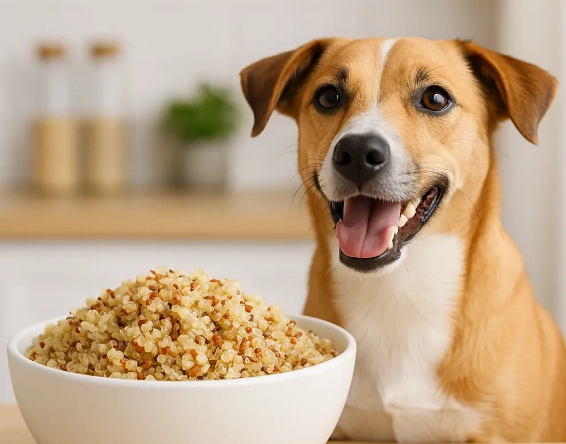
This is the most common and effective answer. A bland diet is exactly what it sounds like – simple, easy-to-digest, low-fat, low-fiber foods that are gentle on the stomach. The classic combo is boiled white meat chicken (no skin, no bones, no seasoning) and plain white rice.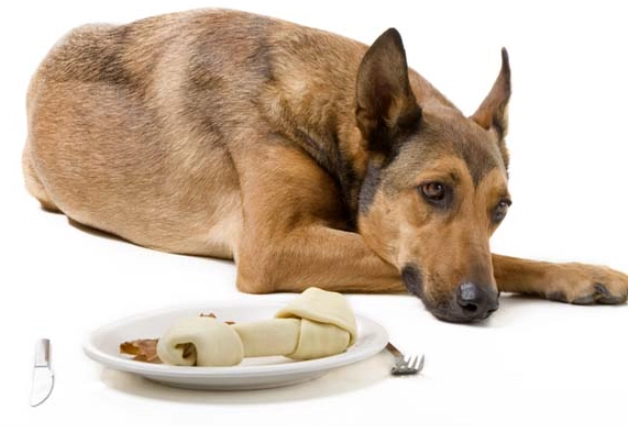
Why it works: The chicken provides easy-to-process protein. The white rice is a binding carbohydrate that helps firm up stools. It's boring, but that's the point. It gives the gut a break from its regular, more complex diet.
Here’s a quick-reference table for preparing and feeding a bland diet. Getting the ratios right matters.
| Ingredient & Prep | Ratio & Serving Size | Feeding Schedule & Transition |
|---|---|---|
| Boiled Chicken: Use breast or thigh, cut into small pieces. Boil in plain water until fully cooked. Shred or chop finely. Plain White Rice: Jasmine or long-grain works well. Cook with extra water so it's slightly mushy. | Start with a 1:2 ratio (one part chicken to two parts rice). For smaller dogs, a few tablespoons total. For larger dogs, maybe 1/2 to 3/4 cup per meal. | Meal 1: Offer a very small amount (a few bites). Wait 1-2 hours. If no vomiting, offer another small meal. Day 1-3: Feed 3-4 small meals daily. Transition: Over 2-3 days, slowly mix in their regular food. |
| Alternative Protein: If chicken doesn't agree with your dog, use extra-lean ground beef (boiled and rinsed to remove fat) or low-fat cottage cheese. Alternative Carb: Plain, boiled potato (no skin) or pasta can work if rice isn't available. | Keep the same 1:2 protein-to-carb ratio. For cottage cheese, use a smaller amount mixed well with the carb. | Same feeding schedule applies. Watch for any worsening of symptoms with the alternative. |
Some dogs, like mine, get bored of chicken and rice fast. If they turn their nose up, try mashing it together with a fork or warming it slightly to enhance the smell. The goal is to get them to eat something gentle.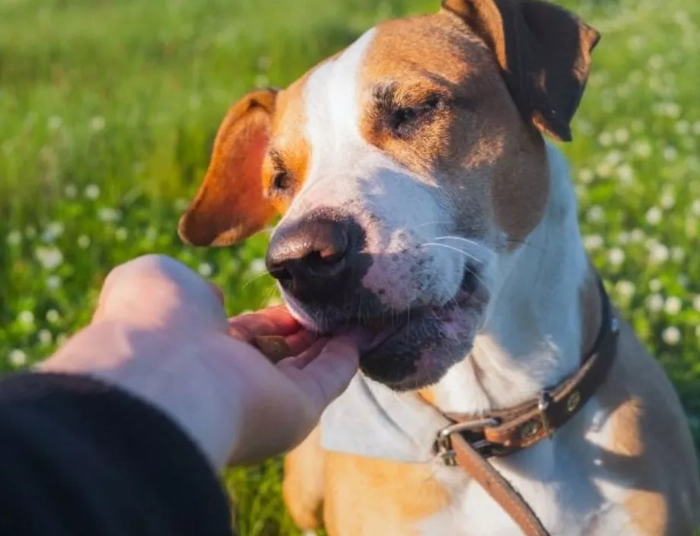
Other Soothing Foods and Supplements
Beyond the bland diet, a few other items can be helpful allies.
- Plain, Canned Pumpkin (100% pure): This is a superstar. Not pumpkin pie filling! The plain, pureed stuff. It's a great source of soluble fiber, which can help absorb excess water in the gut to firm up diarrhea, and also add bulk to stools if they're a bit too soft. A teaspoon for small dogs, a tablespoon for large dogs, mixed into their bland diet. A word of caution – too much can have the opposite effect and cause more looseness.
- Plain Yogurt or Probiotics: The goal here is to replenish the good gut bacteria. Plain, unsweetened yogurt with live active cultures can help. So can canine-specific probiotic supplements. I've found the supplements to be more reliable, as the strain and dose are designed for dogs. Research from institutions like the Texas A&M School of Veterinary Medicine supports their use for digestive health.
- Bone Broth: A warm, homemade bone broth (low-sodium, no onions or garlic!) is fantastic for hydration and enticing a dog with no appetite. It provides electrolytes and is easy on the stomach. Let it cool and skim off any fat before offering.
- Electrolyte Replenishment: For mild dehydration from diarrhea, an unflavored pediatric electrolyte solution (like Pedialyte) can be offered in small amounts. Always dilute it 50/50 with water first.
A quick personal tip: I keep a can of plain pumpkin and a packet of plain boiled chicken in the freezer for just these occasions. It saves a lot of panic-cooking at midnight.
What NOT to Give: The Danger Zone
This is just as important as knowing what to give. In your desire to help, you might reach for something that makes things worse. I've made some of these mistakes myself early on.
Never give these to a dog with an upset stomach:
- Over-the-counter human medications like Pepto-Bismol, Imodium (loperamide), or aspirin without explicit vet instruction. Doses are wildly different for dogs, and some ingredients (like salicylates in Pepto) can be toxic. Imodium can be deadly for some herding breeds. Just don't.
- Dairy products (other than small amounts of plain yogurt or cottage cheese). Milk, cheese, ice cream – most dogs are lactose intolerant to some degree, and dairy will almost certainly worsen diarrhea.
- Fatty, rich, or spicy foods. This seems obvious, but no table scraps, greasy burgers, or buttered toast. Fat is very hard on an inflamed pancreas and gut.
- High-fiber foods like bran or raw vegetables. You want to soothe, not scrub the intestines.
- Bones, rawhides, or hard chews. Their digestive system is already irritated. The last thing it needs is a difficult-to-process foreign object.
Putting It All Together: A Step-by-Step Action Plan
Let's synthesize everything. Here’s what a typical 24-48 hour plan looks like when you're figuring out what to give a dog with an upset stomach.
Hour 0-12 (The Assessment & Rest Phase):
- Remove all food. Offer small amounts of fresh water frequently.
- Observe closely. Are they keeping water down? Are they getting worse or showing any red flags?
- If symptoms are mild and they're stable, proceed. If in doubt, call your vet.
Hour 12-24 (The Reintroduction Phase):
- Prepare a small amount of bland diet (e.g., 2 tbsp chicken + 4 tbsp rice for a medium dog).
- Offer it. If they eat and keep it down for 1-2 hours, offer another small meal.
- If they vomit again, go back to fasting and call the vet.
- If all is well, continue with 3-4 small bland meals throughout the day. You can add a teaspoon of pumpkin or a probiotic to one meal.
Day 2-3 (The Recovery & Transition Phase):
- Continue bland meals. Stools should start to firm up.
- On day 3, start mixing their regular kibble into the bland food. 75% bland / 25% regular for one meal, then 50/50, then 25/75 over the next day or two.
- Once they're back on 100% regular food with normal stools, you're in the clear.
When Home Care Isn't Enough: The Vet's Role
Sometimes, despite your best efforts, you need professional help. And that's okay. It doesn't mean you failed. Vets have tools and diagnostics we don't. If your dog's upset stomach persists beyond 48 hours of home care, or if it's severe from the start, the vet might:
- Provide anti-nausea injections (like Cerenia) to stop the vomiting cycle immediately. These are a game-changer.
- Prescribe a prescription gastrointestinal diet. These are scientifically formulated to be even more digestible and soothing than a home-made bland diet. Hills I/D or Purina EN are common ones.
- Run tests to rule out parasites, bacterial infections, pancreatitis, or foreign bodies. The American Veterinary Medical Association (AVMA) provides good overviews of these conditions.
- Administer subcutaneous or IV fluids to combat dehydration, which is the biggest danger with prolonged vomiting/diarrhea.
Don't feel guilty about going to the vet. It's the responsible choice when you're out of your depth.
Your Questions Answered: The FAQ on Canine Tummy Troubles
The Bottom Line: Knowing what to give a dog with an upset stomach is about having a calm, methodical plan. Start with rest and water. Progress to a simple bland diet of chicken and rice. Use pumpkin and probiotics as helpful aids. Know the danger signs that require a vet. And above all, be patient. Their little systems need time to heal. With this guide, you're equipped to handle the next bout of tummy troubles not with panic, but with purpose.
I hope this takes some of the fear out of those messy, worrying moments. It's all about being prepared. Now, go give your pup a gentle belly rub (if they'll allow it!), and maybe check that the pumpkin is in stock in your pantry.
Related Articles