Large Domestic Cat Breeds Guide: Top Giants for Your Home
You know that feeling when a regular-sized cat curls up on your lap? It's cozy. Now imagine a cat the size of a small dog doing the same thing. That's a whole different level of warmth—and sometimes, a bit of a leg-numbness situation. I remember the first time I met a friend's Maine Coon. I walked in, saw this enormous, fluffy creature lounging on the couch, and my first thought was, "Is that a cat or a lynx?" That's the magic of large domestic cat breeds. They're impressive, often gentle, and they fill up a space in your home and heart in a uniquely substantial way.
But here's the thing a lot of people don't talk about. Owning a big cat isn't just about having more fluff to pet. It's a commitment to a larger appetite, bigger litter boxes, and a pet that might just think it's a dog in a cat's body. If you're dreaming of a feline companion with a bigger presence, you're in the right place. Let's cut through the fluff (well, some of it) and talk realistically about what it means to live with these magnificent animals.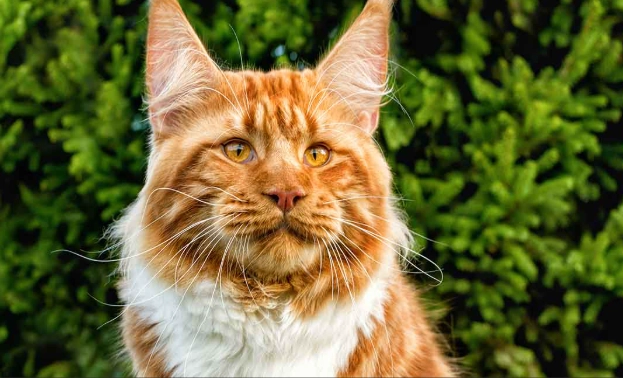
Quick Reality Check: "Large" or "giant" in the cat world is relative. We're not talking wildcat hybrids here, but selectively bred domestic cats that consistently tip the scales well above your average 10-pound house cat. Think 15 pounds and up, with some breeds regularly hitting 20 pounds or more for males. And it's not just weight—it's bone structure, length, and overall presence.
Top Contenders: The Most Popular Large Domestic Cat Breeds
So, which breeds actually make the list? You've probably heard of a few, but some might surprise you. It's not just about the Maine Coon, though they're certainly the poster child. The world of big domestic cats has some fascinating variety.
The Undisputed Heavyweight: Maine Coon
Let's start with the celebrity. The Maine Coon is often the first breed that comes to mind for anyone searching for large domestic cat breeds. Native to the United States (Maine, to be precise), these cats are built for cold winters. They have long, water-resistant coats, enormous tufted ears, and a bushy, raccoon-like tail. Males can easily reach 13-18 pounds, with some outliers pushing past 20.
Their personality is a huge part of their appeal. They're famously gentle, patient, and often described as "dog-like." Many enjoy playing fetch, following their people from room to room, and some don't even mind water. They tend to be chatty, but not in an annoying yowl—more of a chirpy, trilling conversation. I've heard owners say their Maine Coon greets them at the door. The downside? That glorious coat needs regular grooming to prevent mats, and they do shed. A lot. You'll need a good vacuum.
A friend's Maine Coon, Leo, has this habit of sitting upright like a meerkat, watching everything. It's simultaneously majestic and hilarious. They're not lazy lap cats; they're involved family members who want to supervise all activities.
The Stripped-Down Powerhouse: Savannah Cat
Now, this is where things get exotic. The Savannah is a hybrid breed, a cross between a domestic cat and the serval, a wild African cat. This results in a tall, lean, and strikingly spotted cat with massive ears. They are long and leggy, often measuring significantly in height at the shoulder, which makes them feel enormous even if their weight (12-25 pounds) is comparable to a hefty Maine Coon.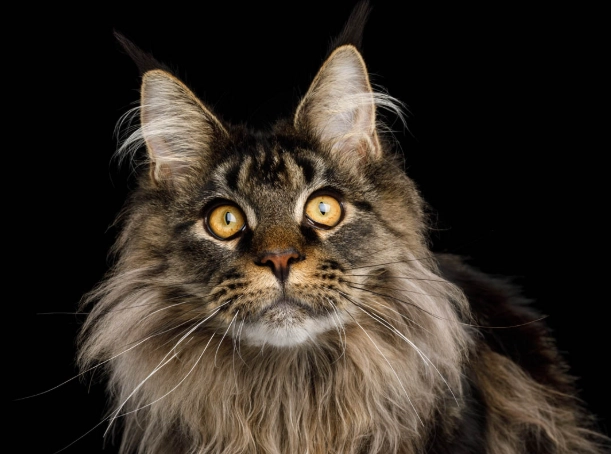
Owning a Savannah is not for beginners. Their energy levels are through the roof. They are incredibly intelligent, curious, and need massive amounts of interaction and space. Many can be trained to walk on a leash. They form very strong bonds but can be aloof with strangers. A key point: ownership laws for Savannahs vary widely by location, especially for the earlier generations (F1, F2) that have a higher percentage of wild blood. Always, always check your local regulations. The International Cat Association (TICA) has breed standards, but local laws trump breed registries.
Honestly, while they're breathtaking, I'd caution most people against a Savannah unless they have serious experience with active, demanding animals. They're more like a lifestyle than a pet.
The Gentle, Floppy Companion: Ragdoll
If the Savannah is a sports car, the Ragdoll is a plush, comfortable recliner. Bred for their docile temperament, Ragdolls are large, semi-longhaired cats with stunning blue eyes and a color-point pattern (darker face, ears, tail, and paws). They are heavy-boned and muscular, with males typically weighing 15-20 pounds.
Their name comes from their tendency to go completely limp and relaxed when picked up—like a ragdoll. They are the ultimate lap cats, craving human contact and often being described as "puppy-cats." They are quiet, gentle, and not particularly jumpy or destructive. This makes them fantastic for families and quieter homes.
The catch? Their laid-back nature means they shouldn't be outdoor cats, as they often lack strong defensive instincts. They also require regular grooming. But if you want a big, fluffy, loving companion to binge-watch TV with, a Ragdoll is a top contender.
The Spotted Sweetheart: Bengal
Bengals often get lumped in with large domestic cat breeds, but it's a bit of a misnomer. They are medium to large, but it's their athletic, muscular build and boundless energy that makes them feel bigger than life. Developed from crosses with the Asian leopard cat, Bengals are famous for their gorgeous, glittered spotted or marbled coats that feel like silk.
They are not couch potatoes. A Bengal needs engagement—puzzle toys, cat trees to the ceiling, interactive play sessions. They are clever, vocal, and can be mischievous if bored. Many love water. They form strong bonds but on their own terms; they're affectionate but rarely clingy. They're a fantastic choice for someone who wants the look of a wild cat with a (mostly) predictable domestic temperament, but you must be ready to meet their need for activity.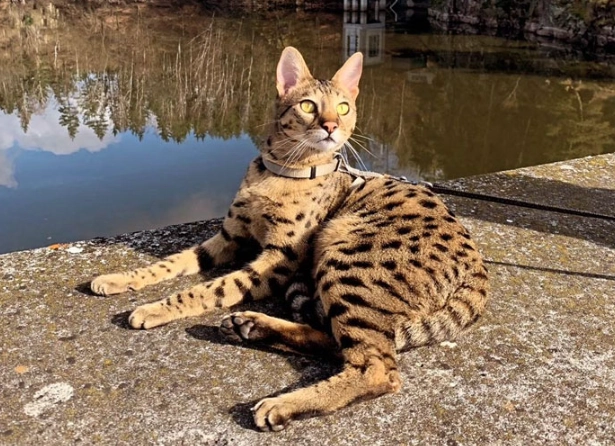
Pro Tip: When researching Bengal breeders, prioritize those who focus on temperament. The beauty of the coat is secondary to a stable, friendly personality. A nervous or high-strung Bengal in a typical home is a recipe for stress—for both the cat and you.
The Strong, Silent Type: Norwegian Forest Cat
Think of the Norwegian Forest Cat as the Maine Coon's Scandinavian cousin. They share similarities: a long, thick double coat for harsh climates, tufted ears and toes, and a robust build. "Wegies," as they're affectionately called, are powerful climbers with strong hind legs. Males typically range from 13-22 pounds.
Their personality is often a bit more independent and reserved than the outgoing Maine Coon. They are calm, sweet, and observant. They enjoy being near their people but aren't always in-your-face about it. They tend to be quiet and have a gentle chirp. Their coat, while magnificent, is designed to be relatively low-maintenance for a longhair; the outer guard hairs resist matting, but they still need weekly brushing, especially during seasonal sheds.
The Charming Chunk: British Shorthair
Don't let the "shorthair" fool you. The British Shorthair is a dense, compact, and powerfully built cat. They have a broad chest, thick legs, and a famously round face and eyes. They are not tall or leggy, but they are incredibly solid. Males usually weigh 12-18 pounds, but it's a very dense 18 pounds—they feel like a sack of potatoes when you lift them.
Their temperament is wonderfully easygoing. They are calm, undemanding, and possess a dignified independence. They're affectionate but not needy, making them great for people with busy schedules. They are also one of the healthier purebreds with a long lifespan. They are the epitome of a low-drama, large companion. Just be prepared for some serious shedding from that dense undercoat.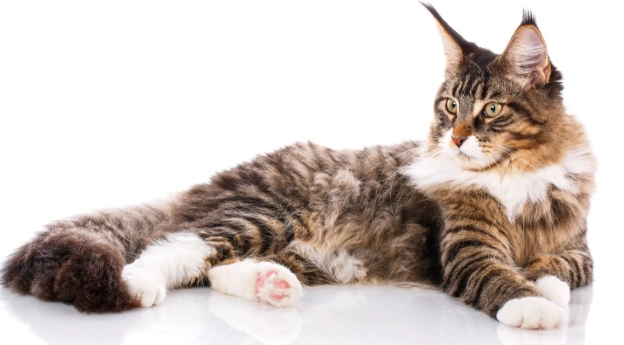
See what I mean? The term "large" covers a lot of ground, from the lanky Savannah to the cobby British Shorthair.
Large Breed Comparison at a Glance
This table should help you see the key differences side-by-side. Remember, these are averages—individual cats will always have their own quirks!
| Breed | Average Weight (Male) | Coat Type | Energy Level | Key Personality Trait | Good For First-Time Owners? |
|---|---|---|---|---|---|
| Maine Coon | 13-18 lbs (up to 25+) | Long, shaggy, silky | Moderate to High | Gentle, dog-like, social | Yes, with grooming commitment |
| Savannah (F4-F7 gens) | 12-25 lbs | Short, spotted | Very High | Energetic, intelligent, curious | No (best for experienced owners) |
| Ragdoll | 15-20 lbs | Semi-long, plush | Low to Moderate | Docile, affectionate, relaxed | Yes |
| Bengal | 10-15 lbs (muscular) | Short, sleek, glittered | Very High | Active, playful, mischievous | Maybe, if very active |
| Norwegian Forest Cat | 13-22 lbs | Long, dense double coat | Moderate | Calm, sweet, independent | Yes |
| British Shorthair | 12-18 lbs (very dense) | Short, dense, plush | Low | Easygoing, dignified, quiet | Yes |
| Siberian | 15-20 lbs | Long, triple coat | Moderate | Friendly, playful, dog-like | Yes |
| Chausie (F4+) | 15-25 lbs | Short, ticked | Very High | Athletic, loyal, needs space | No |
See? Weight alone doesn't tell the whole story.
How to Choose the Right Large Breed Cat For You
It's tempting to just pick the prettiest one. I get it. That smoky Bengal or that lion-like Maine Coon is stunning. But this is a 15-20 year commitment. Choosing based on looks alone is like marrying someone just for their hair. It might work out, but it's a risky strategy.
Lifestyle Match is Everything
Be brutally honest with yourself.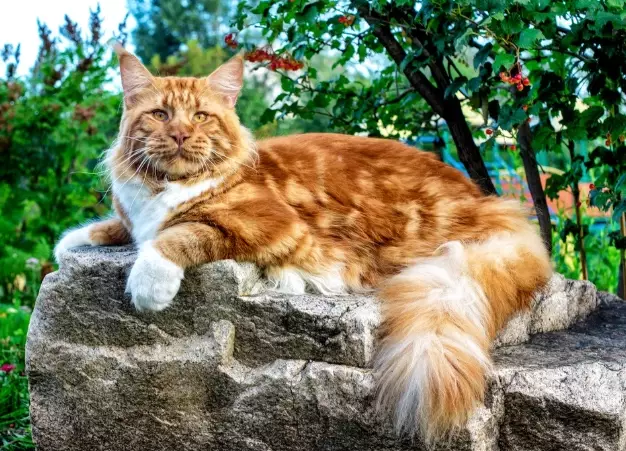
- How active are you? A Bengal or Savannah will demand hours of interactive play daily. A British Shorthair or Ragdoll will be content with shorter sessions and more lounging.
- How much space do you have? Big cats need room to stretch, run, and climb. A tall, sturdy cat tree is non-negotiable for most. Small apartments can work, but you must be diligent about vertical space and enrichment.
- How much time do you have for grooming? That glorious long coat on a Maine Coon or Norwegian Forest Cat needs a 20-30 minute brush session several times a week. Miss a few sessions, and you're looking at painful mats. Shorthaired large domestic cat breeds like the British Shorthair still shed and need weekly brushing.
- Who lives with you? Ragdolls and Maine Coons are typically fantastic with gentle children and other pets. Some breeds can be more aloof or have a lower tolerance for chaos.
I made the mistake once of adopting a highly active, intelligent mixed-breed (part something wild, I swear) while living in a small apartment with a busy job. The cat was bored. I was stressed. We rehomed him to a family with a farm, and he's now living his best life chasing bugs in a field. It was the right decision for him, but it hurt. Match the energy.
The Health and Longevity Factor
This is a critical, often overlooked part of choosing any purebred animal. Large domestic cat breeds can be predisposed to certain health conditions.
- Hypertrophic Cardiomyopathy (HCM): This is a common heart disease in cats. Maine Coons and Ragdolls have known genetic predispositions. Reputable breeders will screen their breeding cats for this. You MUST ask for proof of parental HCM screening (echocardiograms from a cardiologist, not just vet stethoscope exams). The Cornell Feline Health Center is an excellent resource for understanding this condition.
- Hip Dysplasia: Yes, cats get it too, especially large breeds like Maine Coons. It can lead to arthritis and pain.
- Spinal Muscular Atrophy (in Maine Coons): A genetic test exists for this.
- PK Deficiency (in Bengals & Savannahs): A genetic test also exists for this anemia-related disorder.
A good breeder will be transparent about health testing.
You should budget for larger everything: bigger portions of high-quality food, larger (and often more) litter boxes (the rule is one per cat plus one extra, and a big cat needs a big box), and potentially higher veterinary costs for conditions like arthritis later in life. Pet insurance for a purebred, large cat is something I'd strongly consider.
Caring for Your Gentle Giant: A Practical Guide
Okay, you've chosen your breed and found a responsible source (please, adopt or go to a reputable breeder, never a pet store). Now what? Life with a giant cat has some specific logistics.
Nutrition: Fueling a Big Engine
Big cats need more calories, but it's about quality, not just quantity. Look for foods with high-quality animal protein as the first ingredient. Kittens of large domestic cat breeds often need to stay on kitten food longer (up to 12-15 months) to support their slower, extended growth period. Obesity is a serious risk for large, less active breeds like British Shorthairs and Ragdolls. You must monitor their weight and adjust portions. A vet can help you determine a body condition score.
Some large breeds, like Maine Coons, can be prone to dental issues. Discuss dental care (water additives, dental diets, brushing) with your vet early on.
Grooming: It's a Bonding Session, Not a Chore
For longhaired giants, grooming is non-negotiable preventative healthcare. Mats pull on the skin, cause pain, and hide skin problems. Get them used to brushing as kittens. You'll need a sturdy metal comb and a slicker brush. Make it positive—treats, calm talking. It's our time to chat and check for any lumps, bumps, or parasites.
Even shorthaired large breeds benefit from weekly brushing to reduce shedding and hairballs. Those big tongues swallow a lot of hair.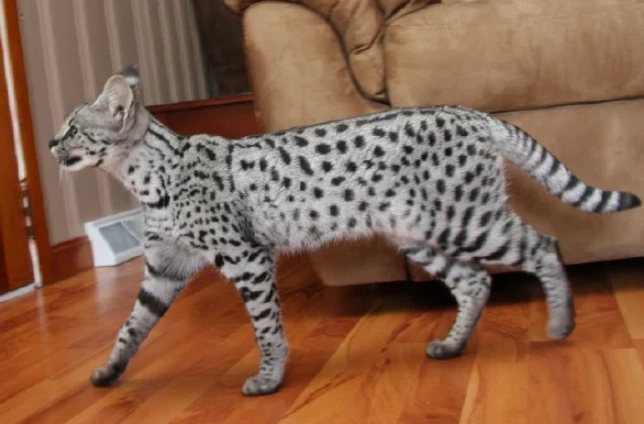
Environment: Think Big
- Litter Box: Get the biggest, deepest box you can find. Many owners of large cats use concrete mixing tubs from hardware stores. They're cheap, huge, and have high sides. Your cat needs to be able to turn around comfortably. A cramped box is the number one reason for inappropriate elimination.
- Cat Trees & Scratching Posts: Flimsy, small cat trees will topple. Invest in a floor-to-ceiling model or a very sturdy, wide-based one. Scratching is essential for claw health and stress relief. Provide horizontal and vertical options.
- Beds & Perches: They like to be up high. Window perches need to be extra sturdy. Beds should be roomy.
- Toys: Larger, sturdier toys. Feather wands with strong poles. A flimsy toy will be destroyed in seconds by a powerful cat.
Health & Veterinary Care
Establish a relationship with a vet experienced with large breeds or at least familiar with breed-specific concerns. Annual check-ups are crucial. Be proactive about joint health, especially as they age. Supplements like glucosamine/chondroitin or omega-3s can be discussed with your vet. Keep them at a healthy weight to minimize stress on joints and heart.
Your Large Cat Questions, Answered
Q: Are large domestic cat breeds good with kids?
A: Generally, yes, but it depends more on the individual cat's personality and the breed's typical temperament. Breeds like Ragdolls, Maine Coons, and British Shorthairs are known for their patience. However, no cat should be left unsupervised with very young children who might not understand how to interact gently. Always teach kids to respect the cat's space.
Q: Do they live shorter lives because they're bigger?
A: Not necessarily. While giant dog breeds often have shorter lifespans, many large domestic cat breeds can live 12-15 years or longer with excellent care. Some, like the British Shorthair, are known for robust health and longevity. The key is responsible breeding for health and proactive veterinary care.
Q: How much more does it cost to own a large cat?
A: Expect higher costs across the board: more food, larger supplies (carriers, beds, litter boxes), more litter, and potentially higher medication doses if needed. Pet insurance premiums may also be higher. It's not double, but it's a noticeable increase over a standard-sized cat.
Q: Can I let my large cat go outside?
A: This is a hotly debated topic. For their safety from cars, diseases, other animals, and humans, keeping cats indoors is widely recommended by veterinarians and animal welfare groups like the ASPCA. This is especially true for valuable or distinctive-looking purebreds. If you want to provide outdoor access, a secure "catio" or supervised harness training is the safest bet.
Q: Are male cats always bigger than females?
A: In most large domestic cat breeds, yes, there is significant sexual dimorphism. Males can be 30-50% larger than females in both bone structure and weight. If you're particularly concerned about managing size, a female might be a slightly more manageable choice, though she will still be a large cat.
Bringing a large breed cat into your home is a joy, but it's a joy with bigger hairballs, a more substantial purr, and a heart to match. Do your homework, be honest about your lifestyle, and find a cat whose personality fits your home. Whether it's the playful shadow of a Bengal or the tranquil presence of a Ragdoll, one of these gentle giants might just be the perfect, oversized piece your family is missing.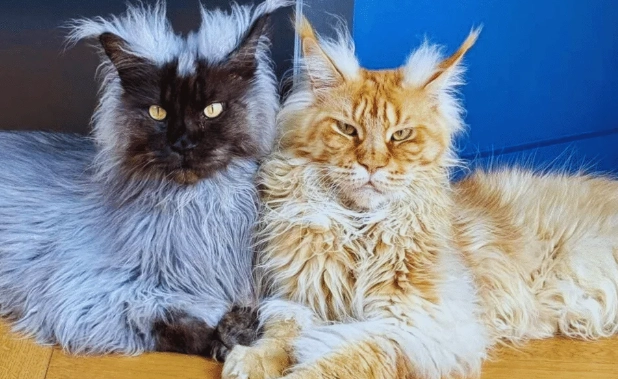
Just make sure your couch is sturdy.