Can Dogs Eat Avocado? The Complete Safety Guide for Pet Owners
You're making guacamole, and a piece of avocado falls on the floor. Your dog's nose is instantly there, eyes pleading. Or maybe you're just curious about sharing your healthy snack. It's a common scene in kitchens everywhere, which is why so many people end up searching "can dogs eat avocado" online. The short, direct answer isn't a simple yes or no. It's more of a "proceed with extreme caution, and honestly, probably don't." Let's cut through the noise and get into the real, practical details you need to keep your pup safe. I remember the first time I looked this up myself. The information was all over the place. Some sources screamed danger, others said a little was fine. It was confusing. After digging into veterinary resources and talking to pros, the picture became clearer, but also more nuanced than I expected. The core of the issue is a natural fungicidal toxin called persin. It's present throughout the avocado plant, but its concentration varies wildly depending on the part of the plant and the type of avocado. Persin is the main culprit when we talk about avocado toxicity. It's not a manufactured chemical; it's the plant's own defense mechanism. For many animals—horses, birds, rabbits—persin is highly toxic and can cause serious heart and lung issues. Dogs and cats are somewhat more resistant, but "more resistant" doesn't mean "safe." It just means the dose required to cause problems is higher. The problem is, we rarely know what that dose is for an individual dog. Think about it like this. Some people have severe peanut allergies, others don't. You wouldn't know until there's a reaction. With persin, it's a bit similar. The sensitivity can vary from dog to dog. A small piece might give one dog an upset stomach, while another might be fine. But why risk finding out the hard way? And then there's the physical hazard. The pit is large, hard, and oval. It's a major choking risk and, if swallowed, can cause a life-threatening intestinal blockage that requires emergency surgery. I've heard vets talk about this more often than you'd think. A dog sees the pit as a toy or a treat, and next thing you know, you're at the animal ER. If you suspect your dog has eaten a problematic amount of avocado—especially the skin, pit, or leaves—you need to know the symptoms. These usually appear within 6 to 24 hours. Don't wait for all of them to show up. If you see even one or two, especially after known ingestion, it's time to call your vet or an emergency pet poison hotline. Panicking doesn't help. But acting quickly does. Have your vet's number and the number for a service like the ASPCA Animal Poison Control Center (888-426-4435) saved in your phone. It's one of those things you hope to never use, but you'll be glad you have it. This is where the debate gets heated. The flesh of the Hass avocado (the most common kind in supermarkets) is considered to have very low levels of persin. Some dog food and treat companies even use avocado oil or meal as a source of healthy fats. The FDA regulates pet food, and these products are formulated to be safe. Does that mean the raw flesh from your kitchen is safe? Not necessarily. The keyword is low level, not no level. Furthermore, avocado flesh is very high in fat. A sudden intake of rich, fatty food is a prime cause of pancreatitis in dogs—a painful and serious inflammation of the pancreas. Symptoms of pancreatitis look a lot like general gastrointestinal upset: vomiting, severe abdominal pain, and lethargy. So, you're potentially facing a double whammy: a possible reaction to persin and a high risk of pancreatitis from the fat. Is that a gamble worth taking for a bite of avocado? Personally, I don't think so. The potential downsides far outweigh any perceived benefit. I strongly advise against it. But I also know some owners are determined to share a tiny taste. If you fall into that category, and your dog has no history of pancreatitis or sensitive stomach, here are the non-negotiable rules. Treat these as absolute laws, not suggestions. See? It's a lot of rules and worry for one tiny bite. Makes you wonder if it's even worth the hassle. This is a great question and a common point of confusion. You might see "avocado oil" or "avocado meal" on a bag of high-end dog food. How can that be safe if avocado is risky? The distinction is important. Reputable pet food companies use processed avocado derivatives, not raw avocado. Avocado oil is extracted from the flesh and is typically free of persin, which is not fat-soluble. Avocado meal is usually made from the flesh after the oil is pressed out. These ingredients are used for their nutritional benefits—healthy fats, vitamins—in carefully controlled, minute amounts that have been tested for safety in the final formulation. This is completely different from you handing your dog a chunk of raw avocado from your salad. The dose, the preparation, and the context are all controlled in commercial food. It's a good example of how "the dose makes the poison." Still, if your dog has a known sensitivity, you might want to avoid foods with these ingredients. Always check with your vet about the best diet for your individual pet. Stay calm. Your first step is to assess the situation. Quickly try to figure out what they ate and how much. Scenario 1: They ate a small piece of flesh. For a medium or large dog, the risk is low. Remove any remaining avocado from reach. Watch them closely for the next 24 hours. Provide plenty of fresh water. You likely don't need to panic, but keep an eye out. Scenario 2: They ate the skin, a significant amount of flesh, or (especially) the pit. This is more serious. Time is important. Have your dog's weight handy when you call. It's the single most important factor in determining toxicity risk. Why even bother with the avocado risk when there's a whole world of delicious, dog-safe fruits out there? These are treats I use with my own dog, and he goes crazy for them. Remember, treats (even healthy ones) should make up no more than 10% of your dog's daily calories. Always introduce new foods slowly and in small amounts. Here’s a quick comparison of some top choices. Notice avocado isn't on this list for a reason. See? So many better options. You can even make frozen "pup-sicles" with banana and blueberries. Get creative with the safe stuff. I get it. You still have questions. Here are the ones I see most often, answered as plainly as I can. Look, at the end of the day, we all want to share our lives—and sometimes our food—with our dogs. It comes from a place of love. But part of loving them is making the safest choices for their health, even when it means saying no to those begging eyes. When you ask "can dogs eat avocado," the most responsible answer is a firm recommendation to avoid it. The potential for gastrointestinal distress, pancreatitis, or even a dangerous blockage from the pit is real. With a fantastic array of perfectly safe, healthy, and delicious fruit alternatives available, there's simply no compelling reason to include avocado in your dog's diet. Stick with the blueberries, the apple slices, the watermelon. Your dog will love them just as much, and you'll have the peace of mind knowing you're giving them a treat that's truly good for them, without the hidden risks. That's a win-win in my book.Quick Guide to This Article
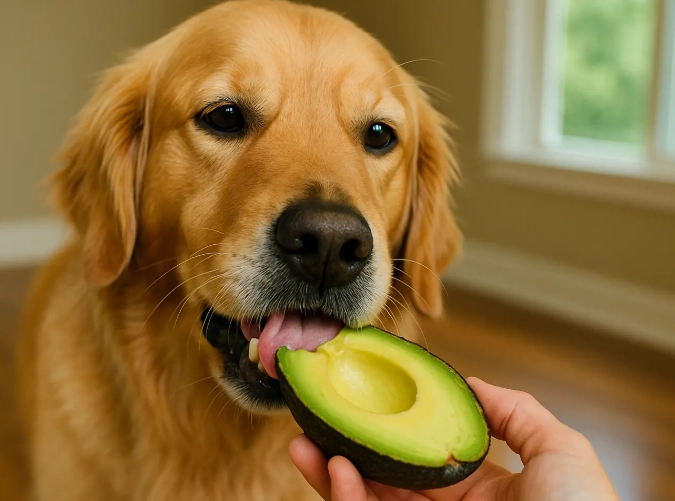
Why Avocado Poses a Risk to Dogs: The Persin Problem
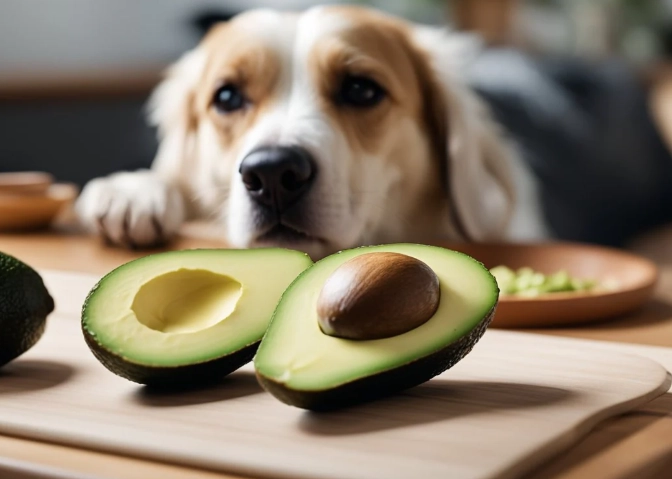
Signs of Avocado Poisoning in Dogs: What to Watch For
So, Can Dogs Eat Avocado Flesh? The Murky "Maybe"
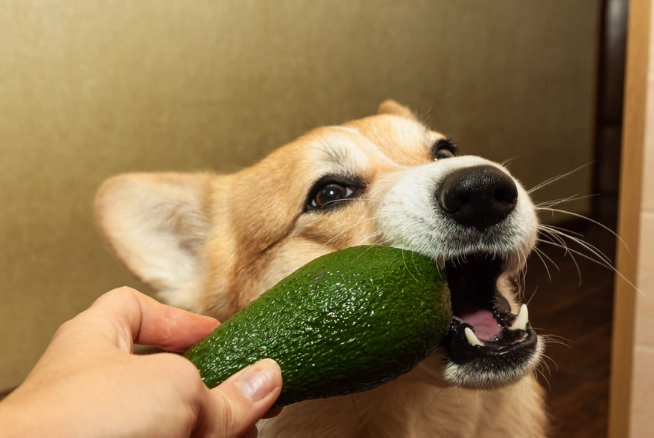
A Practical Guide: If You *Must* Give a Tiny Bit
What About Avocado in Commercial Dog Food

What To Do If Your Dog Eats Avocado
Safer, Healthier Fruit Alternatives to Avocado
Fruit Key Benefits How to Serve Safely My Dog's Verdict Blueberries Antioxidants, low calorie, high fiber. Fresh or frozen (great for teething). A handful for a big dog, a few for a small one. Loves them frozen. Treat-dispensing toy favorite. Apple Slices Vitamins A & C, fiber for digestion. Core removed (seeds contain cyanide), no stem. Slice into manageable pieces. Crunchy texture is a hit. A classic for a reason. Watermelon Hydrating, vitamins A & C, very low calorie. Seedless or seeds removed. Rind removed (can cause upset stomach). Summer favorite. The juicy mess is worth it. Banana Potassium, vitamins, fiber. High in sugar. Small slices only, as an occasional treat. Goes bananas for it (pun intended). Very high-value treat. Pumpkin (canned, plain) Excellent for digestion (fiber), low calorie. NOT pie filling. Plain, pure pumpkin. A spoonful mixed in food. Magic for tummy troubles. Eats it without noticing it's healthy. Your Avocado & Dog Questions, Answered (FAQ)