Long Haired Cat Breeds: Complete Guide to Grooming, Care & Choosing Your Fluffball
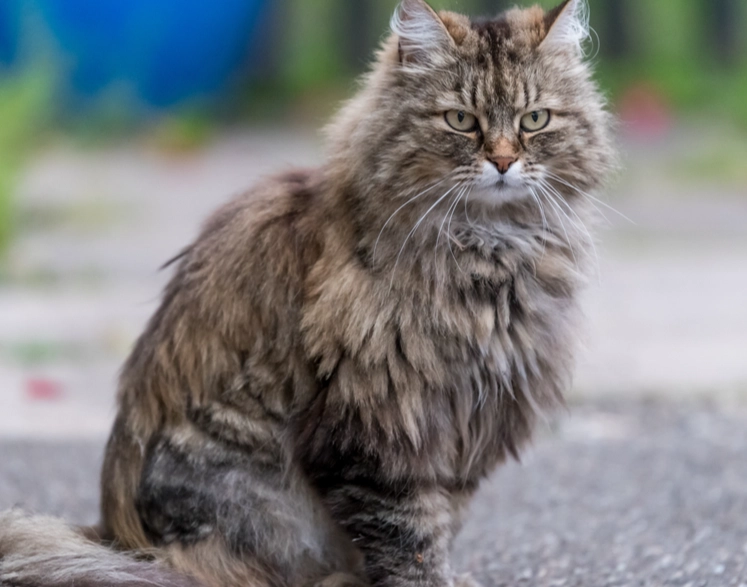
Let's be honest, a big part of the appeal is that glorious, luxurious fur. There's nothing quite like sinking your fingers into the plush coat of a Persian or watching a Maine Coon's tail float behind them like a banner. I get it. My first cat as an adult was a semi-longhair mix I found shivering in a parking lot, and untangling his matted fur became a bizarrely therapeutic weekend ritual. But here's the thing nobody tells you right away: that beautiful fur is a commitment. A serious, daily, sometimes-frustrating commitment. This isn't meant to scare you off. Owning one of the many wonderful long haired cat breeds has been one of the most rewarding experiences of my life. But I wish someone had sat me down with a brutally honest guide before I brought him home. That's what this is. We're going to look past the Instagram glamour shots and talk about what it's really like. We'll cover the most popular breeds, but more importantly, we'll dive into the nitty-gritty of care, the hidden costs, and how to pick a feline friend whose personality matches their fabulous fluff. Not all long hair is created equal. This was my first mistake. I thought "long hair" meant one thing. It doesn't. The texture, density, and undercoat vary wildly between breeds, and it completely changes the grooming game. Some cats, like the Persian, have a dense, fine, cottony coat that mats if you so much as look at it funny. Others, like the Maine Coon, have a more silky, water-resistant coat with a lighter undercoat that's surprisingly manageable. Then you have the Norwegian Forest Cat with its downright weatherproof double coat designed for Scandinavian winters. Knowing what you're dealing with is step one. The point is, when you're researching long haired cat breeds, don't just look at the pictures. Dig into the specifics of their coat type. Your future self, armed with a brush, will thank you. Let's meet some of the usual suspects. I've put together a quick comparison table to give you the lay of the land, but remember, every cat is an individual. These are generalizations. See what I mean? The range is huge. A Birman is a world away from a Persian in terms of daily upkeep. Now, let's get personal about a couple of them. Persians are the quintessential long haired cat breed. They're stunning. They're also, in my opinion, one of the most challenging for the average owner. It's not just the grooming, which is a massive undertaking. It's their flat faces. That cute smooshed face (brachycephaly) can lead to real problems: chronic tear staining that needs daily wiping, potential breathing difficulties, and dental issues because their jaw is compacted. Reputable breeders work to minimize this, but it's a structural reality of the breed. The Cat Fanciers' Association (CFA), a major breed registry, has extensive breed standards and health information that detail these points. Before falling for a Persian's looks, spend an hour reading breeder forums about eye cleaning and sinus care. If you have the time, patience, and budget for potential vet bills, a Persian can be a wonderfully loving, serene companion. They're not for everyone, and that's okay. Maine Coons are having a moment, and for good reason. They break a lot of "cat" stereotypes. Many love to play fetch, follow their people from room to room, and greet guests at the door. Their size is impressive (males can easily hit 18+ pounds), but it's all fluff and big bones—they're not usually fat cats. Their coat, while long, is more forgiving. It's silky and tends to shed dirt. The main tasks are preventing mats in the "feathers" behind their legs and managing the incredible amount of fur they shed, especially in spring and fall. A good vacuum is a Maine Coon owner's best friend. The International Cat Association (TICA) provides great resources on breed characteristics, including their polydactyl (extra-toed) variations which are common and accepted in the breed. My friend has two, and her biggest complaint isn't the grooming—it's that they are too social. They demand to be involved in everything, from work Zoom calls to using the bathroom. If you want an independent cat that ignores you, look elsewhere. This is the core of it. You can't have a long haired cat and skip grooming. Neglect leads to mats, which are not just unsightly. They pull on the skin, cause pain, restrict movement, and can harbor moisture and bacteria leading to skin infections. Severe matting often requires the cat to be completely shaved under sedation, which is stressful, expensive, and avoidable. Start young, be patient, and use treats. Always. What about baths? Most cats don't need them. But for some white-coated long haired cat breeds or if they get into something nasty, you might have to. Use a cat-specific shampoo, prepare everything in advance (towels, dryer on low setting), and be quick. It's usually a two-person job. The fur is the headline, but there's a whole article underneath. Hairballs. They will happen. Long haired cat breeds ingest a lot of fur. Regular brushing is the best prevention. You can also talk to your vet about hairball control diets or supplements like petroleum-based gels or malt-flavored pastes. I've found that a little bit of plain canned pumpkin (not pie filling) mixed into food helps move things along, too. Litter Box Logistics. This is a big one. Long fur around the hindquarters can trap litter—and worse. Many owners of long haired cats opt for a sanitary trim (a neat shave of the fur around the rear end). It's not glamorous, but it's hygienic. Also, consider a top-entry litter box or one with very high sides to contain scatter, and use a dust-free, clumping litter that's less likely to stick. Diet Matters. A healthy coat starts from the inside. Look for high-quality cat food with good protein sources and fats like omega-3 and omega-6 fatty acids. A shiny, strong coat is a sign of good health. The ASPCA has a useful overview of feline nutrition basics that's worth a read. Exercise & Enrichment. A bored cat is a cat that over-grooms, leading to mats and bald spots. Make sure your fluffy friend has plenty to do: cat trees for climbing, puzzle feeders, and interactive play with wand toys. This is especially important for intelligent, active long haired cat breeds like the Maine Coon. Let's tackle some of the things people are secretly Googling. This is the most important section. Be brutally honest with yourself. Do you have 10-15 minutes a day? That's the minimum for a quick comb-through for most breeds. Persians need more. Are you patient and gentle? Grooming can be frustrating when you hit a tough mat. You can't lose your temper. What's your budget? Can you handle the extra costs for tools, potential groomer visits, and possibly higher vet care? What's your lifestyle? Do you travel a lot? A long haired cat needs consistent care. A pet sitter might need specific grooming instructions. Why do you really want one? If it's solely for the looks, please reconsider. The beauty is a bonus, not the foundation. The foundation is a commitment to care for a living being with very specific needs. If you've read all this, weighed the pros and cons, and your heart is still set on a fluffy companion, then you're probably on the right track. You're going in with your eyes open. That's the best first step any potential pet owner can take. Start by researching reputable breeders who prioritize health and temperament, or check shelters and breed-specific rescues—you'd be surprised how many purebred and mix-breed longhairs end up there. Ask questions, meet the cats, and find your perfect, fluffy match. Good luck. And stock up on lint rollers. You're going to need a whole warehouse of them.Your Fluffy Companion Guide
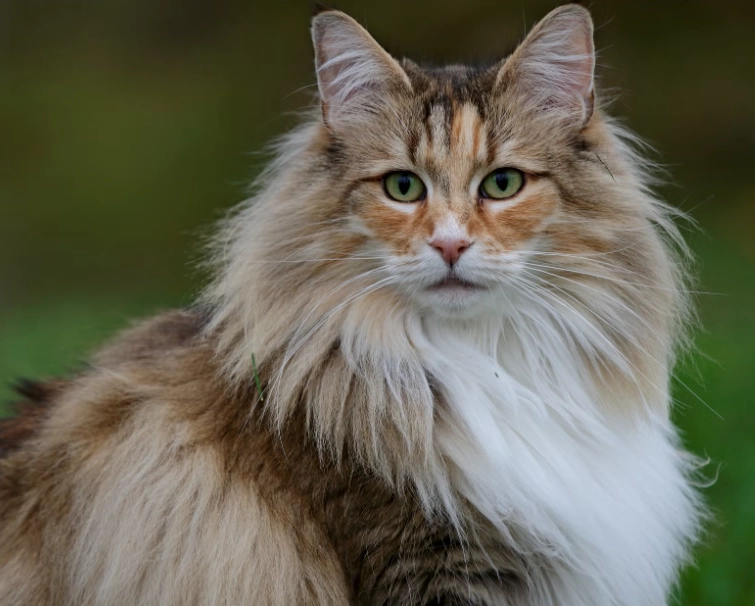
More Than Just a Pretty Coat: Understanding the Fluff
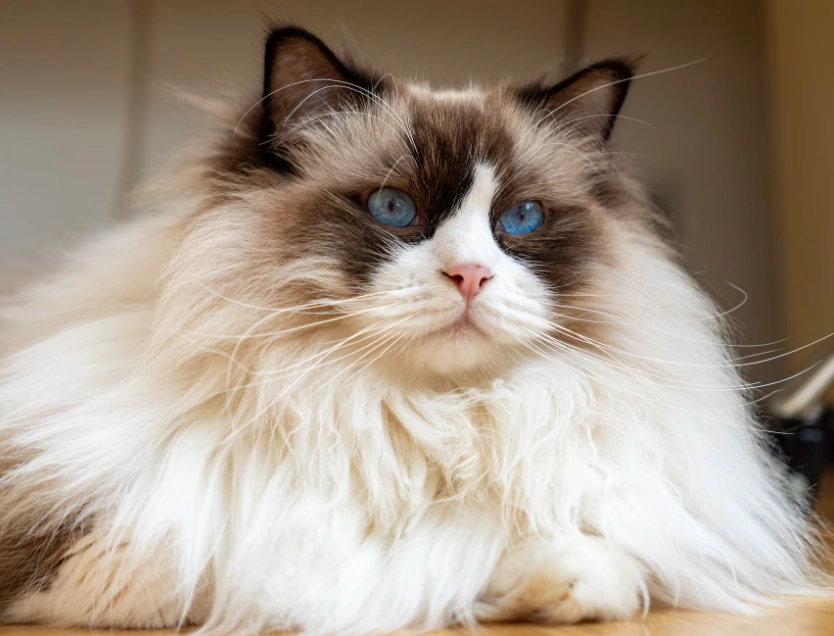
A Spotlight on Popular Long Haired Cat Breeds
Breed
Coat Type & Key Feature
Personality Vibe
Grooming Demand
Good for First-Timers?
Persian
Extremely long, thick, fine. Often has a huge ruff (mane). Flat face (brachycephalic).
The ultimate lap cat. Calm, quiet, sweet-tempered. Not a jumper or climber.
Very High. Daily brushing is non-negotiable to prevent severe mats.
Not really. The grooming and potential health issues are a lot.
Maine Coon
Long, silky, shaggy. Heavy undercoat. "Pantaloons" on hind legs. Tufted ears.
The gentle giant. Playful, dog-like, intelligent. Often enjoys water.
Moderate to High. Weekly brushing usually suffices, but more during shedding seasons.
Yes, if you have space. Their easygoing nature can offset the grooming.
Ragdoll
Medium-long, plush, silky. Minimal undercoat. Color-point pattern (darker face/paws).
Famous for going limp when held. Affectionate, relaxed, people-oriented.
Moderate. Their single coat mats less easily. A few times a week is often enough.
Often recommended. Their laid-back personality is beginner-friendly.
Norwegian Forest Cat
Long, dense double coat. Woolly undercoat, water-resistant topcoat. Bushy tail.
Sweet but independent. Athletic climbers with a history as working cats.
Moderate to High. Heavy seasonal shedding ("blowing coat").
Maybe. They need vertical space and can be reserved.
Birman
Medium-long, silky. Single coat with minimal matting. White gloves on paws.
Gentle, quiet, and social. Often forms a strong bond with one person.
Moderate/Low. One of the easier longhaired coats to maintain.
Yes. Their manageable coat and sweet disposition are a great combo.
Himalayan
Essentially a color-point Persian. Has the same long, thick coat and flat face.
Persian-like: calm, sweet, placid. A bit more playful than some Persians.
Very High. All the grooming needs of a Persian.
See Persian. High maintenance.
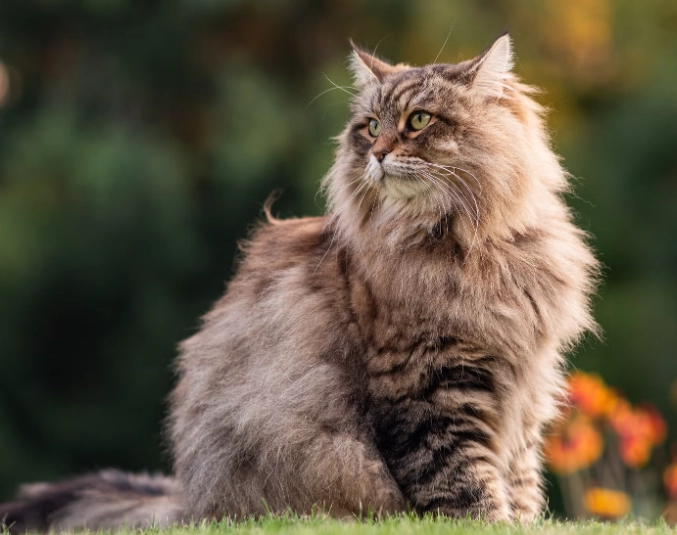
The Persian: Living Artwork or High-Maintenance Roommate?
The Maine Coon: Why Everyone Loves the Gentle Giant
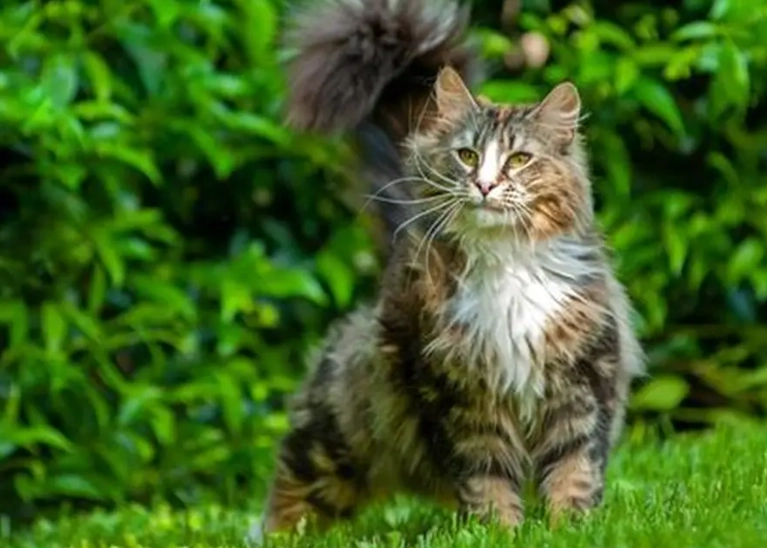
The Non-Negotiables: Grooming Your Long Haired Cat
Your Essential Grooming Toolkit
The Step-by-Step Brushing Session (That Won't End in Bloodshed)

Beyond the Brush: Health and Lifestyle Considerations
Answering Your Big Questions (The FAQ)
- Start-up Grooming Kit: $50-$100 for good tools.
- Regular Grooming: If you use a professional groomer every few months for a bath and tidy-up, that's $80-$150 per session.
- Higher-Quality Food: For skin/coat health, maybe $10-$20 more per month.
- More Litter: You might go through it faster trying to keep things clean.
- Potential Vet Costs: For issues related to matting, hairballs, or breed-specific problems (e.g., Persian respiratory issues).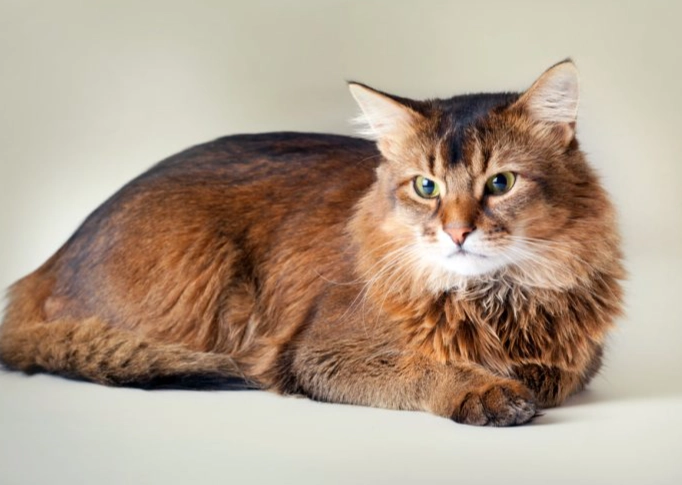
Making the Choice: Is a Long Haired Cat Breed Right for YOU?
