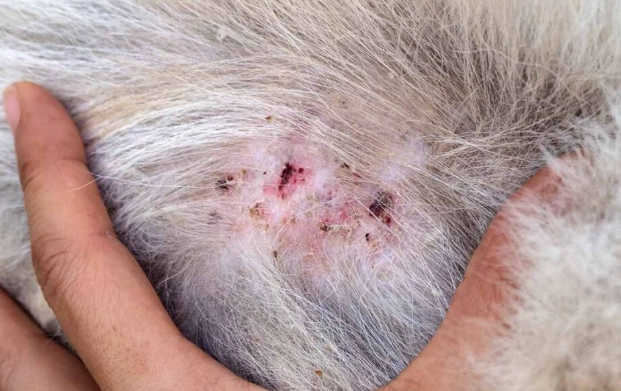
Skin Allergies in Dogs: A Complete Guide to Causes, Symptoms & Treatment
If you're here, you've probably spent nights listening to the relentless *lick, lick, scratch, scratch* coming from your dog's bed. You've seen the red paws, the bald patches, the constant ear shaking. It's heartbreaking, and frankly, exhausting. Dog skin allergies aren't just a minor inconvenience; they're a chronic, inflammatory condition that destroys your dog's quality of life. I've seen it firsthand in my clinic for over a decade. The good news? You can manage this. But you need to move beyond guesswork and understand what's really happening. Let's be clear: most internet advice stops at "try a new food" or "give them Benadryl." That's like putting a band-aid on a broken pipe. We're going deeper. Your dog's immune system is overreacting. It's identifying harmless substances as dangerous invaders and launching an attack. This releases histamines and other chemicals that cause intense itching. The main culprits fall into three categories, and many dogs suffer from more than one. This is the most common allergy worldwide. It's not the flea bite itself, but an allergic reaction to proteins in flea saliva. The crazy part? A single flea bite can cause a reaction that lasts for days or even weeks in a sensitive dog. You might not even see fleas on your dog because they groom them off, but the damage is done. Year-round, rigorous flea prevention is non-negotiable for any itchy dog. Think of this as canine hay fever, but instead of sneezing, the reaction happens in the skin. Triggers include pollen (trees, grasses, weeds), mold spores, and dust mites. This one is often genetic. Breeds like Bulldogs, French Bulldogs, Westies, and Retrievers are predisposed. Symptoms often start seasonally but can become year-round as the dog reacts to more allergens. This is the most over-diagnosed and under-diagnosed allergy at the same time. Only about 10% of all allergic skin disease in dogs is due to food. The most common triggers? Proteins. Beef, dairy, chicken, and wheat top the list. It's important to note that a food allergy is different from a food intolerance (which usually causes digestive upset). A true food allergy causes an immune response, leading to itchy skin, often around the face, paws, and rear end. Itching is the headline symptom, but the story has many subplots. Look for these signs, especially in combination. A dog named Bailey comes to mind. His owner was sure it was a food allergy because his paws were so red. But when we mapped his symptoms—spring/summer onset, itchy armpits, recurrent ear infections—environmental allergens were the prime suspect. We confirmed it with testing. There's no single magic test. Diagnosis is a process of elimination, a detective story where you and your vet are the detectives. Step 1: The Rule-Outs. Your vet will first rule out other causes of itchiness that look like allergies. This includes parasites (sarcoptic mange, demodex), yeast or bacterial infections (which are often secondary to allergies), and hormonal issues like hypothyroidism. Skin scrapes, cytology, and basic blood work are standard here. Step 2: The Flea Trial. Before anything else, your dog must be on a prescription-grade, veterinary-recommended flea control every single month, without fail, for at least 3 months. I don't care if you never see a flea. Do this. It's the easiest variable to control. Step 3: The Food Trial (Elimination Diet). This is the gold standard for diagnosing food allergies, and most people do it wrong. You must feed a diet with a novel protein (one your dog has never eaten, like kangaroo, venison, or duck) or a hydrolyzed protein diet (where the proteins are broken down so small the immune system can't recognize them). This diet is all your dog eats for 8-12 weeks. No treats, no flavored medications, no table scraps. If the itch improves significantly, you've likely found a contributor. Step 4: Testing for Environmental Allergies. If fleas and food are ruled out, the likely culprit is atopy. You can confirm and identify specific triggers through: Treatment isn't one-size-fits-all. It's a multi-modal approach tailored to your dog's specific triggers and severity. To stop the suffering and break the scratch cycle: After a decade, I see the same patterns. Mistake 1: The Food Hop. Trying six different over-the-counter "limited ingredient" diets in as many months. These diets often have cross-contamination with common allergens during manufacturing. If you're doing a food trial, you must use a therapeutic diet recommended by your vet and stick with it for the full 8-12 weeks. Mistake 2: Skipping Parasite Control. "But my dog is indoors!" Fleas get inside. "I don't see any fleas!" You won't, on an allergic dog. Use a vet-recommended product year-round. Full stop. Mistake 3: Treating the Infection, Not the Allergy. Your vet prescribes antibiotics and antifungals for a hot spot or ear infection, and the itch goes away... until it comes back a month later. The infection was secondary. You must address the primary allergy that created the environment for the infection to thrive. Mistake 4: Delaying a Dermatology Referral. If your general practice vet is struggling to get the allergies under control after a few months, ask for a referral to a board-certified veterinary dermatologist. They are specialists for a reason. They have more tools and deeper knowledge. It's not a failure on your part or your vet's; it's getting the right expert on the case. My dog is itchy after flea treatment. Could it be an allergy? It's possible, and it's a frustrating situation many owners face. The issue might not be the flea treatment itself, but an ingredient in the topical solution or oral medication. Some dogs react to carrier agents or inactive ingredients. More commonly, intense itching after flea treatment signals a severe flea allergy dermatitis (FAD). The treatment kills the fleas, but the allergic reaction to the flea saliva already injected can rage on for days. You need to break the itch-scratch cycle with vet-prescribed anti-itch medication, not just assume the treatment failed and reapply it, which can lead to toxicity. What human allergy medicine can I give my dog for itchy skin? This is where many well-meaning owners make a dangerous mistake. You should not give your dog any human allergy medication like Benadryl (diphenhydramine), Claritin (loratadine), or Zyrtec (cetirizine) without explicit dosing instructions from your veterinarian. The safe dose for dogs is weight-specific and often different from human doses. Some formulations contain decongestants (like pseudoephedrine) that are highly toxic to dogs. Even if you get the drug right, antihistamines are notoriously ineffective for managing most environmental allergies in dogs long-term. They might take the edge off a mild reaction, but they're a band-aid, not a cure, and self-medicating delays proper diagnosis. How long does it take for a food allergy to clear up in dogs? Patience is non-negotiable. After starting a strict elimination diet with a novel protein or hydrolyzed food, you might see some improvement in gastrointestinal symptoms within a few weeks. However, for skin symptoms like itching, redness, and ear infections to fully resolve, it typically takes a minimum of 8 to 12 weeks. The old allergens and their inflammatory byproducts need to clear the system, and the skin barrier needs time to heal. The most common reason food trials "fail" is owner non-compliance—giving treats, flavored medications, or chews that contain the allergen. One slip-up can restart the clock. Are dog skin allergies seasonal or year-round? It depends entirely on the trigger. Allergies to pollen (tree, grass, weed) are usually seasonal, flaring in spring, summer, or fall. Mold allergies can be worse in damp seasons. However, many dogs with environmental allergies (atopy) are allergic to multiple things, including indoor allergens like dust mites and mold spores, which are present year-round. This often leads to a pattern of seasonal peaks on top of a constant, low-level baseline of itchiness. Food allergies and flea allergies are typically non-seasonal and persistent as long as the dog is exposed to the trigger. The journey with a dog with skin allergies is a marathon, not a sprint. It requires partnership with your vet, careful observation, and systematic troubleshooting. Don't settle for just masking the itch. Find the root cause. When you see your dog finally sleep peacefully through the night, free from the urge to scratch, every step of the process will have been worth it.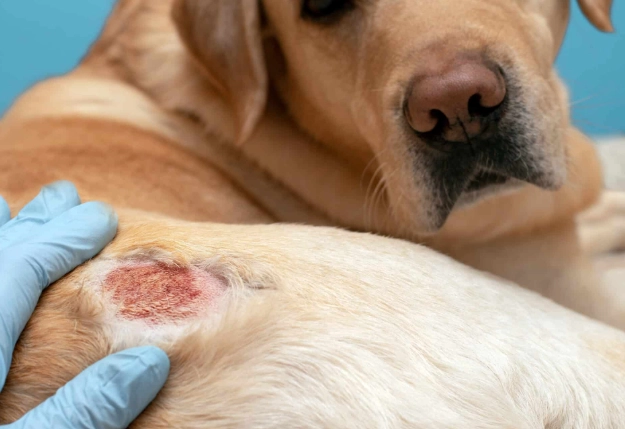
What You'll Find in This Guide
What Actually Causes the Itch? The Big Three Triggers
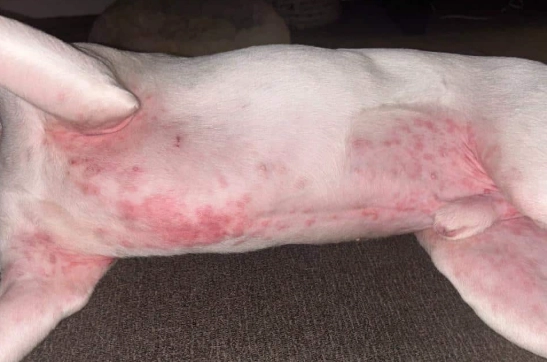
1. Flea Allergy Dermatitis (FAD)
2. Environmental Allergies (Atopic Dermatitis)
3. Food Allergies
Spotting the Symptoms: It's More Than Just Scratching
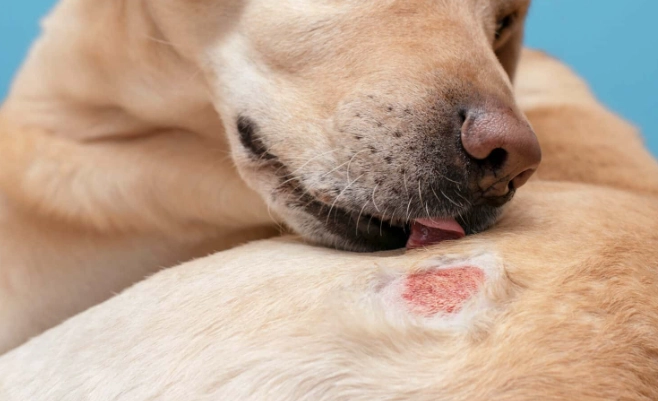
Symptom
What It Looks Like
Common Locations
Excessive Licking/Chewing
Saliva-stained fur (red-brown), especially on paws. Raw, pink skin between toes.
Paws, wrists, ankles
Recurrent Ear Infections
Shaking head, scratching ears, dark discharge, foul odor. This is a HUGE red flag for allergies.
Ear canals
Hot Spots
Sudden, moist, red, painful, oozing lesions. They can appear literally overnight from intense scratching.
Cheeks, neck, hips, base of tail
Skin Changes
Redness (erythema), darkening of the skin (hyperpigmentation), thickening (lichenification).
Armpits, groin, around eyes, between toes
GI Upset
Occasional vomiting, loose stools, or increased gas. More linked to food allergies.
-
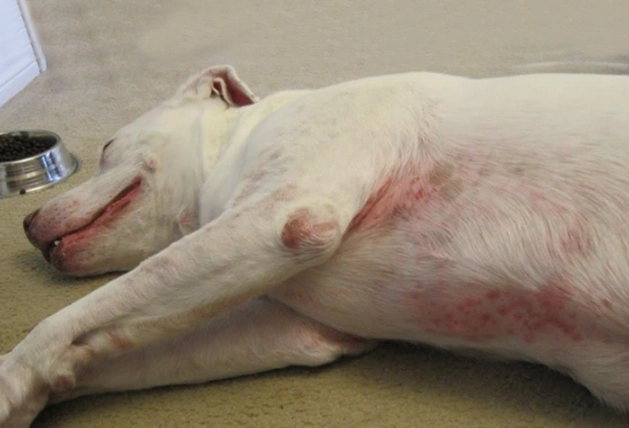
How to Diagnose Skin Allergies in Dogs: A Step-by-Step Guide
- Intradermal Skin Testing: The gold standard. Small amounts of allergens are injected into the skin to see which cause a reaction. Done by veterinary dermatologists.
- Serum Allergy Testing: A blood test that measures antibodies to specific allergens. More convenient but can have false positives.
Treatment Options: From Management to Long-Term Relief
Immediate Itch Relief
- Prescription Medications: Apoquel (oclacitinib) and Cytopoint (lokivetmab) are monoclonal antibody injections) are modern, targeted drugs that block specific itch pathways. They are game-changers for rapid relief with fewer side effects than old-school steroids.
- Corticosteroids: Like prednisone. Highly effective and cheap, but long-term use can cause serious side effects (increased thirst, hunger, weight gain, risk of diabetes). Best for short-term flare-ups.Long-Term Management Strategies
Common Mistakes Owners Make (And How to Avoid Them)