The Nebelung Cat: Complete Breed Guide, Personality & Care Tips
Quick Guide
- Where Did the Nebelung Cat Breed Come From? A Modern Fairy Tale
- Nebelung Cat Personality: The Shy Shadow That Becomes Your Shadow
- The Nebelung Look: That Famous Coat and More
- Caring for Your Nebelung: Grooming, Health, and Daily Life
- Finding a Nebelung Kitten or Cat: A Responsible Journey
- Is the Nebelung Cat Breed Right for You? The Final Checklist
- Common Questions About Nebelung Cats
Let's be honest, when you first see a picture of a Nebelung cat, you probably think, "Wow, that's a stunning Russian Blue with a fancy haircut." I thought the same thing years ago when I first stumbled upon the breed. But after spending a weekend catsitting for a friend who owns one (a serene fellow named Smokey), and then diving deep into research, I realized there's a whole lot more to this breed than just a pretty, long-haired coat. They're like the quiet, thoughtful intellectuals of the cat world – not always the first to greet you at the door, but profoundly loyal once you're in their circle.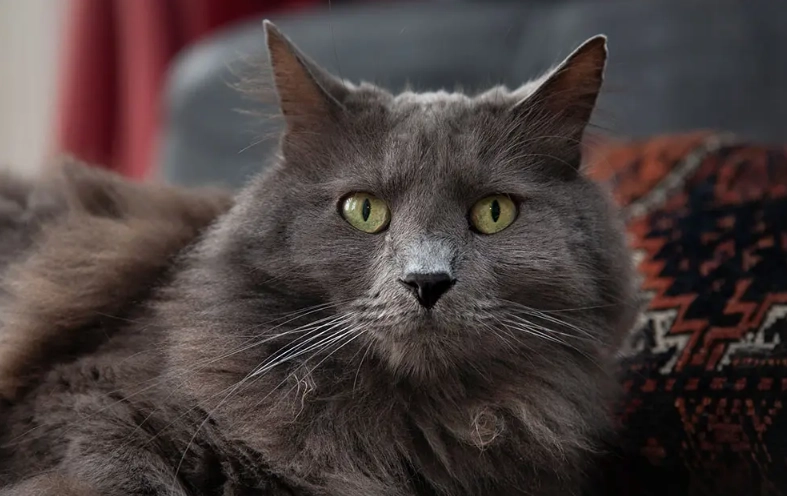
The name "Nebelung" (pronounced NEH-beh-loong) comes from the German word for "creature of the mist" or "fog," which is just about the most perfect description for their silvery-blue, semi-longhaired fur. It has this ethereal, shimmering quality. But what's it actually like to live with one? Are they just aloof shadows, or affectionate companions? How much grooming does that gorgeous coat really need? If you're considering welcoming one of these blue-gray beauties into your home, or you're just fascinated by rare cat breeds, you've come to the right place. We're going to strip away the mist and look at everything you need to know.
Quick Take: The Nebelung is a relatively new and uncommon breed, developed in the 1980s. They are essentially the long-haired version of the Russian Blue, sharing that breed's iconic green eyes, gentle temperament, and stunning blue coat. They are known for being reserved with strangers, deeply devoted to their chosen family, and surprisingly playful in a quiet, elegant way.
Where Did the Nebelung Cat Breed Come From? A Modern Fairy Tale
Unlike many ancient breeds, the Nebelung's origin story is specific and quite recent. It all started in the early 1980s with a black domestic shorthair named Elsa. Elsa had a litter of kittens, and one of them, a male, was born with a stunning blue-gray coat. This cat, named Siegfried, found a home with a computer programmer named Cora Cobb. Cora was captivated by Siegfried's appearance.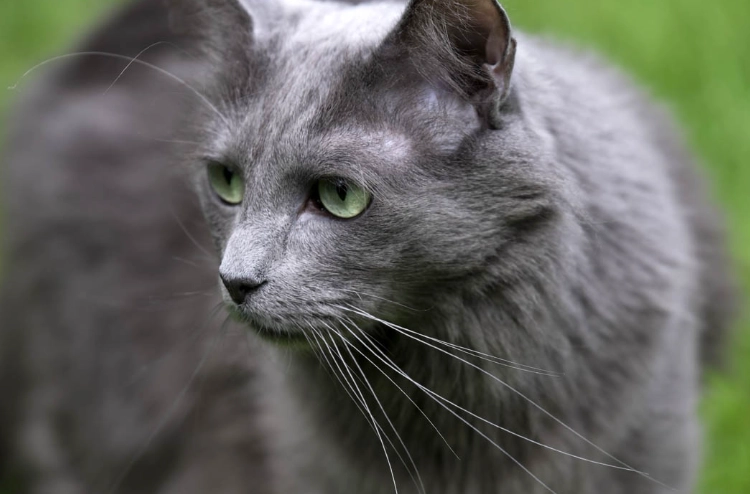
Later, Elsa had another litter, this time sired by a Russian Blue-like cat. From this litter came a beautiful blue female kitten named Brunhilde. Cora Cobb adopted her too, recognizing the unique potential. When Siegfried and Brunhilde were mated, their kittens consistently displayed the long, silky blue coats, green eyes, and graceful build. Cobb saw she had something special – a consistent, reproducible type.
She named the new breed "Nebelung" after the Germanic Nibelungenlied epic, linking Siegfried and Brunhilde to the legendary heroes. She then worked tirelessly to get the breed recognized. The key step was outcrossing carefully to purebred Russian Blues (with permission from their owners) to solidify the gene pool and enhance the desired traits. This strategic breeding is why the Nebelung is so closely linked to the Russian Blue. Major cat registries like The International Cat Association (TICA) granted the Nebelung championship status in the late 1990s. You can still find their official breed standard on TICA's site, which details the ideal look and temperament.
So, while they look ancient and mystical, the cat breeds nebelung is a deliberate, modern creation. This actually gives us pretty reliable information about their health and personality, as the breeding hasn't been muddled by centuries of unknown history.
Nebelung Cat Personality: The Shy Shadow That Becomes Your Shadow
This is the section most potential owners care about most. Is the Nebelung personality a good fit for my home? Let me tell you about Smokey. When I first walked in, he vanished. No hissing, no fuss – he just dissolved into the background. It took a good 24 hours of me sitting quietly, reading, and ignoring him before I saw a pair of luminous green eyes peering from under the bed. Another day, and he was accepting treats from my hand. By day three, he was following me from room to room, sitting just out of arm's reach but clearly involved. He never became a lap cat during my stay, but he'd sleep on the foot of the bed and chirp quietly for breakfast.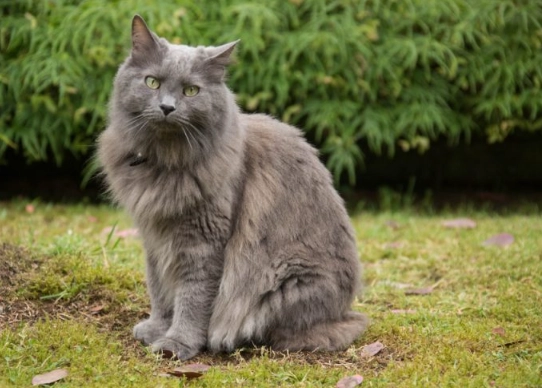
That experience is textbook Nebelung.
Key Personality Traits at a Glance
- Reserved with Strangers: This isn't meanness; it's extreme caution. They need time to assess new people and situations. Don't expect a Nebelung kitten to be the life of a party. A noisy, chaotic household will likely make them perpetually anxious.
- Deeply Loyal to Family: Once they trust you, the bond is intense. You become their person. They'll follow you, want to be near you, and engage with you on their terms. This loyalty is their most treasured trait.
- Gentle and Quiet: They are not yowlers. They have a soft, melodic voice and tend to use it sparingly. You might get a chirp or a trill more often than a meow. Their play is also gentle – no ankle-ambushing here (usually).
- Playful, But Not Clownish: They retain a playful kitten-like side well into adulthood. They love chasing wand toys, batting at balls, and solving puzzle feeders. It's a dignified kind of play, though. You won't see them ricocheting off the walls.
- Sensitive: They thrive on routine and peace. Loud noises, sudden changes, or harsh discipline can set them back. They respond best to positive reinforcement and a calm environment.
A Word of Warning: If you're away from home for long hours every day, a Nebelung might not be the best choice. They form such strong attachments that they can be prone to separation anxiety. They often do very well with a calm feline companion, especially another Nebelung or a similarly tempered breed like a Russian Blue.
The Nebelung Look: That Famous Coat and More
Okay, let's talk about the showstopper – their appearance. The breed standard is very specific, and it's what judges look for in shows.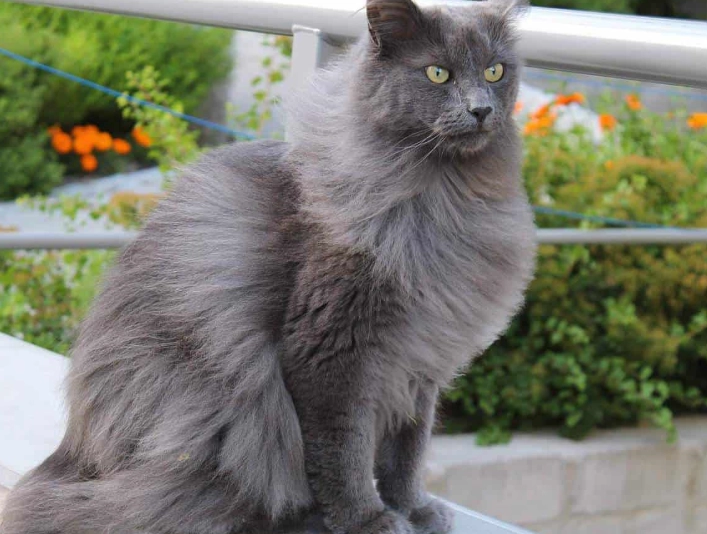
The most defining feature is, of course, the double coat. It's medium-long, with a softer, downy undercoat and finer, silkier guard hairs on top. The hair is longer around the neck (forming a lovely ruff), on the britches (back of the hind legs), and on the plumed tail. But here's the thing that surprised me: it doesn't mat easily. Smokey's coat felt like silk, and despite his semi-long hair, my friend said he required less detangling than some shorthairs she'd had. The texture is a big plus.
The color is officially "blue" but that means a uniform, solid gray-blue from root to tip. Each hair is tipped with silver, which creates that characteristic luminous, misty shimmer. No stripes, no spots, no white lockets. Just solid, shimmering blue.
Their body is what's called "semi-foreign" – long, slender, and elegant, but with moderate, firm musculature. They are not cobby like a British Shorthair, nor extremely bony. They have a graceful, almost floating gait.
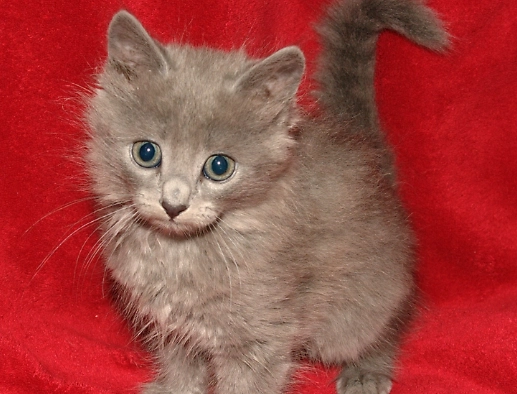
The head is a modified wedge with large, pointed ears set high on the head. And then there are the eyes. They are a vivid, striking green, set wide apart. Kittens are born with yellow eyes that gradually transition to green as they mature. The combination of blue coat and green eyes is simply mesmerizing.
Here’s a quick reference table comparing the Nebelung to its closest relative, the Russian Blue, and another popular blue cat, the British Shorthair. It really highlights what makes the cat breeds nebelung stand out.
| Trait | Nebelung | Russian Blue | British Shorthair (Blue) |
|---|---|---|---|
| Coat Length | Semi-longhair | Shorthair | Shorthair (very dense) |
| Coat Texture | Silky, fine, double coat | Short, dense, plush "double-plush" coat | Short, crisp, dense "crisp" coat |
| Body Type | Semi-foreign: long, slender, elegant | Foreign: fine-boned, graceful | Cobby: stocky, powerful, rounded |
| Personality | Reserved, loyal, gentle, quiet | Reserved, loyal, gentle, quiet | Calm, easygoing, dignified, independent |
| Activity Level | Moderate, playful | Moderate, playful | Low to moderate, sedentary倾向 |
Caring for Your Nebelung: Grooming, Health, and Daily Life
So, you've fallen for the look and the personality sounds like a fit. What does caring for a cat breeds nebelung actually entail? The good news is, they are generally low-maintenance in most areas, with one semi-regular task.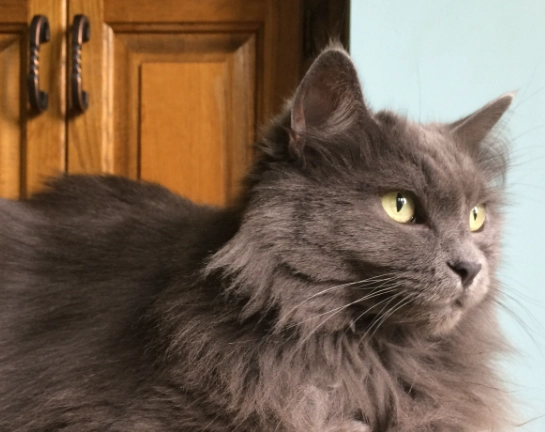
Grooming: It's Easier Than You Think
Despite the long hair, their silky coat is resistant to matting. A thorough brushing 2-3 times a week is usually sufficient to remove loose hair, distribute skin oils, and prevent any potential tangles (pay attention to the armpits and behind the ears). During seasonal shedding periods (spring and fall), you might need to brush daily to keep up with the loose undercoat. I'd recommend a stainless steel comb and a slicker brush. Most Nebelungs seem to tolerate grooming well, especially if you start them as kittens. It can become a nice bonding ritual.
Other care is standard: trim nails every couple of weeks, check ears weekly for wax, and brush teeth regularly if possible (ideal for any cat).
Health Profile: Generally Robust
Because the Nebelung breed is relatively new and developed from a small, healthy gene pool (primarily Russian Blues), they are not known for a long list of severe breed-specific genetic disorders. Russian Blues are famously hardy, and Nebelungs seem to have inherited this. However, any cat can develop issues. Reputable breeders will screen their breeding stock for common feline problems.
- Potential Concerns: Like all cats, they can be prone to dental disease (gingivitis), so dental care is important. Some sources note a possible predisposition to bladder stones (urolithiasis), which is also seen in Russian Blues. Feeding a high-quality, wet-food-inclusive diet and ensuring plenty of water intake can help mitigate this risk.
- Lifespan: With proper care, a Nebelung can live a long, healthy life of 15 to 18 years or more.
It's always wise to schedule regular veterinary check-ups. The Cornell Feline Health Center is an excellent resource for general cat health information that applies to all breeds, including the importance of preventive care.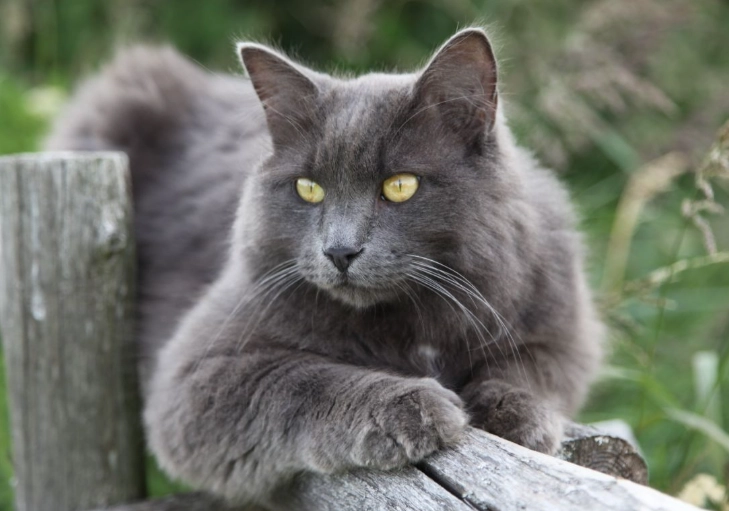
Diet and Exercise
No special diet here—just feed a high-quality, age-appropriate cat food. Given the potential for urinary issues, many owners and breeders recommend a diet that promotes urinary health. Consult your vet.
Exercise is mental as much as physical. They enjoy climbing, so a tall, sturdy cat tree is a great investment. Interactive wand toys, laser pointers (always end with a physical treat!), and puzzle toys will keep their intelligent minds engaged. A bored Nebelung might become withdrawn or develop minor behavioral issues.
Finding a Nebelung Kitten or Cat: A Responsible Journey
This is the tricky part. Because they are rare, you won't find Nebelung kittens at your local shelter every day (though it's not impossible—always check!). You will likely need to seek out a reputable breeder.
What to Look for in a Breeder
- Registration: They should be registered with TICA or another major registry like the Cat Fanciers' Association (CFA).
- Health Testing: They should openly discuss the health screening they perform on their breeding cats.
- Kitten Environment: Kittens should be raised underfoot in a home environment, not in cages. This is crucial for proper socialization.
- Questions for You: A good breeder will interview you extensively. They want to know their kittens are going to suitable, lifelong homes.
- Contract: They should provide a written contract that includes a health guarantee and a clause requiring you to return the cat to them if you can no longer keep it.
Be prepared to wait. Responsible breeders often have waiting lists. Be wary of anyone who always has kittens available, sells online only, or pressures you to pay quickly.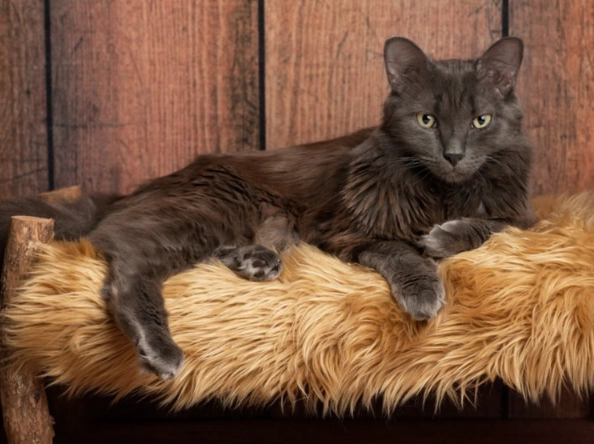
Cost of a Nebelung Kitten
From a reputable breeder, you can expect to pay anywhere from $800 to $2,000+ for a pet-quality Nebelung kitten. Show-quality kittens will be more. This price should reflect the care, health testing, and socialization the breeder has invested in.
Is the Nebelung Cat Breed Right for You? The Final Checklist
Let's be brutally honest. The Nebelung isn't for everyone. Their beauty is undeniable, but their personality demands a specific type of home.
Choose a Nebelung if you:
- Want a quiet, gentle, and loyal companion.
- Have a calm, predictable, and relatively quiet household.
- Are patient and willing to let a cat warm up to you on its own timeline.
- Appreciate elegant, interactive play over rambunctious antics.
- Are home a good amount of the time or can provide a feline friend.
- Don't mind a moderate amount of grooming.
Think twice about a Nebelung if you:
- Have young, loud, or unpredictable children.
- Frequently host large, noisy gatherings.
- Want an outgoing, social butterfly of a cat that greets everyone.
- Are looking for a completely hands-off, independent pet.
- Are away from home for 10+ hours a day regularly.
- Need instant feline affection.
Common Questions About Nebelung Cats
Look, at the end of the day, bringing any pet into your life is a big decision. With a rare breed like the Nebelung, it's even more important to do your homework. They aren't just a living decoration; they are sensitive, intelligent creatures that will give profound loyalty in exchange for a peaceful, loving home.
If your lifestyle is a match, the reward is incredible: a beautiful, misty shadow that chooses you, follows you, and becomes a serene, gentle presence in your life for years to come. That's the real magic of the cat breeds nebelung.
Related Articles