Coconut Oil for Dogs: Benefits, Risks & Safe Dosage Guide
You’ve probably seen the hype. Coconut oil is touted as a miracle supplement for humans, and naturally, dog owners wonder if it’s good for their pets too. The short answer is yes, coconut oil can be beneficial for dogs, but it’s not a magic bullet and comes with important caveats. It’s a high-fat supplement that can support skin, coat, and cognitive health, but giving it incorrectly can lead to digestive upset or weight gain. I’ve used it with my own dogs for years, but I learned the hard way that starting with a full spoon is a recipe for a messy cleanup. Let’s cut through the noise and look at what the evidence and experience actually say about using coconut oil for dogs.
What’s Inside: Your Quick Guide
The Good Stuff: What Coconut Oil Actually Does for Dogs
Most of the proposed benefits of coconut oil for dogs come from its unique fat profile. It’s rich in Medium-Chain Triglycerides (MCTs), which are metabolized differently than other fats. Lauric acid, a specific MCT making up about 50% of coconut oil, has shown antimicrobial and antifungal properties in lab studies.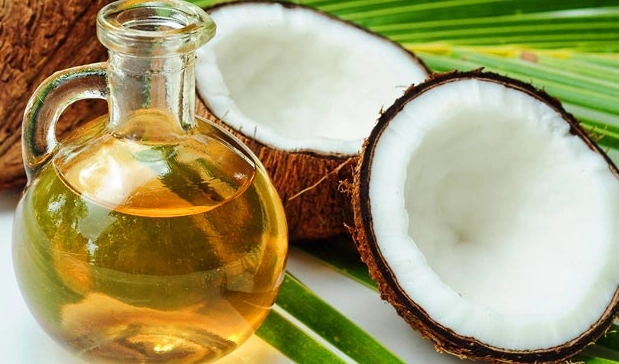
Skin and Coat Health is the most common reason pet owners turn to coconut oil. When added to the diet, the healthy fats can improve skin hydration and give the coat a noticeable shine. More convincingly, its topical use can soothe dry, itchy patches. I’ve applied it directly to my dog’s minor seasonal hot spots with good results—it seemed to calm the itch and create a protective barrier. A review in the Journal of the American Veterinary Medical Association notes that dietary fatty acids play a role in managing inflammatory skin disorders, though it emphasizes they are part of a broader treatment plan.
Cognitive Support is an emerging area. Some studies, like one published in the Journal of Neurobiology of Aging, suggest MCTs can provide an alternative energy source for aging brains and may support cognitive function in older dogs. It’s not a cure for canine cognitive dysfunction, but it might be a helpful supportive tool.
Other Potential Perks include a mild immune boost from lauric acid and possible help with bad breath due to its antimicrobial action. Some owners report it helps reduce allergic itching, though this is highly individual and not guaranteed.
A crucial nuance most blogs miss: The benefits are dose-dependent and dog-specific. A teaspoon for a Great Dane is nothing, but for a Chihuahua, it’s a significant fat load. Seeing no improvement often means the dose is too low for that particular dog’s size and metabolism, not that coconut oil “doesn’t work.”
The Not-So-Good: Risks and When to Avoid It
This is where the “it’s natural, so it’s completely safe” assumption falls apart. Coconut oil is pure fat, and that comes with consequences.
The biggest risk is pancreatitis, a painful and serious inflammation of the pancreas triggered by a high-fat meal. Dogs with a history of pancreatitis, or breeds predisposed to it like Schnauzers, should avoid coconut oil altogether unless explicitly cleared by their vet.
Weight gain and obesity happen quietly. One tablespoon of coconut oil contains about 120 calories. Adding that daily to a small dog’s diet without adjusting their regular food is a fast track to an overweight pet.
Digestive upset—diarrhea or greasy stools—is almost guaranteed if you start with too much too fast. Their gut needs time to adjust to the increased fat.
Absolute Contraindications: Do not give coconut oil to dogs diagnosed with pancreatitis, those on a strict low-fat diet for medical reasons, or dogs that are severely overweight. Always consult your veterinarian before starting any new supplement, especially if your dog has existing health conditions like diabetes or thyroid issues.
How to Give Coconut Oil to Your Dog Safely
Safety is all about the dosage and the introduction. Here’s a step-by-step method that avoids the common pitfall of rushing.
Step 1: Find Your Dog’s Starting Dose
Forget the “one teaspoon per 10 pounds” rule you see everywhere. Start much smaller. Use this as a baseline guide, but observe your dog closely.
| Dog Weight | Maximum Daily Dose* | Recommended STARTING Dose |
|---|---|---|
| Small (under 20 lbs) | 1 tsp | 1/4 tsp |
| Medium (20-50 lbs) | 1.5 tsp | 1/2 tsp |
| Large (50+ lbs) | 1 Tbsp | 3/4 tsp |
*Maximum dose should only be considered after several weeks of successful, gradual introduction and for dogs at a healthy weight.
Step 2: The Gradual Introduction Protocol
Week 1: Give the “Recommended Starting Dose” every other day. Mix it thoroughly into their regular food. Watch their stool consistency like a hawk.
Week 2: If stools are normal, increase to the starting dose daily.
Week 3 & Beyond: Only if needed and tolerated, you can very gradually increase by 1/4 teaspoon increments every 7-10 days, never exceeding the “Maximum Daily Dose” for your dog’s weight.
If loose stools occur, stop for a few days and then restart at half the previous dose.
Picking the Right Coconut Oil: A Simple Checklist
Not all coconut oils are equal. For your dog, you want the purest form.
1. Virgin or Extra-Virgin (Unrefined): This means it’s been cold-pressed, retaining more of its natural compounds. Avoid refined, bleached, or deodorized (RBD) oils meant for high-heat cooking; the processing strips away potential benefits.
2. Organic: This minimizes exposure to pesticides, which is better for long-term supplementation.
3. In a Glass Jar: Plastic can leach chemicals into the oil, especially if it sits in a warm place. Glass is inert and safer.
4. No Additives: The ingredient list should say: “100% coconut oil.” Nothing else.
My personal go-to is a virgin, organic coconut oil in a glass jar from a reputable health food brand. The price is slightly higher, but the quality assurance is worth it.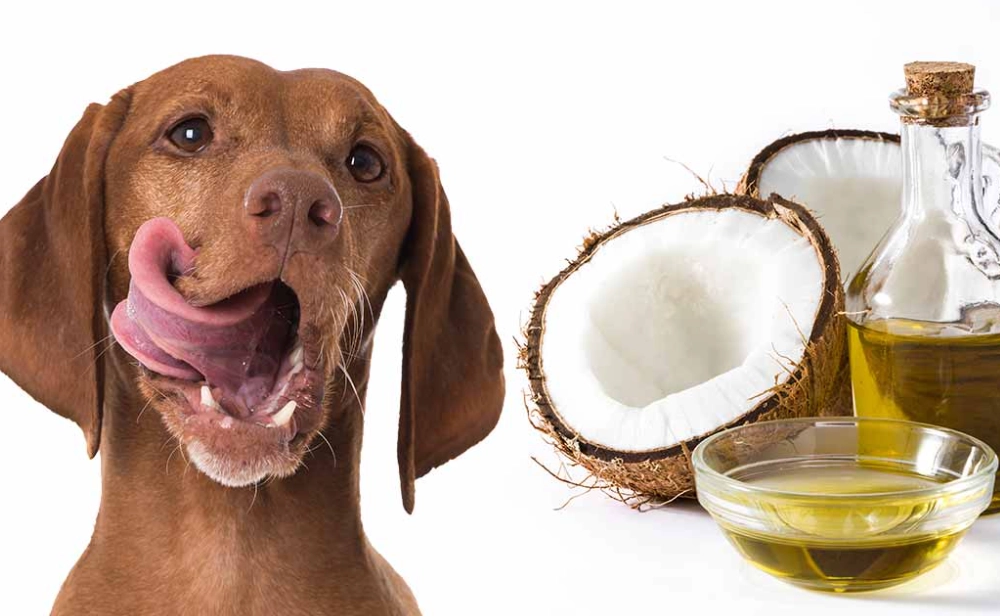
Real-Life Uses: Beyond the Food Bowl
Coconut oil isn’t just for eating. Its topical uses are where it really shines for many owners.
As a Paw Balm: In winter or on hot pavement, rub a small amount onto cracked paw pads. It moisturizes and creates a light protective layer. Just be sure to wipe off excess so your dog doesn’t lick too much and so they don’t slip on smooth floors.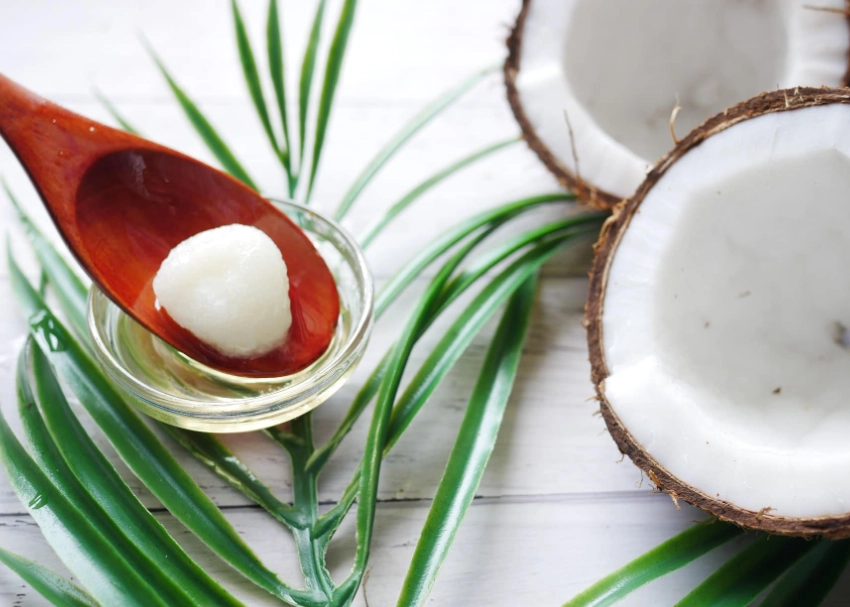
For Itchy Skin: Massage a thin layer onto areas of dry, flaky, or mildly itchy skin. It can offer temporary relief. For serious skin conditions, this is not a substitute for veterinary care.
As a Toothpaste Base: Many DIY dog toothpaste recipes use coconut oil as a base mixed with baking soda or turmeric. Its mild antimicrobial action can help with plaque. The American Veterinary Dental College states that while brushing is key, the mechanical action is more critical than the paste itself.
For Ear Care (Caution!): Some sources suggest using it to clean ears. I’m hesitant here. While lauric acid has antifungal properties, putting any oil into a dog’s ear canal can trap moisture and debris, potentially making an infection worse. For ear issues, a vet-prescribed cleaner is always the safer bet.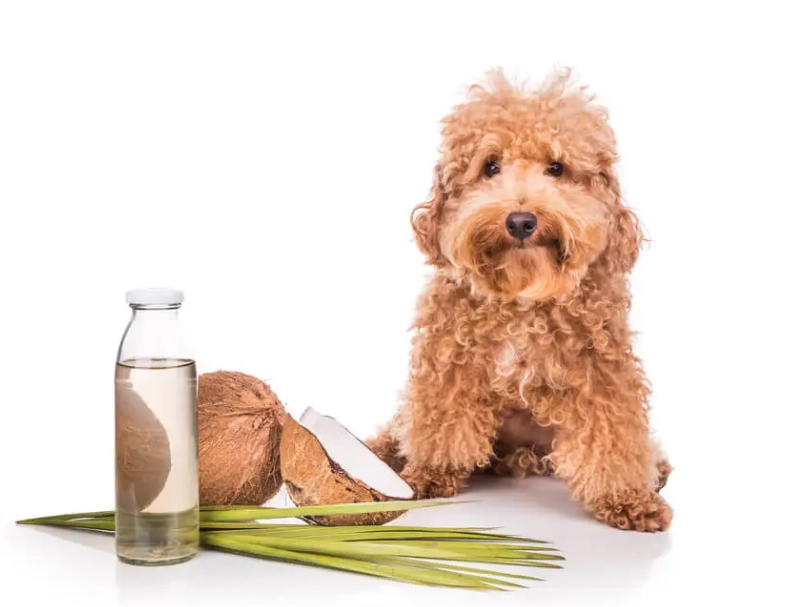
Your Questions, Answered
So, is coconut oil good for dogs? It can be a helpful, multi-purpose supplement when used thoughtfully and cautiously. It’s not an essential nutrient, but a potential tool. The key is to abandon the idea of it as a cure-all and instead view it as a specific fat with specific properties. Start low, go slow, choose a high-quality product, and always prioritize your dog’s overall diet and health. When in doubt, that conversation with your vet is the most valuable step you can take.
Related Articles