Can Cats Eat Cheese? Vet-Reviewed Safety Guide & Risks
Let's cut to the chase. Can cats eat cheese? The short, frustrating answer is: it's complicated. A tiny piece as a very rare treat might be okay for some cats, but for many others, it's a one-way ticket to an upset stomach or worse. I've had cats for over a decade, and I made the mistake of thinking a little cheese was harmless. That belief ended with a messy cleanup and a very unhappy feline. The internet is full of cute videos, but the reality of feline digestion is less photogenic.
This guide isn't about scare tactics. It's about giving you the clear, vet-backed information you need to make a safe choice for your cat. We'll dig into the science behind why cheese is problematic, bust the "just a little bit" myth that many owners fall for, and explore what to do if your cat manages to snag a piece off your plate.
What's Inside This Guide
The Core Problem: Lactose Intolerance Isn't a Myth
Here's the non-negotiable biological fact most casual advice glosses over: the vast majority of adult cats are lactose intolerant. It's not a minor quirk; it's the default state.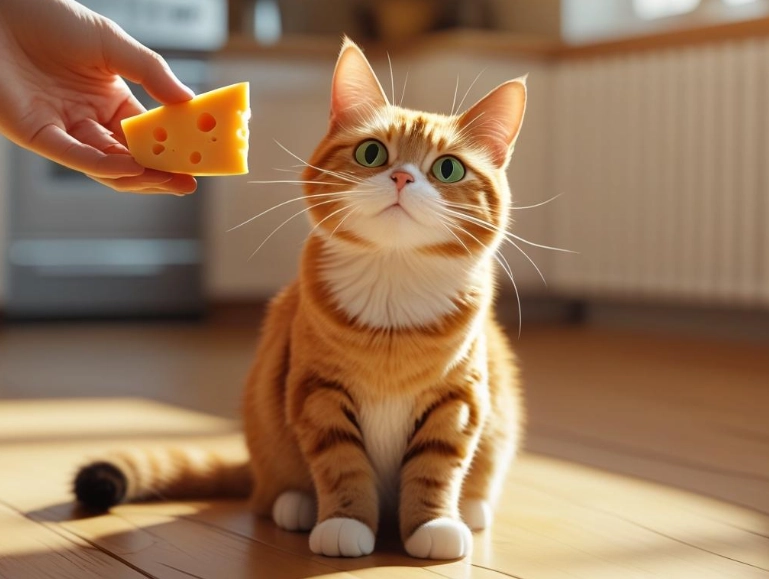
Kittens produce an enzyme called lactase to digest their mother's milk. As they wean, lactase production plummets. By adulthood, most cats have very little of this enzyme left. When they consume lactose (the sugar in dairy), it arrives undigested in their intestines. Gut bacteria then ferment it, leading to gas, bloating, stomach cramps, diarrhea, and vomiting.
The severity varies. Some cats might seem fine with a tiny bit, leading owners to think "my cat is the exception." But you're often just staying below their individual symptom threshold. Repeated exposure can still cause low-grade inflammation and discomfort they can't tell you about. I learned this the hard way with my cat, Mochi. A crumb of cheddar seemed fine once. The second time, it was a different story.
Why "Hard Cheese is Better" is a Half-Truth
You'll often hear that hard, aged cheeses like Parmesan or cheddar are safer because they have less lactose. This is technically true—the aging process reduces lactose content. But it creates a dangerous loophole in an owner's thinking.
It shifts the focus from "this is a biologically inappropriate food" to "what's the least bad option?" The reduced lactose might prevent immediate, explosive diarrhea, but it doesn't eliminate the other major risks: high fat and salt content. You're trading one problem for two others.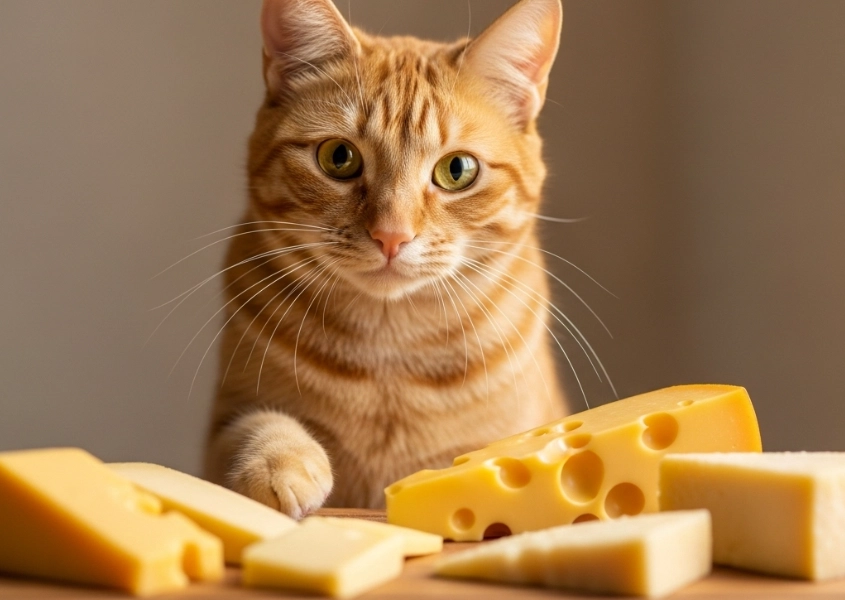
The Hidden Dangers: Fat, Salt, and Calories
Even if your cat somehow tolerates lactose, cheese is a nutritional mismatch. Cats are obligate carnivores. Their systems are designed for meat, not dairy fat.
High Fat: Rich cheeses can trigger pancreatitis—a painful, dangerous inflammation of the pancreas. It's an emergency. Symptoms include vomiting, severe abdominal pain, and lethargy. Long-term, high-fat treats contribute directly to obesity, which opens the door to diabetes, arthritis, and heart disease.
High Salt: Cheese is salty. A cat's sodium requirement is minuscule compared to ours. Excessive salt intake can lead to sodium ion poisoning, symptoms of which include excessive thirst, urination, vomiting, diarrhea, tremors, and in severe cases, seizures. It also puts unnecessary strain on their kidneys.
Empty Calories: Cheese is calorie-dense. A small cube can represent a significant percentage of a cat's daily caloric need. Feeding cheese regularly, even in "tiny" amounts, can easily unbalance their diet, leading to weight gain and nutrient deficiencies from eating less of their proper food.
Cheese Risk Breakdown: From "Avoid" to "Extreme Caution"
Not all cheeses are created equal, but in the context of a cat's diet, "less bad" is not the same as "good." This table breaks down common cheeses. Think of the "Risk Level" as a measure of how quickly things could go wrong.
| Cheese Type | Lactose Content | Fat & Salt Content | Primary Risk for Cats | Our Risk Verdict |
|---|---|---|---|---|
| Mozzarella (Fresh), Ricotta, Cottage Cheese | Very High | Varies (can be high in salt) | Severe digestive upset (diarrhea, vomiting) due to high lactose. | Avoid Completely |
| Processed Cheese Slices/Spreads | Moderate to High | Very High (salt, additives, preservatives) | Sodium poisoning, digestive upset, allergic reactions to additives. | Avoid Completely |
| Blue Cheese (Gorgonzola, Roquefort) | Moderate | Very High | Contains roquefortine C, a fungus byproduct that can cause tremors, seizures, and hyperthermia in pets. Extremely dangerous. | Extreme Danger - Never Feed |
| Cheddar, Swiss, Gouda (Aged) | Low | High | Pancreatitis risk from high fat, obesity, potential for mild digestive issues. | Extreme Caution - Not Recommended |
| Parmesan, Pecorino (Very Hard, Aged) | Very Low (trace) | Very High in salt, high in fat | Sodium ion poisoning is a major concern due to concentrated salt content. | High Caution - Best Avoided |
| Goat Cheese / Goat Milk | Slightly lower than cow milk, but still significant | High | Still contains lactose. The "goat milk is easier to digest" myth applies to humans, not necessarily lactose-intolerant cats. | Avoid Completely |
The takeaway? The risks (fat, salt, toxins in blue cheese) almost always outweigh the negligible benefit of a momentary taste pleasure. There are safer ways to treat your cat.
My Cat Just Ate Cheese! What Do I Do Now?
Don't panic. Most single, small incidents aren't catastrophic. Here's a step-by-step guide based on what and how much they ate.
Scenario 1: A tiny crumb or lick. (e.g., less than a pea-sized amount of cheddar).
Likely outcome: Probably nothing. Monitor for the next 12-24 hours for any signs of soft stool, lethargy, or vomiting. Ensure they have plenty of fresh water. No need for an emergency vet visit unless symptoms are severe.
Scenario 2: A decent chunk or multiple pieces. (e.g., a cube or a slice).
Action: Remove all access to cheese immediately. Note the type of cheese (refer to the table above).
Watch closely for:
- Vomiting or diarrhea
- Signs of abdominal pain (hunching, crying when touched)
- Excessive thirst or urination
- Lethargy or weakness
If you see any of these signs, or if the cheese was blue cheese or heavily processed, call your veterinarian or a pet poison helpline immediately. Have the cheese packaging handy if possible.
Scenario 3: They got into a whole block or package.
Action: This is a potential emergency, especially with high-fat or salty cheeses. Do not wait for symptoms. Contact your vet or an emergency animal clinic right away. They may induce vomiting or recommend bringing the cat in for observation and supportive care.
What Can I Give Instead? Safe & Tasty Alternatives
You want to treat your cat. I get it. The good news is there are fantastic, species-appropriate options that they'll love and that are actually good for them.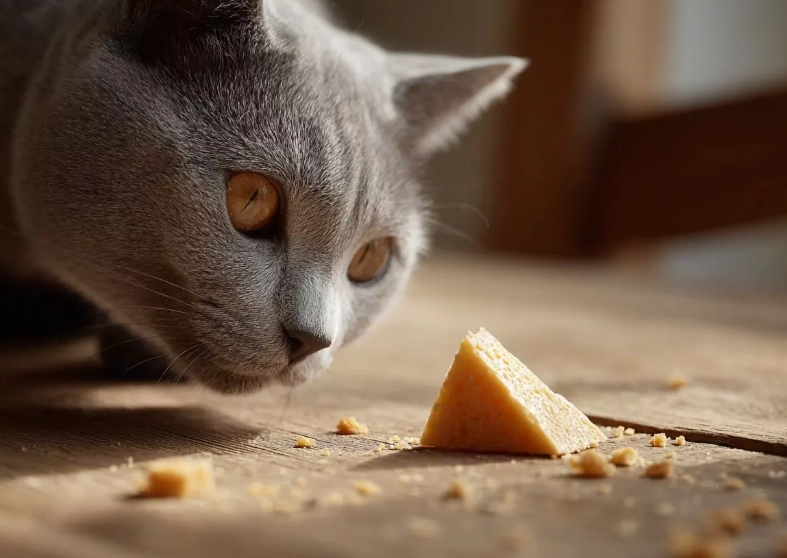
Commercial Cat Treats: This is the easiest route. Choose high-quality, meat-first treats. Look for brands that use a single protein source your cat tolerates well (chicken, duck, salmon). They're formulated to be palatable and nutritionally balanced as a supplement.
Plain Cooked Meat: A small piece of plain, cooked chicken breast, turkey, or fish (like salmon) is a winner. Key word: plain. No butter, oil, salt, garlic, or onions. Just baked, boiled, or steamed. Shred it into tiny pieces.
Freeze-Dried Meat Treats: These are just pure, single-ingredient meat (like chicken hearts or liver) with the moisture removed. They're crunchy, packed with flavor, and most cats go wild for them.
A "Soup" Lick: Some cats love licking the water from a can of tuna packed in water (no salt added) or a bit of low-sodium chicken broth (make sure it's onion and garlic-free). Offer just a teaspoon as a special lick from your finger.
The goal is to provide a treat that satisfies their carnivore cravings without upsetting their digestive system or harming their long-term health.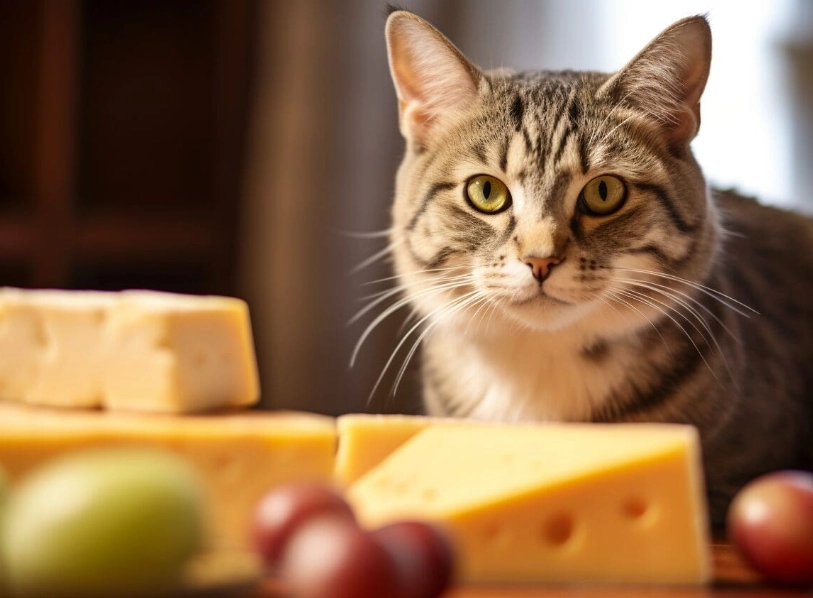
Your Top Cheese & Cat Questions Answered
If my cat seems to love cheese and has never gotten sick, is it okay to keep giving it?
This is the most common trap. Absence of immediate, dramatic illness doesn't equal safety. You might be feeding below their symptom threshold while still causing low-grade gut inflammation or silently contributing to weight gain. Think of it like feeding a person with a mild gluten intolerance bread every day because they don't get violently ill—it's still causing internal stress. The cumulative effect of fat and calories is the real, slow-moving danger. It's better to transition to a safer treat.
What about lactose-free cheese or milk for cats?
Lactose-free dairy removes the primary sugar (lactose), so it solves the digestive upset issue for many cats. However, it does not remove the high fat and calorie content. So while it might be a slightly "safer" option in terms of avoiding diarrhea, it still carries the risk of promoting obesity and pancreatitis if given regularly or in quantity. It's a better choice only if you are absolutely determined to give a dairy-like treat, but it shouldn't become a habit.
My cat is on medication and I hide the pill in cheese. What should I do?
This is a practical concern. If it's a short-term medication (a week of antibiotics) and a tiny smear of cream cheese is the only way the pill goes down, the risk is generally low. For long-term medication, talk to your vet. They can recommend pill pockets specifically designed for cats (which are more digestible), demonstrate better pill-giving techniques, or discuss if a liquid or transdermal gel formulation is available. Relying on cheese daily for years is not ideal.
Are some cat breeds more tolerant of dairy?
There's no scientific evidence to support breed-specific lactose tolerance. Lactose intolerance is linked to age (adults vs. kittens) and individual variation, not breed genetics. A Siamese is just as likely to be lactose intolerant as a Maine Coon. Assuming a breed can handle it is a risky guess.
What are the very first signs of a bad reaction to cheese I should watch for?
The earliest signs are often behavioral and subtle: hiding more than usual, seeming "off" or less interactive, or a decreased appetite. Then come the more obvious gastrointestinal signs: softer stool, increased gas, or a single episode of vomiting. For high-salt cheese, watch for a sudden, significant increase in water consumption and urination. Trust your gut. If your cat isn't acting like themselves after eating something new, it's a sign.
So, can cats eat cheese? The responsible answer is that you shouldn't make it a part of their diet. The risks—from immediate digestive distress to long-term organ strain—simply don't justify the momentary pleasure. As someone who's cleaned up the consequences of thinking "just this once," I can tell you it's not worth the worry or the potential vet bill. Your cat's health is built on consistent, appropriate nutrition. Stick with the treats made for their carnivore biology, and you'll both be happier for it.
Related Articles