Ultimate Guide to Safe Pain Medication for Dogs: What You Must Know
In This Article
- First Things First: How Do You Even Know Your Dog Is in Pain?
- The Big, Scary Rule: Never Give Human Medication
- Vet-Prescribed Pain Meds for Dogs: The Heavy Hitters
- The Monitoring Game: What to Watch For After Starting Meds
- Natural and Supplemental Pain Relief for Dogs
- Answering Your Burning Questions About Pain Meds for Dogs
- Putting It All Together: Your Action Plan
Let's be honest. Seeing your dog in pain is one of the worst feelings in the world. That limp, the reluctance to jump on the couch, the quiet whimper when they get up—it tears you apart. Your first instinct might be to reach into your own medicine cabinet. Stop right there. I've been there, I've had that panic, and I've learned the hard way that the world of pain medication for dogs is a minefield of well-meaning but dangerous mistakes.
This isn't just another listicle repeating what you already know. We're going deep. We'll talk about the stuff vets prescribe, the scary reasons why human pills are a hard no, the natural stuff that actually works (and the stuff that's a waste of money), and the critical questions you must ask your vet. My goal? To make you an informed partner in your dog's care, not just a worried owner blindly following instructions.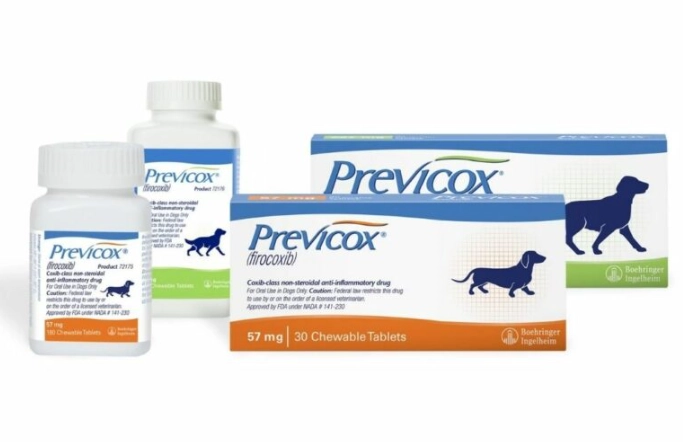
First Things First: How Do You Even Know Your Dog Is in Pain?
Dogs are masters of disguise. They hide pain instinctively. It's a survival thing. So, the obvious yelping is easy. It's the subtle signs we miss. I missed them with my old Labrador, Sam, for weeks. I just thought he was slowing down with age. I was wrong.
- The Subtle Signs: Licking or chewing at a specific spot incessantly. Panting when at rest and it's not hot. A change in personality—a friendly dog becoming grumpy or a independent dog becoming clingy. Loss of appetite. Sleeping much more than usual.
- The Mobility Clues: Reluctance to go up or down stairs. Hesitating before jumping into the car. Stiffness when rising, especially after a nap. A "bunny-hopping" gait with the back legs instead of a normal stride.
- The Posture Tells: A hunched back. A tense, rigid abdomen. Holding a paw up slightly.
With Sam, it was the sighing. He'd lie down and let out this deep, heavy sigh. I thought it was contentment. My vet later told me it was often a sign of discomfort in older dogs. That one hit me hard.
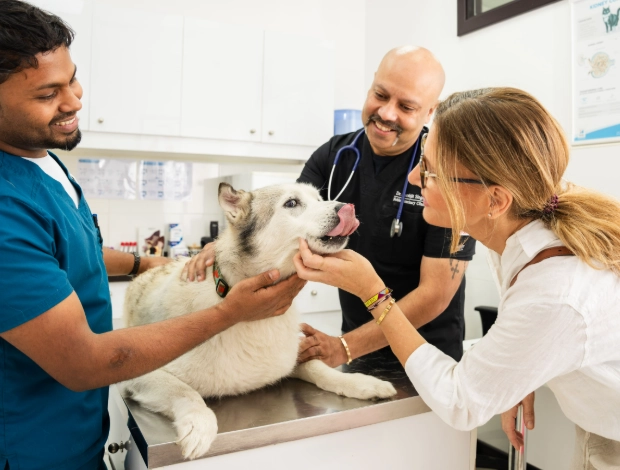
If you see any of this, your job isn't to diagnose. It's to pick up the phone and call your vet. The search for pain medication for dogs starts with a professional diagnosis. Is it arthritis? A soft tissue injury? Something more serious like bone cancer? The right medicine depends entirely on the right answer.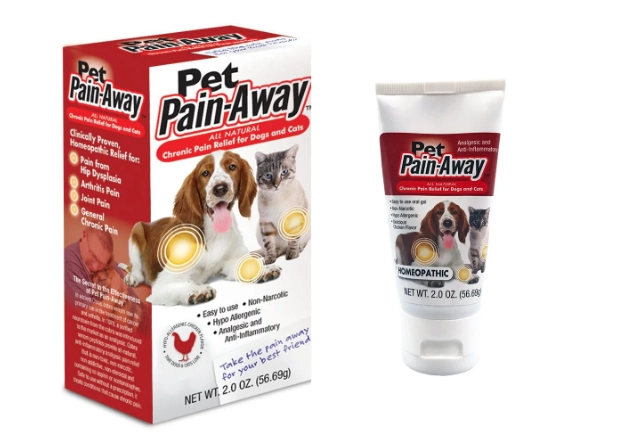
The Big, Scary Rule: Never Give Human Medication
I get the temptation. Your knee hurts, you take an ibuprofen. Your dog's hip hurts, surely a tiny piece of that same pill will help? This is where we can do catastrophic harm.
Why is this so common? I think it's a mix of desperation and a false sense of similarity. We share our homes and hearts with them, so we assume we share biology. We don't, not in this way. The metabolism of pain medication for dogs is a specialized field for a reason.
Just don't do it.
Vet-Prescribed Pain Meds for Dogs: The Heavy Hitters
Okay, so you've been to the vet, they've diagnosed the problem, and they're writing a prescription. What are they likely to recommend? These are the most common classes of pharmaceuticals. It's useful to know what you're dealing with.
NSAIDs for Dogs: The Frontline Defense
Non-Steroidal Anti-Inflammatory Drugs are the most commonly prescribed pain medication for dogs, especially for arthritis and post-surgical pain. They reduce inflammation, which is a major source of pain. Think of them as targeting the source, not just masking the feeling.
Common ones include Carprofen (Rimadyl), Meloxicam (Metacam), Deracoxib (Deramaxx), Firocoxib (Previcox), and Grapiprant (Galliprant). They're effective, but they're not candy. They come with risks, primarily to the kidneys, liver, and gastrointestinal tract.
| Medication (Brand Name) | Common Uses | Key Considerations & Notes |
|---|---|---|
| Carprofen (Rimadyl) | Osteoarthritis, post-surgery pain. | One of the most widely used. Requires monitoring of liver/kidney enzymes. Available in chewable tablets (dogs love them). |
| Meloxicam (Metacam) | Chronic arthritis pain. | Often comes as a liquid. Can be dosed very precisely for different sizes. Long history of use. |
| Grapiprant (Galliprant) | Osteoarthritis pain. | Newer class. It targets a specific prostaglandin receptor (EP4) involved in pain and inflammation, which may offer a different safety profile for long-term use in some dogs. Not an NSAID in the classic sense. |
| Firocoxib (Previcox) | Osteoarthritis, post-op pain. | Once-a-day dosing can be convenient. Another popular choice vets reach for. |
Other Prescription Pain Medications
NSAIDs aren't the only tools. For more severe pain, like after major surgery or with advanced conditions, vets might use or combine other drugs.
- Gabapentin: This is a big one. Originally for seizures, it's fantastic for nerve pain and chronic discomfort. It's often paired with an NSAID for a multi-modal approach. It can make dogs a bit wobbly or sleepy at first, but that often passes.
- Tramadol: Its use is becoming more controversial. It's an opioid-like drug. Some vets and studies feel it's not very effective for dogs, while others still find it helpful for moderate pain, especially when combined with other meds. It can cause constipation and sedation.
- Amantadine: Used for chronic pain, often alongside an NSAID. It's thought to help with "wind-up pain," where the nervous system becomes oversensitized.
Your vet's choice here is like a tailor making a suit. It's based on your dog's size, age, specific condition, kidney/liver health, and even temperament.
The Monitoring Game: What to Watch For After Starting Meds
Giving the pill is only half the job. You are your dog's chief monitoring officer. You see them every day. Your vet sees them for 15 minutes.
Positive signs you want to see: easier movement, more willingness to play, a brighter demeanor, better sleep.
Red flags that mean you need to call the vet immediately:
- Vomiting, especially if it looks like coffee grounds (sign of blood).
- Black, tarry stools.
- Loss of appetite or not drinking.
- Yellowing of gums or eyes.
- Increased drinking and urination (a potential kidney sign).
- Lethargy that's worse than before the medication.
It sounds scary, but vigilance is the price of effective pain management.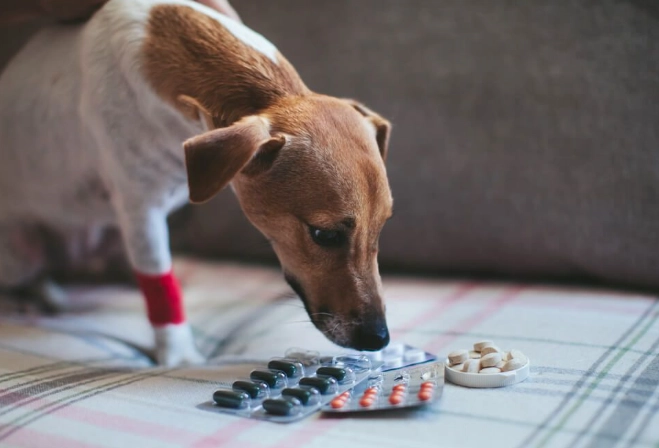
Natural and Supplemental Pain Relief for Dogs
Not every ache needs a pharmaceutical. For mild discomfort, early arthritis, or as a supportive addition to vet-prescribed plans, natural options can be fantastic. But let's be real—the supplement market is full of junk.
What Actually Has Some Science Behind It?
- Omega-3 Fatty Acids (Fish Oil): This is my top recommendation for any aging dog. High-quality EPA/DHA from fish oil is a potent anti-inflammatory. It's not a fast-acting pain medication for dogs, but over weeks and months, it can significantly reduce the need for higher doses of drugs. Look for a product made for pets, as human ones might have vitamin D, which can be toxic in high doses.
- Glucosamine & Chondroitin & MSM: The classic joint supplement trio. They are building blocks for cartilage. The evidence in dogs is stronger than in humans, in my opinion. They work best as a preventative or in early-stage arthritis. Don't expect miracles in advanced cases, but they can provide support. Cosequin and Dasuquin are reputable vet-recommended brands.
- Green-Lipped Mussel: A natural source of omega-3s and other joint-supporting nutrients. Many owners swear by it for their arthritic dogs.
- CBD Oil: The elephant in the room. Anecdotal reports are overwhelmingly positive for anxiety and pain. The scientific research in dogs is still emerging but promising. A 2018 study published in Frontiers in Veterinary Science found CBD oil increased comfort and activity in dogs with osteoarthritis. Crucially: You must use a pet-specific, THC-free, third-party tested product. And you must talk to your vet first, as CBD can interact with other medications.
Physical and Lifestyle Modifications
Medicine is one piece. The environment is another.
Answering Your Burning Questions About Pain Meds for Dogs
Let's tackle the stuff you're probably Googling at midnight.
"Can I give my dog aspirin?"
Sometimes, a vet will very specifically prescribe a buffered aspirin formulation for a short-term issue. Key word: prescribe. Never give your own aspirin. The dosage is tricky, and the risks of stomach ulcers are high. It's been largely replaced by safer canine-specific NSAIDs.
"My dog seems fine now. Can I stop the pain meds?"
Ah, the classic. The meds work, your dog is bouncing around, so you think the problem is solved. With chronic conditions like arthritis, the pain is still there—it's just well-managed. Stopping the pain medication for dogs will let the inflammation and pain come roaring back. Never stop or change dosage without your vet's guidance. For post-surgical pain, follow the tapering schedule exactly.
"What about over-the-counter 'dog aspirin' or pain chews?"
Be very careful. Some OTC pet store products contain ingredients like acetaminophen or unproven herbs that can be harmful. If it's not from your vet or a highly trusted, transparent brand (like the Dasuquin/Cosequin type), I'm skeptical. Always check the active ingredients list.
"My dog won't take pills. Any hacks?"
Oh, I've been in this war. Pill pockets are magic (Greenies makes great ones). If those fail, the "meatball method": embed the pill in a small ball of canned dog food, cream cheese, or peanut butter (xylitol-free!). For the truly cunning dog, you may need to gently open their mouth, place the pill at the back of the tongue, hold the mouth closed, and gently stroke the throat until they swallow. It feels mean, but managing their pain is kinder.
"Are there any new treatments on the horizon?"
Yes! Veterinary medicine is always advancing. Monoclonal antibody therapy (like Librela for dogs) is a huge breakthrough. It's a monthly injection that targets and neutralizes a specific pain signal (NGF). It's not a drug that circulates through the whole system, so the side effect profile is very different from NSAIDs. It's showing amazing results for canine osteoarthritis. This is the kind of thing you can ask your vet about to see if your dog is a candidate.
Putting It All Together: Your Action Plan
Feeling overwhelmed? Don't be. Here's your step-by-step, no-nonsense guide.
- Observe & Document: Don't just worry. Write down what you see—when does the limp happen? After rest? After exercise? How long does it last? This is gold for your vet.
- Vet Visit & Diagnosis: No skipping. Get X-rays if recommended. Get blood work done before starting any long-term medication. Understand the why behind the pain.
- Have the Tough Conversation: Ask your vet: "What medication are you prescribing and why? What are the potential side effects? What should I watch for? What is our long-term monitoring plan? Are there supplements or lifestyle changes that could help us use the lowest effective dose?"
- Dispense & Monitor Religiously: Give meds exactly as directed. Be a hawk for side effects. Keep a simple log: "Day 5 on Rimadyl - appetite good, seems perkier on walk, no vomiting."
- Build a Supportive Environment: Get that bed, those rugs, that ramp. Start a high-quality fish oil supplement. Help them maintain a lean weight.
- Follow Up: Go to the re-check appointments. Do the repeat blood work. This is how you catch problems before they become emergencies.
The journey with Sam taught me that managing pain is a partnership—between you, your dog, and your vet. It's ongoing. Some days are better than others. The right pain medication for dogs, used wisely and monitored closely, can give them back their joy. It's not about making them immortal; it's about making the time they have comfortable, happy, and full of life.
You're not just giving a pill. You're giving them relief. You're giving them the ability to enjoy their walk, to jump up for a cuddle, to sleep soundly. Do the homework, ask the questions, and be their advocate. They're counting on you.
Related Articles