Can Dogs Get Hiccups? Causes, Symptoms, and Home Remedies
Yes, dogs absolutely get hiccups. If you've ever heard that soft, rhythmic hic sound from your pup, you're not imagining things. It's a common, usually harmless quirk of canine biology. I've seen it dozens of times with my own dog, a Labrador named Buddy who hiccups after wolfing down his dinner. But let's cut to the chase: while most dog hiccups are no big deal, understanding why they happen and when to act can save you a lot of worry. This guide dives deep into the causes, symptoms, remedies, and red flags—stuff that goes beyond the basic pet care blogs. Dog hiccups stem from spasms in the diaphragm, that muscle below the lungs that controls breathing. When it contracts involuntarily, the vocal cords snap shut—hence the hic noise. It's not just random; specific triggers set it off. From my experience, fast eating is the biggest culprit. Buddy used to inhale his kibble so fast he'd get hiccups within minutes. Here's a breakdown of common and less common causes. These are the everyday reasons your dog might hiccup. They're often linked to behavior or minor physical irritants. Sometimes, hiccups point to underlying issues. These are rarer but worth knowing. Expert insight: Many owners overlook respiratory infections. If hiccups come with a cough or sneeze, it could be a sign of kennel cough or bronchitis. I've seen cases where persistent hiccups were the first clue to a mild infection that needed antibiotics. One mistake I see? Owners panicking over every hiccup. Most times, it's just Buddy being too eager at dinner. But if hiccups become a pattern, dig deeper. Recognizing dog hiccups is straightforward if you know what to look for. It's not just the sound—though that's a dead giveaway. The symptoms are physical and behavioral. Listen for a soft, repetitive hic or click noise from the chest or throat. It often lasts a few minutes, sometimes up to half an hour. Watch your dog's body: you might see slight jerking in the abdomen or chest, almost like a tiny jump. Some dogs pause, looking confused, while others ignore it completely. Buddy would sit still, ears perked up, as if wondering what's happening inside him. Differentiate hiccups from coughing or reverse sneezing. Coughing is harsher and often productive, while reverse sneezing sounds like snorting. Hiccups are rhythmic and dry. If you're unsure, record a short video to show your vet—it helps with diagnosis. Puppies hiccup more often. Their diaphragms are still developing, and they're full of energy. It's normal, but monitor for distress. If a puppy hiccups during sleep and wakes up fussy, it might need comfort. Most dog hiccups go away on their own. But if you want to help, here are vet-approved methods. I've tried these with Buddy, and they work without stress. Start simple. Don't overcomplicate it. This is crucial. Many well-meaning owners make things worse. Common error: Never startle your dog or force food down their throat. I've heard of people trying scare tactics like loud noises—it only increases anxiety and prolongs hiccups. Also, avoid human remedies like sugar or lemon; dogs' digestive systems are different and might react badly. If hiccups persist, just wait. Patience is your best tool. Buddy's episodes usually end within 5-10 minutes without intervention. Hiccups are rarely an emergency, but certain signs warrant a vet visit. Don't ignore these. Duration: If hiccups last over an hour continuously, it's time to call. Prolonged spasms can indicate respiratory or neurological issues. Frequency: Multiple hiccup episodes daily or weekly might signal an underlying problem. Buddy once had hiccups three times a day for a week; turns out he had mild acid reflux that needed dietary changes. Accompanying symptoms: Watch for coughing, lethargy, loss of appetite, or difficulty breathing. These could point to infections, heart disease, or gastrointestinal disorders. The Merck Veterinary Manual notes that hiccups coupled with respiratory distress require immediate attention. Age factors: Senior dogs with new, frequent hiccups should be checked for age-related conditions like nerve degeneration. When in doubt, err on the side of caution. A vet can run tests like X-rays or blood work to rule out serious causes. It's better to spend on a check-up than miss something critical. Reducing hiccup episodes is about lifestyle tweaks. Here's what worked for me and Buddy. It's not about perfection. Buddy still hiccups occasionally, especially when he's overly excited. But these steps minimize it. Dog hiccups are a quirky part of pet ownership. They're mostly harmless, but understanding the nuances helps you care better. Buddy's hiccups taught me to slow down and observe—sometimes, the smallest signs reveal the most about health. Keep this guide handy, and you'll navigate those hiccup moments with confidence.What You'll Learn
What Causes Hiccups in Dogs?

Common Triggers for Dog Hiccups
Less Common Causes

How to Spot Dog Hiccups: Symptoms and Signs
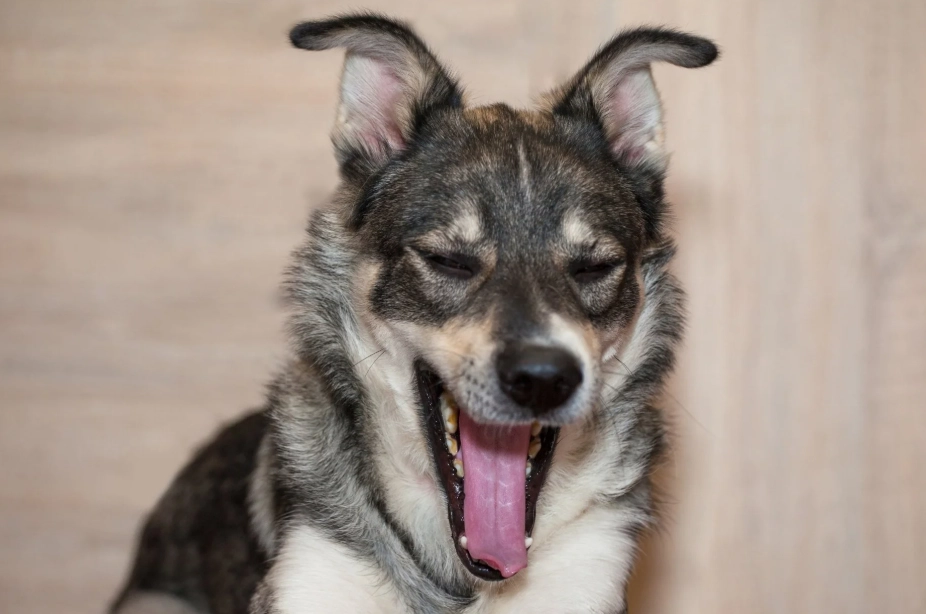
Safe Home Remedies for Dog Hiccups
Step-by-Step Guide to Calming Hiccups
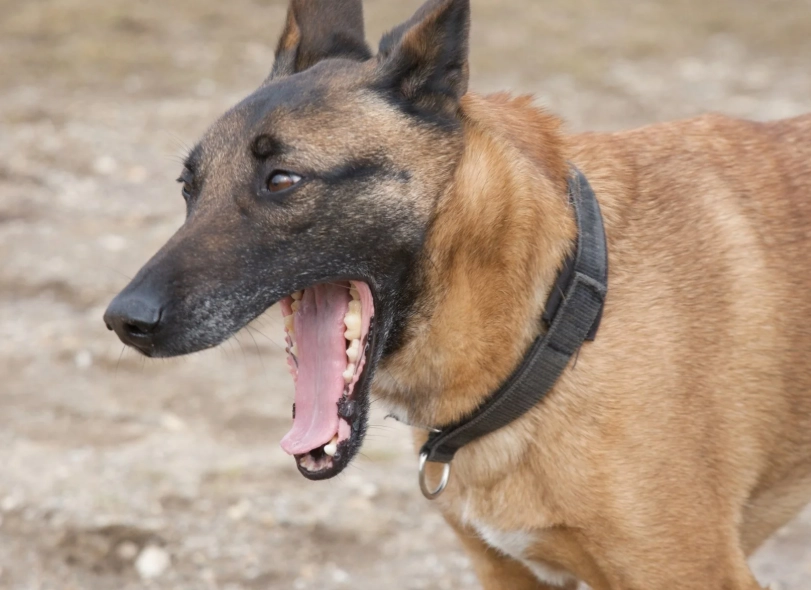
What Not to Do
When to See a Vet: Red Flags and Serious Conditions
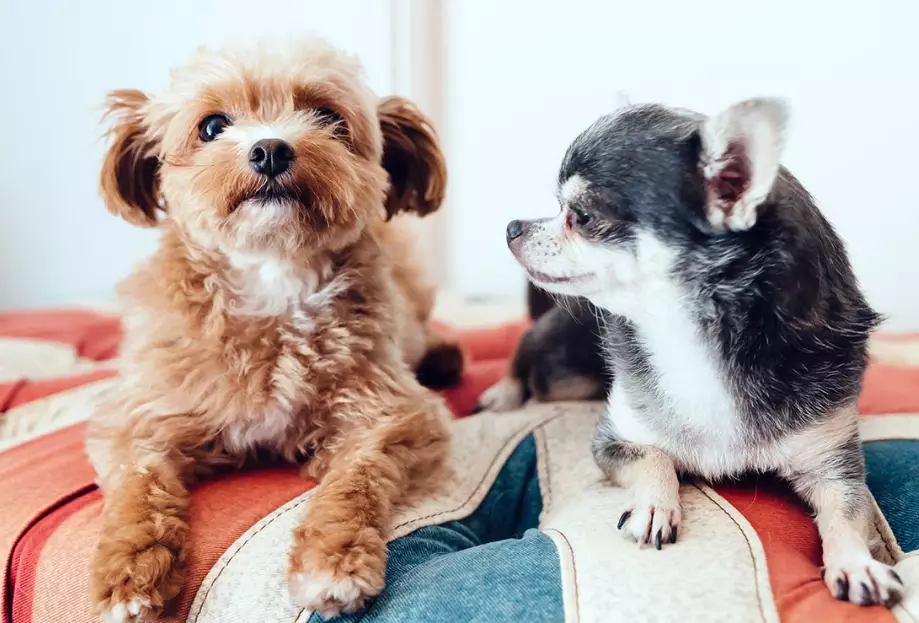
Preventing Hiccups in Dogs: Tips and Tricks
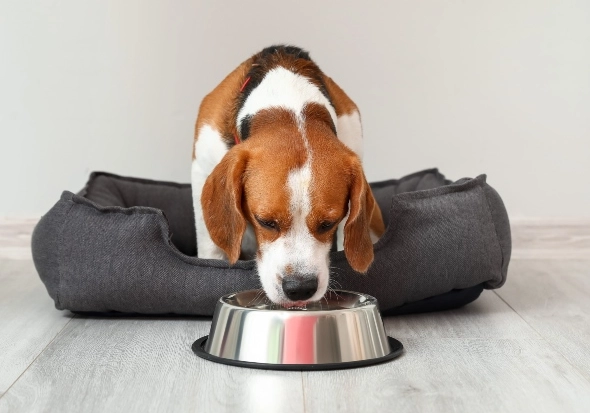
Frequently Asked Questions