Can Cats Eat Peanut Butter? Safety Risks & Healthy Alternatives
Here's the blunt truth: feeding peanut butter to your cat is a bad idea. Most vets will tell you to avoid it altogether. Why? Because even a small amount can pose serious health risks, from toxic ingredients to digestive issues. I learned this the hard way when my own cat, Whiskers, got into a jar of supposedly "natural" peanut butter and ended up with an upset stomach for days. In this guide, we'll break down exactly why peanut butter is problematic, what to do in an emergency, and safer treats your cat will love.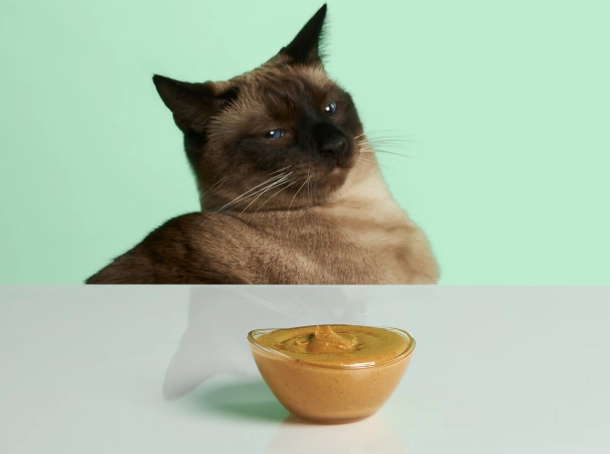
Jump to What Matters Most
Is Peanut Butter Safe for Cats? The Short Answer Is No
Let's get straight to the point. Peanut butter isn't toxic in the same way chocolate is for cats, but it's still dangerous. Cats are obligate carnivores—their bodies aren't designed to process plant-based foods like peanuts efficiently. The risks come from specific ingredients and nutritional imbalances.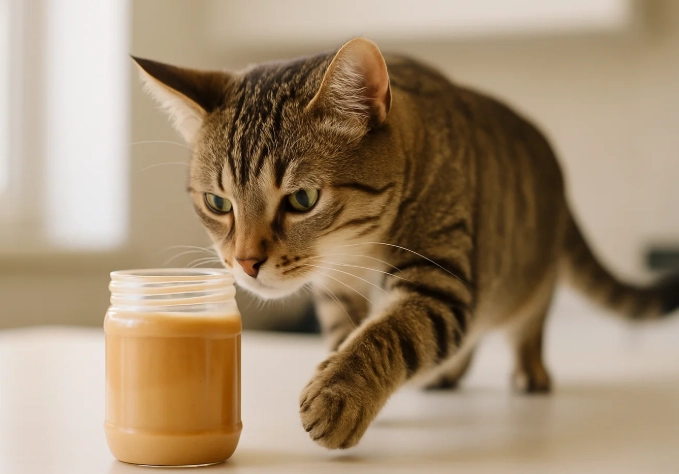
The Xylitol Danger: A Hidden Killer in Some Peanut Butters
Xylitol is a sugar substitute found in some "sugar-free" peanut butters. For cats, it can cause a rapid insulin release, leading to hypoglycemia (low blood sugar), seizures, and even liver failure. The scary part? Xylitol poisoning can happen within 30 minutes of ingestion. I've seen cases where owners didn't check the label, assuming all peanut butter is the same. Always read ingredients; if it says xylitol, keep it far away from your cat.
High Fat and Salt: A Recipe for Pancreatitis and Kidney Stress
Peanut butter is loaded with fat and often high in salt. For cats, excessive fat can trigger pancreatitis—a painful inflammation of the pancreas. Salt, on the other hand, can lead to dehydration and kidney strain. Think about it: a teaspoon of peanut butter might contain over 100mg of sodium, which is a lot for a small animal. My vet once explained that even "low-sodium" versions aren't safe because cats' kidneys are sensitive.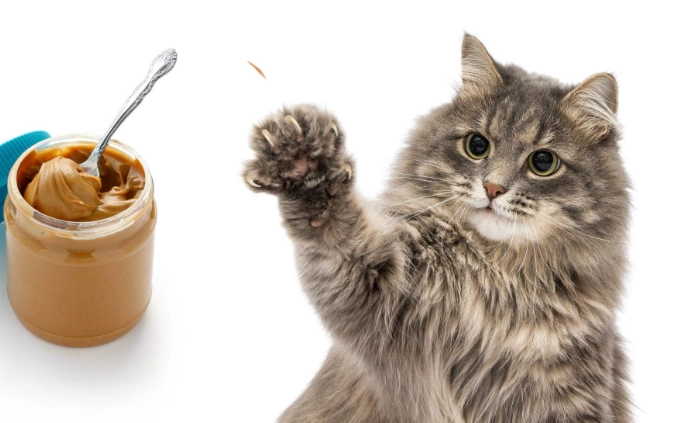
Personal take: After Whiskers' incident, I dug deeper. Many online sources gloss over the fat issue, focusing only on xylitol. But high fat is a silent culprit—it doesn't cause immediate symptoms but can lead to long-term health problems like obesity and diabetes.
What If Your Cat Already Ate Peanut Butter? Emergency Steps to Take
Accidents happen. Maybe your cat snatched a lick from your sandwich. Here's what to do immediately, based on advice from the American Veterinary Medical Association (AVMA).
- Stay calm and assess the amount. If it was just a tiny smear, monitor your cat closely. But if they consumed a teaspoon or more, act fast.
- Check the peanut butter label for xylitol. If xylitol is listed, call your vet or an animal poison control center right away. Don't wait for symptoms.
- Look for signs of distress: vomiting, diarrhea, lethargy, or tremors. These can appear within hours.
- Offer fresh water to help flush out excess salt, but don't force-feed.
- Contact your veterinarian. Describe exactly what happened—the type of peanut butter, amount, and when it was eaten. They might recommend bringing your cat in for observation.
I remember a friend's cat who ate xylitol-containing peanut butter; the vet had to administer intravenous glucose to stabilize blood sugar. It was a close call.
Top Safe Treat Alternatives to Peanut Butter
Why risk it when there are better options? Cats don't need peanut butter—they crave protein and moisture. Here are vet-approved treats that are actually beneficial.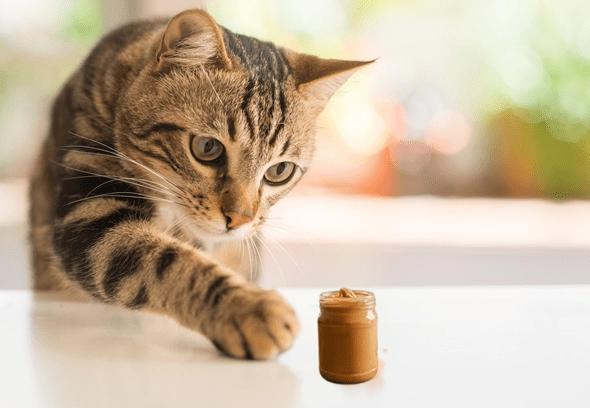
| Treat Option | Why It's Safe | How to Serve |
|---|---|---|
| Cooked Chicken or Turkey (plain) | High in protein, low in fat, and easy to digest. No seasoning or oils. | Shred a small piece (size of a pea) as an occasional treat. |
| Commercial Cat Treats | Formulated for feline nutrition, with balanced nutrients. Look for brands with limited ingredients. | Follow package instructions—usually 1-2 treats per day. |
| Pumpkin Puree (unsweetened) | High in fiber, good for digestion. Ensure it's pure pumpkin, not pie filling. | Offer a teaspoon mixed with wet food for a healthy boost. |
| Freeze-Dried Meat Treats | Minimally processed, rich in protein. Popular among cat owners for convenience. | Crush into small bits to prevent choking. |
These alternatives are not only safer but also more aligned with a cat's natural diet. I switched Whiskers to freeze-dried chicken treats, and he's much happier—no more digestive upsets.
Debunking Common Myths About Cats and Human Food
There's a lot of misinformation out there. Let's clear up some myths I've encountered over the years.
Myth 1: "A little peanut butter won't hurt." Wrong. Even small amounts can accumulate toxins or cause allergic reactions. Cats are smaller than humans, so their tolerance is lower.
Myth 2: "Cats love the taste, so it must be okay." Cats are curious and might lick anything, but that doesn't mean it's safe. They lack the enzymes to properly digest plant-based fats.
Myth 3: "Organic peanut butter is safe." Not necessarily. Organic versions can still be high in fat and salt, and some might contain xylitol if labeled sugar-free. Always check the label.
A vet once told me that many owners fall for these myths because they humanize their pets. But cats have unique dietary needs—what's fine for us can be harmful to them.
Your Burning Questions Answered (FAQ)
Wrapping up, the bottom line is clear: peanut butter isn't worth the risk for cats. With so many safe and healthy alternatives available, there's no reason to gamble with your feline friend's health. Stick to treats made for cats, and always consult your vet if you're unsure. After all, a happy cat is a healthy cat.
Related Articles