Dog Drinking a Lot of Water: Causes, Concerns, and When to See a Vet
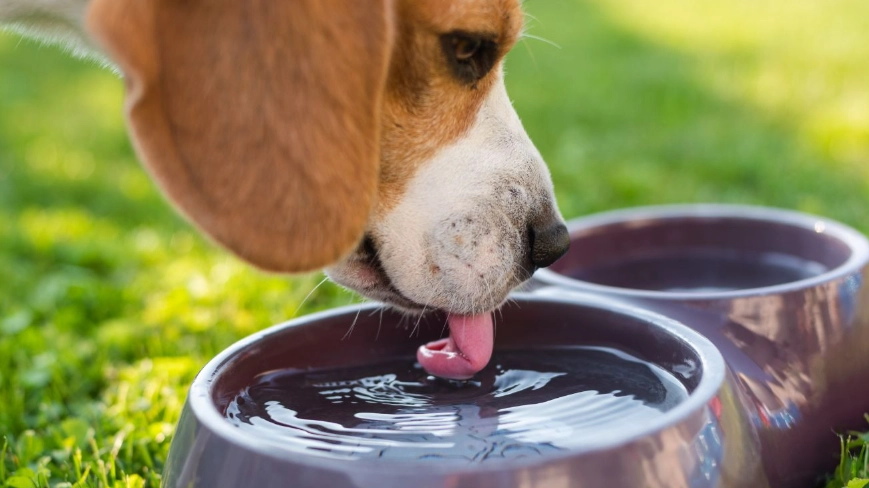
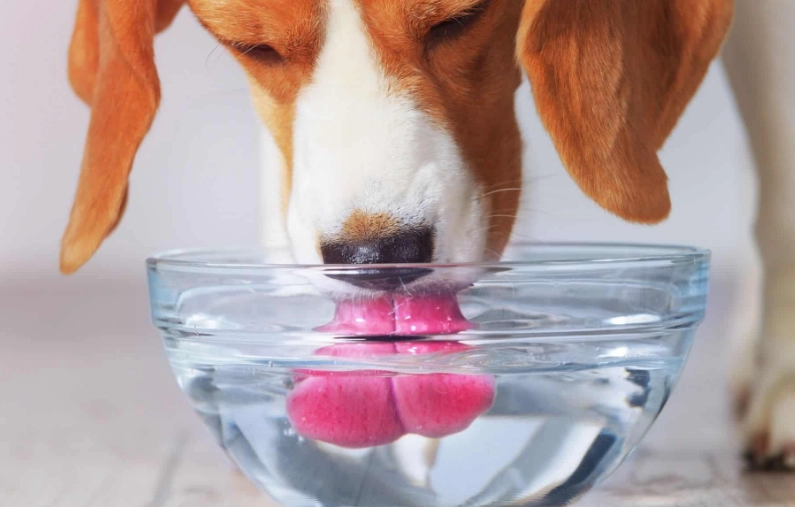
You know that sound. The *slurp-slurp-slurp* that goes on for what feels like minutes. You glance over, and there's your dog, head deep in the water bowl, gulping like they just crossed a desert. The first time it happens, you might chuckle. The fifth time in a day, you start to wonder. Why is my dog drinking so much water? I've been there. With my last dog, a lively Labrador, I remember the summer he turned seven. His water consumption went through the roof. I mean, I was refilling the bowl constantly. At first, I blamed the heat. Then I blamed his new, slightly saltier kibble. But a little voice in the back of my head wouldn't shut up. Was it something more? Turns out, it was the first sign of a manageable condition we caught early. That experience taught me that a dog drinking excessive water is one of those things you should never ignore, but also shouldn't panic about immediately. Before you label your dog's thirst as excessive, you need a baseline. There's a standard rule of thumb veterinarians use, but honestly, I find it a bit too clinical. The textbook says a healthy dog drinks about one ounce of water per pound of body weight per day. So, a 50-pound dog would drink about 50 ounces, or just over 6 cups, in a 24-hour period. But here's the thing—that's an average. In real life, it's messy. My current dog, a smaller mix, sometimes drinks less, sometimes more. The key isn't memorizing an exact number; it's knowing your dog's personal normal. Does your dog usually take a few laps after a walk and then walk away? That's their baseline. A sudden, sustained increase from that personal norm is what we call polydipsia (the fancy medical term for excessive thirst). And when a dog is drinking a lot of water, polydipsia is usually the first clue something's up. To make sense of it, let's look at what's typical. This table breaks down the rough estimates, but remember, these are starting points, not rigid rules. See? A big dog drinking a lot of water might actually be within a normal range if they're at the high end of their scale. Context is everything. This is the heart of the matter. The reasons range from "totally fine, don't sweat it" to "you need to see the vet tomorrow." The trick is learning to tell the difference. Let's break them down. Sometimes, a dog drinking excessive amounts of water has a simple explanation. These are the first things to rule out in your head. This is where a dog drinking a lot of water becomes a key symptom of an underlying issue. The increased thirst is the body's response to a problem. Okay, you've noticed the behavior. You're concerned. What's the actual game plan? Don't just sit there worrying—be systematic. Here’s what I did and what vets recommend. Gather information. Your vet will ask for this, and having it ready makes you look like a rockstar owner and gets to answers faster. If the increased water drinking persists for more than 24-48 hours without a clear benign cause (like a heatwave), or if you see ANY other symptoms (lethargy, vomiting, etc.), call your vet. Tell them: "My dog is drinking a lot more water than usual, and I've measured it to be about [X] cups per day. They also seem [tired/peeing more/etc.]." This gets you a more urgent appointment than a vague "they seem thirsty." At the vet, they won't just shrug. Diagnosing the cause of polydipsia is like being a medical detective. Here's the typical process: After talking to other owners and vets, these are the questions that come up again and again. No. Age is not a disease. While older dogs are more prone to conditions like kidney disease, diabetes, or Cushing's, drinking a lot of water is never "just" a sign of old age. It's a sign of a condition that happens to be more common in seniors. An older dog drinking excessive water deserves a vet visit to identify and potentially manage that condition, improving their quality of life. This is particularly frustrating because it leads to nighttime potty breaks. The causes are the same as for daytime polydipsia. However, it might also be linked to cognitive dysfunction (doggy dementia) where their normal day/night cycle is disrupted. Tracking their 24-hour total intake is key here to see if it's truly excessive or just shifted in timing. It can, but it's less common as a sole cause. Some dogs develop compulsive behaviors, including excessive drinking, due to stress or boredom (this is called psychogenic polydipsia). However, this is a diagnosis of exclusion. You must rule out all the physical medical causes first with your vet before assuming it's behavioral. Assuming it's anxiety when it's actually early kidney disease is a dangerous mistake. Not inherently to "drinking more," but they are prone to the conditions that cause it. For example, smaller breeds like Miniature Poodles or Dachshunds can be more prone to Cushing's. Samoyeds and some terriers have a higher incidence of diabetes. Knowing your breed's common health issues is helpful, but any breed can develop any of these problems. Noticing that your dog is drinking a lot of water is a sign of a good, observant owner. It's easy to miss. Don't downplay it. Don't let anyone tell you you're overreacting. The journey from that first slurping sound to an answer can be stressful. You might hope it's just the weather, but you have to be prepared for other possibilities. The good news is that many of the conditions that cause polydipsia are manageable. Diabetes can be controlled with insulin and diet. Kidney disease can be slowed with special food and medications. Cushing's can be treated. Early detection is everything. That early detection started with you noticing your dog's water bowl was empty too often. So take a breath, grab a measuring cup, start observing, and make that call. Your dog can't tell you what's wrong, but their thirst is speaking for them. It's our job to listen.Your Quick Guide
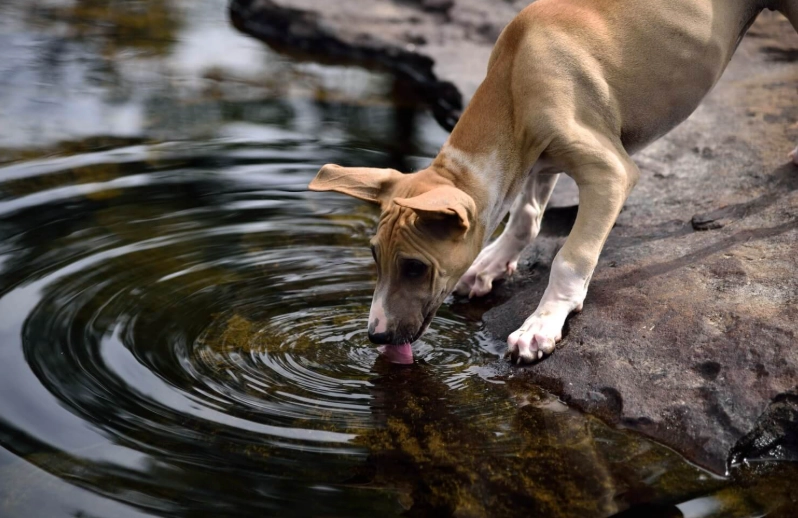
First Things First: How Much Water is "Normal" for a Dog?
Dog's Weight
Approx. Daily Water Intake (Cups)
Approx. Daily Water Intake (ml)
Notes
10 lbs (4.5 kg)
1 - 1.25 cups
240 - 300 ml
A small bowl's worth.
25 lbs (11 kg)
2.5 - 3 cups
600 - 720 ml
Common for many terriers.
50 lbs (23 kg)
5 - 6.25 cups
1.2 - 1.5 L
Think Labrador size.
75 lbs (34 kg)
7.5 - 9.5 cups
1.8 - 2.25 L
Large breed territory.
100 lbs (45 kg)
10 - 12.5 cups
2.4 - 3 L
Great Dane, Mastiff levels.
Why is My Dog Suddenly Drinking So Much Water? The Possible Causes
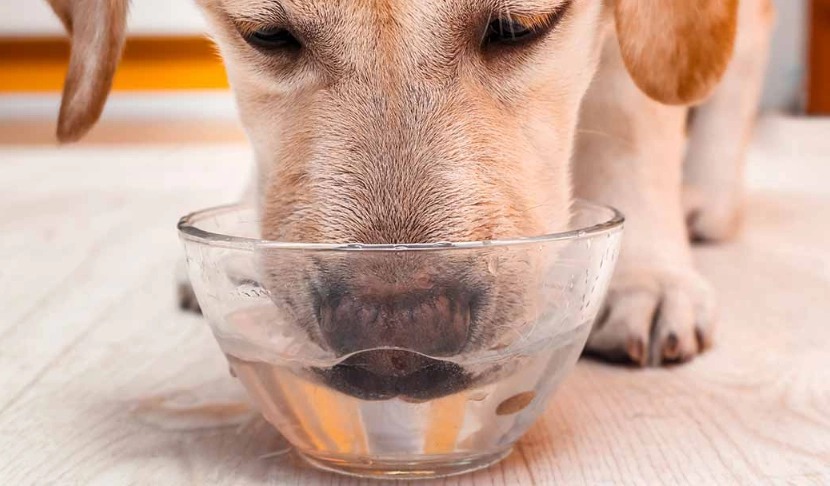
The "Probably No Big Deal" Reasons (The Benign Stuff)
The "Time to Pay Attention" Reasons (The Metabolic & Health Stuff)
What Should I Do? Your Step-by-Step Action Plan
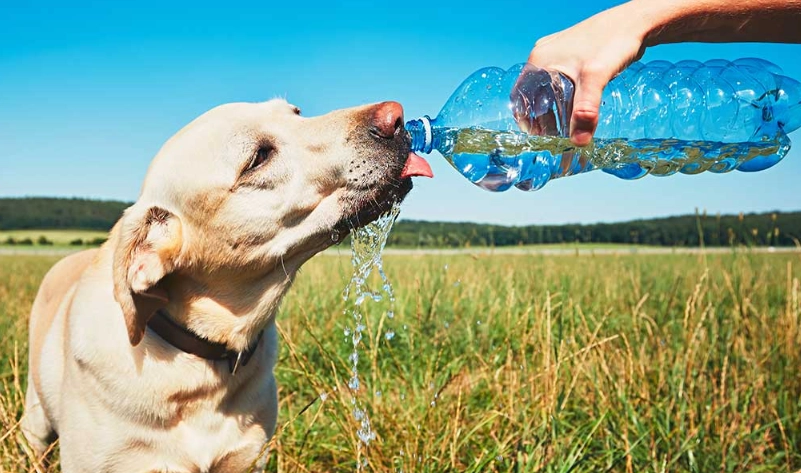
Step 1: The Home Detective Work (Before You Call the Vet)
Step 2: Making the Vet Appointment & What to Expect
Common Questions Dog Owners Ask (The FAQ Section)
My old dog is drinking lots of water. Is it just old age?
My dog drinks a lot of water at night. Why?
Can anxiety cause a dog to drink more water?
Are some breeds prone to drinking more water?

The Bottom Line: Trust Your Gut, Trust Your Vet